Skallingen Ende Travel Guide
Free Guide: Remote tip of the Skallingen peninsula, where raw North Sea surf, wide tidal flats and protected Wadden Sea wildlife create a truly elemental coastal experience.


A brief summary of Skallingen Ende
Remote tip of the Skallingen peninsula, where raw North Sea surf, wide tidal flats and protected Wadden Sea wildlife create a truly elemental coastal experience.
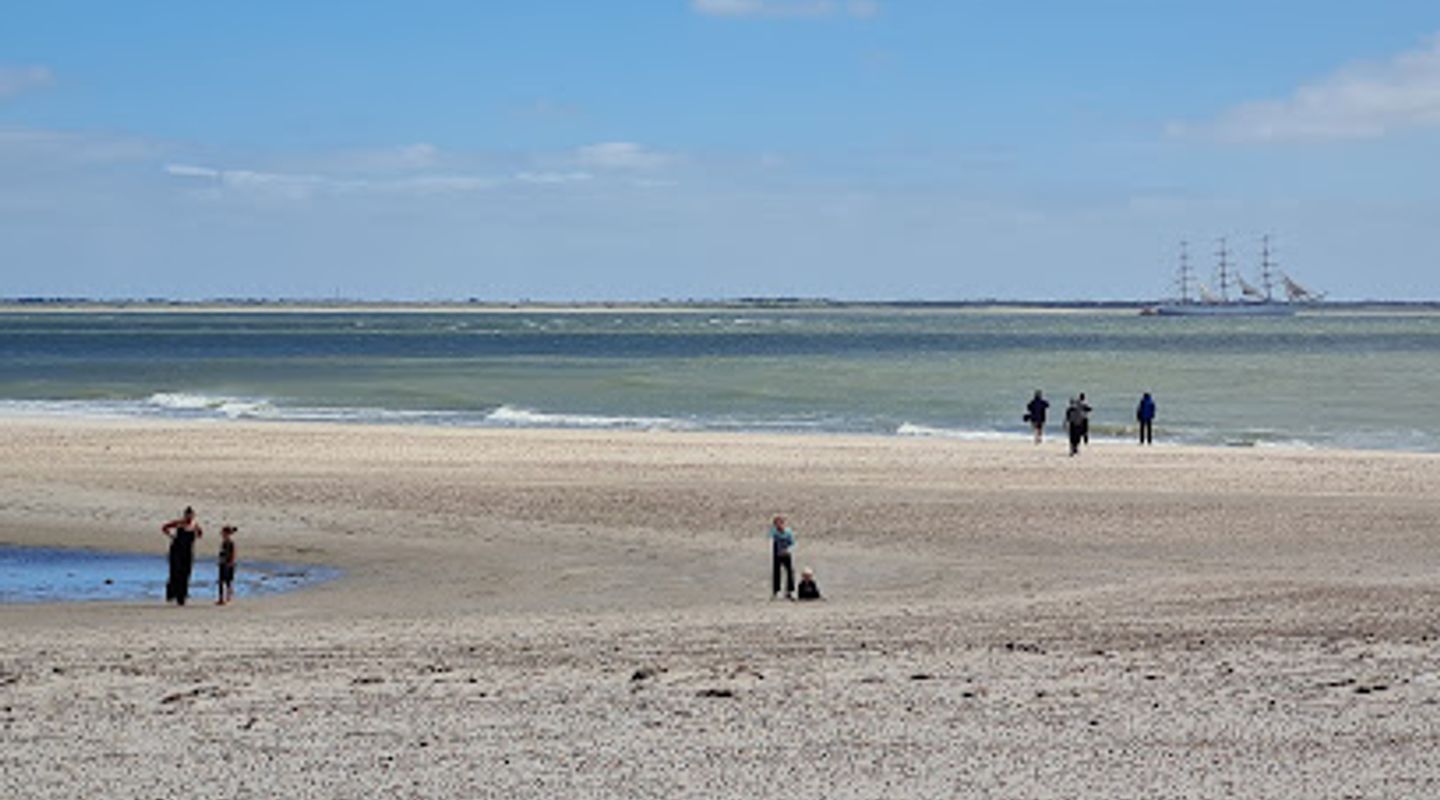
Skallingen Ende marks the wild, windswept tip of the Skallingen peninsula, where the North Sea and the Wadden Sea meet off the west coast of Jutland. Part of the Wadden Sea National Park, this protected landscape of vast sand flats, salt marshes and dunes feels remote and elemental, yet lies within easy reach of the resort town of Blåvand. Expect big skies, shifting tides, migratory birds and, with luck, seals hauled out on distant sandbanks in a setting that feels far from everyday life.
On-site amenities
 Picnic areas
 Trash bins
 Information boards
Opening hours
- Every dayOpen 24 hours
Opening hours as listed on the venue’s Google Business Profile. Hours can change for services and special events, so check with the venue before you go.
- Address
- 6857 Blåvand
Getting there
Car from Blåvand
Car from Esbjerg
Public transport plus walking
Discover more about Skallingen Ende
Where the North Sea Meets the Wadden Sea
Skallingen Ende is the far western tip of Skallingen, a low-lying peninsula in the northern Wadden Sea between Blåvand and Fanø. Here the open North Sea rolls in from the west while the calmer waters of Ho Bugt and the tidal channels of Grådyb frame the landscape to the east. At low tide, vast stretches of sand and mudflats are exposed, transforming the coastline into an almost lunar scene; at high tide, the sea reclaims the flats and the peninsula suddenly feels much narrower.The sense of being on the edge of the land is intense. The horizon is wide and uncluttered, broken only by distant views of Fanø, Esbjerg’s harbor installations and the silhouettes of passing ships. On days of clear visibility you can watch weather fronts sweep in from far offshore, the light shifting from sharp blue to muted grey within minutes.
A Young Peninsula Shaped by Storms
Geologically speaking, Skallingen is young. The peninsula began forming after a devastating storm surge in the 17th century reshaped the coastline and triggered the gradual build-up of sand and silt along this stretch of shore. Over the centuries the wind, waves and tidal currents have continued to remodel its outlines, creating an ever-evolving landscape of dunes, salt marshes and beach ridges.Attempts to tame this wild coast with dikes and engineering works were largely abandoned in the late 20th century. Today the area is intentionally left to natural forces, making Skallingen Ende an open-air laboratory for coastal dynamics. Eroding dune faces, new sandbars and freshly carved tidal creeks are all visible signs of a shore that is never quite the same from one decade to the next.
Salt Marshes, Dunes and a Living Tidal World
Behind the outer dune belt, broad salt marshes stretch across much of Skallingen. These low meadows flood during storm surges and very high tides, leaving behind nutrient-rich sediments that feed a specialized plant community. Salt-tolerant species like glasswort and sea aster paint the marshes in muted greens and purples in late summer, while invertebrates thrive in the soft mud underfoot.Closer to Skallingen Ende, the dunes rise and fall in gentle waves. Marram grass binds the sand into shifting hills, etched with ripples by the prevailing winds. Between dune ridges, shallow slacks can stay damp well into summer, attracting wading birds and offering a quieter microhabitat sheltered from the often-brisk coastal breeze.
A Haven for Birds and Seals
As part of the Wadden Sea National Park, Skallingen is internationally important for birdlife. During migration periods, flocks of geese, waders and ducks stop here to rest and feed on the rich tidal flats. Even outside peak seasons, you may see oystercatchers probing the sand, curlews calling over the marsh, or terns diving just offshore. Binoculars add greatly to the experience, and the open terrain means sightings can be made at considerable distances without disturbance.One of the highlights of Skallingen Ende is the chance to spot seals. Sandbanks at the tip of the peninsula provide haul-out sites where they bask between fishing trips in the North Sea. From the shore you may glimpse sleek heads bobbing in the water or pale shapes sprawled on the far-off bars. Keeping a respectful distance is essential, both for their protection and to preserve the quiet character of this coastal refuge.
Experiencing the Elements on Foot
Reaching Skallingen Ende involves a walk across open terrain, and that journey is part of the appeal. With no built-up facilities at the tip, you step into a landscape ruled by weather and tide. On calm summer days the wide beach feels almost Mediterranean in its expanse, with soft sand underfoot and plenty of space to spread out. In autumn and winter, strong winds can make the experience more dramatic, as waves crash in and the air fills with salt spray.This is a place for unhurried exploration rather than ticking off sights. You might follow the waterline, watch patterns in the sand left by retreating waves, or sit in the lee of a dune listening to the surf. The flat horizon and rhythmic sound of the sea make it an evocative spot for reflection or quiet conversation, especially when evening light stretches long shadows across the beach.
Respecting a Fragile, Protected Landscape
Skallingen and its tip lie within a strictly protected area, and the environment here is more delicate than its vastness suggests. Storm surges can overtop large parts of the peninsula, and certain zones may be seasonally restricted to safeguard wildlife. Keeping to existing tracks where present, avoiding salt marsh areas in breeding season, and carrying out all rubbish are simple but important ways to reduce impact.Because of the exposure and lack of shelter, weather preparation is essential. Winds can feel significantly colder than inland, and the open sky offers little shade on hot days. With thoughtful planning and respect for the natural rhythms of tide and wildlife, a visit to Skallingen Ende offers a rare glimpse of a North Sea coast still largely governed by elemental forces.
Evendo Review Centre
 Google
Guest reviews
Best time to go
Quietest: Jan, Feb & Mar · before 7am or from 9pm
Busy times are Evendo estimates for a typical year, to help you plan. Actual crowds vary with events, school holidays and the weather.
Explore Skallingen Ende on the map
A handpicked selection of must-see spots near Skallingen Ende, mapped for you.
Get your free copy of our complete guide to Skallingen Ende, delivered straight to you.
Everything on this page, from opening hours and how to get there to Eve’s tips and the best time to go, in one PDF you can read offline, print or share.
Already have an account? Sign in
Your Skallingen Ende guide is ready.
We'll send it to · Not you? Sign out

Getting your guide ready…
We are putting together a fresh copy of the Skallingen Ende guide. This can take up to a minute.
This can take a few moments. If your browser asks, choose Allow so the download can start. You'll find the guide in your Downloads folder.
Nothing happened? Download it again
Sorry, the guide is taking longer than usual. Please try again in a minute, or get it by email instead.
Other nearby places you may find interesting
The closest places of the same kind, if this one is not quite what you had in mind.
-
Vadehavscentret Where Viking heritage meets migratory birds in Denmark's largest national park.
-
Skallingen Strand Denmark's wild, unspoiled beach within a protected 2,000-hectare nature reserve—pristine solitude on the North Sea.
-
Naturcenter Tønnisgård A cozy thatched nature center on Rømø, introducing the Wadden Sea’s tides, wildlife and island life through hands-on exhibits and guided outdoor adventures.
-
Nationalmuseets Kommandørgård An 18th-century whaling captain's manor frozen in time, where Arctic riches met island elegance.
-
Rømødæmningen A 9.2 km ribbon of road across the Wadden Sea, Rømødæmningen links Jutland and Rømø with sweeping horizons, rich birdlife and a powerful sense of open sky.
Swipe for more places
More to explore near Skallingen Ende

 Best experiences near Skallingen Ende
 Best hotels near Skallingen Ende
 Best landmarks near Skallingen Ende
 Best attractions near Skallingen Ende
 Best shops near Skallingen Ende
 Best restaurants near Skallingen Ende
 Best bars near Skallingen Ende
Do you manage this location?
Take control to get all the benefits, like improved information, better appearance, and stronger visibility across AI-powered discovery.
Explore more

Explore more of Wadden Sea National Park
Discover the Wadden Sea National Park in Denmark: a UNESCO World Heritage site teeming with wildlife, stunning landscapes, and unique tidal flats. A nature lover's paradise.
Explore Wadden Sea National Park
Explore more of Denmark
Discover Denmark: A perfect blend of history, modern design, and the cozy concept of hygge. Explore vibrant cities, serene landscapes, and world-class cuisine.
Explore Denmark