

Copenhagen Central Station Travel Guide
Free Guide: Historic brick-and-timber rail hub at the heart of Copenhagen, combining grand architecture, everyday convenience and instant access to the city’s main sights.


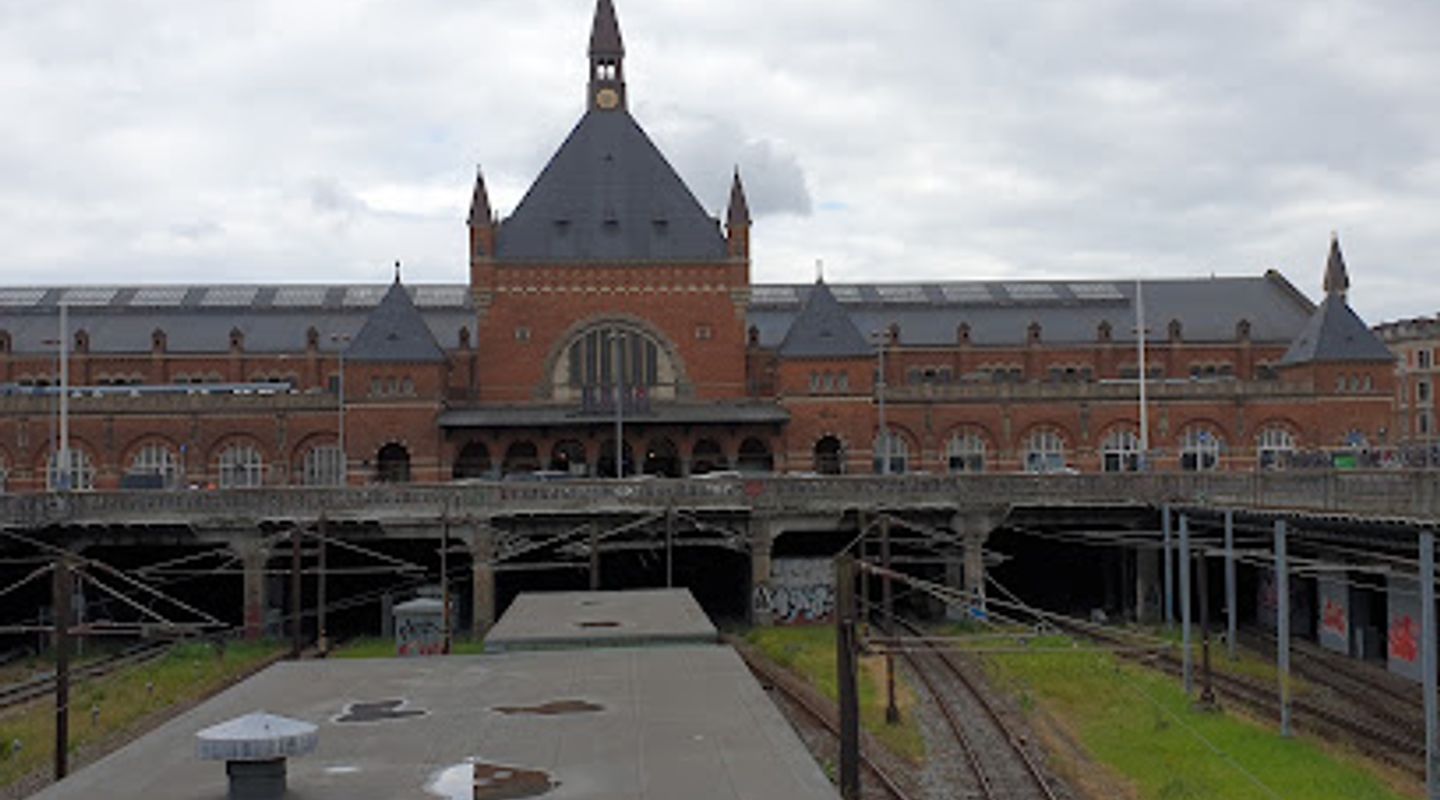
A brief summary of Copenhagen Central Station
Historic brick-and-timber rail hub at the heart of Copenhagen, combining grand architecture, everyday convenience and instant access to the city’s main sights.
Copenhagen Central Station, known locally as København H, is the city’s main rail hub and a natural gateway into the Danish capital. Sitting beside Tivoli Gardens and the Vesterbro district, this grand brick station blends late‑19th‑century architecture with a busy modern concourse, packed with ticket offices, convenience stores, cafés and fast‑food outlets. Long‑distance trains, regional services and the S‑train network all converge here, making it an essential landmark for onward travel, day trips and exploring central Copenhagen on foot.
On-site amenities
 Restrooms
 Drink options
 Drinking water
 Food options
 Lockers
 Seating areas
 Sheltered areas
 Trash bins
 Information boards
 Visitor centre
- Address
- Copenhagen
Getting there
Regional train from Copenhagen Airport
S-train within Greater Copenhagen
City bus connections
Walking from central districts
Discover more about Copenhagen Central Station
Historic gateway to the Danish capital
Copenhagen Central Station, or København H, has long been the city’s primary entrance hall, welcoming travelers from across Denmark and the rest of Europe. The current building dates from the early 20th century and was designed to match the characteristic brick architecture that defines much of central Copenhagen. High timber beams span the main hall, giving the interior a warm, slightly cathedral‑like feel despite the constant movement.From its earliest days, the station was conceived as more than a simple rail stop. It was planned as a strategic hub tying together ferries, regional lines and city streets, ensuring that new arrivals stepped straight into the urban heart. Today, that sense of arrival still defines the experience: the moment you step onto the concourse, you are only a short stroll from Tivoli Gardens, City Hall Square and the bars, cafés and galleries of Vesterbro.
Architecture, atmosphere and daily rhythms
The station’s exterior mixes red brick, arched windows and a broad roofline punctuated by small towers and gables. Inside, natural light filters through skylights onto patterned floors and long platforms, softening what could otherwise feel purely functional. Old‑fashioned departure boards and modern digital displays coexist, underscoring the station’s role as both historic landmark and working transport artery.At almost any hour, there is a steady hum of luggage wheels, train announcements and conversations in several languages. Commuters hurry toward S‑trains, families cluster around information boards, and cyclists navigate carefully through designated areas. This constant flow gives the station an energetic, urban buzz, yet pockets of calm can be found along quieter platforms or at tables tucked away toward the edges of the main hall.
Shops, cafés and travel essentials under one roof
Copenhagen Central Station is also a compact shopping and dining center, geared toward people on the move. Convenience stores and supermarkets provide snacks, drinks and last‑minute travel supplies, while bakeries offer classic Danish pastries alongside coffee for early departures. Fast‑food counters, juice bars and international chains are interspersed with local options, so it is easy to grab a quick breakfast, a packed lunch or a hot meal between trains.Beyond food, there are newsstands, small fashion outlets and travel accessory shops selling everything from umbrellas to plug adapters. Pharmacies and service counters add another layer of practicality, allowing you to handle everyday errands without leaving the station. For many visitors, this combination of services makes København H a useful first stop before heading out into the city.
Central hub for city sights and day trips
One of the station’s biggest strengths is its location. Step outside and you are moments from Tivoli’s entrance, the city’s main shopping streets and the cultural institutions clustered around City Hall Square. The surrounding Vesterbro neighborhood adds another dimension, with its mixture of traditional brownstone apartment blocks, modern hotels, restaurants and nightlife.Rail connections radiate from the platforms to the wider region. Frequent trains link Copenhagen with the airport, while other services head across Zealand and on toward Sweden and mainland Europe. For travelers planning day trips to castles, coastal towns or nearby deer parks, the station often serves as the natural starting point, simplifying logistics and keeping travel times manageable.
Practicalities, comfort and accessibility
As a modern transport interchange, Copenhagen Central Station incorporates practical features to make journeys smoother. Ticket machines and staffed counters help with route planning, while clear signage in multiple languages simplifies navigation between platforms, exits and services. Seating areas are scattered through the concourse, and covered platforms protect you from the city’s changeable weather.Lifts, ramps and escalators connect the different levels, improving access for travelers with mobility challenges, pushchairs or heavy luggage. Public restrooms, lockers and information boards round out the essential amenities. The result is a station that balances historic character with contemporary functionality, serving both as a memorable first impression of Copenhagen and a reliable everyday hub for moving through the city and beyond.
Evendo Review Centre
 Google
Guest reviews
Best time to go
Quietest: Jan, Feb & Mar · at 1am or at 2am or at 3am
Busy times are Evendo estimates for a typical year, to help you plan. Actual crowds vary with events, school holidays and the weather.
Explore Copenhagen Central Station on the map
A handpicked selection of must-see spots near Copenhagen Central Station, mapped for you.
Get your free copy of our complete guide to Copenhagen Central Station, delivered straight to you.
Everything on this page, from opening hours and how to get there to Eve’s tips and the best time to go, in one PDF you can read offline, print or share.
Already have an account? Sign in
Your Copenhagen Central Station guide is ready.
We'll send it to · Not you? Sign out

Getting your guide ready…
We are putting together a fresh copy of the Copenhagen Central Station guide. This can take up to a minute.
This can take a few moments. If your browser asks, choose Allow so the download can start. You'll find the guide in your Downloads folder.
Nothing happened? Download it again
Sorry, the guide is taking longer than usual. Please try again in a minute, or get it by email instead.
Unlock the best of Copenhagen Central Station
Skip-the-line tickets, guided tours with entry, and walking tours of the area, booked in a few clicks.

Other nearby places you may find interesting
The closest places of the same kind, if this one is not quite what you had in mind.
-
-
-
-
-


Swipe for more places
More to explore near Copenhagen Central Station
-
 Best experiences near Copenhagen Central Station
-
 Best hotels near Copenhagen Central Station
-
 Best landmarks near Copenhagen Central Station
-
 Best attractions near Copenhagen Central Station
-
 Best shops near Copenhagen Central Station
-
 Best restaurants near Copenhagen Central Station
-
 Best bars near Copenhagen Central Station


Do you manage this location?
Take control to get all the benefits, like improved information, better appearance, and stronger visibility across AI-powered discovery.
Explore more
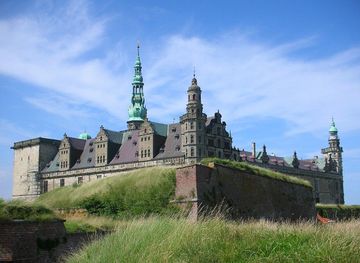
Explore more of Zealand
Discover the charm of Zealand, Denmark's largest island, blending vibrant city life in Copenhagen with serene coastal beauty and rich cultural heritage.
Explore Zealand
Explore more of Denmark
Discover Denmark: A perfect blend of history, modern design, and the cozy concept of hygge. Explore vibrant cities, serene landscapes, and world-class cuisine.
Explore Denmark
