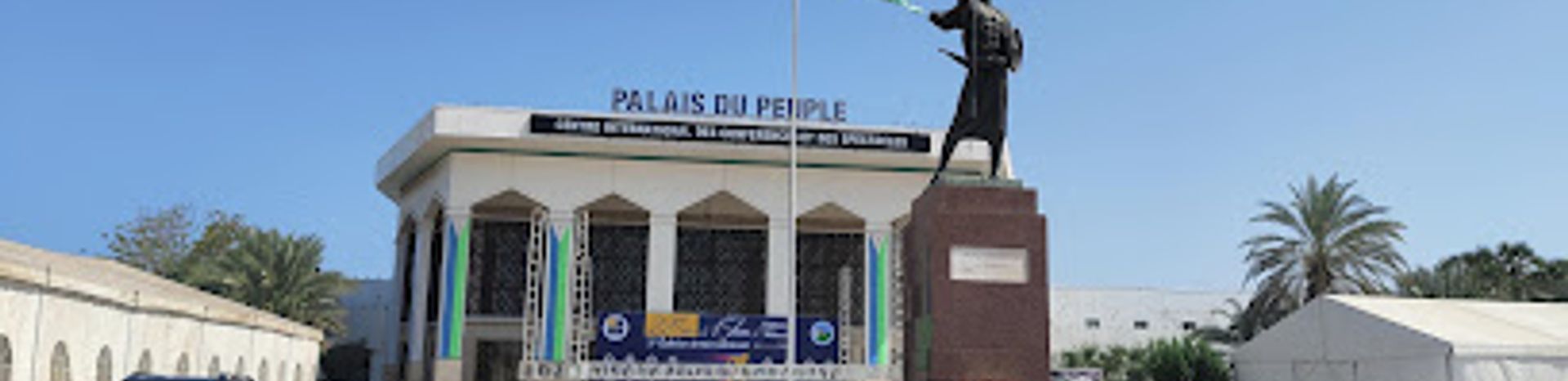
The People's Palace: A Symbol of Djibouti's Freedom
Discover Djibouti's vibrant history and cultural heart at The People's Palace, a landmark monument commemorating the nation's freedom and offering insights into its rich heritage.
The People's Palace, or Palais du Peuple, in Djibouti City, stands as a powerful symbol of the nation's struggle for independence. Built in 1984 as a gift from the People's Republic of China, the palace commemorates Djibouti's liberation from French rule in 1977. More than just a historical landmark, it serves as a venue for significant cultural events and state functions, offering visitors a glimpse into Djibouti's political and cultural identity. The palace complex includes a grand columnar pavilion and the solemn Monument of Martyrs, honoring those who fought for the country's freedom. Its location near the waterfront provides a picturesque backdrop, making it a compelling site for those interested in Djibouti's journey to nationhood and its modern history. Open to visitors Sunday through Thursday, it's a must-see for anyone wanting to connect with Djibouti's past and present.
A brief summary to The People's Palace
- H4XW+RV7, Djibouti, DJ
- +25321354060
Local tips
- Visit in the morning to avoid the midday heat and potential crowds, allowing for a more peaceful exploration of the palace and its grounds.
- Consider hiring a local guide for a more in-depth understanding of the palace's history and its significance in Djibouti's struggle for independence.
- Dress respectfully when visiting, as the People's Palace is a site of national importance and may host official events.

Getting There
-
Taxi/Ride-Share
From most locations within Djibouti City, a taxi or ride-share is the most convenient way to reach The People's Palace. Taxis are readily available, and a short ride from the city center (e.g., Place Menelik) will typically cost between 500 to 1000 DJF, depending on your negotiation skills. Ensure the driver knows the 'Palais du Peuple'. Confirm the fare before starting your journey. Alternatively, ride-sharing apps are also available, but taxis are more common.
-
Public Transport
Public buses are an affordable option, though potentially crowded. Look for buses heading towards the 'Centre Ville' or 'Quartier 1'. A single fare costs approximately 50 DJF. From the nearest bus stop, you may need to walk a few blocks towards the waterfront. Use landmarks like the Presidential Palace or the Port of Djibouti for orientation. Be aware that bus schedules can be irregular.
-
Walking
If you are already near the city center or waterfront, walking to The People's Palace is a viable option. From Place Menelik, head east towards the sea. The palace is located along Rue de Geneve. The walk is approximately 15-20 minutes. Use the Monument of Martyrs as a visual guide. Note that sidewalks may be uneven in places.
Discover more about The People's Palace
Iconic landmarks you can’t miss

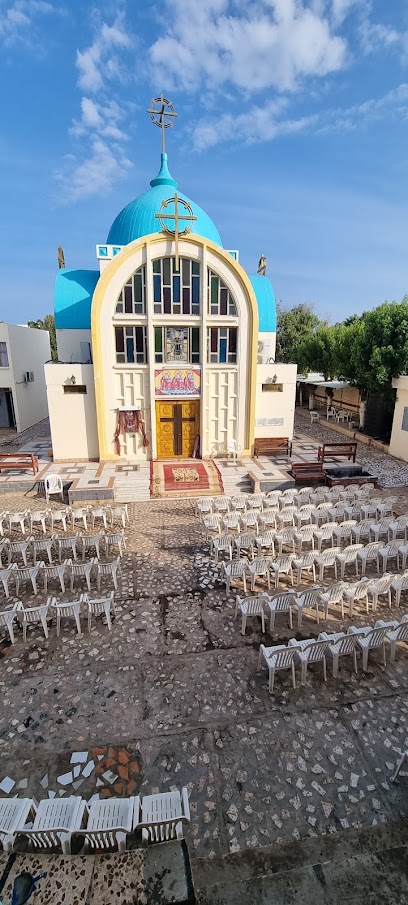
St. Gabriel Ethiopian Orthodox Church, Djibouti
0.2 km
Discover St. Gabriel Ethiopian Orthodox Church in Djibouti: A vibrant cultural and spiritual hub showcasing Ethiopian traditions and artistry.
Hotel Rayan Djibouti
0.3 km
Comfortable and conveniently located hotel in Djibouti City, offering essential amenities and easy access to local attractions.

Residence Hotel Bellevue
0.4 km
Experience comfort and convenience at Residence Hotel Bellevue, your ideal base for exploring Djibouti City's vibrant culture and local delights.
Residence Lagon Bleu
0.4 km
Experience comfort and convenience at Residence Lagon Bleu, your ideal base for exploring the vibrant city of Djibouti and its cultural treasures.
Restaurant L'Historil
0.5 km
Experience the vibrant flavors of East Africa at Restaurant L'Historil in Djibouti City, where traditional cuisine meets a warm atmosphere, creating a memorable culinary journey.
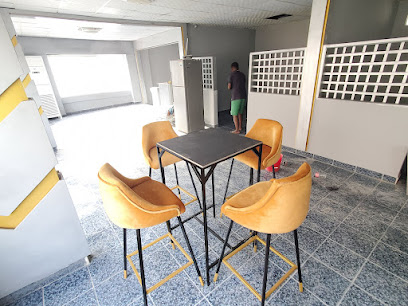
Restaurant La Chaumière
0.5 km
Experience Asian & European cuisine in a cozy, chalet-style setting. A Djibouti dining landmark on Rue de Foucauld.
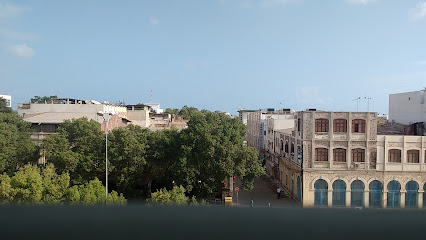
Atlantic Hotel
0.5 km
Discover comfort and local charm at Atlantic Hotel, your ideal base for exploring the vibrant city of Djibouti.
Parking Place Menelik
0.5 km
Discover the heart of Djibouti with convenient parking at Menelik Parking, your gateway to vibrant streets and cultural experiences.
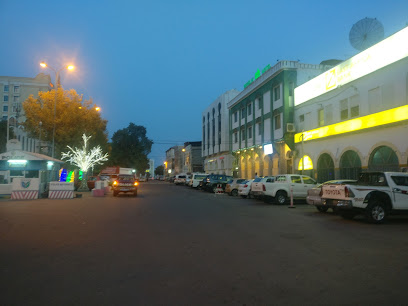
Restaurant Mont Liban
0.5 km
Experience authentic Lebanese cuisine in Djibouti at Restaurant Mont Liban. Enjoy flavorful dishes in a welcoming atmosphere, open daily.
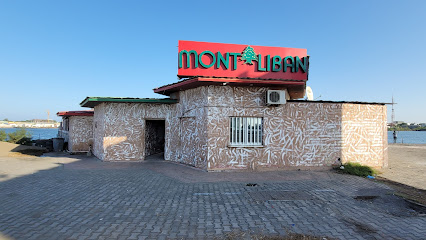
Plein Ciel Hôtel
0.5 km
Experience a comfortable stay in the heart of Djibouti City at Plein Ciel Hôtel, with convenient access to local attractions and essential amenities.
Menelik Hotel
0.5 km
Discover the historical charm and comfort of Menelik Hotel, your perfect base for exploring the vibrant culture of Djibouti.
Djibouti's National Tourist Office
0.6 km
Your gateway to exploring Djibouti's unique landscapes, vibrant culture, and unforgettable adventures in the heart of the Horn of Africa.
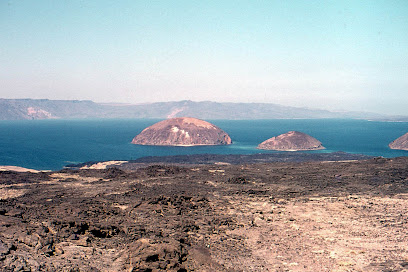
Hotel Ali Sabieh
0.6 km
Discover comfort and local charm at Hotel Ali Sabieh, your ideal base for exploring the vibrant culture and stunning landscapes of Djibouti.
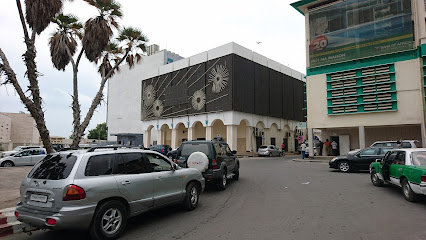
مكتب الحيمي جيبوتي ETS Alhaimi Service Djibouti
0.7 km
Explore the corporate charm of Djibouti at ETS Alhaimi Service, where exceptional service meets local warmth in the heart of the city.
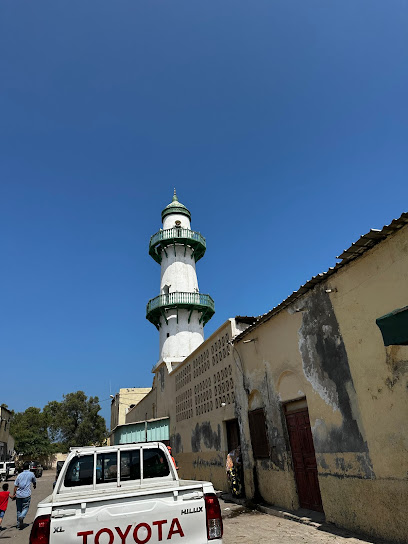
Al Sada Mosque
0.7 km
Discover Al Sada Mosque in Djibouti City: A historic mosque with stunning Islamic architecture, offering a peaceful retreat and a glimpse into Djibouti's rich cultural heritage.
Unmissable attractions to see

Republic
0.2 km
Explore the natural beauty and tranquility of Republic Park in Djibouti, a perfect escape for relaxation and cultural connection.
Jardin Public
0.4 km
Explore Jardin Public, a lush green park in Djibouti, perfect for relaxation, picnics, and enjoying local culture amidst beautiful surroundings.
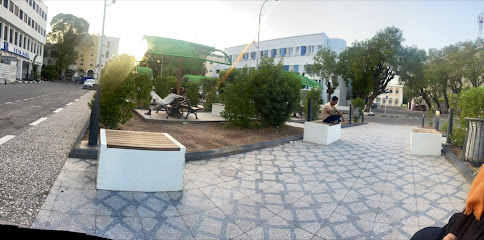
Tour de garde de sécurité de la plage de Siesta
0.6 km
Discover the historic Tour de Garde de Sécurité de la Plage de Siesta in Djibouti, where stunning views meet rich maritime heritage.
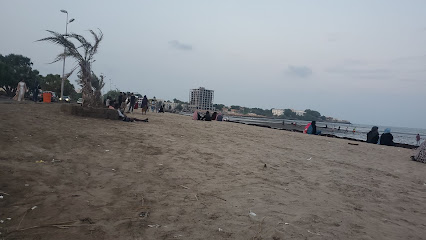
Phare de Venice
0.6 km
Discover the stunning Phare de Venice lighthouse in Djibouti, a picturesque landmark offering breathtaking views and a glimpse into the region's maritime heritage.
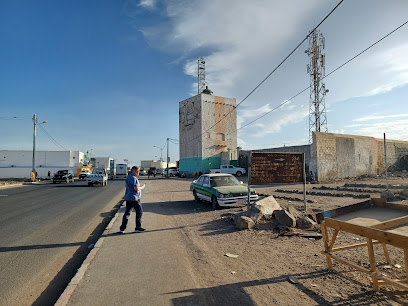
Ahmed nasser
0.7 km
Explore the Ahmed Nasser Museum in Djibouti for an enriching journey through the region's fascinating history and diverse cultural heritage.
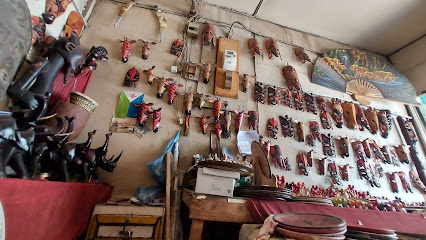
Café de la Gare
0.8 km
Experience exquisite French cuisine at Café de la Gare, Djibouti's premier dining destination for travelers seeking culinary excellence.
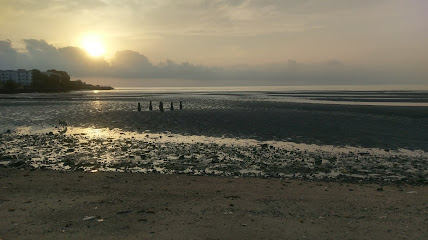
Mosquée Al-Hamoudi
0.8 km
Discover the architectural splendor and serene ambiance of Mosquée Al-Hamoudi, a must-visit cultural landmark in Djibouti.
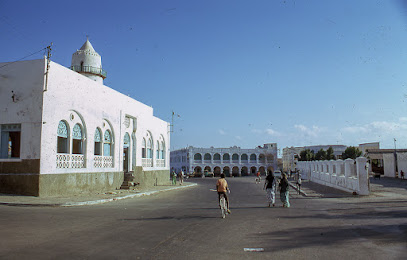
Serpent
1.1 km
Discover the tranquility of Serpent Park, a serene oasis in Djibouti where nature and relaxation come together.
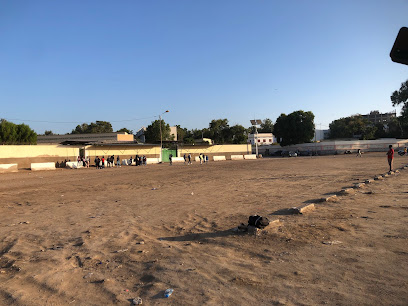
Carre Beach or Tritton Beach
1.3 km
Experience the serene beauty and vibrant beach volleyball culture at Carre Beach, Djibouti's must-visit coastal paradise.
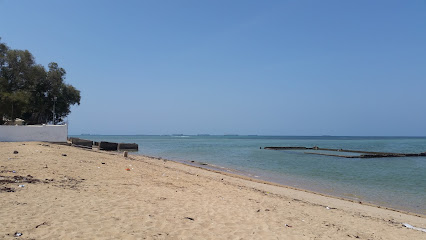
Q cinq
1.8 km
Explore the serene beauty of Q Cinq Park in Djibouti, a perfect retreat for nature lovers and those seeking tranquility amidst the bustling city.
Ilot du Heron
2.3 km
Discover the serene beauty of Ilot du Heron, an enchanting island off Djibouti's coast, ideal for relaxation, adventure, and nature exploration.
Stade
2.5 km
Explore the tranquility of Stade Park in Djibouti, a lush retreat perfect for relaxation and family outings amidst nature's beauty.
Makka Al Moukarama
2.8 km
Explore the serene Makka Al Moukarama Park in Djibouti, a perfect blend of nature and tranquility for every visitor.
Dolphin Excursions Djibouti
3.4 km
Embark on an unforgettable underwater adventure with Dolphin Excursions Djibouti, where vibrant marine life meets stunning coastal beauty.
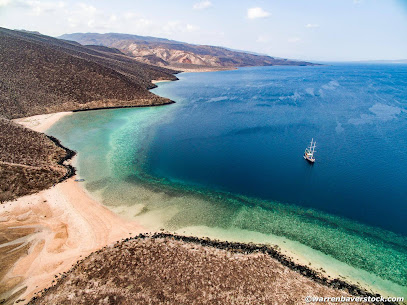
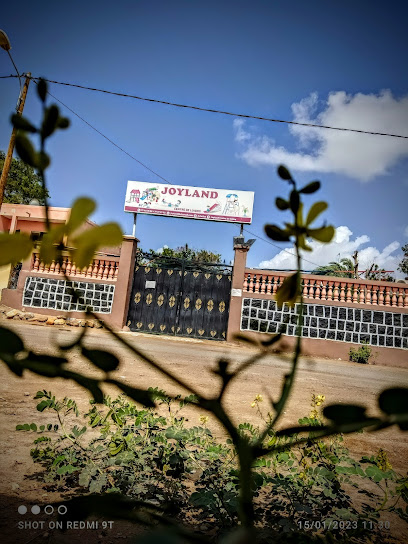
JOYLAND Centre de Loisirs
4.7 km
Explore Joyland Centre de Loisirs, Djibouti's favorite park for relaxation, recreation, and family fun amidst beautiful natural surroundings.
Essential places to dine

Sixteen Eleven Kitch'n
0.3 km
Experience the rich culinary heritage of Djibouti at Sixteen Eleven Kitch'n - where local flavors meet international cuisine.
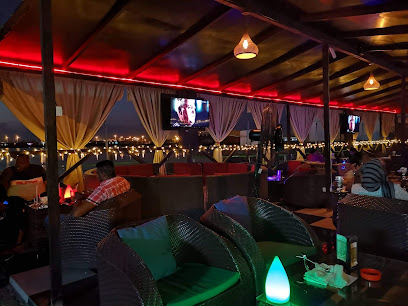
Le Kintz
0.4 km
Discover authentic Djiboutian cuisine at Le Kintz - where tradition meets taste in every dish.
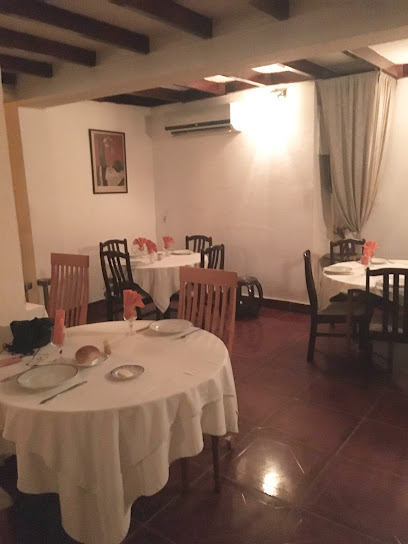
Tasnime restaurant
0.4 km
Discover authentic Djiboutian cuisine at Tasnime Restaurant—where every dish is a taste of tradition.
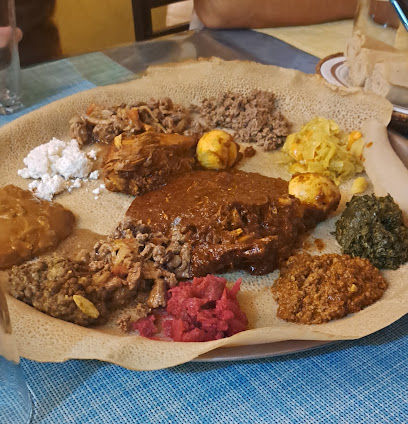
Kokeb Star Restaurant
0.4 km
Experience authentic Ethiopian cuisine at Kokeb Star Restaurant in Djibouti, where every dish tells a story and every meal is a celebration.
Pizzaiolo Central
0.5 km
Discover the flavors of Italy at Pizzaiolo Central in Djibouti – where every pizza tells a story!
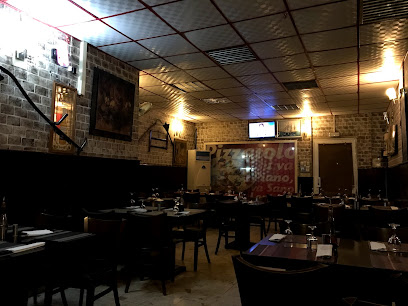
V.P singh restaurant
0.5 km
Discover authentic Djiboutian cuisine at V.P Singh Restaurant - where every dish tells a story.
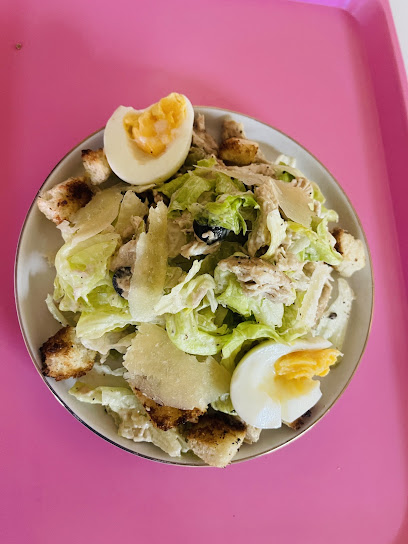
Chez Marco
0.5 km
Discover the flavors of Djibouti at Chez Marco - a must-visit restaurant blending local cuisine with international flair.
Resto Hasna Oriental
0.5 km
Discover authentic Djiboutian flavors at Resto Hasna Oriental – where culinary tradition meets warm hospitality.
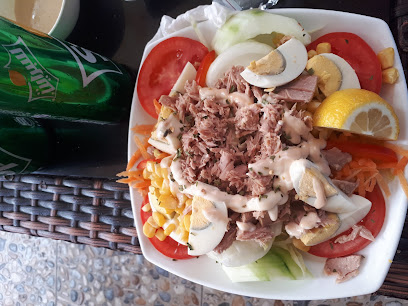
Timeout Restaurant and Sport Bar
0.5 km
Experience the vibrant flavors of Djibouti at Timeout Restaurant and Sport Bar, where delicious food meets lively sports entertainment.
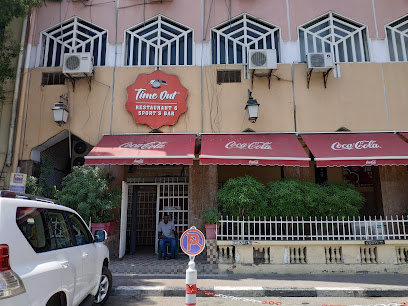
Tom Pouce Cafe & Restaurant
0.5 km
Savor authentic Djiboutian cuisine at Tom Pouce Cafe & Restaurant - where local flavors meet delightful dining experiences.
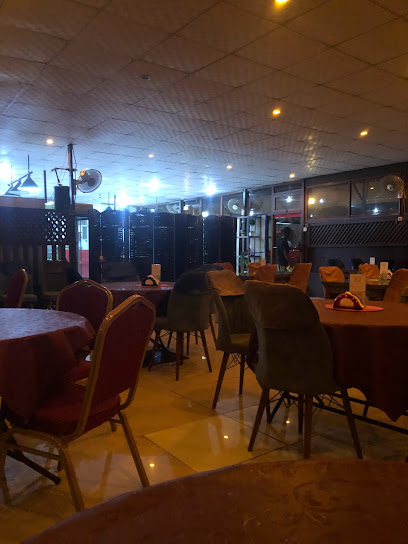
Deluxe
0.5 km
Discover the vibrant flavors of Djibouti at Deluxe, where local cuisine meets international flair in a welcoming atmosphere.
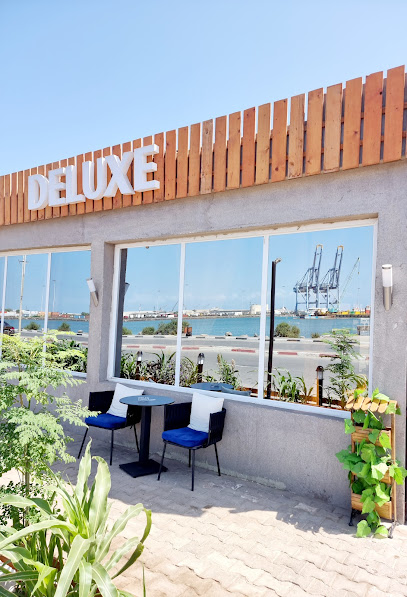
Restaurant LE RIFT
0.6 km
Experience exquisite dining at Restaurant LE RIFT in Djibouti – where local flavors meet international culinary artistry.
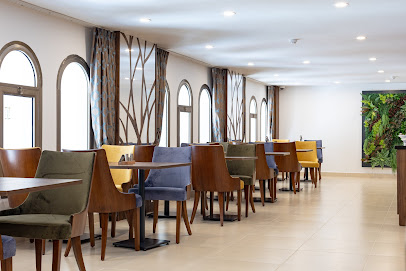
VOGUE DJIBOUTI
0.6 km
Discover unparalleled fine dining at Vogue Djibouti - where exquisite flavors meet elegant ambiance for a memorable culinary journey.
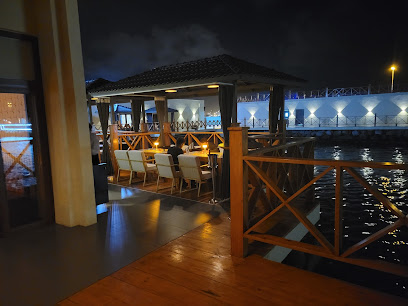
Moonlight Restaurant
0.6 km
Experience the vibrant flavors of Djibouti at Moonlight Restaurant – where local cuisine meets international delights.
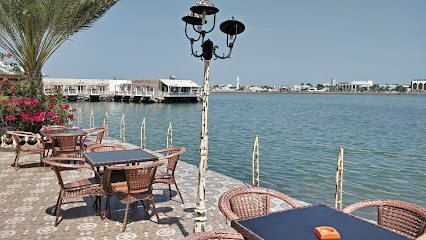
Markets, malls and hidden boutiques

Toko Palais
0.4 km
Explore Toko Palais, a vibrant store in Djibouti offering local crafts, textiles, and gourmet delicacies that celebrate the rich heritage of the region.

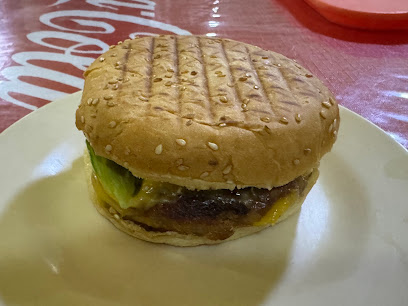
Djib-Burger & restaurant
0.4 km
Experience the delicious fusion of local flavors and fast food favorites at Djib-Burger & Restaurant in Djibouti.
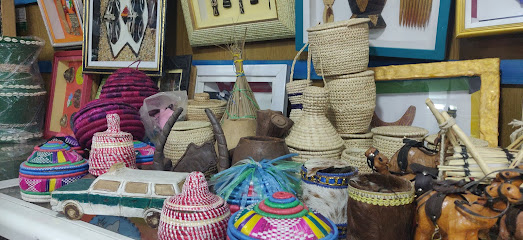
Magasin Chez Farah
0.4 km
Explore Djibouti's Magasin Chez Farah for unique gifts and authentic local crafts that capture the spirit of this vibrant region.
Nomads In The Kitchen
0.6 km
Explore Djibouti's vibrant fashion scene at Nomads In The Kitchen: unique accessories that embody local culture and style.
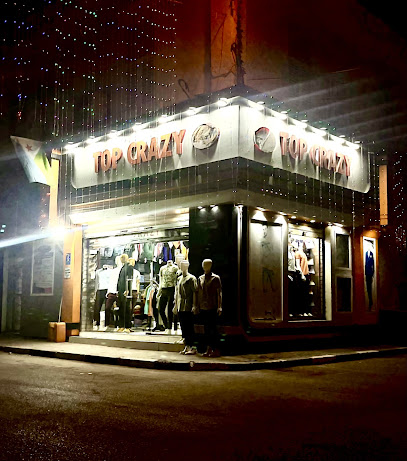
magasin Top crazy
0.6 km
Discover a unique blend of local craftsmanship and modern fashion at Top Crazy, a premier clothing store in vibrant Djibouti.
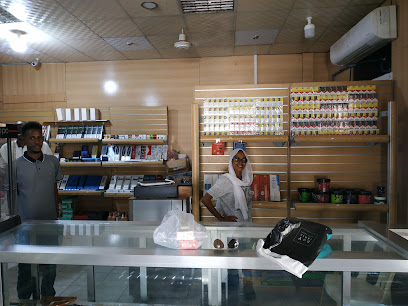
Maison du tabac
0.6 km
Discover local flavors at Maison du Tabac, the grocery store in Djibouti offering authentic snacks and ingredients for a true taste of the region.
S&H The Beauty Box Djibouti
0.6 km
Explore the ultimate health and beauty haven in Djibouti, offering premium products and expert services for every traveler.

Arta électronique
0.6 km
Explore Arta Électronique in Djibouti for a unique blend of modern electronics and local culture that reflects the heart of the region.
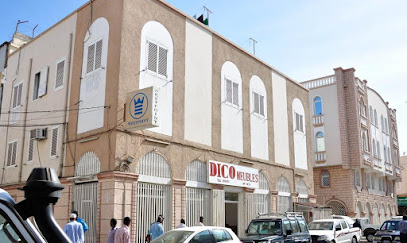
DICO MEUBLES / CHEZ DICO
0.6 km
Explore DICO MEUBLES in Djibouti for exquisite furniture and electronics, offering a diverse selection to meet all your home and office needs.
MAGASIN LE BONHEUR PRET A PORTER
0.6 km
Explore the vibrant fashion scene at Magasin Le Bonheur Prêt à Porter, a premier clothing store in Djibouti, offering unique styles and local flair.
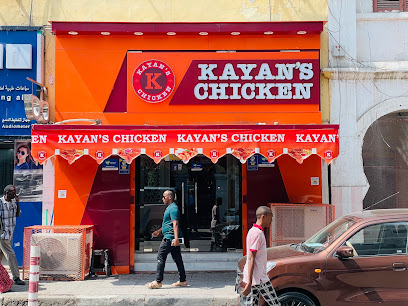
Kayan”s chicken
0.6 km
Savor the authentic flavors of Djibouti at Kayan's Chicken, where succulent dishes and a warm atmosphere await food lovers.
New Electronic Shop
0.7 km
Discover the latest electronics and gadgets at the New Electronic Shop in Djibouti, where technology meets affordability.
Magaisin AlMagd Mouti
0.7 km
Explore the vibrant styles of Djibouti at Magaisin AlMagd Mouti, where tradition meets contemporary fashion in a colorful shopping experience.
Ets Djama Omar Said
0.7 km
Explore the cultural richness and local craftsmanship at Ets Djama Omar Said, a must-visit store in the heart of Djibouti.
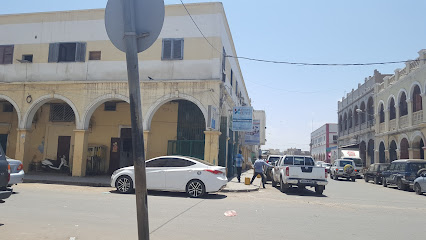
Hands Jewelry
0.7 km
Explore the exquisite craftsmanship of local artisans at Hands Jewelry in Djibouti, where unique fashion accessories await every traveler.
Essential bars & hidden hideouts

Scotch djibouti
0.3 km
Experience the vibrant nightlife at Scotch Djibouti, where local culture meets lively ambiance and quality drinks await.
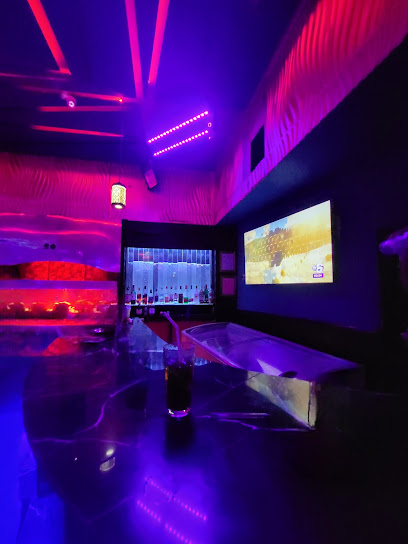
CAFE IN
0.4 km
Experience the vibrant culture of Djibouti at this charming cafe, offering delicious local flavors and a welcoming atmosphere for all travelers.
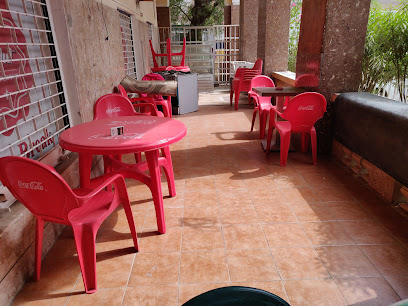
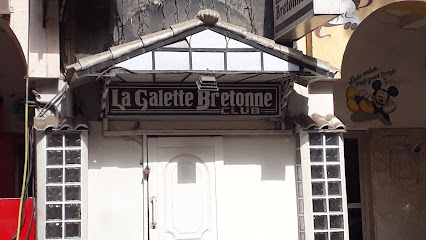
La Galette Bretonne
0.5 km
Explore the vibrant nightlife at La Galette Bretonne, Djibouti's premier night club for music, dance, and unforgettable experiences.
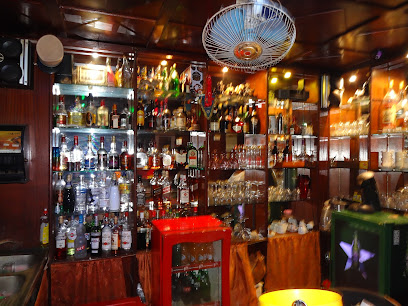
Pub Palmier Zink
0.5 km
Experience the vibrant nightlife of Djibouti at Pub Palmier Zink, where local culture meets refreshing drinks in a lively atmosphere.
Club Hermes
0.5 km
Discover the energetic nightlife of Djibouti at Club Hermes, a top night club offering vibrant music, delicious drinks, and a lively atmosphere.
Nightclubs & after hour spots

Ambassador
0.4 km
Dive into the pulsating nightlife of Djibouti at Ambassador Night Club, where music, dance, and vibrant energy come together for an unforgettable evening.
ROYAL PLAZA Hotel
0.6 km
Discover the Royal Plaza Hotel, where exceptional comfort meets the vibrant culture of Djibouti, perfect for relaxation and exquisite dining.
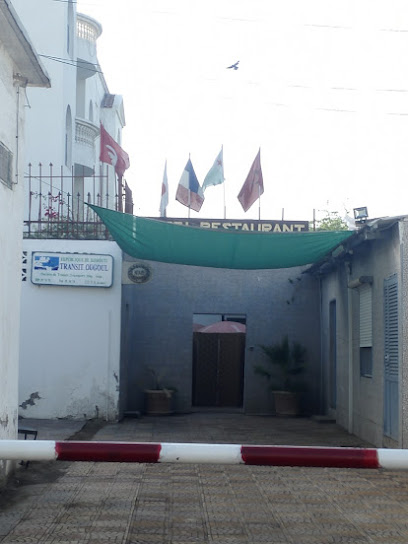
B B S Lounge (Bar By Sing's)
1.0 km
Discover the vibrant nightlife at B B S Lounge in Djibouti, where diverse drinks and shisha create an unforgettable evening atmosphere.
Sheraton Djibouti
1.2 km
Experience unparalleled luxury at Sheraton Djibouti, your premier destination for business and leisure in the heart of Djibouti.
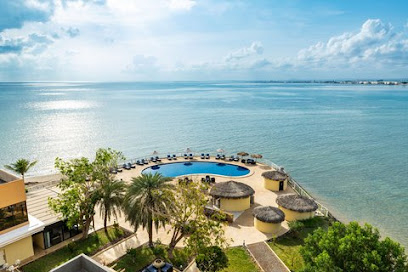
Crystal Lounge Sheraton Djibouti
1.2 km
Discover the elegance of Crystal Lounge Sheraton Djibouti, a perfect blend of local flavors and international cuisine in a chic setting.