
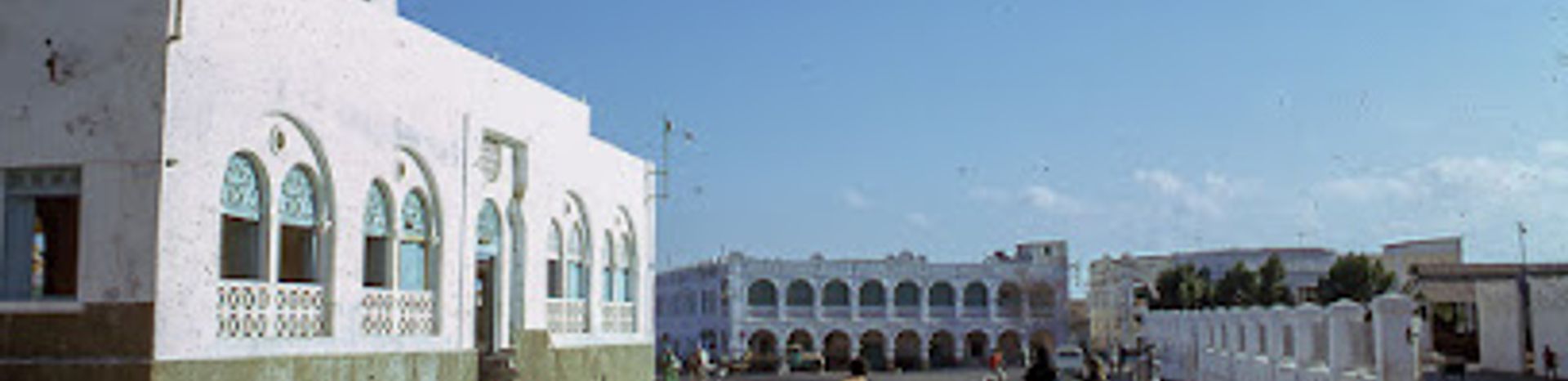
Al-Hamoudi Mosque: A Symbol of Faith in Djibouti City
Discover the Al-Hamoudi Mosque in Djibouti City: a historic landmark showcasing Islamic architecture and cultural significance in the heart of the capital.
The Al-Hamoudi Mosque, built in 1906 by a Yemeni merchant, stands as a testament to Djibouti's Islamic heritage. Located in the heart of Djibouti City near Place Mahmoud Harbi, its Abbassid architectural style and towering minaret make it a prominent landmark and a central place of worship for up to 1,000 people.
A brief summary to Mosquée Al-Hamoudi
- H4RW+V9X ville, Djibouti, DJ
- +25377865774
Local tips
- Visit during non-prayer times to respectfully explore the mosque's exterior and surroundings.
- Dress modestly when visiting the area out of respect for local customs.
- Explore the nearby Place Mahmoud Harbi and local markets for a taste of Djiboutian culture.

Getting There
-
Walking
The Al-Hamoudi Mosque is located in the center of Djibouti City, near Place Mahmoud Harbi, making it easily accessible on foot from many central locations. From the city center, simply walk towards the distinctive minaret. No costs are involved.
-
Public Transport
Public transportation in Djibouti City consists mainly of minibuses. These privately owned minibuses operate throughout the city and stop at main intersections. A ride on a public minibus typically costs around 75 DJF. State your destination clearly when boarding, as many drivers may not speak English or French.
-
Taxi
Taxis are readily available in Djibouti City. They can be flagged down on the street or arranged through your hotel. A short taxi ride around the city center should cost approximately 500-1,000 DJF, but it's advisable to negotiate the fare before starting your journey. Keep in mind that prices may increase at night.
Discover more about Mosquée Al-Hamoudi
Iconic landmarks you can’t miss

Place Rimbaud
0.1 km
Experience the vibrant heart of Djibouti City at Place Rimbaud, a bustling marketplace and transportation hub where culture and commerce collide.

Place mahmoud harbi
0.1 km
Experience the vibrant heart of Djibouti City at Place Mahmoud Harbi, a bustling hub of commerce, culture, and transportation, offering an authentic glimpse into local life.
Hotel Ali Sabieh
0.2 km
Discover comfort and local charm at Hotel Ali Sabieh, your ideal base for exploring the vibrant culture and stunning landscapes of Djibouti.
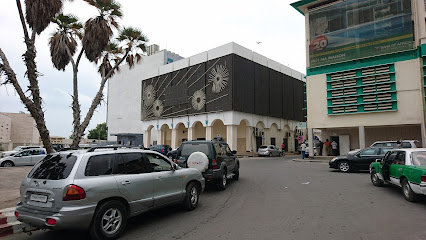
Godoria Shop
0.2 km
Discover unique fashion where modern style meets traditional flair at Godoria Shop in Djibouti. A curated collection for every taste and occasion.
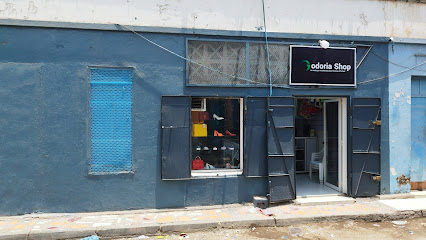
مكتب الحيمي جيبوتي ETS Alhaimi Service Djibouti
0.2 km
Explore the corporate charm of Djibouti at ETS Alhaimi Service, where exceptional service meets local warmth in the heart of the city.
Royal Palace Djibouti
0.2 km
Discover the Royal Palace of Djibouti, a blend of modern and traditional architecture, serving as a cultural and historical landmark in the city center.
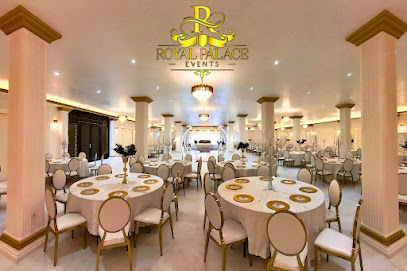
Menelik Hotel
0.3 km
Discover the historical charm and comfort of Menelik Hotel, your perfect base for exploring the vibrant culture of Djibouti.
Djibouti's National Tourist Office
0.3 km
Your gateway to exploring Djibouti's unique landscapes, vibrant culture, and unforgettable adventures in the heart of the Horn of Africa.
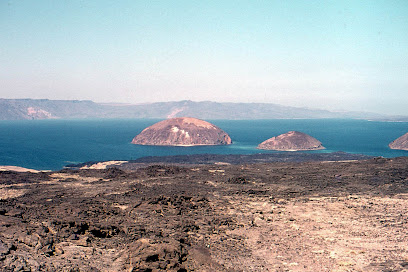
Parking Place Menelik
0.3 km
Discover the heart of Djibouti with convenient parking at Menelik Parking, your gateway to vibrant streets and cultural experiences.
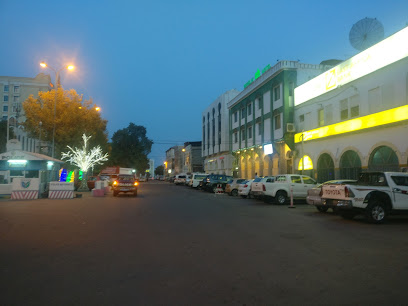
Plein Ciel Hôtel
0.3 km
Experience a comfortable stay in the heart of Djibouti City at Plein Ciel Hôtel, with convenient access to local attractions and essential amenities.
Restaurant La Chaumière
0.3 km
Experience Asian & European cuisine in a cozy, chalet-style setting. A Djibouti dining landmark on Rue de Foucauld.
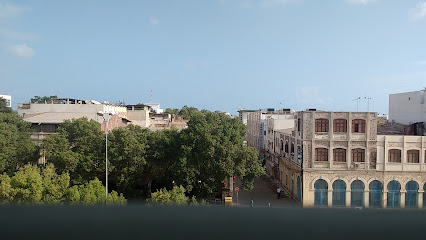
Restaurant L'Historil
0.3 km
Experience the vibrant flavors of East Africa at Restaurant L'Historil in Djibouti City, where traditional cuisine meets a warm atmosphere, creating a memorable culinary journey.
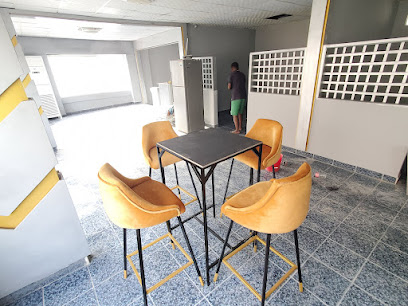
Atlantic Hotel
0.4 km
Discover comfort and local charm at Atlantic Hotel, your ideal base for exploring the vibrant city of Djibouti.
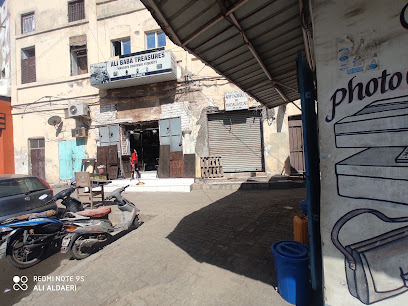
علي بابا - Ali Baba
0.4 km
Discover Djibouti's past at Ali Baba, an antique store on Rue de Bender offering a diverse collection of historical relics, traditional textiles, and handcrafted jewelry.
Residence Lagon Bleu
0.4 km
Experience comfort and convenience at Residence Lagon Bleu, your ideal base for exploring the vibrant city of Djibouti and its cultural treasures.
Unmissable attractions to see

Ahmed nasser
0.2 km
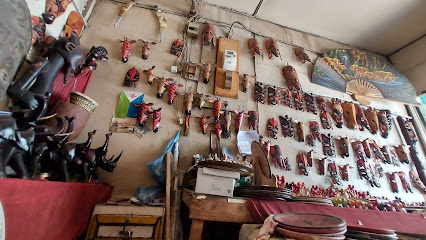
Explore the Ahmed Nasser Museum in Djibouti for an enriching journey through the region's fascinating history and diverse cultural heritage.
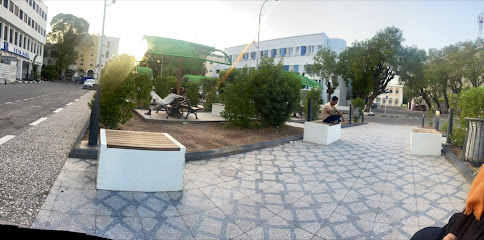
Jardin Public
0.4 km
Explore Jardin Public, a lush green park in Djibouti, perfect for relaxation, picnics, and enjoying local culture amidst beautiful surroundings.
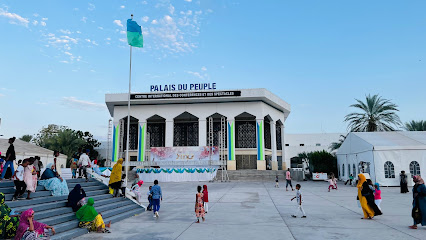
The People's Palace
0.8 km
Explore The People's Palace, a historical landmark in Djibouti, where culture and history come alive for every traveler seeking to understand the past.
Republic
0.9 km
Explore the natural beauty and tranquility of Republic Park in Djibouti, a perfect escape for relaxation and cultural connection.
Tour de garde de sécurité de la plage de Siesta
1.1 km
Discover the historic Tour de Garde de Sécurité de la Plage de Siesta in Djibouti, where stunning views meet rich maritime heritage.
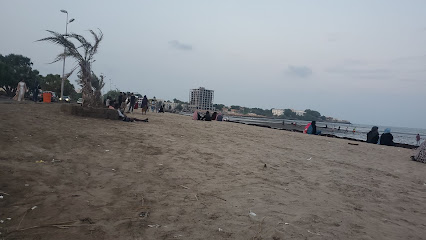
Q cinq
1.1 km
Explore the serene beauty of Q Cinq Park in Djibouti, a perfect retreat for nature lovers and those seeking tranquility amidst the bustling city.
Phare de Venice
1.3 km
Discover the stunning Phare de Venice lighthouse in Djibouti, a picturesque landmark offering breathtaking views and a glimpse into the region's maritime heritage.
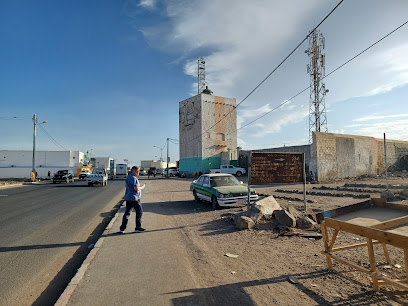
Café de la Gare
1.5 km
Experience exquisite French cuisine at Café de la Gare, Djibouti's premier dining destination for travelers seeking culinary excellence.
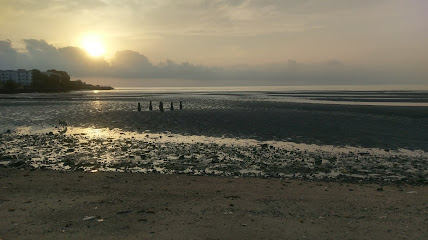
Stade
1.7 km
Explore the tranquility of Stade Park in Djibouti, a lush retreat perfect for relaxation and family outings amidst nature's beauty.
Serpent
1.8 km
Discover the tranquility of Serpent Park, a serene oasis in Djibouti where nature and relaxation come together.
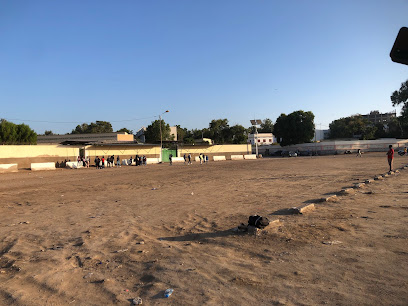
Carre Beach or Tritton Beach
2.0 km
Experience the serene beauty and vibrant beach volleyball culture at Carre Beach, Djibouti's must-visit coastal paradise.
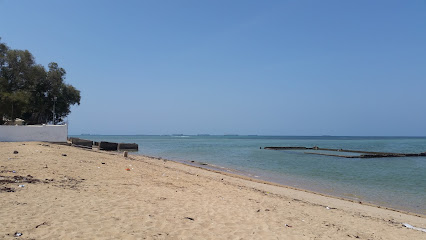
Makka Al Moukarama
2.0 km
Explore the serene Makka Al Moukarama Park in Djibouti, a perfect blend of nature and tranquility for every visitor.
Dolphin Excursions Djibouti
2.8 km
Embark on an unforgettable underwater adventure with Dolphin Excursions Djibouti, where vibrant marine life meets stunning coastal beauty.
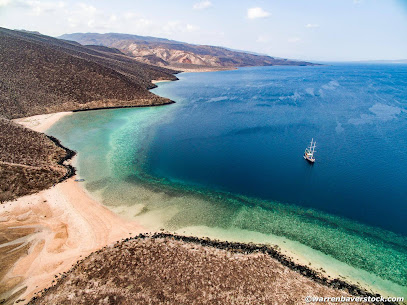
Ilot du Heron
3.2 km
Discover the serene beauty of Ilot du Heron, an enchanting island off Djibouti's coast, ideal for relaxation, adventure, and nature exploration.
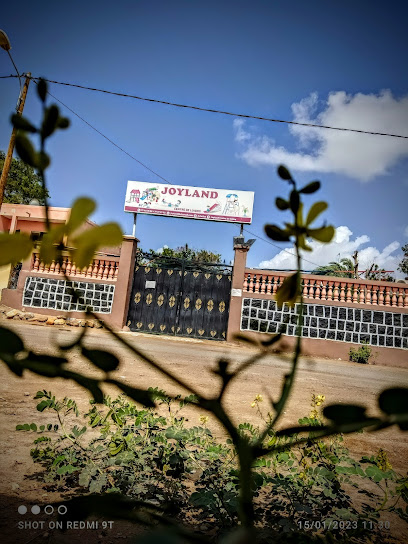
JOYLAND Centre de Loisirs
3.9 km
Explore Joyland Centre de Loisirs, Djibouti's favorite park for relaxation, recreation, and family fun amidst beautiful natural surroundings.
Essential places to dine

Restaurant La Terrasse مطعم تراس بن ماضي
0.1 km
Experience authentic Ethiopian flavors at Restaurant La Terrasse in Djibouti, where vibrant dishes meet warm hospitality.
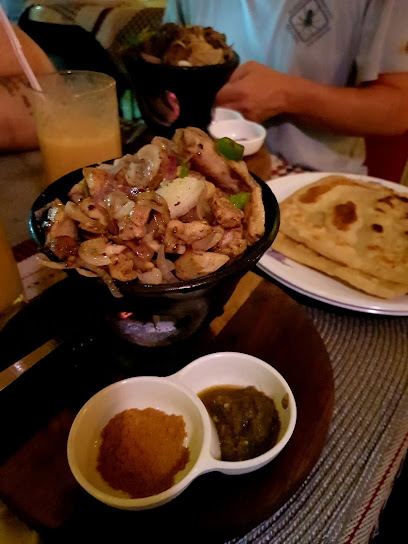
Restaurant du Royaume de Saba - Kingdom of Sheba Restaurant
0.1 km
Experience authentic Ethiopian cuisine at Restaurant du Royaume de Saba in Djibouti—where every meal is a celebration of flavor and culture.
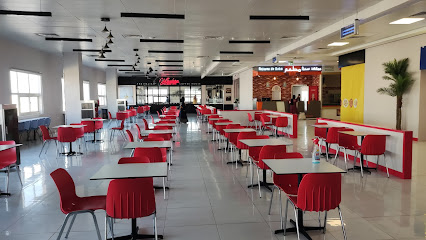
Restaurant Nil Bleu
0.1 km
Discover the culinary gem of Djibouti at Restaurant Nil Bleu – where local flavors meet international flair in an inviting atmosphere.
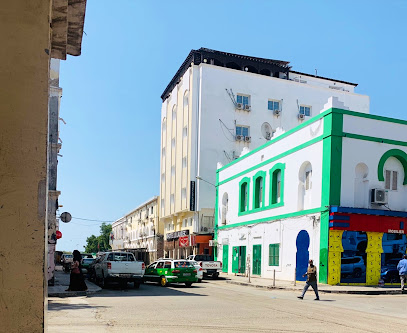
Restaurant la Fontaine
0.1 km
Discover authentic Djiboutian cuisine blended with international flavors at Restaurant la Fontaine.
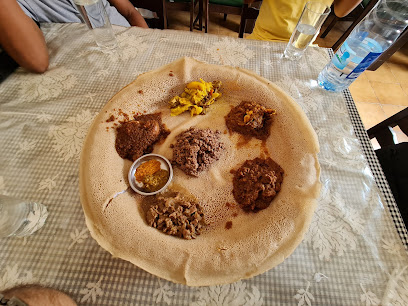
Sanaa Restaurant
0.1 km
Discover the authentic taste of Yemenite cuisine at Sanaa Restaurant in Djibouti—where flavor meets tradition.
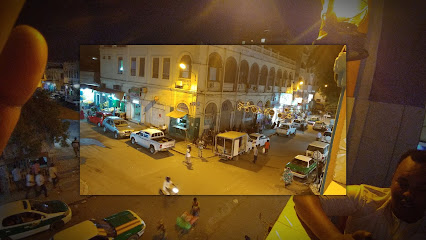
Sun Café
0.2 km
Experience the vibrant culinary scene at Sun Café in Djibouti with delicious local dishes and warm hospitality.
Al-Baraka Restaurant Seafood
0.2 km
Experience authentic Djiboutian seafood at Al-Baraka Restaurant - where fresh flavors meet fast service.
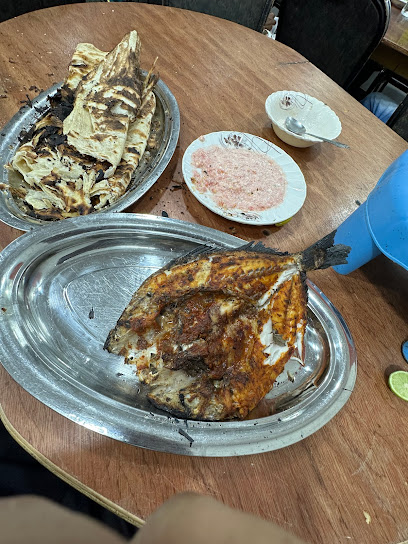
AL-MOUNIR RESTAURANT/CAFE
0.2 km
Discover authentic Djiboutian cuisine at Al-Mounir Restaurant/Cafe, where local flavors meet warm hospitality for an unforgettable dining experience.
Restaurant Pince Café
0.2 km
Discover Pince Café in Djibouti - where local flavors meet a cozy atmosphere perfect for relaxation and enjoyment.
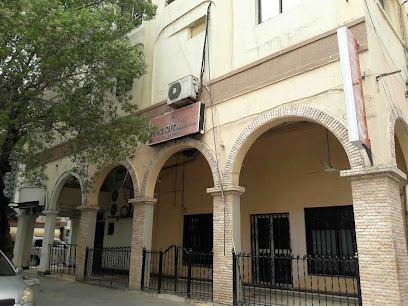
Les Sables Blancs
0.3 km
Experience culinary excellence at Les Sables Blancs in Djibouti - where local flavors meet international cuisine in a delightful setting.
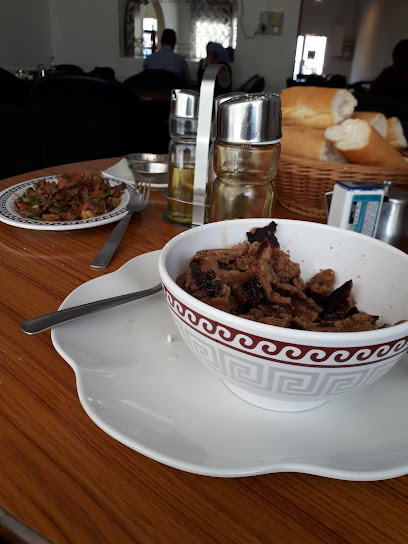
Restaurant Randa
0.3 km
Discover authentic Djiboutian flavors at Restaurant Randa - a culinary haven for tourists seeking unique dining experiences.
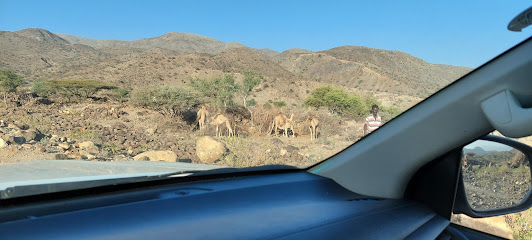
MOUKBASA CHEZ ABDI
0.3 km
Experience the best of Djibouti's fast food scene at MoukBasa Chez Abdi - where local flavors meet quick bites.
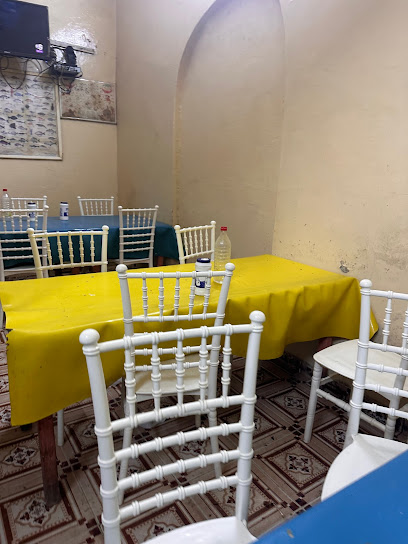
Restaurant LE RIFT
0.3 km
Experience exquisite dining at Restaurant LE RIFT in Djibouti – where local flavors meet international culinary artistry.
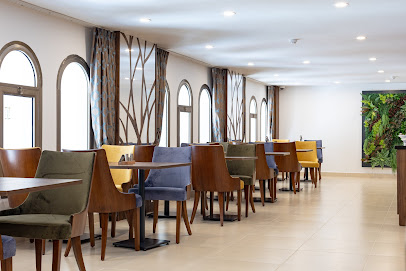
Restaurant hol-lholl
0.3 km
Experience authentic Djiboutian flavors at Restaurant hol-lholl, where culinary traditions meet warm hospitality in a cozy setting.
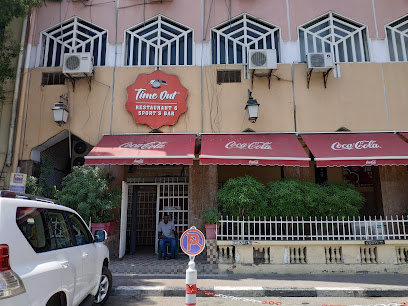
Timeout Restaurant and Sport Bar
0.3 km
Experience the vibrant flavors of Djibouti at Timeout Restaurant and Sport Bar, where delicious food meets lively sports entertainment.
Markets, malls and hidden boutiques

Offer Boutique
0.0 km
Explore Djibouti's vibrant fashion scene at Offer Boutique, where local culture meets contemporary style in a charming shopping experience.
Centre Commercial Hammody
0.0 km
Experience the vibrant shopping and dining at Centre Commercial Hammody, a must-visit mall in Djibouti that blends local culture with modern retail.
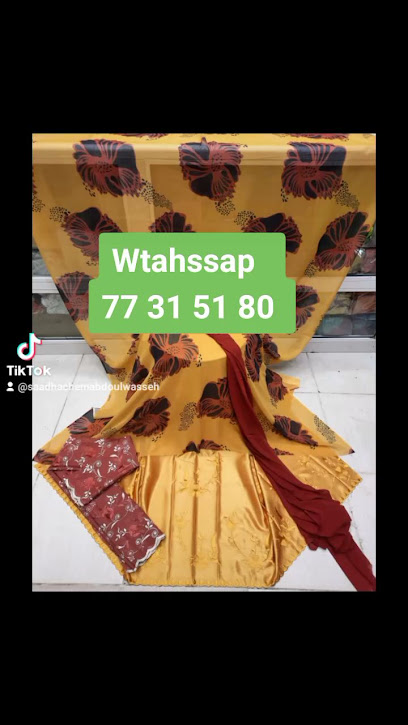
CHAWQI ALMANSOOB
0.1 km
Discover authentic local goods and immerse yourself in the vibrant culture at Chawqi Almansoob in Djibouti.
ALMOUKTAR PERFUMES
0.1 km
Discover the enchanting world of scents at Almouktar Perfumes in Djibouti, a unique shopping experience celebrating local and international fragrances.
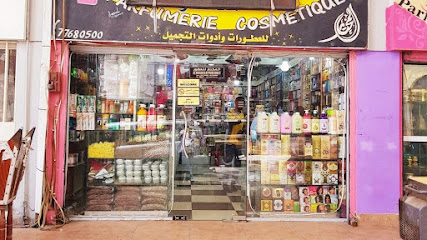
محل بلاك ان وايت - Black And White Store
0.1 km
Discover the essence of Djiboutian fashion at Black And White Store, a must-visit clothing boutique for stylish travelers.
GIFTSTORY
0.1 km
Explore GIFTSTORY in Djibouti for exquisite floral designs and unique gifts that capture the beauty of nature.
Boutique Harbi
0.1 km
Explore the unique offerings of Boutique Harbi, where local crafts meet stylish fashion in the heart of Djibouti.
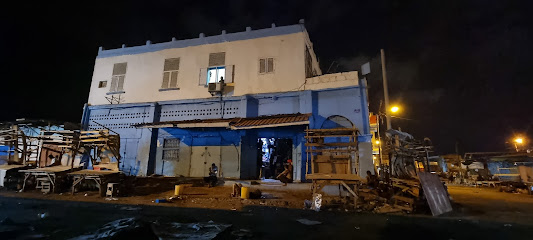
EST. Abdallah Abdoulatif Et Fils
0.1 km
Explore the vibrant fashion scene of Djibouti at EST. Abdallah Abdoulatif Et Fils, where traditional elegance meets modern style in unique clothing.
Turki shop
0.1 km
Discover the vibrant fusion of tradition and modernity at Turki Shop in Djibouti, where every garment tells a story of cultural heritage.
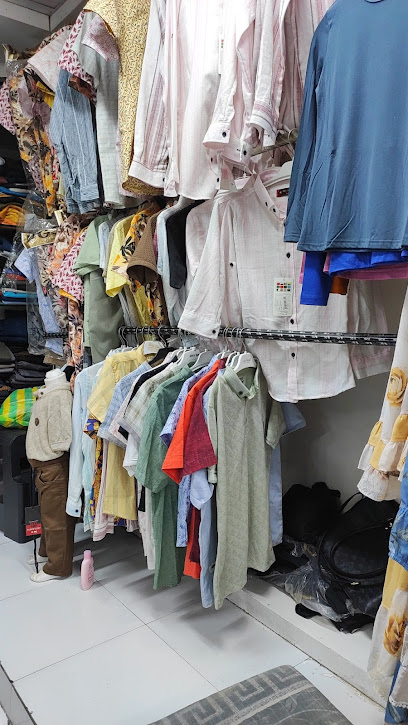
SIA store
0.1 km
Explore Abib's SIA Store for a unique shopping experience featuring trendy clothing and local fashion styles.
Rage Electronics
0.1 km
Discover the best in electronics at Rage Electronics, Djibouti's premier electronics store for household appliances and tech gadgets.

AGSA عبد الجبار سعيد
0.1 km
Explore the vibrant fashion scene at AGSA عبد الجبار سعيد, a must-visit clothing store in Djibouti showcasing local designs and styles.
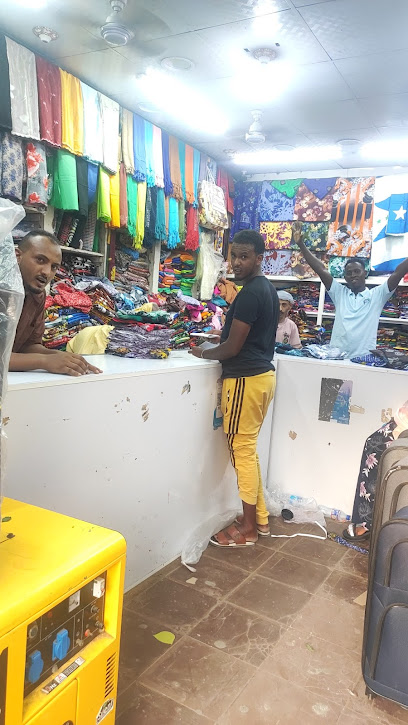
Sympa Shop
0.2 km
Explore Sympa Shop in Djibouti for unique clothing styles that blend local culture with contemporary fashion trends.

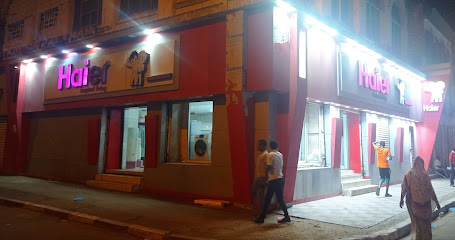
MAGASIN HAIER
0.2 km
Discover the diverse offerings at MAGASIN HAIER, Djibouti's top shopping destination for electronics and essentials.
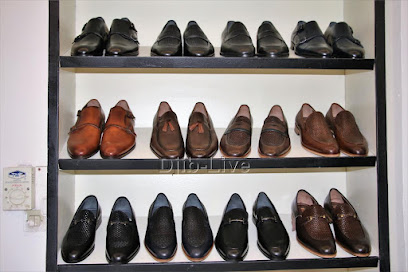
LE TAILOR
0.2 km
Explore the finest in bespoke tailoring and stylish garments at Le Tailor, Djibouti's premier clothing store for fashion enthusiasts.
Essential bars & hidden hideouts

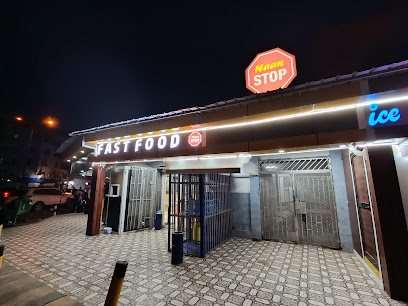
NAAN STOP RESTAURANT
0.2 km
Discover the best of Djibouti's fast food scene at Naan Stop Restaurant, where local flavors meet quick service for an unforgettable dining experience.
Club Hermes
0.3 km
Discover the energetic nightlife of Djibouti at Club Hermes, a top night club offering vibrant music, delicious drinks, and a lively atmosphere.
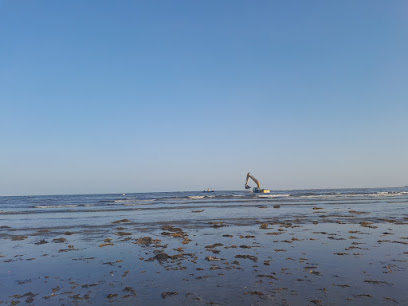
Pub Palmier Zink
0.3 km
Experience the vibrant nightlife of Djibouti at Pub Palmier Zink, where local culture meets refreshing drinks in a lively atmosphere.
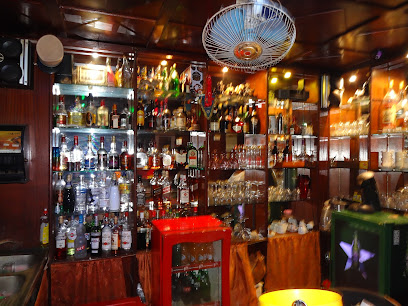
La Galette Bretonne
0.4 km
Explore the vibrant nightlife at La Galette Bretonne, Djibouti's premier night club for music, dance, and unforgettable experiences.
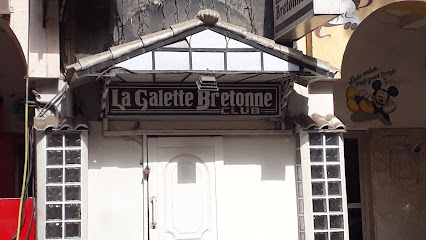
Kokeb Star Restaurant
0.4 km
Discover the authentic flavors of Ethiopia at Kokeb Star Restaurant, where culture and cuisine come together in Djibouti.
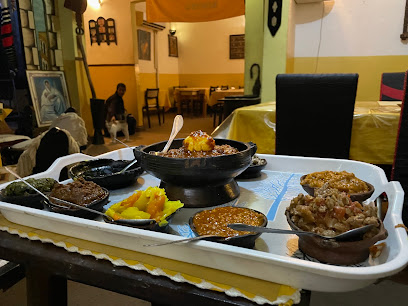
Le Kintz
0.4 km
Discover the vibrant flavors of Djibouti at Le Kintz, a culinary haven offering a delightful mix of local and international cuisine.
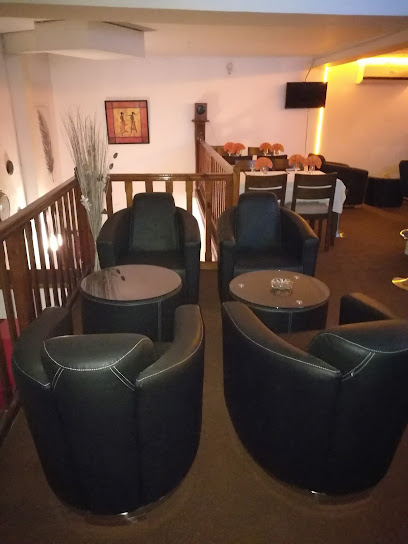
CAFE IN
0.5 km
Experience the vibrant culture of Djibouti at this charming cafe, offering delicious local flavors and a welcoming atmosphere for all travelers.
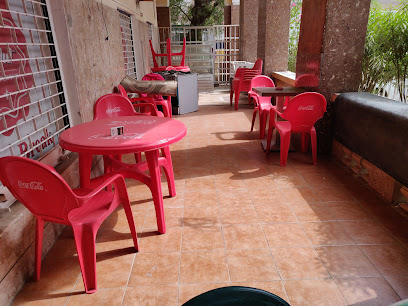
Scotch djibouti
0.5 km
Experience the vibrant nightlife at Scotch Djibouti, where local culture meets lively ambiance and quality drinks await.
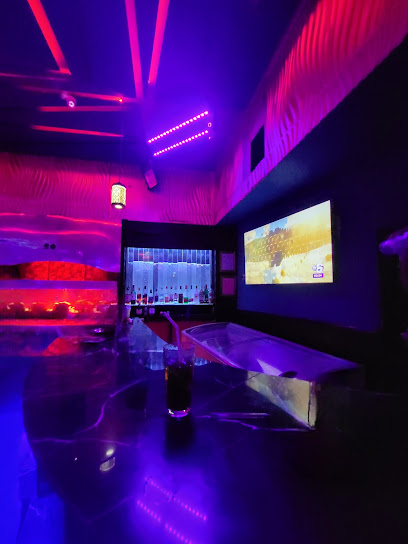
Moonlight Restaurant
1.0 km
Discover the culinary delights of Djibouti at Moonlight Restaurant, where local flavors meet international cuisine in a vibrant atmosphere.
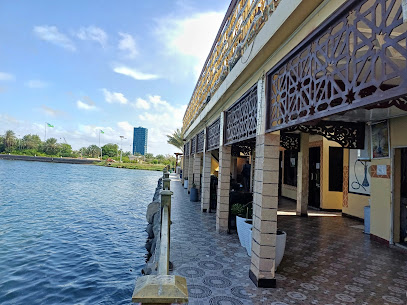
Nightclubs & after hour spots

ROYAL PLAZA Hotel
0.3 km
Discover the Royal Plaza Hotel, where exceptional comfort meets the vibrant culture of Djibouti, perfect for relaxation and exquisite dining.
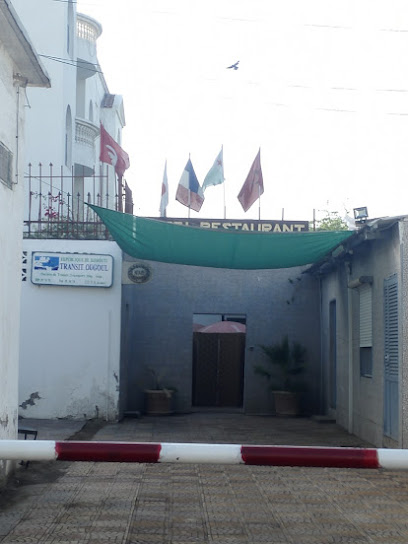
Ambassador
0.4 km
Dive into the pulsating nightlife of Djibouti at Ambassador Night Club, where music, dance, and vibrant energy come together for an unforgettable evening.
Djib-Dance
1.7 km
Explore the vibrant dance culture in Djibouti at Djib-Dance, where every step brings you closer to the local beat.

Crystal Lounge Sheraton Djibouti
1.7 km
Discover the elegance of Crystal Lounge Sheraton Djibouti, a perfect blend of local flavors and international cuisine in a chic setting.
Sheraton Djibouti
1.7 km
Experience unparalleled luxury at Sheraton Djibouti, your premier destination for business and leisure in the heart of Djibouti.
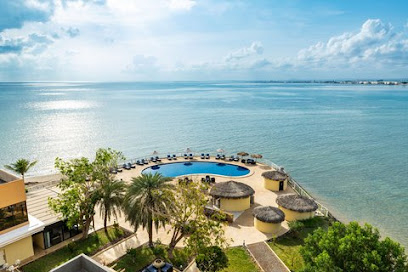
B B S Lounge (Bar By Sing's)
1.8 km
Discover the vibrant nightlife at B B S Lounge in Djibouti, where diverse drinks and shisha create an unforgettable evening atmosphere.


