Giza, Egypt, Cairo Travel Guide
Explore the majestic Giza pyramids and the Sphinx, testaments to ancient Egyptian ingenuity and pharaohs' beliefs, a journey through time.
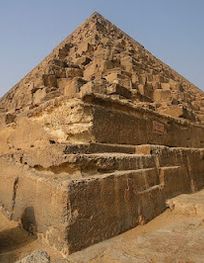
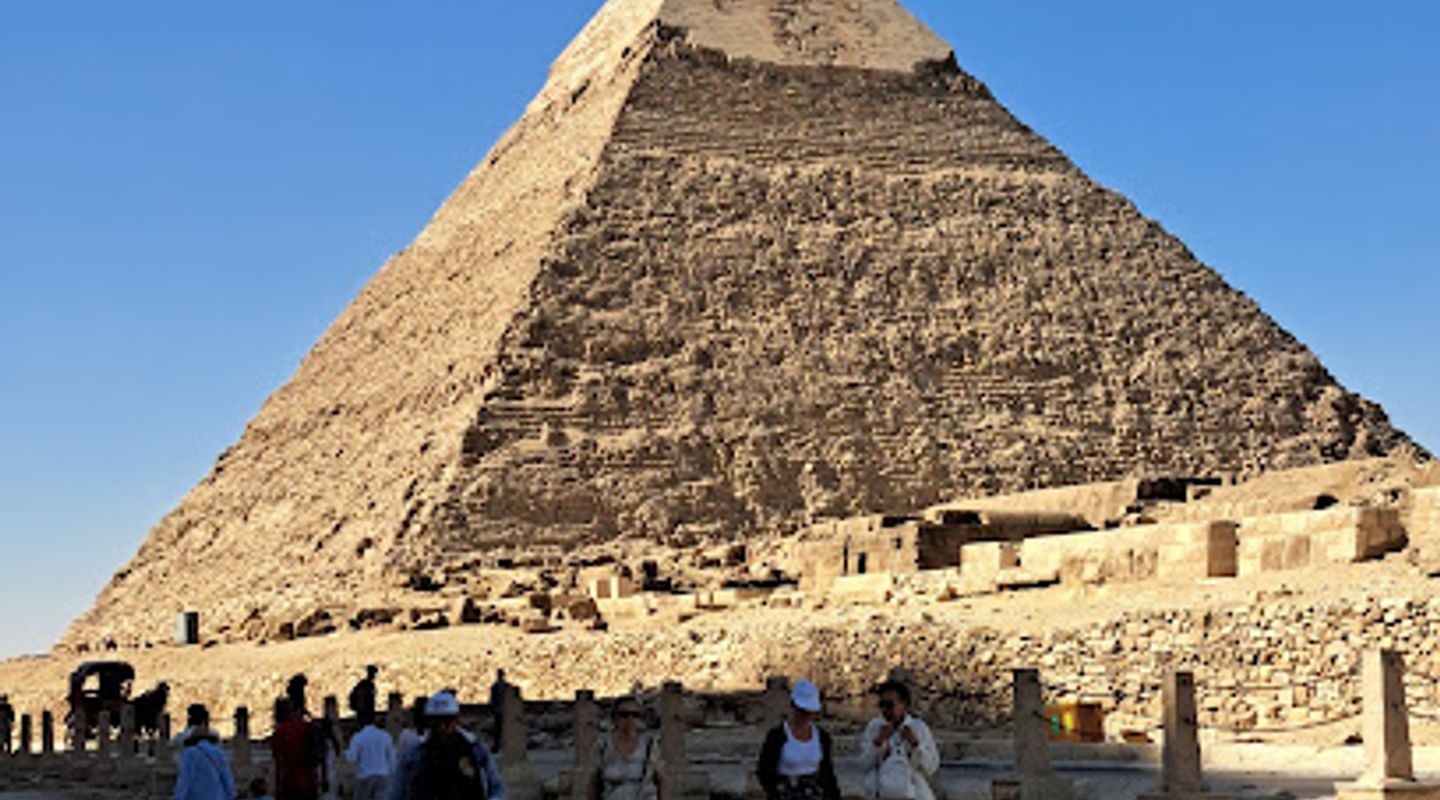
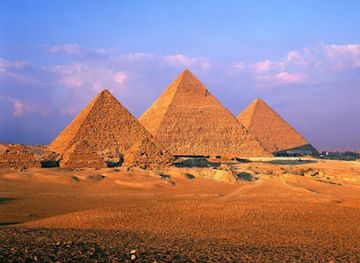
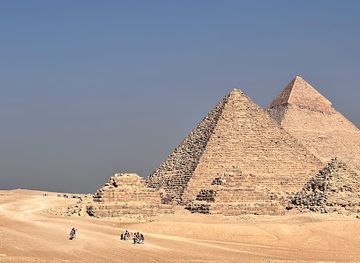
Giza, Egypt, is famed for the Giza pyramid complex, an ancient necropolis encompassing the iconic Great Pyramid of Giza, the Pyramid of Khafre, the Pyramid of Menkaure, and the Great Sphinx. These structures, testaments to ancient Egyptian civilization, have captivated visitors for millennia and offer insights into the pharaohs' beliefs about the afterlife.
A brief summary to Giza, Egypt
- 234Q+G5P, Pyramids Hill Rd, Al Haram, Giza Governorate, EG

Know before you go
Hi, I'm Eve. Here are a few practical things to know before exploring Giza, Egypt.
- Arrive early to beat the crowds and the heat, especially during peak season.
- Wear lightweight, breathable clothing, sturdy shoes, and a hat to protect yourself from the desert sun.
- Stay hydrated by bringing water, as the desert sun can be unforgiving.
- Be wary of scams and stick to official guides and vendors to avoid inflated prices or dubious services.
- Consider visiting during the cooler months (October to April) for a more comfortable experience.
Do you manage this location?
Take control to get all the benefits, like improved information, better appearance, and stronger visibility across AI-powered discovery. Learn more about listing your business on Evendo
Activate your presenceOther nearby places you may find interesting
The closest places of the same kind, if this one is not quite what you had in mind.
Explore Giza, Egypt on the Map
A handpicked selection of must-see spots near Giza, Egypt, mapped for you.
Getting There
-
Public Transport
From Cairo city center, the most budget-friendly option is to take the Metro Line 1 to Giza station. From Giza station, take a microbus or taxi to the Giza Necropolis, approximately 15 minutes away. The bus fare is around LE 4. A taxi from Giza station to the pyramids will cost approximately LE 70, but be prepared to bargain.
-
Taxi/Ride-sharing
Taxis and ride-sharing services like Uber or Careem are readily available in Cairo. A ride from downtown Cairo to the Giza Pyramids typically takes 30-35 minutes. Expect to pay around LE 70-250, depending on the distance, traffic, and time of day. Confirm the fare with the driver before starting your journey or check the Uber/Careem app for upfront pricing.
-
Driving
If driving from central Cairo, head west on El Tahrir, cross Gezira Island, and take Charles de Gaulle onto Al Haram. Follow Al Haram and Khatem El-Morsaleen to El-Malek Fouad, then turn left onto Haret Eizis to reach the Sphinx entrance. Parking is available near the Great Pyramid entrance (near the Marriott Mena House Hotel) and the Sphinx entrance. Parking charges cost approximately EGP 5 per hour. Be aware that traffic can be heavy, and parking spaces may be limited, especially during peak season.
Discover more about Giza, Egypt













Your all‑in‑one travel companion app
Explore expert travel guides, compare and book tours, experiences, hotels, and more—all from the palm of your hand. Download now for seamless trip planning wherever your wanderlust takes you.


Explore More of Cairo
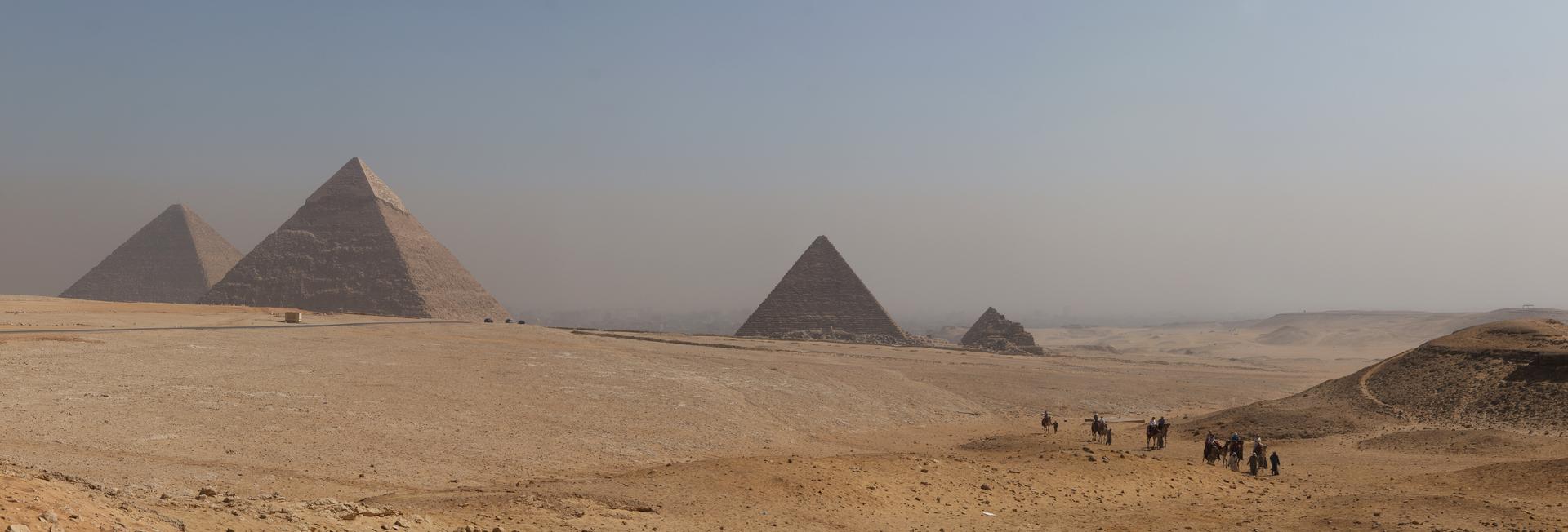
Looking beyond Giza, Egypt? Discover Cairo for broader travel guides, local hot-spots, and regional highlights.
Explore Cairo