

Bab al-Futuh, Cairo Travel Guide
Free Guide: Explore Bab al-Futuh, a historic Cairo gate showcasing Fatimid military architecture and a glimpse into Egypt's rich past.


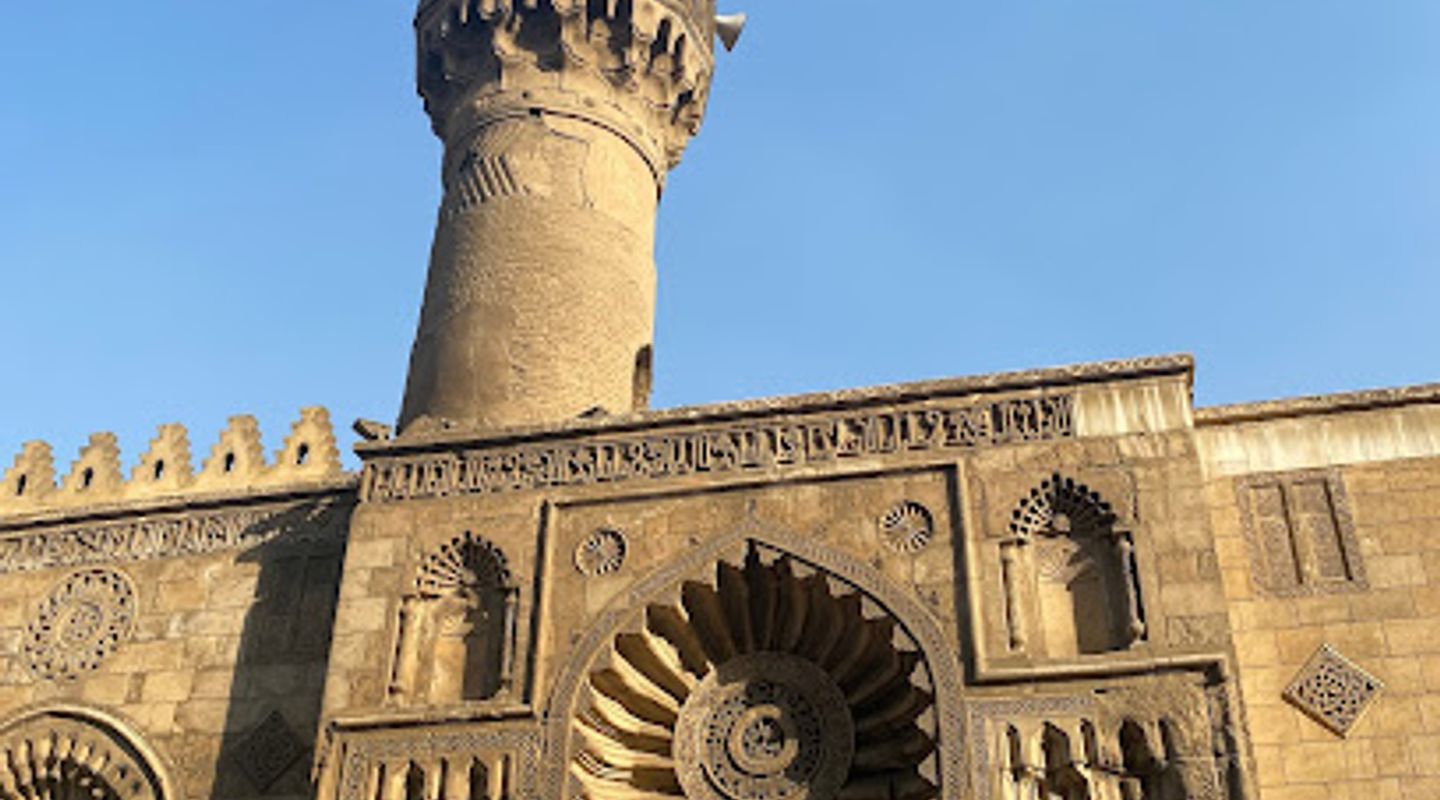
A brief summary of Bab al-Futuh
Explore Bab al-Futuh, a historic Cairo gate showcasing Fatimid military architecture and a glimpse into Egypt's rich past.
Bab al-Futuh, or the 'Gate of Conquest,' is one of the three remaining gates of the old city walls of Cairo, Egypt. Built in 1087 during the Fatimid period, it stands as a remarkable example of Islamic military architecture.
Opening hours
- Every dayOpen 24 hours
Opening hours as listed on the venue’s Google Business Profile. Hours can change for services and special events, so check with the venue before you go.
- Address
- El-Gamaleya, El Gamaliya, Cairo Governorate 4331601
- Phone
- Website
Getting there
Public Transport
Taxi/Ride-Sharing
Walking
Discover more about Bab al-Futuh
Overview
Bab al-Futuh, meaning 'Gate of Conquest,' is a historic gate located at the northern end of Al-Muizz Street in Cairo, Egypt. Constructed in 1087 during the Fatimid Caliphate, it is one of the three remaining gates from the original city walls, along with Bab al-Nasr and Bab Zuwayla. Commissioned by Vizier Badr al-Gamali under Caliph al-Mustansir, Bab al-Futuh replaced an earlier gate and was initially named Bab al-Iqbal, or 'Gate of Prosperity'. However, the name Bab al-Futuh persisted, reflecting its role as the gate through which armies passed on their way to conquest.The gate's architecture showcases the military innovations of the time. Unlike other gates, Bab al-Futuh features two rounded towers flanking the entrance, providing a stronger defensive structure. These towers incorporate defense chambers with arrow slits and shafts that once allowed defenders to pour boiling water or oil on attackers. The gate stands 22 meters (72 ft) tall and 23 meters (75 ft) wide, with the lower two-thirds built of solid stone and the upper third of rubble stone encased in dressed stone. The detailed stonework suggests the influence of Syrian or Byzantine architectural traditions.Inside the gate, a vaulted room once served as a gathering place for troops. A stone-carved molding adorns the upper facade, featuring a decorative pattern that became common in later Mamluk architecture. Although the gate itself lacks inscriptions, a nearby inscription in floriated Kufic can be found on the outer facade of the adjacent Al-Hakim Mosque. Bab al-Futuh offers visitors a glimpse into Cairo's rich history and the architectural prowess of the Fatimid era.
Evendo Review Centre
 Google
Guest reviews
Explore Bab al-Futuh on the map
A handpicked selection of must-see spots near Bab al-Futuh, mapped for you.
Get your free copy of our complete guide to Bab al-Futuh, delivered straight to you.
Everything on this page, from opening hours and how to get there to Eve’s tips and the best time to go, in one PDF you can read offline, print or share.
Already have an account? Sign in
Your Bab al-Futuh guide is ready.
We'll send it to · Not you? Sign out

Getting your guide ready…
We are putting together a fresh copy of the Bab al-Futuh guide. This can take up to a minute.
This can take a few moments. If your browser asks, choose Allow so the download can start. You'll find the guide in your Downloads folder.
Nothing happened? Download it again
Sorry, the guide is taking longer than usual. Please try again in a minute, or get it by email instead.
Unlock the best of Bab al-Futuh
Skip-the-line tickets, guided tours with entry, and walking tours of the area, booked in a few clicks.
 Tour with entry
Old Cairo Small-Group Historical Walking Tour with Street Food
from $32.68 Tour with entry
Cairo Walking Tour Historic, Islamic, and Street Food
from $33.25 Tour with entry
Private Shopping And Walking Tours To Old Markets And Local Souqs
from $38.00 Tour with entry
Medieval Cairo waling tour l Old City Tour from North to South Wall
from $47.50


Other nearby places you may find interesting
The closest places of the same kind, if this one is not quite what you had in mind.
-
-
-
-
-


Swipe for more places
More to explore near Bab al-Futuh

 Best experiences near Bab al-Futuh
 Best hotels near Bab al-Futuh
 Best landmarks near Bab al-Futuh
 Best attractions near Bab al-Futuh
 Best shops near Bab al-Futuh
 Best restaurants near Bab al-Futuh
 Best bars near Bab al-Futuh
Do you manage this location?
Take control to get all the benefits, like improved information, better appearance, and stronger visibility across AI-powered discovery.
Explore more

Explore more of Islamic Cairo
Discover the timeless allure of Islamic Cairo, where centuries-old mosques and bustling bazaars offer a captivating glimpse into Egypt's rich cultural heritage.
Explore Islamic Cairo
Explore more of Cairo
Discover Cairo: The timeless city where ancient wonders meet vibrant modern life, offering a rich cultural experience and unforgettable memories.
Explore Cairo
