
Background

Temple of Abidos: A Pilgrimage to Ancient Egypt's Underworld

Explore the Temple of Abidos, an ancient Egyptian marvel dedicated to Osiris, with stunning reliefs, the King List, and a rich history to discover.

4.8

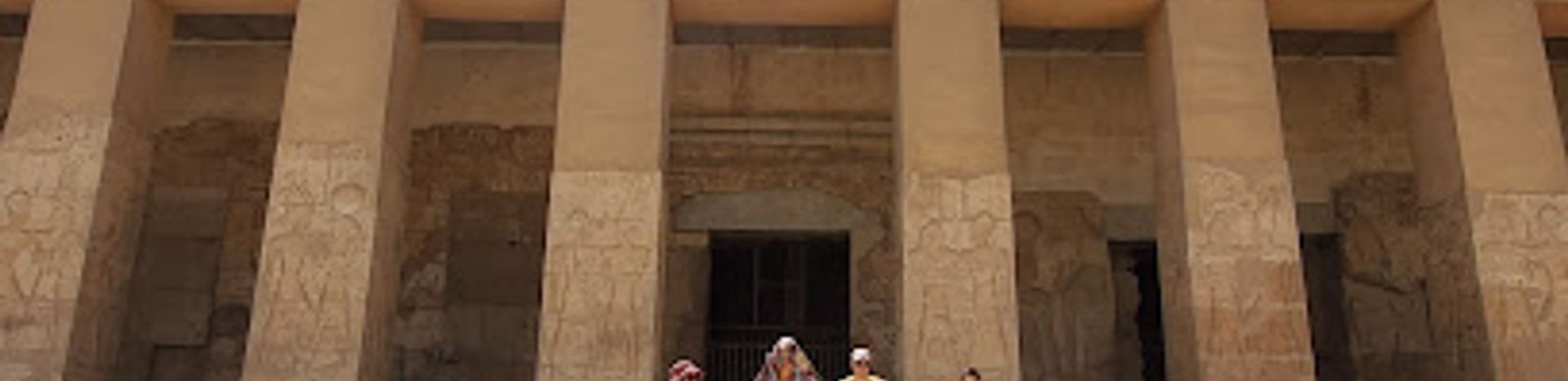
The Temple of Abidos, also known as the Great Temple of Seti I, is an ancient Egyptian temple located in Abydos, approximately 160 km north of Luxor. Built by Pharaoh Seti I and completed by his son Ramesses II around 1300 BC, it was dedicated to Osiris, the god of the afterlife, and is considered one of Egypt's most important religious sites.

A brief summary to Temple of Abidos

  • 5WM9+WH, El Balyana, Sohag Governorate, EG

Local tips

  • Arrive early in the morning to avoid crowds and experience the temple in a more peaceful atmosphere.
  • Hire a knowledgeable guide to fully appreciate the history and significance of the temple's intricate carvings and inscriptions.
  • Wear comfortable shoes, as there is a fair amount of walking involved in exploring the temple complex.
  • Bring water and sunscreen, as the temple is located in a desert environment and can get very hot.
  • Take your time to admire the well-preserved reliefs and hieroglyphs, which are among the finest examples of ancient Egyptian art.
widget icon

Getting There

  • Taxi

    From Sohag, taxis can be hired to reach the Temple of Abidos. The ride takes approximately 30 minutes and typically costs around 100 EGP. Confirm the fare before starting the journey.

  • Public Transport

    From Sohag, take a microbus to El Balyana for approximately 20 EGP. From El Balyana, a local taxi to the Temple of Abidos is about 20-30 EGP. Alternatively, a direct bus from Cairo to Sohag costs around 150 EGP.

Unlock the Best of Temple of Abidos

Buy tickets

    No tickets available

Book tours with entry

    No tours available

Book tours without entry

    No tours available

Discover more about Temple of Abidos

The Temple of Abidos, officially known as the Great Temple of Seti I, is a remarkable testament to ancient Egyptian artistry and religious beliefs. Located in Upper Egypt, about 160 kilometers north of Luxor, this temple was built around 1300 BC by Pharaoh Seti I and completed by his son Ramesses II. Abydos itself was a significant religious center, particularly associated with the cult of Osiris, the god of the afterlife, making the temple a vital pilgrimage site for ancient Egyptians who hoped to connect with the afterlife. The temple's unique L-shaped design sets it apart from other Egyptian temples. It features impressive hypostyle halls, sanctuaries dedicated to various deities including Osiris, Isis, Horus, Ptah, Re-Horakhty, Amun-Re, and Seti I himself, and the renowned Abydos King List. This list is a crucial historical record, chronicling the names of pharaohs and providing insights into dynastic succession. The intricate wall reliefs and hieroglyphic inscriptions are among the finest examples of ancient Egyptian art, showcasing scenes of religious rituals, pharaohs' relationships with the gods, and depictions of the afterlife. One of the temple's most intriguing features is the Osireion, believed to be a symbolic tomb of Osiris. This subterranean structure, constructed with massive stone blocks, reflects the ancient Egyptians' deep reverence for the afterlife and their elaborate funerary practices. The temple also houses hidden chambers and passages, adding to its mystique and offering glimpses into the complex rituals performed within its walls. Despite being less frequented than the temples of Luxor, the Temple of Abidos offers a unique and profound experience, allowing visitors to immerse themselves in ancient Egyptian history, art, and spirituality.

Popular Experiences near Temple of Abidos

Popular Hotels near Temple of Abidos

Select Currency