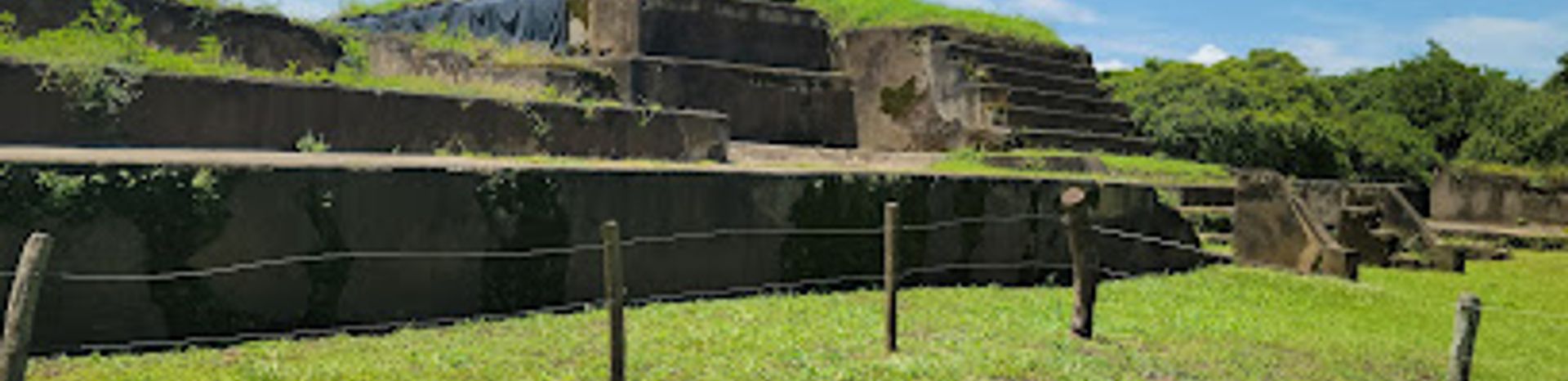
Parque Arqueológico San Andrés: Echoes of the Maya
Uncover El Salvador's Mayan past at Parque Arqueológico San Andrés, a captivating journey into pre-Columbian history and culture.
Explore the ruins of San Andrés, a significant Mayan city in El Salvador that thrived between 600 and 900 AD. Discover pyramids, plazas, and residential areas, offering a glimpse into the lives of the people who once inhabited this important regional capital.
A brief summary to Parque Arqueológico San Andrés
- RJ26+852, CA 1W, Opico, SV
- +50324556212
Local tips
- Wear appropriate clothing and shoes for walking on uneven terrain, and bring a hat and sunscreen, as the site can get hot.
- Visit the site museum to gain a deeper understanding of the history and significance of San Andrés before exploring the ruins.
- Bring your own food and drinks, although the site has a cafeteria where you can find water, soft drinks and snacks.

Getting There
-
Public Transport
From San Salvador, take the Ruta 201 bus towards Santa Ana from the Terminal de Occidente. Get off on the Carretera Panamericana after passing the turnoff to Opico. The archaeological park is located a short distance from the highway. The bus fare is approximately $1-2.
-
Taxi
From Opico, a taxi ride to Parque Arqueológico San Andrés will cost approximately $5. Ensure the driver is familiar with the location before starting your journey.
Discover more about Parque Arqueológico San Andrés
Iconic landmarks you can’t miss

Restaurante Las Palmeras
17.3 km
Enjoy traditional Salvadoran cuisine with breathtaking views of Lago de Coatepeque at Restaurante Las Palmeras. A perfect family dining experience.
Rancho Alegre Coatepeque
17.3 km
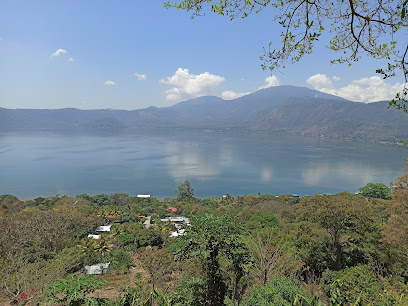
Experience authentic Salvadoran cuisine with stunning lake views and fun activities at Rancho Alegre Coatepeque in El Congo.
La Octava Maravilla Restaurante & Bar
17.4 km
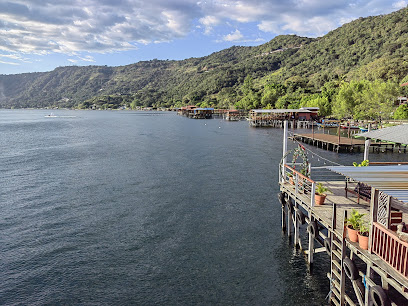
Experience culinary delights and breathtaking views at La Octava Maravilla Restaurante & Bar, a true Salvadoran gem on the shores of Lake Coatepeque.
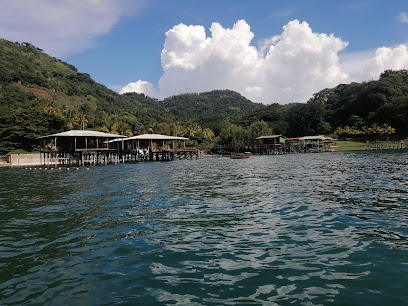
Paseo El Carmen
17.5 km
Experience the vibrant culture, cuisine, and nightlife of Santa Tecla at Paseo El Carmen, a colorful and lively pedestrian promenade.
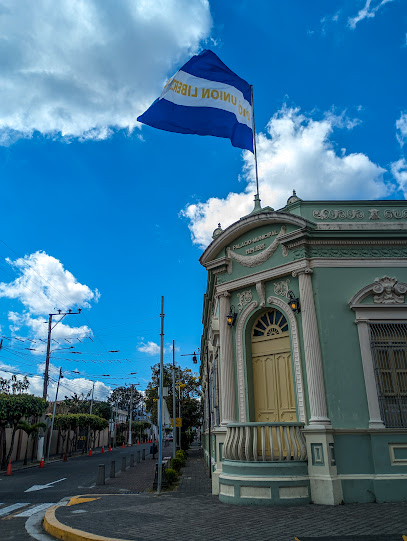
Mirador Lago de Coatepeque
18.1 km
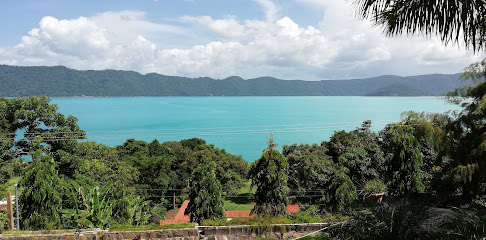
Experience breathtaking panoramic views of Coatepeque Lake from this must-visit El Salvador viewpoint. Perfect for photos and relaxation.

Plaza Oriental Republic of Uruguay
18.2 km
Find serenity in San Salvador at Plaza Oriental Republic of Uruguay, a peaceful park in Colonia Escalon perfect for relaxation and reflection.
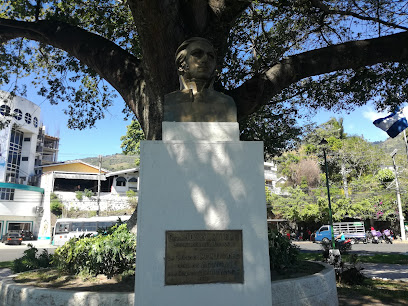
Cardedeu Hotel
18.6 km
Relax and explore the beauty of Lake Coatepeque from the unique and eco-friendly Cardedeu Hotel in El Salvador.
Masferrer Roundabout
18.6 km
Escape the city bustle at Masferrer Roundabout, a green oasis in San Salvador offering tranquility and cultural charm.
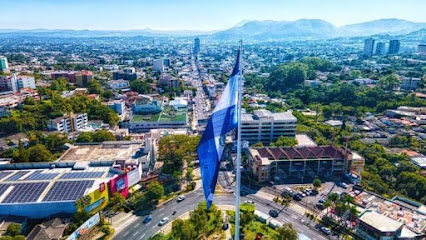
La Pampa Restaurant
18.6 km
Experience authentic Argentinian cuisine with breathtaking views at La Pampa Restaurant in El Congo, El Salvador. A culinary delight!
El Salvador Tourism
18.6 km
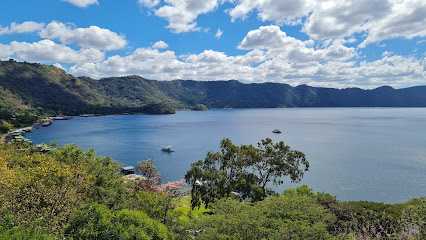
Uncover the beauty of El Salvador with expert-led tours that showcase its stunning landscapes and rich cultural heritage, making your travel experience unforgettable.
Isla Teopán
19.0 km
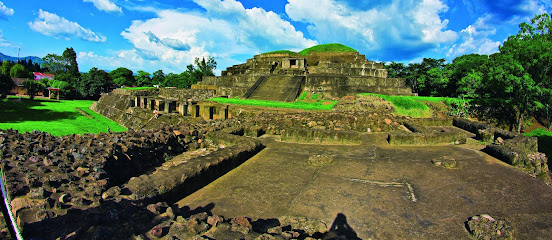
Discover Isla Teopán: A serene island escape on El Salvador's Lake Coatepeque, rich in history and natural beauty.
Plaza Futura
19.1 km
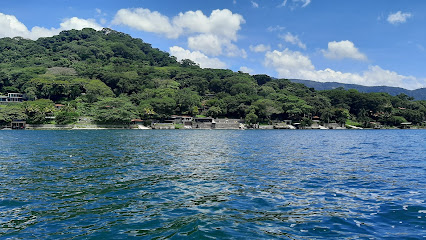
Experience the lively atmosphere of Plaza Futura, San Salvador's premier shopping destination with diverse dining and entertainment options.
Best Western Plus Hotel Terraza
19.5 km
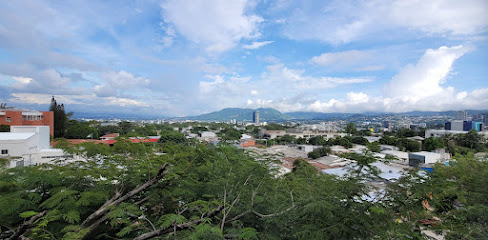
Experience comfort and convenience at Best Western Plus Hotel Terraza, your ideal base for exploring the vibrant city of San Salvador.
EC TOURS EL SALVADOR
19.7 km
Explore El Salvador's beauty, culture, and history with EC Tours, your trusted partner for unforgettable travel experiences.
Restaurante Solsticio
19.7 km
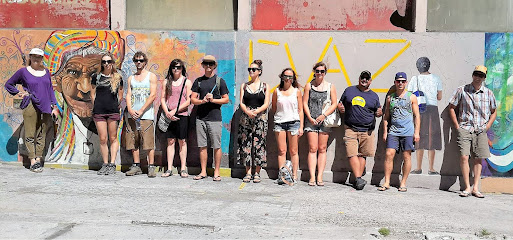
Experience authentic Salvadoran cuisine with stunning lake views at Restaurante Solsticio in Santa Ana, El Salvador. Perfect for a serene getaway.
Unmissable attractions to see

Cementerio Joya de Cerén
4.6 km
Explore the serene Cementerio Joya de Cerén, a UNESCO World Heritage site that beautifully blends history and tranquility in El Salvador.
Parque Arqueológico Joya de Cerén
4.7 km
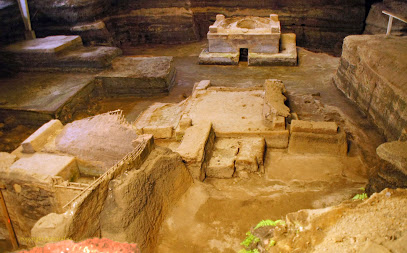
Discover the rich history of the Maya at Joya de Cerén, El Salvador's extraordinary archaeological site and UNESCO World Heritage Site.
Finca Lupo
4.7 km
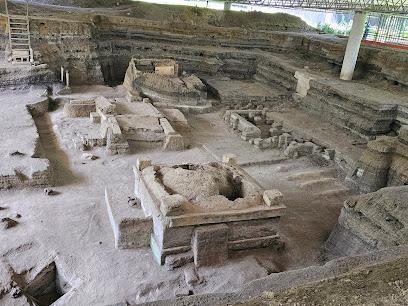
Experience the serene beauty and rich biodiversity of Finca Lupo in Lomas de Santiago, a tranquil destination for nature lovers and cultural explorers.
Museo de Joya de Cerén
4.7 km
Discover the rich heritage of El Salvador at Museo de Joya de Cerén, a UNESCO World Heritage site showcasing ancient life through remarkable artifacts.
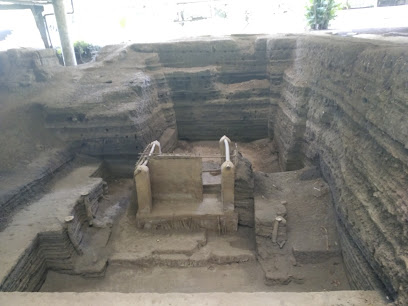
Laguna de Caldera
5.7 km
Explore the scenic beauty of Laguna de Caldera, a serene nature preserve in El Salvador offering breathtaking views and diverse wildlife experiences.
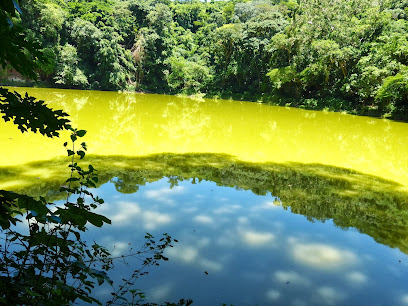
Peluche house
6.4 km
Explore the unique architecture and local culture at Peluche House, a captivating tourist attraction in Lourdes, El Limon.
Termos del Río
6.5 km
Experience the thrill of water slides and the joy of family fun at Termos del Río, Cdad. Arce's premier water park and amusement destination.
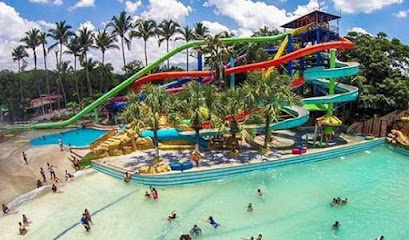
Oasis - Water and Recreational Park
7.0 km
Experience the ultimate family fun at Oasis - Water and Recreational Park in San Juan Opico, where adventure meets relaxation in a beautiful setting.
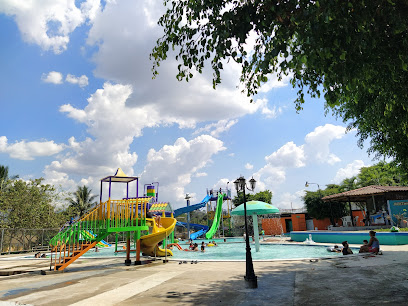
La libertad
7.8 km
Explore La Libertad, a serene park near Armenia, El Salvador, offering lush greenery, picnic spots, and a peaceful retreat into nature.
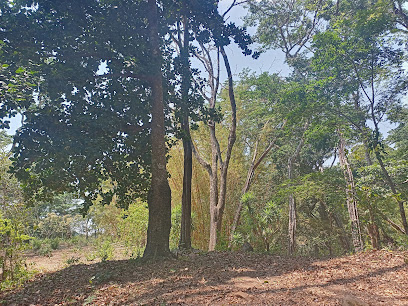
ANP El Jabalí
8.4 km
Explore the stunning natural beauty of ANP El Jabalí in Quezaltepeque, a tranquil escape for nature lovers and adventure seekers in El Salvador.
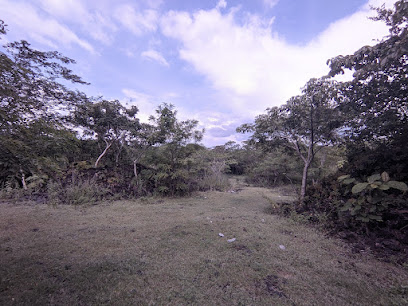
El Sirin el Ámate
8.9 km
Experience the natural beauty and cultural richness of El Sirin el Ámate in Valle Nuevo, a serene tourist attraction perfect for relaxation and exploration.
Los Chintos.
12.6 km
Discover Los Chintos, a captivating tourist attraction in Quezaltepeque, offering stunning landscapes and a glimpse into local traditions in El Salvador.
San Salvador Volcano
13.2 km
Explore the breathtaking San Salvador Volcano, a natural wonder with stunning views, rich biodiversity, and thrilling hiking adventures in El Salvador.
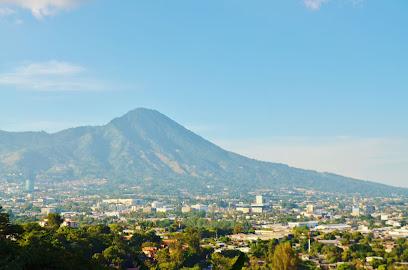
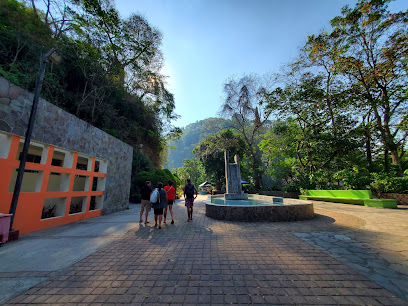
Parque Recreativo Los Chorros
13.9 km
Explore the lush landscapes and refreshing waters of Parque Recreativo Los Chorros, a must-visit water park in San Salvador for family fun and relaxation.
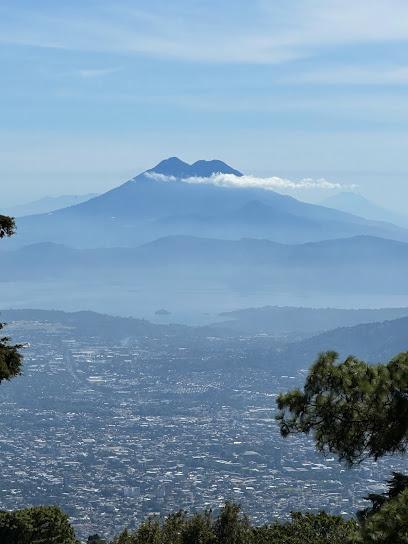
Parque Nacional El Boquerón
14.0 km
Discover the breathtaking beauty of Parque Nacional El Boquerón, a must-visit national park near Santa Tecla, El Salvador, featuring lush landscapes and stunning crater views.
Essential places to dine

Restaurante Palbau
4.3 km
Experience authentic Salvadoran cuisine at Restaurante Palbau in Joya de Ceren, where flavor meets tradition.
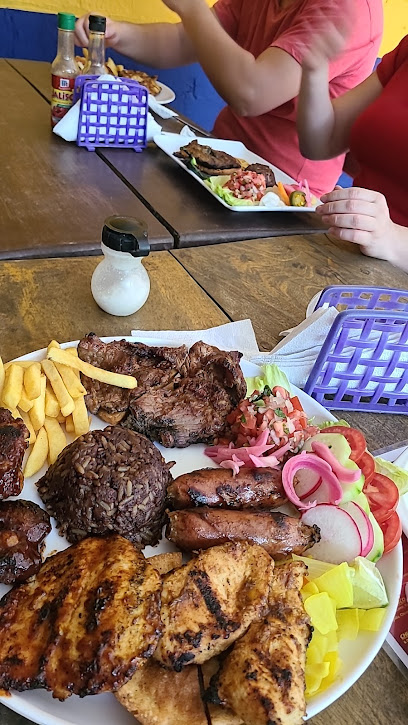
Aposento Garden
8.1 km
Discover the serene beauty and authentic flavors of Salvadoran cuisine at Aposento Garden—a perfect dining oasis for travelers.
Restaurante Finca San Cristóbal
14.7 km
Experience authentic Salvadoran cuisine amidst stunning landscapes at Restaurante Finca San Cristóbal in Santa Tecla.
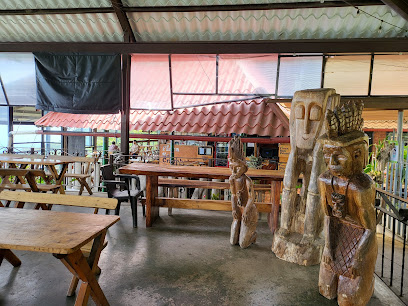
Mirador Anita
15.3 km
Experience authentic Salvadoran cuisine with breathtaking views at Mirador Anita in El Congo.
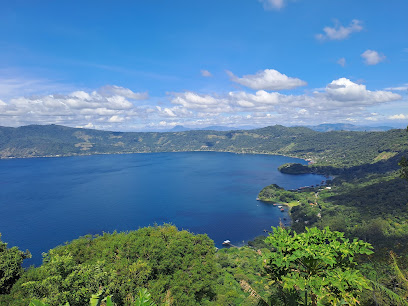
Linda Vista Garden
15.3 km
Discover tranquility at Linda Vista Garden - where nature meets culinary delight in Santa Tecla.
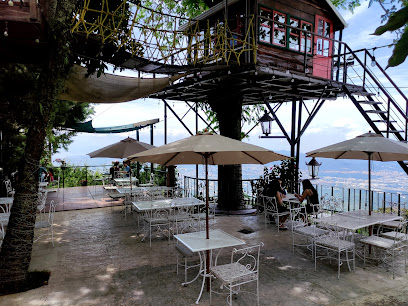
El Quijote Volcán
15.3 km
Discover delightful Salvadoran cuisine at El Quijote Volcán in Santa Tecla – where culinary excellence meets breathtaking views.
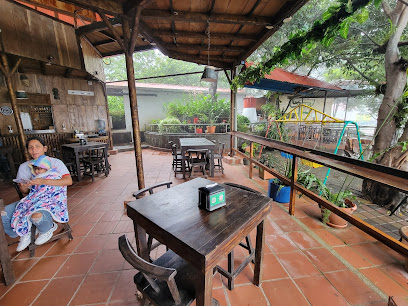
Las Brumas Grill & Cafe
15.4 km
Discover the flavors of El Salvador at Las Brumas Grill & Cafe - where local cuisine meets international flair in a cozy setting.
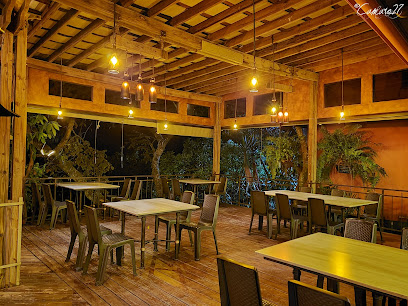
Restaurante Vista Lago
15.4 km
Experience exquisite dining at Restaurante Vista Lago in El Congo—where culinary delights meet breathtaking lake views.
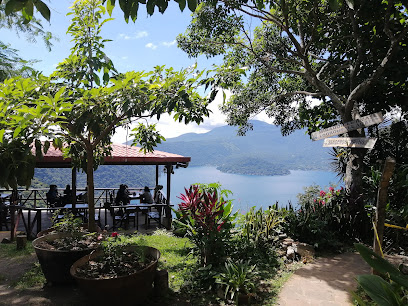
Picnic Steak House
15.4 km
Experience exceptional flavors at Picnic Steak House in Santa Tecla - where every meal is a culinary adventure.
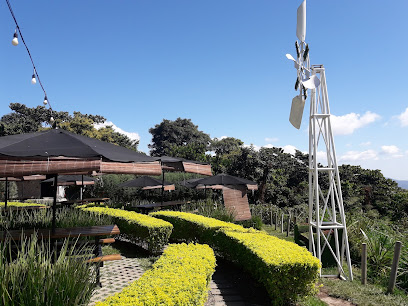
Restaurante Attika - Cafe & Cocina El Salvador
15.6 km
Experience authentic Salvadoran flavors at Restaurante Attika - Cafe & Cocina El Salvador with stunning views and delightful dishes.
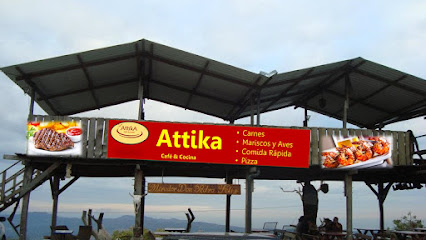
El Mirador de la Giralda | Live Music Restaurant, Events, Cabin, Birdwatching Nature Reserve
16.3 km
Discover exquisite dining amidst stunning landscapes at El Mirador de la Giralda—your perfect retreat for food and nature lovers.
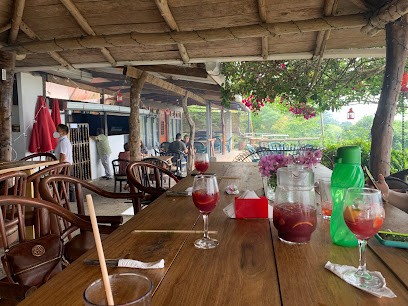
RESTAURANTE RANCHO ALEGRE 2
17.0 km
Experience authentic Salvadoran cuisine at Restaurante Rancho Alegre 2 with stunning lake views and a welcoming atmosphere.
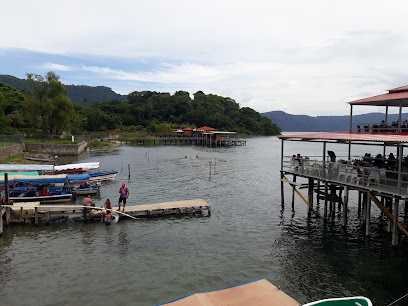
Restaurante Marlene
17.1 km
Experience exquisite dining at Restaurante Marlene by Lago de Coatepeque, where local flavors meet breathtaking views.
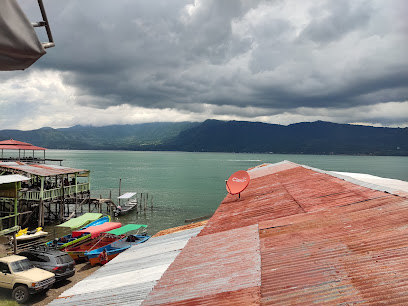
Restaurante Patricar
17.1 km
Experience authentic Salvadoran flavors at Restaurante Patricar near Lago de Coatepeque – a culinary delight in a stunning lakeside setting.
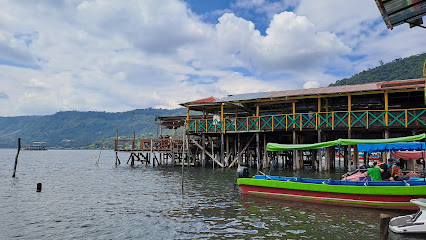
Mirador la pedrera
17.1 km
Discover exquisite local cuisine at Mirador La Pedrera while enjoying breathtaking views of Lago de Coatepeque in El Salvador.
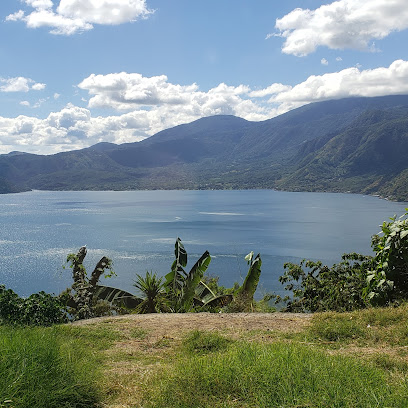
Markets, malls and hidden boutiques

Subli Store SV
2.5 km
Explore Subli Store SV in Sitio del Niño for unique gifts and authentic Salvadoran crafts that celebrate the local culture.
Tienda margarita
2.7 km
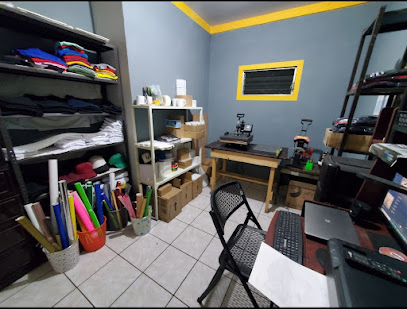
Discover the vibrant local culture at Tienda Margarita, where authentic Salvadoran crafts and souvenirs await in Lomas de Santiago.
Tienda Huesito
3.1 km
Experience the essence of El Salvador at Tienda Huesito, a captivating store in Nuevo Sitio del Nino filled with local treasures and warm hospitality.
Totos anime
3.5 km
Discover a vibrant world of anime collectibles at Totos Anime, San Juan Opico's premier gift shop for fans and enthusiasts.
Tienda anita
3.7 km
Explore Tienda Anita: A treasure trove of local crafts and traditional goods in Nuevo Sitio del Nino, El Salvador.
La percha ADN store
3.8 km
Discover the vibrant fashion and unique mold-making creations at La Percha ADN Store in Opico, El Salvador.

Tienda Sindi
3.8 km
Explore the vibrant culture of El Salvador at Tienda Sindi, your go-to store for authentic local treasures and unforgettable souvenirs.
Ciber LETTY
4.1 km
Discover exquisite home goods and unique Salvadoran craftsmanship at Ciber LETTY in San Juan Opico, a must-visit for every traveler.
STRAR SERVICE
4.1 km
Explore the ancient wonders of Joya de Ceren, a UNESCO World Heritage Site showcasing the vibrant Maya civilization in El Salvador.
Mini Tienda Ferher
4.2 km
Experience the vibrant culture of El Salvador at Mini Tienda Ferher, your go-to store for unique local goods and souvenirs in Joya de Ceren.
Agroservicio Joya de Ceren
4.3 km
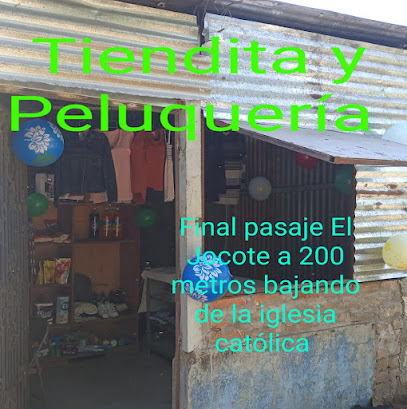
Discover Agroservicio Joya de Ceren: Your go-to hardware store for quality tools and materials in Joya de Ceren, El Salvador.
Tienda Katerin
4.4 km
Explore the authentic flavors of El Salvador at Tienda Katerin in Joya de Cerén, where local ingredients and culinary delights await.
Variedades Ebenezer
4.4 km
Discover Variedades Ebenezer in Nuevo Sitio del Nino for unique clothing and local crafts reflecting vibrant culture and style.
Tienda Sofía
4.4 km
Explore Tienda Sofía in Nuevo Sitio del Nino for authentic Salvadoran crafts, local foods, and unique souvenirs reflecting the region's vibrant culture.
Tienda Yamileth y Elizabeth
4.7 km
Explore the rich flavors of Russia at Tienda Yamileth y Elizabeth, a unique grocery store in San Juan Opico offering authentic Russian delicacies.
Essential bars & hidden hideouts

LA TABERNA DE TIRIZ
2.5 km
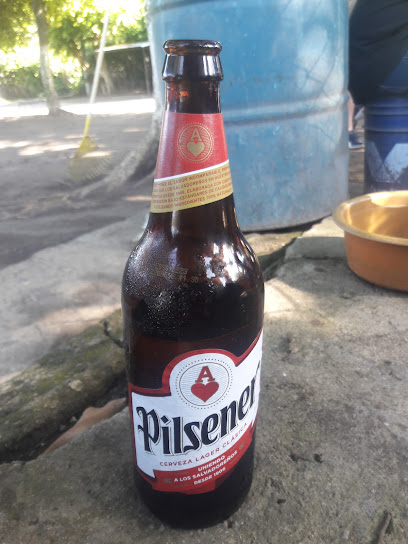
Discover the vibrant nightlife of Sitio del Niño at La Taberna de Tiriz, where friendly locals and delicious drinks await your arrival.
El Norteño Discotec Bar
2.7 km
Discover the vibrant nightlife at El Norteño Discotec Bar in Sitio del Niño, where great music and lively atmosphere come together for an unforgettable experience.

Sexy club bar
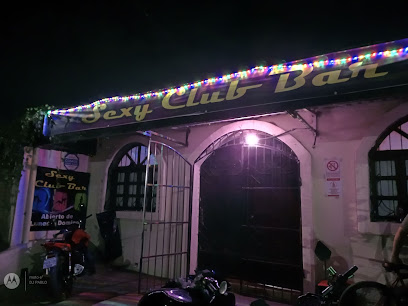
2.7 km
Discover the vibrant nightlife of Sitio del Niño at the Sexy Club Bar, a captivating girl bar filled with entertainment and local culture.
El peliguey
2.8 km
Experience the vibrant nightlife of Sitio del Niño at El Peliguey, where handcrafted cocktails and local culture create unforgettable moments.
El manguito bar
2.9 km
Discover El Manguito Bar in Sitio del Niño, where vibrant nightlife, delicious drinks, and local flavors come together for an unforgettable experience.
Los 3 búhos (Claudia)
2.9 km
Experience the vibrant local charm at Los 3 Búhos, a cozy bar in Sitio del Niño, perfect for sipping cocktails and mingling with locals.
K29 GASTROBAR
3.2 km
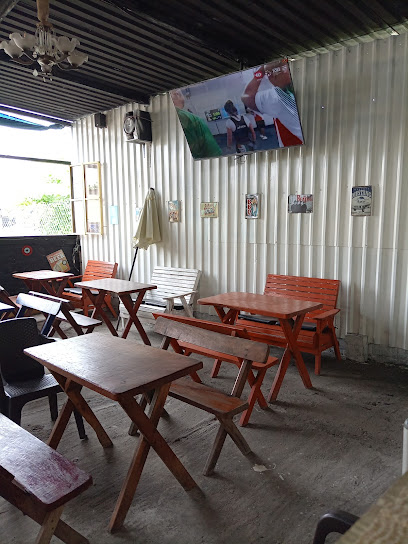
Experience the best of dining and sports at K29 Gastropub in San Juan Opico, where flavorful dishes and live games create unforgettable moments.
La Favela Sports Karaoke Bar
3.2 km
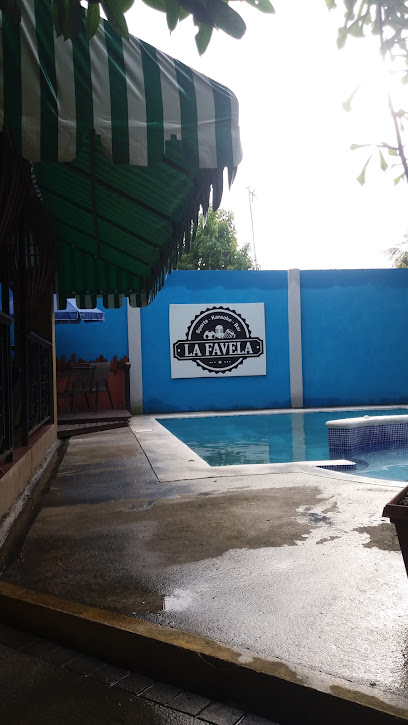
Experience the vibrant nightlife and mouth-watering grilled cuisine at La Favela Sports Karaoke Bar, the perfect spot for fun and entertainment.
Cadejo Brewing Company
3.8 km
Discover the essence of local brewing at Cadejo Brewing Company, where craft beer meets vibrant atmosphere in Sitio del Niño.
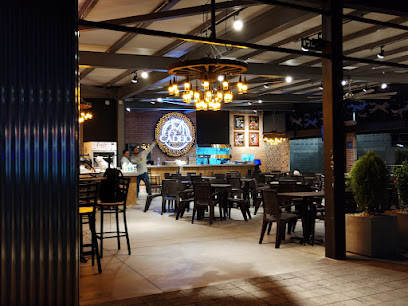
Buso papa chico.
3.9 km
Experience the rich flavors of Mexico at Buso Papa Chico, a hidden gem in Joya de Ceren offering authentic cuisine and a warm atmosphere.
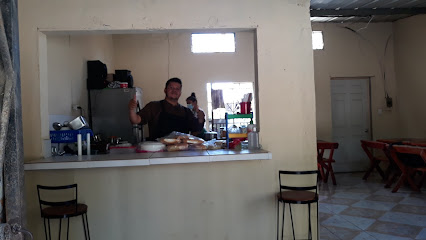
El bosquecito de Joyas
4.0 km
Experience the authentic flavors of El Salvador at El Bosquecito de Joyas, a charming restaurant in Joyas de Ceren.
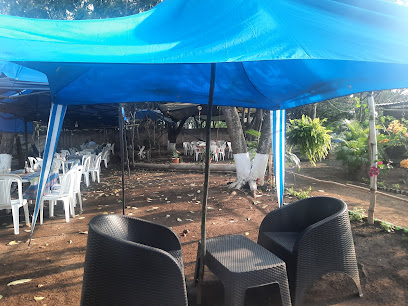
Rueda martillo
4.4 km
Experience the vibrant nightlife of Nuevo Sitio del Nino at Rueda Martillo, where local drinks and lively entertainment await.
Casa Celeste Sabor
4.6 km
Discover the lively ambiance of Casa Celeste Sabor, a must-visit bar in Nuevo Sitio del Nino offering a unique blend of local flavors and vibrant nightlife.
BAR EL MARTILLAZO
4.6 km
Experience the vibrant nightlife at Bar El Martillazo, a local bar in Nuevo Sitio del Nino known for its friendly atmosphere and authentic Salvadoran drinks.
Familia Rodriguez
5.1 km
Discover the charm of Familia Rodriguez, a cozy bar in Nuevo Sitio del Nino, offering local drinks and a friendly atmosphere for relaxation.
Nightclubs & after hour spots

Discoteca Dragón Rojo
3.1 km
Dive into the electrifying nightlife at Discoteca Dragón Rojo, a top night club in Sitio del Niño, where every night is a celebration of music and dance.

PARADISE DISCOTECA
3.1 km
Dive into the vibrant nightlife of Sitio del Niño at Paradise Discoteca, where the beats never stop and the dance floor awaits your moves.
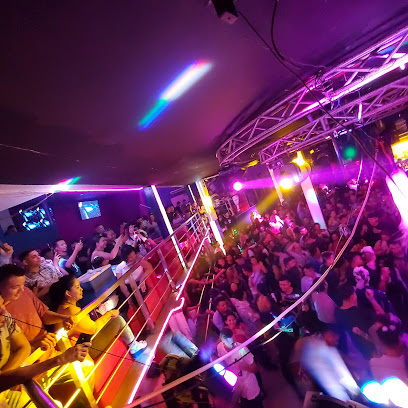
CASA DEL MEWING
3.2 km
Dive into the vibrant nightlife of Nuevo Sitio del Nino at CASA DEL MEWING, where unforgettable nights await in a lively atmosphere.
Club Agua Escondida
5.4 km
Experience the vibrant nightlife at Club Agua Escondida, a premier nightclub in Aqua Escondida, where every night is a celebration of music and dance.
GARDENS CLUB BAR
6.9 km
Experience the electrifying nightlife at Gardens Club Bar in Cdad. Arce, where music, dance, and socializing come together in a vibrant atmosphere.
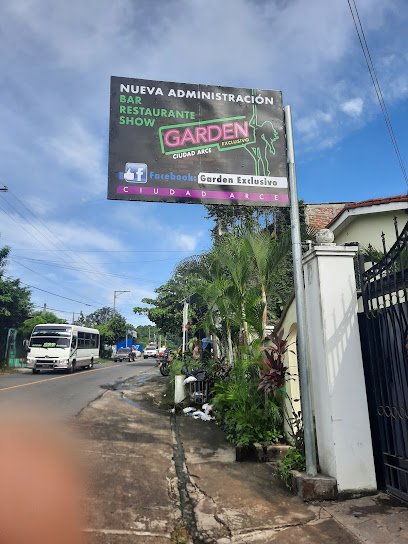
King Beers 2.0 Escalon
18.3 km
Discover the electrifying nightlife of San Salvador at King Beers 2.0 Escalon, a premier disco club with an unforgettable atmosphere.
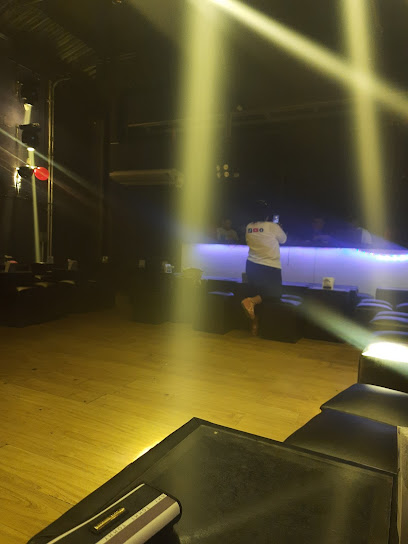
Riosur Nightlife Plaza
18.7 km
Discover the vibrant nightlife at Riosur Nightlife Plaza in San Salvador, where music, dance, and unforgettable moments await.
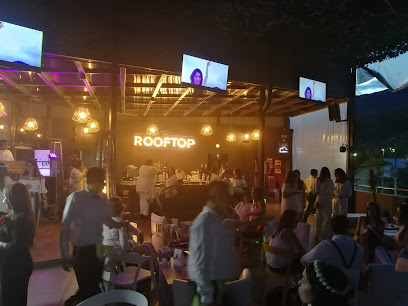
Dos Cero Cinco
18.7 km
Immerse yourself in the lively nightlife of San Salvador at Dos Cero Cinco, the ultimate night club destination for music and dance enthusiasts.
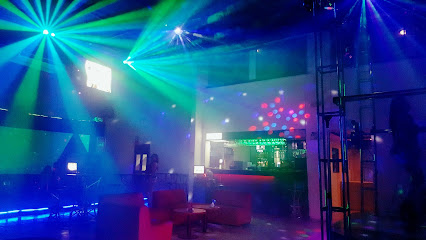
La Terraza del Son
19.0 km
Discover the electrifying nightlife at La Terraza del Son, the premier night club in San Salvador, offering vibrant music and a lively atmosphere.
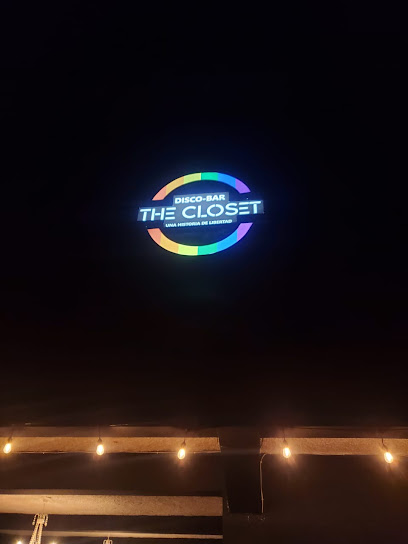
THE CLOSET Escalón
19.1 km
Dive into the electrifying nightlife of THE CLOSET Escalón, San Salvador's premier night club offering an unforgettable experience with diverse music and vibrant energy.
BUNNY'S NIGHT CLUB
19.2 km
Discover the vibrant nightlife of San Salvador at Bunny's Night Club, where entertainment and excitement come alive every night.
Circus Cabaret
19.6 km
Dive into the exhilarating nightlife of San Salvador at Circus Cabaret, where music, dance, and entertainment come together for an unforgettable experience.
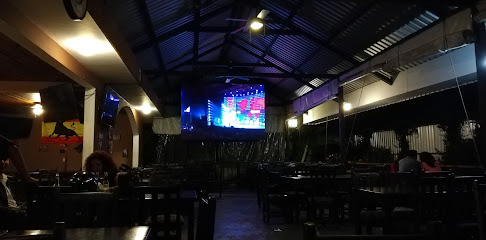
Superb
19.6 km
Experience the pulse of San Salvador's nightlife at Superb, where music, dancing, and exceptional bottle service create unforgettable nights.