

Free Nausori Travel Guide & Mobile App
Plan your Nausori trip with Evendo. Get free guides to top attractions, restaurants, hotels, and bars. Web access or download the mobile app.


Nausori, Fiji, offers Rewa River scenery, local markets, iTaukei culture and easy access to Suva, with a quieter Viti Levu base for regional exploration.
River Country and Island Connections
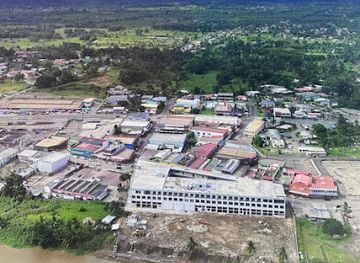
Nausori stands on the northeastern edge of Fiji’s largest island, Viti Levu, where the Rewa River widens towards its delta before reaching the sea. Although often visited in connection with nearby Suva, Nausori has its own character: a busy municipal centre, an important transport junction and a gateway to the riverine settlements and fertile lowlands of Rewa Province. The town lies in a landscape of waterways, cane fields, village communities and intensely green tropical vegetation, with the surrounding flatlands contrasting with the forested and hilly interior.Read more about Nausori
A Town Shaped by the Rewa
Between Nausori and Suva
When is the best time to visit Nausori?
Best: June–August · 29–30°C| Month | High (°C) | Rainfall (mm) |
|---|---|---|
| January | 32 | 340 |
| February | 32 | 320 |
| March | 32 | 310 |
| April | 32 | 260 |
| May | 31 | 190 |
| June (best) | 29 | 110 |
| July (best) | 29 | 100 |
| August (best) | 30 | 100 |
| September | 30 | 110 |
| October | 31 | 150 |
| November | 32 | 200 |
| December | 32 | 280 |
Getting to and around Nausori
How to get there
Transportation
Best attractions in Nausori
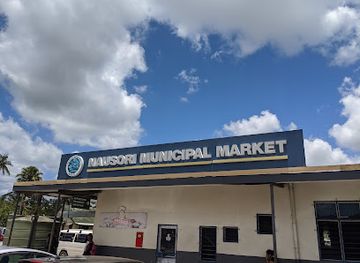
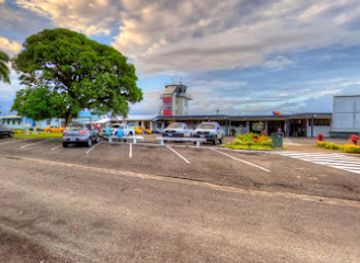
Nausori’s attractions are closely tied to everyday life and the surrounding Rewa landscape rather than to a long list of monumental sights. Nausori Municipal Market is the town’s most immediate cultural encounter, with stalls selling root crops, tropical fruit, vegetables, seafood and prepared foods from the surrounding districts. The broad Rewa River and its delta provide the defining scenery, with waterways, mangroves, agricultural land and village communities revealing the environmental setting that shaped the region. Nausori International Airport offers an unusual perspective on the town’s role as a domestic transport gateway, while the town’s roads and markets show the practical rhythm of a regional Fijian centre. Visitors with more time can use Nausori as a base for locally arranged river and village experiences, taking care to distinguish those excursions from attractions within the town itself. Suva’s museums, gardens and cultural institutions are nearby by road but belong to the capital rather than Nausori.
-
Park
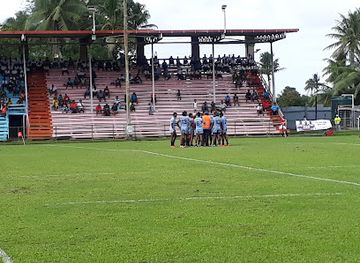
Ratu Cakobau Park
Experience the heart of Nausori at Ratu Cakobau Park: sports, culture, and community in a lush green setting.
11 min drive · 3.7 km from city centre
-
Park
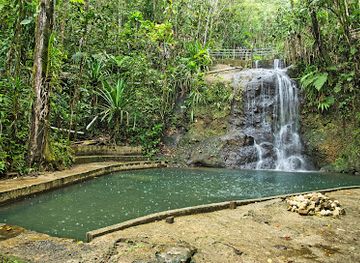
Lower Pools
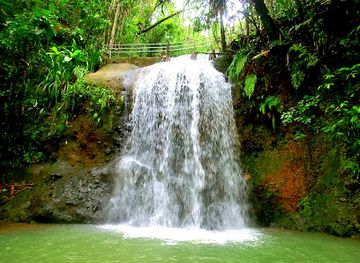
Discover tranquility at Lower Pools in Waila City: a perfect escape into Fiji's natural beauty with crystal-clear waters and lush greenery.
29 min drive · 9.5 km from city centre
-
Park
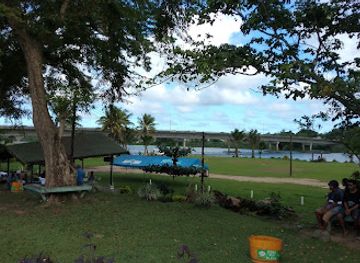
Syria Park
A peaceful park in Nausori, Fiji, named in memory of the 1884 Syria shipwreck, offering a tranquil space for relaxation and reflection.
12 min drive · 4.1 km from city centre
-
Aquarium
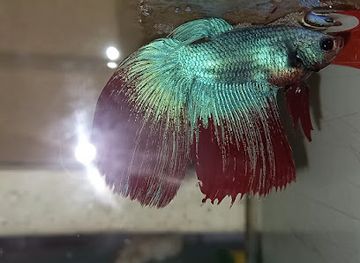
Aquazilla Fiji
Discover Fiji's underwater world at Aquazilla Fiji in Nausori, an aquarium offering vibrant marine life and interactive conservation exhibits.
15 min drive · 5.0 km from city centre
Best landmarks in Nausori
Nausori’s most significant landmarks are connected to geography, civic life and regional identity rather than to a dense historic core. The Rewa River is the town’s defining natural landmark, its wide channels explaining the settlement’s agricultural, transport and cultural relationship with the delta. Nausori Municipal Market is an important civic and social landmark, representing the town’s role as a place where surrounding communities exchange produce and services. Nausori International Airport marks the area’s continuing connection with Fiji’s outer islands and the wider national transport network. The surrounding villages, churches and community buildings give the lowlands a distinctive cultural landscape, although many are working or sacred spaces rather than formal visitor monuments. Historic architectural landmarks are more numerous in nearby Suva, whose colonial-era civic buildings and museums should not be confused with Nausori’s own more functional urban character.
-
Shopping mall
Nausori Town
Discover the vibrant heart of Fiji at Nausori Town, where shopping meets cultural experiences amidst friendly locals.
13 min drive · 4.3 km from city centre
-
Market
Nausori Municipal Market
Experience the rich culture, flavors, and vibrant atmosphere of Nausori Municipal Market, a must-visit destination for every traveler in Fiji.
14 min drive · 4.5 km from city centre
-
International airport
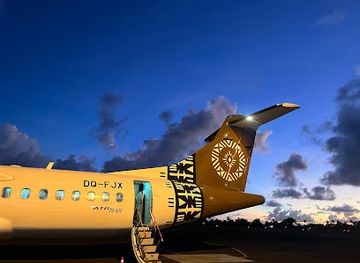
Suva-Nausori Airport
Experience the vibrant culture and stunning landscapes of Fiji as you arrive at Suva-Nausori Airport, your gateway to the capital city of Suva.
8 min walk · 0.6 km from city centre
-
Travel agency
Kay Services Fiji
Discover the beauty of Fiji with Kay Services Fiji, your trusted travel agency for customized adventures in paradise.
5 min drive · 1.7 km from city centre
Explore Nausori on the map
Plan your Nausori trip on one map. See where the top attractions, landmarks, restaurants, bars and hotels are, find what's near where you're staying, and book hotels and experiences in a few clicks.
Best hotels in Nausori
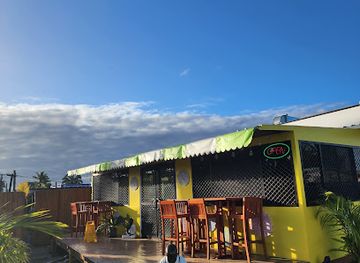
Best restaurants in Nausori
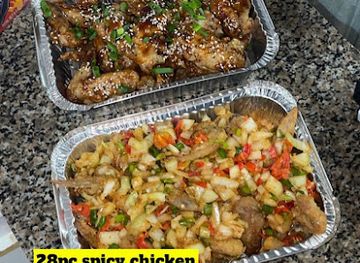
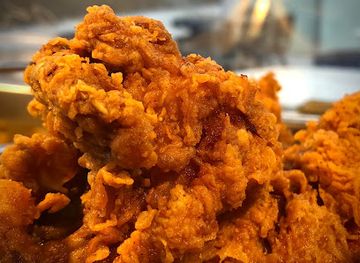
Dining in Nausori reflects the agricultural wealth of the Rewa lowlands and Fiji’s layered cultural history. Market stalls and small local eateries are good places to encounter cassava, dalo, sweet potato, fresh fruit, seafood and everyday snacks, while Indo-Fijian influence appears in curries, roti, savoury pastries and spiced dishes served across the urban area. Traditional iTaukei food may include root crops, coconut, leafy vegetables and seafood, with lovo cooking—food prepared in an earth oven—associated more commonly with gatherings and arranged cultural occasions than with an ordinary restaurant meal. Chinese, Indian, Fijian and contemporary Pacific influences share the town’s modest dining scene. Nausori Municipal Market offers the strongest connection with local produce, while larger restaurants and more varied café choices are found along the wider road corridor towards Suva. Visitors should expect informal service and changing daily selections rather than a concentrated fine-dining district.
-
Restaurant
Malhana Cloud Kitchen
Experience the best of Fijian flavors at Malhana Cloud Kitchen in Nausori – where every dish tells a story.
6 min drive · 2.1 km from city centre
-
Fast Food
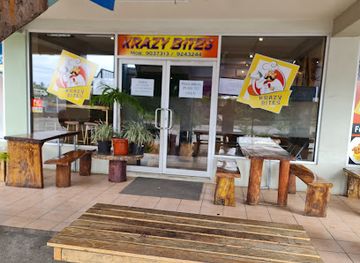
Krazy Bites
Discover the flavors of Fiji at Krazy Bites, where fast food meets local charm in Suva's vibrant culinary scene.
25 min drive · 8.3 km from city centre
-
Restaurant
Chicken Express
Experience authentic Fijian cuisine at Chicken Express in Nausori - where every bite is bursting with flavor!
13 min drive · 4.4 km from city centre
-
Restaurant
The Grillenium Grub House
Experience authentic Fijian flavors at The Grillenium Grub House - a culinary delight in Nausori.
17 min drive · 5.7 km from city centre
Best bars in Nausori
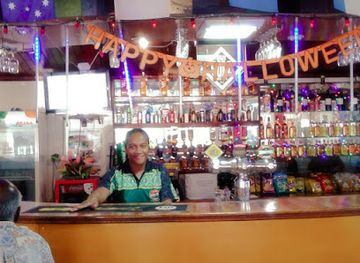
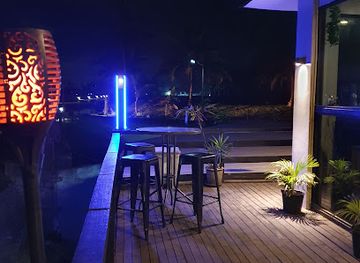
Nausori has a relatively restrained evening scene, centred more on casual meals, local socialising and hotel or restaurant bars than on a large nightclub culture. Small bars and licensed venues may provide beer, spirits, music and conversation, while community events, family gatherings and cultural occasions often play a more important role in evening life than late-night entertainment. The town’s streets can become quiet outside commercial areas, so visitors should arrange transport rather than plan to walk long distances after dark. Suva, within the wider urban corridor, offers Fiji’s more varied selection of cocktail bars, live music, clubs, cinemas and performing-arts events, although venues and schedules change. Around Nausori, respectful behaviour is particularly important near residential neighbourhoods, villages and religious institutions, and visitors should observe venue-specific age and licensing requirements.
-
Restaurant
Island Galaxy Fiji
Experience the vibrant flavors of Fiji at Island Galaxy, a culinary gem in Nausori, where every meal is a journey into the heart of island cuisine.
6 min drive · 1.9 km from city centre
-
Bar
Nausori Club
Experience the vibrant atmosphere of Nausori Club, a perfect blend of local culture and lively entertainment in the heart of Fiji.
13 min drive · 4.5 km from city centre
-
Restaurant
Elvis Kana Place
Experience authentic Fijian cuisine at Elvis Kana Place, a vibrant restaurant in the heart of Nausori's Hemron Plaza.
13 min drive · 4.4 km from city centre
-
Restaurant
Style Diners
Discover the vibrant flavors of Fiji at Style Diners in Nausori, where culinary excellence meets a warm, inviting atmosphere.
16 min drive · 5.4 km from city centre


Best nightclubs in Nausori
Nausori has a relatively restrained evening scene, centred more on casual meals, local socialising and hotel or restaurant bars than on a large nightclub culture. Small bars and licensed venues may provide beer, spirits, music and conversation, while community events, family gatherings and cultural occasions often play a more important role in evening life than late-night entertainment. The town’s streets can become quiet outside commercial areas, so visitors should arrange transport rather than plan to walk long distances after dark. Suva, within the wider urban corridor, offers Fiji’s more varied selection of cocktail bars, live music, clubs, cinemas and performing-arts events, although venues and schedules change. Around Nausori, respectful behaviour is particularly important near residential neighbourhoods, villages and religious institutions, and visitors should observe venue-specific age and licensing requirements.
-
International airport
Suva-Nausori Airport
Experience the welcoming embrace of Fiji as you arrive at Suva-Nausori Airport, your gateway to a tropical paradise filled with adventure.
8 min walk · 0.6 km from city centre
-
 Hotel
Nausori Airport Hotel
Experience comfort and convenience at Nausori Airport Hotel, your perfect lodging choice for exploring the beautiful islands of Fiji.
5 min drive · 1.5 km from city centre
-
Restaurant
Island Galaxy Fiji
Savor the essence of Fiji at Island Galaxy Fiji, where delightful cuisine meets welcoming ambiance in Nausori.
6 min drive · 1.9 km from city centre
-
Bar
Nausori Club
Experience vibrant nightlife and local culture at Nausori Club, the perfect bar for relaxation and entertainment in Nausori, Fiji.
13 min drive · 4.5 km from city centre
Best shops in Nausori
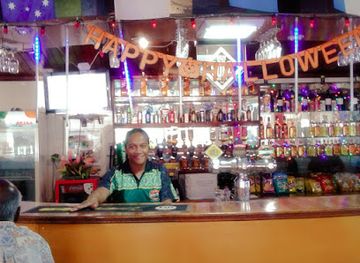
Shopping in Nausori is rooted in practical commerce and fresh produce rather than in a specialised tourist retail district. Nausori Municipal Market is the central experience, with vendors offering cassava, dalo, vegetables, fruit, seafood, spices and other foods from the Rewa region. Small shops and roadside businesses serve local communities with clothing, household goods, snacks and everyday necessities, while larger commercial choices increase along the road towards Suva. Visitors may find woven items, handicrafts and locally made foods through markets or community contacts, but products and availability vary and should not be assumed to represent a formal craft quarter. Bargaining is not universal, so it is better to ask the price politely and accept the vendor’s terms. Shopping here is most revealing when treated as an insight into Fijian food supply, family commerce and ordinary town life rather than as a hunt for luxury brands.
-
Shopping mall
Nausori Town
Explore Nausori Town: A vibrant shopping destination full of Fijian culture, local markets, and friendly faces waiting to welcome you.
13 min drive · 4.3 km from city centre
-
Grocery store
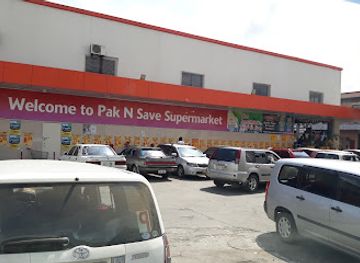
Pak & Save Supermarket
Discover local flavors and everyday essentials at Pak & Save Supermarket, your go-to grocery store in Nausori, Fiji.
13 min drive · 4.2 km from city centre
-
Supermarket
NEWWORLD
Explore the flavors of Fiji at NewWorld Supermarket, where local and international products meet in a spacious shopping paradise.
13 min drive · 4.4 km from city centre
-
Grocery store
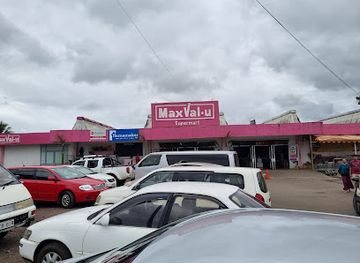
MaxVal-U Nausori Supermarket
Immerse yourself in local culture at MaxVal-U Nausori Supermarket, where fresh produce and Fijian delicacies await your discovery.
13 min drive · 4.4 km from city centre


Get your free copy of our complete guide to Nausori, delivered straight to you.
Everything on this page, from attractions and restaurants to essentials and local phrases, in one PDF you can read offline, print or share.
Already have an account? Sign in
Your Nausori guide is ready.
We'll send it to · Not you? Sign out

Getting your guide ready…
We are putting together a fresh copy of the Nausori guide. This can take up to a minute.
This can take a few moments. If your browser asks, choose Allow so the download can start. You'll find the guide in your Downloads folder.
Nothing happened? Download it again
Sorry, the guide is taking longer than usual. Please try again in a minute, or get it by email instead.
Nausori essentials
Currency and Payment
Safety
Emergency Situations
Do's and Don'ts
Local Tips
From Eve
Local phrases worth knowing
You don't need to get them perfect. A few words go a long way, and locals appreciate the effort.
Basics
| English | Local | Say it |
|---|---|---|
| Hello | Bula | [boo-lah] |
| Goodbye | Moce | [moh-they] |
| Yes | Io | [ee-oh] |
| No | Sega | [seh-ngah] |
| Please/You're welcome | Vinaka | [vee-nah-kah] |
| Thank you | Vinaka vakalevu | [vee-nah-kah vah-kah-ley-voo] |
| Excuse me/Sorry | Tulou | [too-low] |
| How are you? | Sa yawa? | [sah yah-wah] |
| Fine. And you? | Vinaka. Iko? | [vee-nah-kah ee-koh] |
| Do you speak English? | Ko i Vakaviti vei iko vosa vakalagi? | [koh ee vah-kah-vee-tee veh-ee ee-koh voh-sah vah-kah-lah-gee] |
| I don't understand | Au sega ni kila | [ow seh-ngah nee kee-lah] |
Eating & Drinking
| English | Local | Say it |
|---|---|---|
| I'd like to see the menu, please | Au vinakata me'u rairai na menu | [ow vee-nah-kah-tah meh-oo righ-rye nah meh-noo] |
| I don't eat meat | Au sega ni kana vucesa | [ow seh-ngah nee kah-nah voo-thay-sah] |
| Cheers! | Bula vinaka! | [boo-lah vee-nah-kah] |
| I would like to pay, please | Au vinakata me'u saumi, me'u saumi ga | [ow vee-nah-kah-tah meh-oo sah-oo-mee meh-oo sah-oo-mee ngah] |
Emergencies
| English | Local | Say it |
|---|---|---|
| Help! | Vukea! | [voo-kay-ah] |
| Go away! | Lako tani! | [lah-koh tah-nee] |
| Call the Police! | Kaciva na Pulis! | [kah-thee-vah nah poo-lees] |
| Call a doctor! | Kaciva na dokita! | [kah-thee-vah nah doh-kee-tah] |
| I'm lost | Au vakabulai | [ow vah-kah-boo-lah-ee] |
| I'm ill | Au rarawa | [ow rah-rah-wah] |
Shopping
| English | Local | Say it |
|---|---|---|
| I'd like to buy... | Au vinakata me'u volitaki... | [ow vee-nah-kah-tah meh-oo voh-lee-tah-kee] |
| I'm just looking | Au raica tiko ga | [ow rye-thah tee-koh ngah] |
| How much is it? | E vica? | [eh vee-thah] |
| That's too expensive | Levaka sara | [ley-vah-kah sah-rah] |
| Can you lower the price? | Vakamatei na i vola? | [vah-kah-mah-teh-ee nah ee voh-lah] |
Time & Numbers
| English | Local | Say it |
|---|---|---|
| What time is it? | Ei kena gauna? | [eh-ee keh-nah gah-oo-nah] |
| It's one o'clock | E dua ga | [eh doo-ah gah] |
| Half past (10) | Na mataka e vitu | [nah mah-tah-kah eh vee-too] |
| Morning | Ni sautu | [nee sah-oo-too] |
| Afternoon | Ni siga | [nee see-ngah] |
| Evening | Ni yakavi | [nee yah-kah-vee] |
| Yesterday | Nakua noqu siga | [nah-koo-ah noh-ngoo see-ngah] |
| Today | Na siga oqo | [nah see-ngah oh-ngoh] |
| Tomorrow | E na siga ni mataka | [eh nah see-ngah nee mah-tah-kah] |
| 1 | Dua | [doo-ah] |
| 2 | Rua | [roo-ah] |
| 3 | Tolu | [toh-loo] |
| 4 | Va | [vah] |
| 5 | Lima | [lee-mah] |
| 6 | Ono | [oh-noh] |
| 7 | Vitu | [vee-too] |
| 8 | Walu | [wah-loo] |
| 9 | Ciwa | [thee-wah] |
| 10 | Tini | [tee-nee] |
Transport & Directions
| English | Local | Say it |
|---|---|---|
| Where's a/the...? | Evei na... | [eh-veh-ee nah] |
| What's the address? | Ei na veisiga? | [eh-ee nah vey-see-ngah] |
| Can you show me (on the map)? | Vakayagataka mai au (e na lolo)? | [vah-kah-yah-gah-tah-kah mah-ee ow (eh nah loh-loh)] |
| When's the next (bus)? | E na siga ni taukei e muri? | [eh nah see-ngah nee tau-kay ee moo-ree] |
| A ticket (to ....) | E dua na tiketi (ki ....) | [eh doo-ah nah tee-keh-thee (kee)] |
History of Nausori
Rewa’s Early Communities
Nausori’s history is inseparable from the Rewa River and its delta, a fertile network of waterways that supported settled iTaukei communities long before the emergence of the modern town. River channels provided routes for movement, fishing and exchange, while gardens and wetlands supplied food. The wider Rewa region developed its own chiefly and political structures, and the river remained an important source of identity and authority. Archaeological and oral histories across Fiji show that communities adapted closely to coastal, riverine and inland environments; in Nausori, that relationship is still visible in the landscape of villages, fields and waterways surrounding the urban area.
The Rewa Confederacy and Chiefly Power
Before and during early European contact, Rewa was one of the most influential political centres in southeastern Viti Levu. Its chiefly authority extended through alliances, tribute relationships and control of productive river and coastal territory. Warfare and negotiation among Fiji’s competing polities shaped the region, while missionaries, traders and beachcombers introduced new religious, commercial and political influences during the nineteenth century. The history of Nausori therefore belongs to a wider story than the town itself: it reflects the transformation of Rewa society as traditional leadership, Christianity, firearms, trade and colonial diplomacy altered the balance of power across Fiji.
Cession and Colonial Administration
Fiji became a British colony after the cession of the islands to Queen Victoria in 1874, bringing Rewa more firmly into a centralised administrative system. Colonial government expanded taxation, transport links, land administration and commercial agriculture, while Christian institutions and imported labour reshaped social and economic life. Indian indentured labourers and their descendants became an important part of Fiji’s population and contributed significantly to agriculture, trade and regional commerce. Around the Rewa waterways, the growth of roads, river transport and government services gradually connected local communities with Suva and other colonial centres.
Sugar, Roads and a Growing Township
The development of Fiji’s sugar industry gave the Rewa district stronger links to the colonial economy, even though the principal concentration of cane production lay elsewhere on Viti Levu. Processing and agricultural activity around the Rewa lowlands encouraged transport improvements and increased the importance of Nausori as a service centre. Roads and bridges gradually reduced dependence on river travel, while schools, shops, public offices and markets established the foundations of the modern township. Nausori’s growth was practical rather than monumental: it emerged as a place where surrounding rural communities could trade, obtain services and connect with the capital region.
Post-Independence Nausori
Fiji became independent from Britain in 1970, and Nausori continued to develop as part of the expanding Suva-Nausori urban corridor. Population growth, improved roads and the spread of residential and commercial areas brought the town closer into the economic life of the capital, while its airport strengthened links with other Fijian islands. Despite this urban expansion, the Rewa Delta remains central to the town’s character. Contemporary Nausori combines municipal commerce with village, agricultural and riverine networks, reflecting Fiji’s continuing balance between modern infrastructure, iTaukei chiefly traditions and the diverse communities formed through migration and historical change.
Nausori in Photos
Browse through our photo collection highlighting the charm and character of the destination.
Cities near Nausori
The closest cities to Nausori, if you have time for more than one stop.
-

-

-

-

-


Swipe for more cities
Explore more

Explore more of Fiji
Discover Fiji: A tropical haven of stunning beaches, rich culture, and endless adventure. Perfect for both relaxation and exploration in the heart of the South Pacific.
Explore Fiji