Background

Calanque de Sugiton: A Mediterranean Jewel

Discover Calanque de Sugiton, a stunning Mediterranean inlet near Marseille, offering breathtaking hikes, crystal-clear waters, and iconic rock formations within the protected Calanques National Park.

4.8

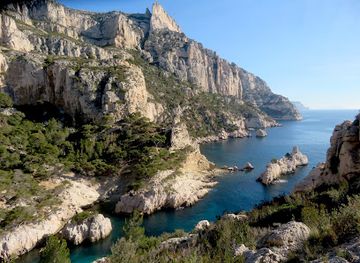
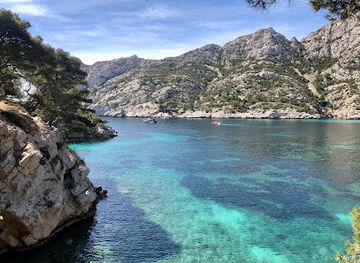
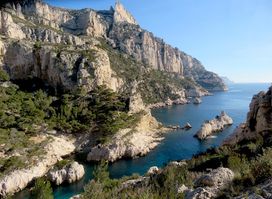
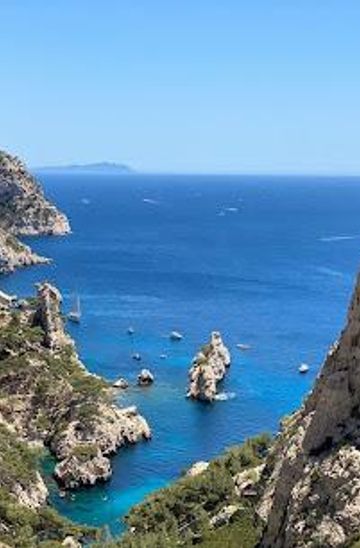
Calanque de Sugiton, nestled within the Calanques National Park near Marseille, is a breathtaking fusion of turquoise waters and dramatic limestone cliffs. This natural wonder offers a rewarding hiking experience leading to two small, pebbly beaches perfect for swimming and sunbathing. The iconic 'Torpilleur' rock formation adds to the calanque's unique charm. While the hike is moderately easy, the descent to the beach can be steep and rocky. During peak season, access is limited and requires a free reservation to protect the fragile ecosystem from erosion. Despite its popularity, Sugiton remains a must-see destination for those seeking natural beauty and outdoor adventure near Marseille, offering stunning views and a refreshing escape from the city.

A brief summary to Calanque de Sugiton

  • FR

Local tips

  • Reservations are required during peak season (June to September) to limit visitor numbers and protect the fragile ecosystem. Book online in advance.
  • Wear sturdy hiking shoes as the descent to the calanque can be steep and rocky. Avoid flip-flops.
  • Bring plenty of water, especially during the summer months, as the hike can be strenuous and the sun is intense.
  • Take the bus (B1) from Marseille to Luminy to avoid parking hassles, especially during peak season.
  • Check fire risk warnings before you go, especially in summer, as the park may be closed due to high fire danger.
widget icon

Getting There

  • Public Transport

    From Marseille, take the B1 bus from Castellane metro station (lines 1 & 2, or tram line 3) or Rond-Point du Prado metro station (line 2) towards Luminy. Get off at the 'Luminy PN des Calanques' stop, which is the terminus. From the bus stop, it's approximately a 45-minute walk to the Calanque de Sugiton. Follow Avenue de Luminy to the entrance of the Calanques National Park. The B1 bus ticket costs approximately €2 if purchased on the bus, or €1.60 if purchased in advance. The ticket is valid for one hour.

  • Walking

    From the 'Luminy PN des Calanques' bus stop or the parking areas near Luminy University, walk south on Avenue de Luminy towards the entrance of the Calanques National Park. Follow the well-marked trails, initially a wide gravel track through a pine forest, towards Col de Sugiton. From Col de Sugiton, you can detour to the Belvedere de Sugiton for panoramic views. Continue following signs towards Calanque de Sugiton. The final descent is steep and rocky. Allow approximately 45 minutes to reach the calanque from the bus stop/parking area. No costs are associated with walking, but be prepared for a moderately challenging hike.

  • Parking

    If driving, parking is available near the Luminy University campus and along Avenue de Luminy. Parking is free but limited, especially during peak season. Arrive early to secure a spot. On busy days, cars park on both verges of the road, but this is not recommended. An overflow gravel car park is available next to the Business School. From the parking area, follow the walking directions above to reach the calanque. There are no parking costs.

Unlock the Best of Calanque de Sugiton

Buy tickets

    No tickets available

Book tours with entry

    No tours available

Book tours without entry

    No tours available

Discover more about Calanque de Sugiton

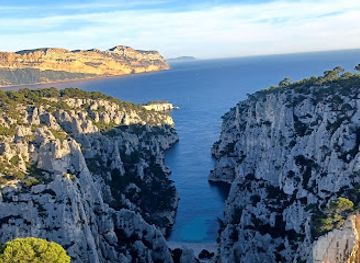
Calanque de Sugiton, a jewel within the Calanques National Park, presents a stunning tableau of natural beauty where the azure Mediterranean Sea meets towering limestone cliffs. Located a short distance from Marseille, this calanque (a narrow, steep-walled inlet) is a popular destination for hikers, swimmers, and nature enthusiasts seeking an escape from the bustling city. The approach to Calanque de Sugiton involves a scenic hike through the rugged terrain of the Calanques National Park. The trail begins near the Luminy University campus, winding through pine forests and offering glimpses of the sea along the way. The hike itself is moderately easy, making it accessible to a wide range of visitors, including families. However, the final descent to the calanque can be steep and rocky, requiring sturdy footwear and a degree of caution. As you descend, the panoramic views become increasingly captivating. The turquoise waters of the Mediterranean stretch out before you, framed by the dramatic white cliffs that characterize the Calanques. The air is filled with the scent of pine and the sound of cicadas, creating a sensory experience that is both invigorating and relaxing. Upon reaching the calanque, you'll discover two small, pebbly beaches nestled between the cliffs. These beaches offer a perfect spot for sunbathing, swimming, and picnicking. The crystal-clear waters are inviting for a refreshing dip, especially after the hike down. The calanque is also a popular spot for snorkeling and diving, with a diverse array of marine life to be discovered just beneath the surface. One of the most iconic features of Calanque de Sugiton is the 'Torpilleur,' a rocky islet located just a few meters from the shore. This islet, named for its resemblance to a torpedo boat, adds to the calanque's unique charm and provides a popular spot for adventurous swimmers to explore. The cliffs surrounding the calanque are also home to a variety of plant and animal life, including rare and endangered species. Due to its popularity, Calanque de Sugiton has become increasingly vulnerable to erosion and environmental damage. In recent years, the Calanques National Park has implemented measures to protect the calanque, including limiting the number of visitors during peak season and requiring reservations for access. These measures are essential to preserving the natural beauty of Sugiton for future generations. The history of the Calanques region dates back millions of years, with the limestone cliffs formed during the Jurassic and Cretaceous periods. Over time, erosion and tectonic activity shaped the landscape into the dramatic coves and inlets that we see today. The area has also been inhabited by humans for thousands of years, with evidence of prehistoric settlements found in nearby caves. Today, the Calanques National Park is a protected area, home to a diverse range of plant and animal species. The park is also a popular destination for outdoor recreation, with hiking, climbing, swimming, and boating all readily available. Visitors are encouraged to respect the environment and followLeave No Trace principles to minimize their impact on this fragile ecosystem. While visiting Calanque de Sugiton, consider exploring other nearby calanques, such as Calanque de Morgiou and Calanque d'En-Vau, each offering its own unique charm and natural beauty. A hike connecting Sugiton and Morgiou offers stunning coastal views, though it includes a challenging scrambling section. Remember to check access restrictions, especially during the summer months, as the park is prone to wildfires and closures may occur. Whether you're seeking a challenging hike, a refreshing swim, or simply a peaceful escape into nature, Calanque de Sugiton offers an unforgettable experience. Its stunning scenery, crystal-clear waters, and rich history make it a must-see destination for anyone visiting the Marseille region. Be sure to plan ahead, make reservations if necessary, and respect the environment to ensure that this Mediterranean jewel remains pristine for years to come. The geology of the Calanques is fascinating, with the white limestone cliffs formed over millions of years. The rock is primarily Urgonian limestone, a compact and hard rock rich in fossils. Karstic erosion has sculpted the landscape, creating the dramatic gorges and canyons that characterize the area. Faults and fractures in the rock have also played a role in shaping the coastline, with many of the calanques aligned along these geological features. The local flora is adapted to the harsh Mediterranean climate, with drought-resistant plants such as pines, rosemary, and thyme dominating the landscape. The park is also home to a variety of animal species, including birds, reptiles, and mammals. Conservation efforts are underway to protect these species and their habitats. The Sugiton lookout, also known as the 'Tour of the Orient', sits on the site of a former military watchtower. Reaching 245 meters, it provides one of the best views in the entire national park. The name Sugiton comes from the Latin 'saxum', meaning isolated rock. In summary, Calanque de Sugiton is more than just a beautiful beach; it's a place where geology, history, and ecology converge to create a truly unique and unforgettable experience.

Popular Experiences near Calanque de Sugiton

Popular Hotels near Calanque de Sugiton

Select Currency