

La Quartier du Palais, Aix En Provence Travel Guide
Discover the historical Palais de Justice in Aix-en-Provence, a neoclassical masterpiece embodying the city's rich legal heritage and architectural grandeur, nestled in the vibrant Quartier du Palais.
La Quartier du Palais, dominated by the Palais de Justice, stands as a testament to Aix-en-Provence's rich history and architectural grandeur. This area, once the heart of the city's comital power, showcases a blend of neoclassical design and historical significance. The Palais de Justice, constructed in the 19th century on the site of the former Palais Comtal, embodies the dignity and seriousness of the judicial system. Its imposing facade and meticulously designed interiors offer a glimpse into the region's legal and cultural evolution. Visitors can explore the Place de Verdun, where the Palais is located, and immerse themselves in the vibrant atmosphere of Aix, surrounded by charming cafes and boutiques. The Palais de Justice is not only an architectural marvel but also a vital part of the city's identity, symbolizing justice and heritage.
A brief summary to La Quartier du Palais
- Front of Palais de justice d, Aix-en-Provence, FR

Know before you go
Hi, I'm Eve. Here are a few practical things to know before exploring La Quartier du Palais.
- Visit the Place de Verdun on market days (Tuesday, Thursday, and Saturday mornings) to experience the local atmosphere and browse regional products.
- Take a guided tour of the Palais de Justice (if available) to learn about its history, architecture, and role in the region's legal system.
- Explore the nearby Quartier Mazarin and Cathédrale Saint-Sauveur to further immerse yourself in Aix-en-Provence's rich history and culture.
Do you manage this location?
Take control to get all the benefits, like improved information, better appearance, and stronger visibility across AI-powered discovery. Learn more about listing your business on Evendo
Activate your presenceOther nearby places you may find interesting
The closest places of the same kind, if this one is not quite what you had in mind.


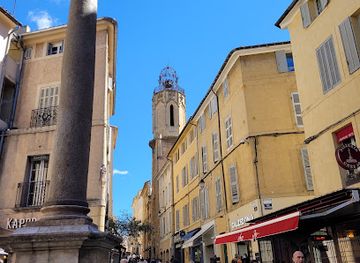
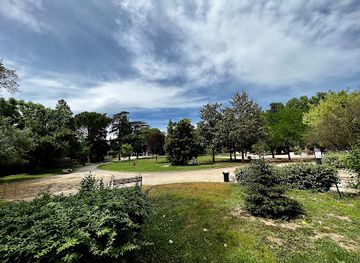
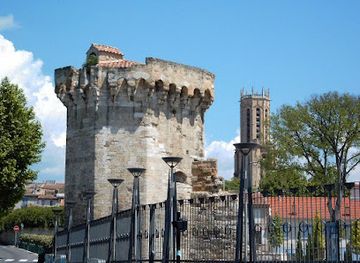
Explore La Quartier du Palais on the Map
A handpicked selection of must-see spots near La Quartier du Palais, mapped for you.
Getting There
-
Walking
From Cours Mirabeau, a central point in Aix-en-Provence, walk north towards Place de Verdun. Orient yourself towards the Fontaine des Prêcheurs, a large fountain in the square. The Palais de Justice is located directly on Place de Verdun, facing the fountain. The walk is approximately 5-10 minutes, depending on your starting point on Cours Mirabeau.
-
Public Transport
If arriving by bus at the Gare Routière (bus station), walk north along Avenue des Belges, then turn left onto Boulevard de la République. Continue straight until you reach Place de Verdun. The Palais de Justice will be on your right. Alternatively, take a local bus from the Gare Routière to a stop near Place de Verdun (e.g., 'Palais de Justice' stop). A single bus fare is approximately €1.60.
-
Taxi/Ride-Share
From most locations within Aix-en-Provence city center, a taxi or ride-share to the Palais de Justice is a convenient option. Specify 'Place de Verdun' as your destination. The ride typically takes 5-10 minutes and costs approximately €8-€12, depending on traffic and distance.
-
Driving
If driving, be aware that parking near the Palais de Justice can be challenging. Consider parking at Parking Bellegarde or Parking Carnot, both within a short walking distance. Parking fees at these locations range from €1.10 for the first 15 minutes to a maximum of €20 for 24 hours.
Discover more about La Quartier du Palais













Your all‑in‑one travel companion app
Explore expert travel guides, compare and book tours, experiences, hotels, and more—all from the palm of your hand. Download now for seamless trip planning wherever your wanderlust takes you.


Explore More of Aix En Provence
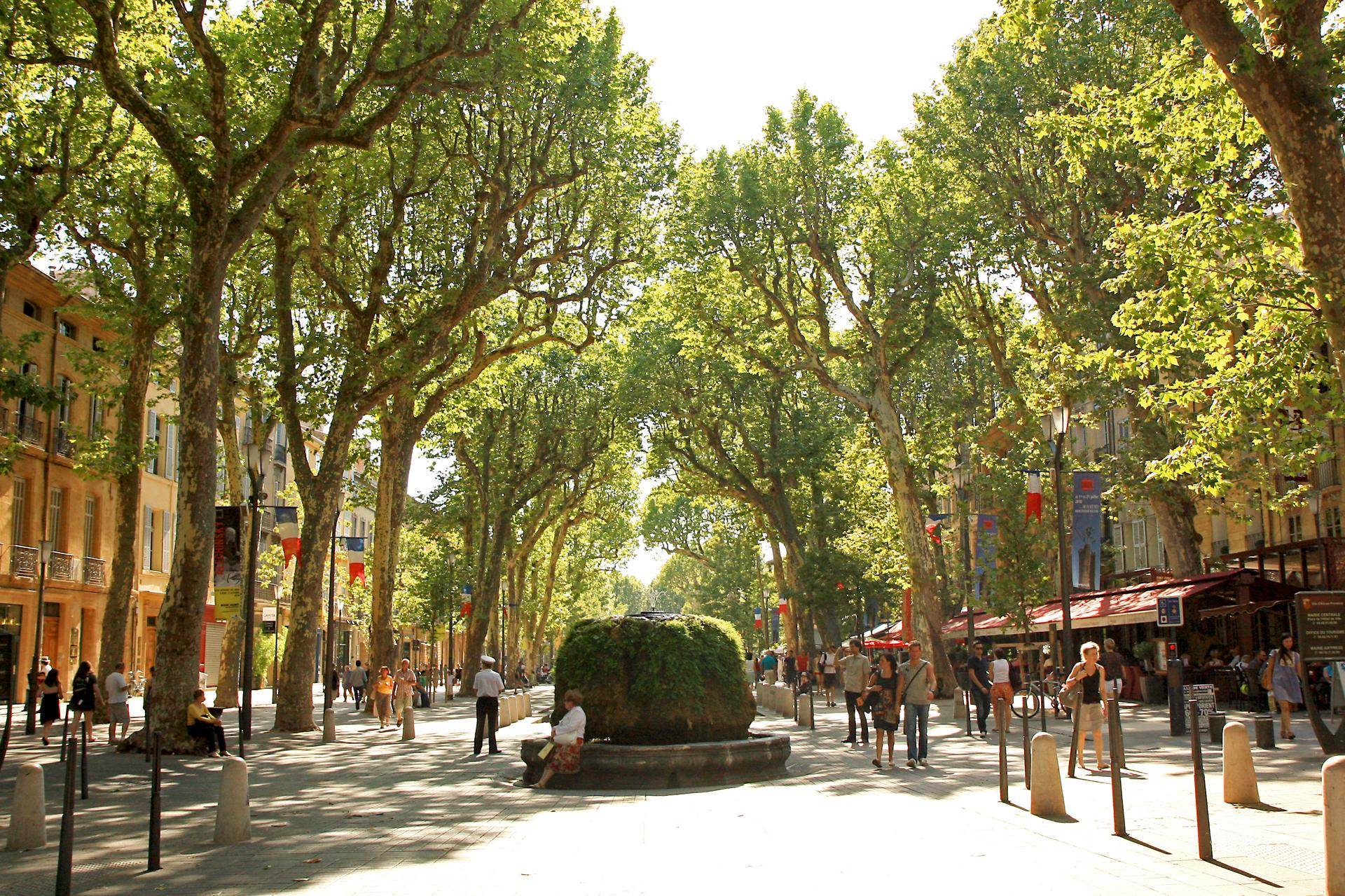
Looking beyond La Quartier du Palais? Discover Aix En Provence for broader travel guides, local hot-spots, and regional highlights.
Explore Aix En Provence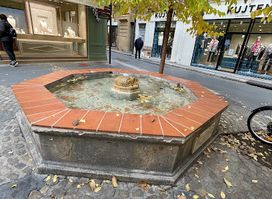
Discover the charm of Place Saint Honoré in Aix-en-Provence: a tranquil square with a central fountain, surrounded by historic streets and Provençal ambiance, offering a delightful escape.
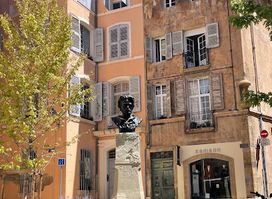
Explore the Statue Emile Zola in Aix-en-Provence, a significant tribute to the literary giant and a must-see for culture and history lovers.
