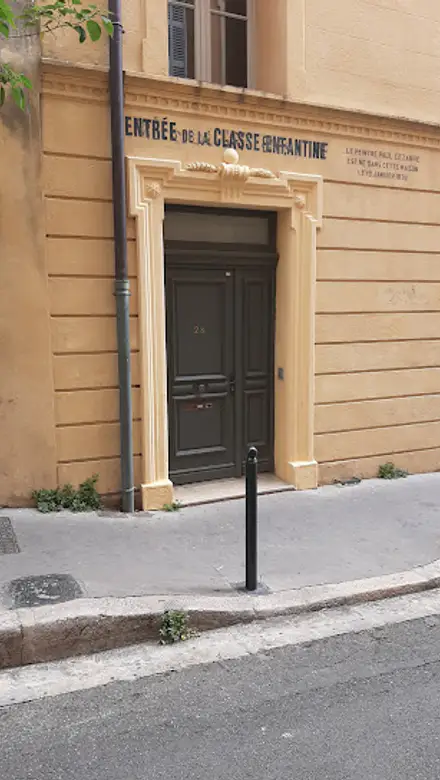
Maison Natale de Cezanne, Aix En Provence Travel Guide
Discover the humble origins of Paul Cézanne at his birthplace in Aix-en-Provence, a pivotal starting point for exploring the life and art of a Post-Impressionist master.
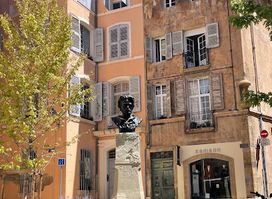
The Maison Natale de Cézanne, located at 28 Rue de l'Opéra in Aix-en-Provence, marks the birthplace of the renowned Post-Impressionist painter, Paul Cézanne. While not a museum in the traditional sense, this 17th-century building offers a glimpse into the artist's early life and the environment that shaped his initial artistic sensibilities. Although the interior is not open for extensive tours, the building's facade is a point of pilgrimage for art enthusiasts eager to connect with Cézanne's roots. The surrounding area, steeped in Provençal charm, invites visitors to explore the streets and landscapes that later inspired many of his iconic works. Walking through Aix, one can almost see the world through Cézanne's eyes, appreciating the interplay of light and form that defined his unique style. The house serves as a starting point for a deeper exploration of Cézanne's connection to Aix-en-Provence, encouraging visitors to follow in his footsteps and discover the places that fueled his artistic vision. It's a must-see for those seeking to understand the origins of a master.
A brief summary to Maison Natale de Cezanne
- 28 Rue de l'Opéra, Aix-en-Provence, 13100, FR

Know before you go
Hi, I'm Eve. Here are a few practical things to know before exploring Maison Natale de Cezanne.
- While you can't tour the inside, take a moment to appreciate the building's facade and imagine Cézanne's early life in this bustling neighborhood.
- Use the Maison Natale as a starting point to explore other Cézanne-related sites in Aix-en-Provence, such as the Atelier de Cézanne and the Musée Granet.
- Walk the streets of Aix-en-Provence to experience the city that inspired Cézanne's art, paying attention to the light, colors, and landscapes he captured in his paintings.
Do you manage this location?
Take control to get all the benefits, like improved information, better appearance, and stronger visibility across AI-powered discovery. Learn more about listing your business on Evendo
Activate your presenceOther nearby places you may find interesting
The closest places of the same kind, if this one is not quite what you had in mind.
Explore Maison Natale de Cezanne on the Map
A handpicked selection of must-see spots near Maison Natale de Cezanne, mapped for you.
Getting There
-
Walking
The Maison Natale de Cézanne is located at 28 Rue de l'Opéra, in the heart of Aix-en-Provence. From the Rotonde fountain, a central landmark, walk north along Cours Mirabeau. Turn left onto Rue de l'Opéra. The house is a short walk down the street on the right. The walk is generally flat and easy. Consider that Rue de l'Opéra can be crowded, especially during peak tourist season.
-
Public Transport
If arriving by bus at the Gare Routière (bus station), it's approximately a 15-minute walk to the Maison Natale de Cézanne. Head north along Avenue des Belges, then turn left onto Cours Mirabeau, followed by a left onto Rue de l'Opéra. Alternatively, take a local Aix-en-Bus line to a stop near Cours Mirabeau (check local schedules and routes). A single ticket costs around €1.20 - €1.70.
-
Taxi/Ride-Share
A taxi or ride-share from the Aix-en-Provence train station (Gare SNCF) to the Maison Natale de Cézanne will take approximately 5-10 minutes, depending on traffic. Expect to pay around €10-€15. Note that traffic can be heavy during peak hours.
-
Driving
Driving directly to the Maison Natale is not recommended due to the narrow streets and limited parking in the city center. The closest parking is Parking Carnot, which is a short walk away. Parking fees at Parking Carnot are approximately €2.60 per hour.
Discover more about Maison Natale de Cezanne
More to explore near Maison Natale de Cezanne













Your all‑in‑one travel companion app
Explore expert travel guides, compare and book tours, experiences, hotels, and more—all from the palm of your hand. Download now for seamless trip planning wherever your wanderlust takes you.


Explore More of Aix En Provence
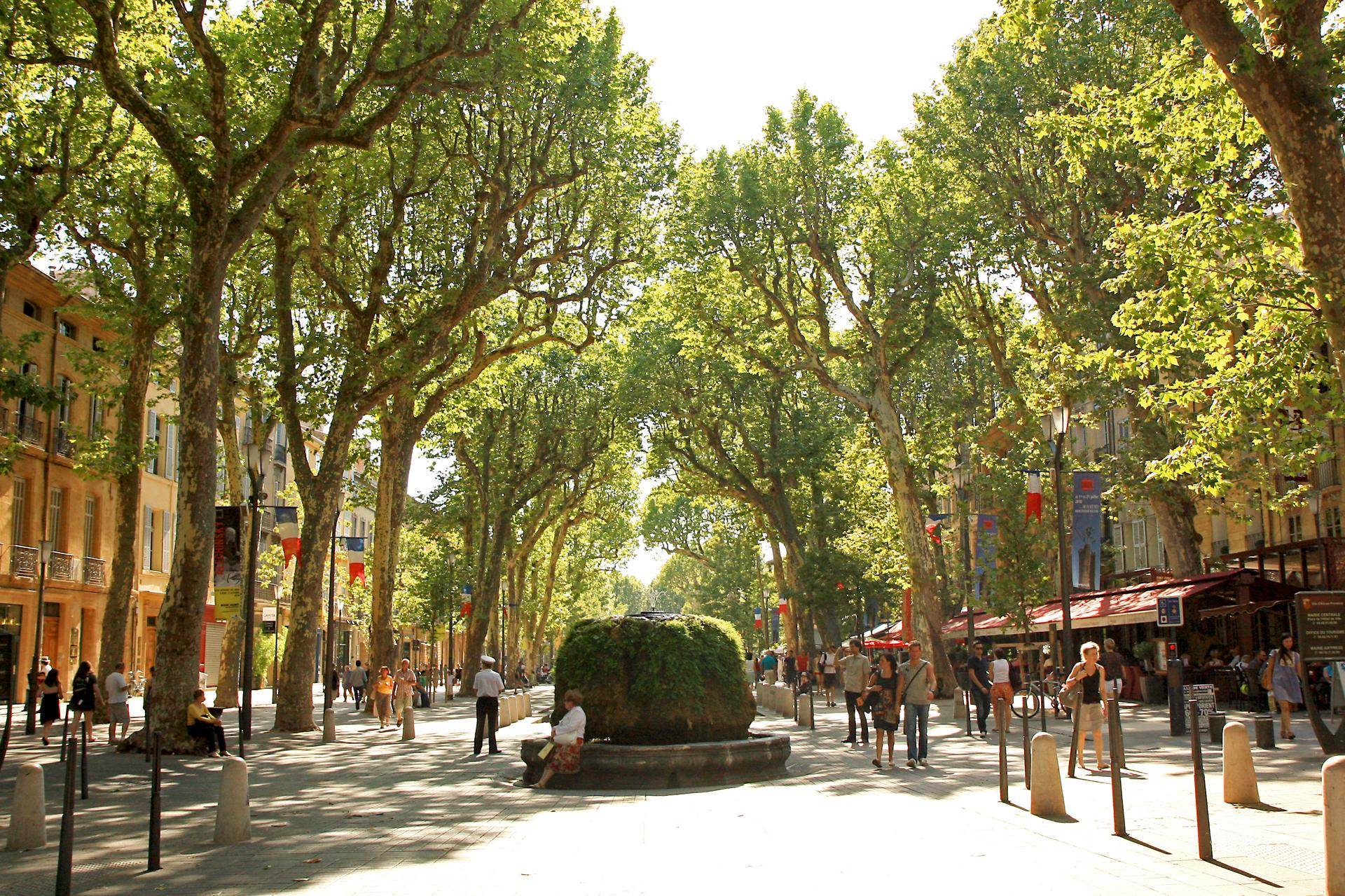
Looking beyond Maison Natale de Cezanne? Discover Aix En Provence for broader travel guides, local hot-spots, and regional highlights.
Explore Aix En Provence
Experience the heart of Aix-en-Provence at Place Richelme, a historic square alive with the colors, scents, and flavors of a traditional Provençal market, surrounded by charming cafes.
Explore the Statue Emile Zola in Aix-en-Provence, a significant tribute to the literary giant and a must-see for culture and history lovers.