Background

Fontaine Pascal: A Provençal Jewel

Discover Fontaine Pascal in Aix-en-Provence: a historic fountain showcasing Provençal artistry and resilience, fed by thermal waters and steeped in local charm.

4.2

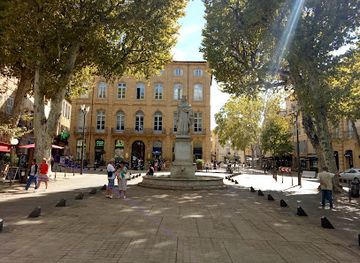
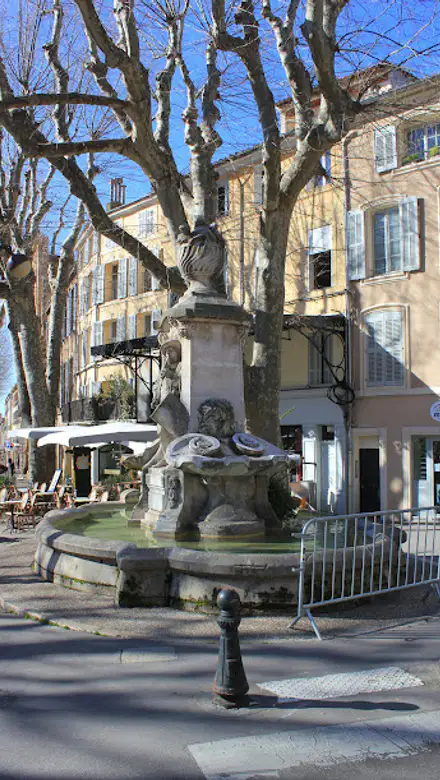
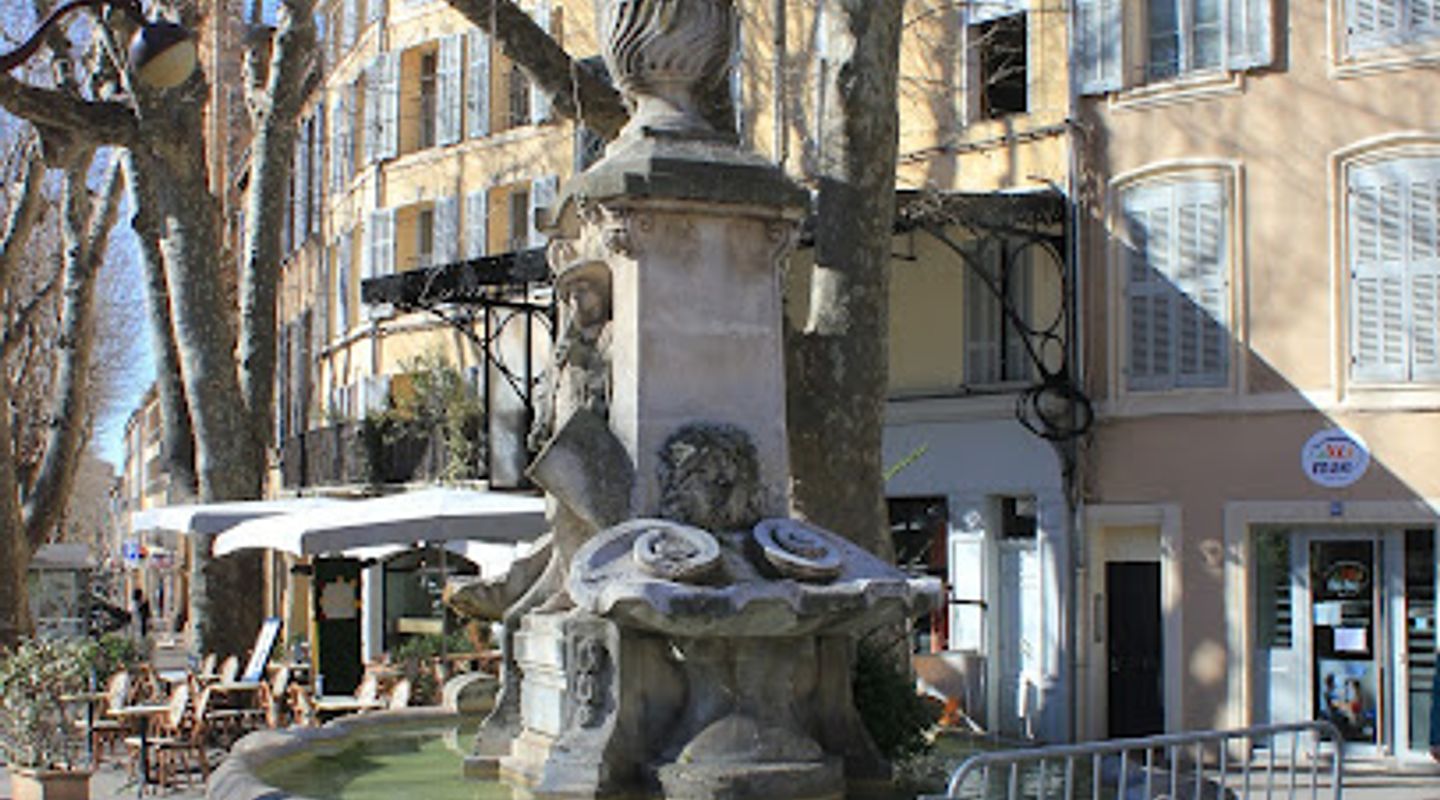
Fontaine Pascal, gracing the upper reaches of Cours Sextius in Aix-en-Provence, is more than just a fountain; it's a symbol of the city's resilience and artistic spirit. Its story began in 1713 with a simple fountain that struggled to provide enough water, leading to hardship during droughts. In 1833, a deeper well was dug, finally resolving the water scarcity. The current fountain, however, is a 1922 creation, a gift from Sylvain Pascal, a local merchant, designed by architect Lieutaud and sculpted by Baille. It features a farandole of Provençal women dancing atop an urn, with Bacchus figures spouting water into large shells. Fed by thermal waters, Fontaine Pascal offers a refreshing glimpse into Aix's history and artistic heritage, making it a must-see for any visitor exploring the city's charming streets and squares.

A brief summary to Fontaine Pascal

  • Monday 12 am-12 am
  • Tuesday 12 am-12 am
  • Wednesday 12 am-12 am
  • Thursday 12 am-12 am
  • Friday 12 am-12 am
  • Saturday 12 am-12 am
  • Sunday 12 am-12 am

Local tips

  • Visit early in the morning or late in the afternoon to avoid crowds and enjoy a more peaceful experience.
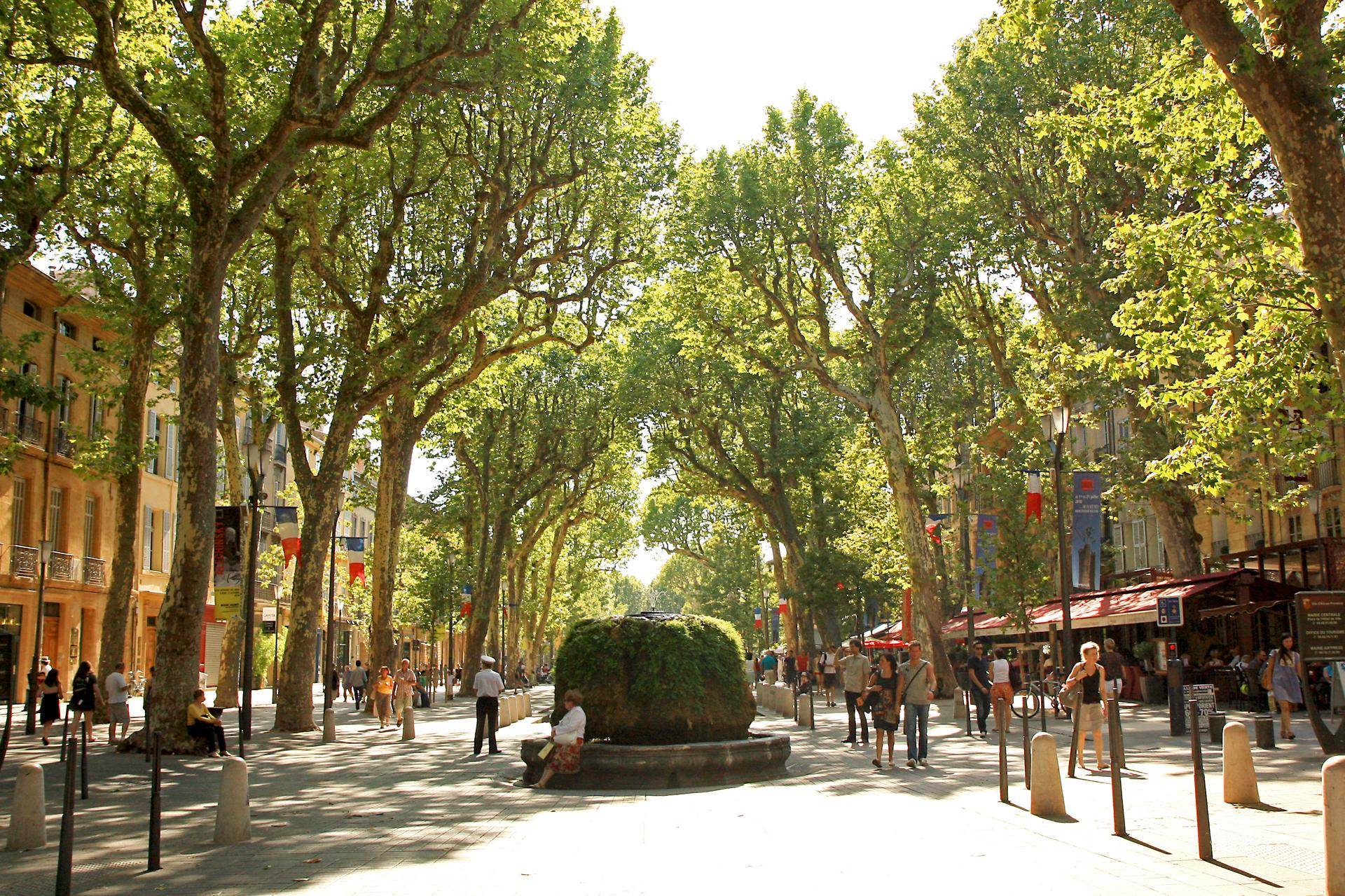
  • Take a stroll along Cours Sextius after visiting the fountain to explore the shops and cafes.
  • Bring a water bottle to fill with the fresh, thermal water from the fountain.
widget icon

Getting There

  • Walking

    Fontaine Pascal is located at the top of Cours Sextius, easily accessible on foot from most central locations in Aix-en-Provence. From the Rotonde fountain at the bottom of Cours Mirabeau, walk north along Cours Mirabeau, then turn right onto Cours Sextius. The fountain will be directly ahead. The walk is approximately 5-10 minutes. No costs are associated with this approach.

  • Public Transport

    If arriving by bus, disembark at a stop along Cours Mirabeau or near the Rotonde. From there, follow the walking directions. Several bus lines serve this area. A single ticket costs approximately €1.60.

  • Taxi/Ride-Share

    A taxi or ride-share from the Aix-en-Provence train station (Gare d'Aix-en-Provence) to Fontaine Pascal will cost approximately €10-€15, depending on traffic. The journey takes about 5-10 minutes. Ask the driver to drop you off at the top of Cours Sextius.

  • Driving

    Driving directly to Fontaine Pascal is not recommended due to pedestrianized zones and limited parking. The closest parking options are Parking Rotonde or Parking Carnot, both a short walk away. Expect to pay around €2.50-€3.50 per hour for parking.

Unlock the Best of Fontaine Pascal

Buy tickets

    No tickets available

Book tours with entry

    No tours available

Book tours without entry

    No tours available

Discover more about Fontaine Pascal

Fontaine Pascal, a prominent landmark in Aix-en-Provence, stands proudly at the top of Cours Sextius, marking the entrance to the old city. This isn't just a water feature; it's a testament to Aix's history, its artistic inclinations, and the generosity of its citizens. The story of Fontaine Pascal begins much earlier than its current form. A fountain was initially erected on this site in 1713. However, this early fountain suffered from a critical flaw: its water source was insufficient. During periods of drought, the surrounding neighborhood faced severe water shortages, leading to hardship and even contributing to the spread of disease. For years, the residents endured these cyclical crises. In 1833, a significant effort was undertaken to address the persistent water problem. A well was dug deeper, tapping into a more reliable water source. This proved to be a turning point, finally providing a stable water supply to the area. To commemorate this success and to erase the memory of the previous hardships, the old fountain, a symbol of scarcity and disease, was demolished, and a new fountain with four pipes was constructed in its place. However, the story doesn't end there. In 1922, Sylvain Pascal, a wealthy merchant from Rue des Cordeliers, decided to honor the residents of his district with a more prestigious and symbolic monument. He commissioned a new fountain, one that would embody the beauty and charm of Provence. This is the Fontaine Pascal that stands today. The monument was designed by the architect Lieutaud and brought to life by the sculptor Baille. The design incorporates several key elements that reflect Provençal culture and history. At the top of the fountain, atop an elegant urn, four young Provençal women are depicted dancing the farandole, a traditional folk dance of the region. A tambourin player, a musician playing a small drum, accompanies them on the pedestal, adding to the lively scene. On each side of the central block, youthful figures of Bacchus, the Roman god of wine and revelry, are sculpted. These figures feature pipes from which water flows into two large shells, creating a visually appealing and refreshing display. The fountain is directly fed by the thermal waters of Aix, as well as the waters from the Cordeliers spring, ensuring a constant flow. Fontaine Pascal is more than just a pretty fountain. It's a symbol of the city's ability to overcome adversity, a celebration of Provençal culture, and a reminder of the importance of community. Its location at the top of Cours Sextius makes it a natural meeting point and a popular spot for locals and tourists alike. The fountain's design reflects the Neo-Classical style, popular in the early 20th century, blending harmoniously with the surrounding architecture of Aix-en-Provence. The use of local stone and the incorporation of Provençal figures further enhance its connection to the region. Visiting Fontaine Pascal offers a moment of respite and reflection. The sound of the flowing water, the intricate details of the sculptures, and the historical significance of the site all contribute to a unique and memorable experience. It's a place to pause, admire the artistry, and appreciate the rich history of Aix-en-Provence. Moreover, Fontaine Pascal is conveniently located near other attractions in Aix-en-Provence. A short walk down Cours Sextius leads to the heart of the city, with its charming shops, cafes, and historical buildings. The fountain also serves as a gateway to the old city, with its narrow, winding streets and hidden squares. Fontaine Pascal has been recognized as a historical monument since 1929, ensuring its preservation for future generations. It stands as a testament to the enduring beauty and cultural significance of Aix-en-Provence. Whether you're a history buff, an art lover, or simply looking for a peaceful spot to relax, Fontaine Pascal is a must-see destination in Aix-en-Provence. It's a place where history, art, and community come together to create a truly special experience. Take a moment to appreciate the intricate details of the sculptures, the refreshing sound of the water, and the historical significance of this iconic landmark. Fontaine Pascal is a true gem of Aix-en-Provence, a testament to the city's rich history, artistic spirit, and enduring charm. It's a place where you can connect with the past, appreciate the present, and imagine the future of this beautiful Provençal city. As you stand before Fontaine Pascal, consider the generations of people who have gathered here, drawn to its beauty and its symbolic significance. It's a place where memories are made, stories are shared, and the spirit of Aix-en-Provence lives on. Fontaine Pascal is more than just a fountain; it's a living monument to the history, art, and culture of Aix-en-Provence. It's a place that will stay with you long after you've left, a reminder of the beauty and charm of this enchanting city.

Popular Experiences near Fontaine Pascal

Popular Hotels near Fontaine Pascal

Select Currency