Background

Basilique Notre-Dame de Brebières: A Symbol of Faith and Resilience

Discover the Basilique Notre-Dame de Brebières in Albert, a symbol of resilience and faith, showcasing stunning neo-Byzantine architecture and panoramic views in the heart of the Somme.

4.6

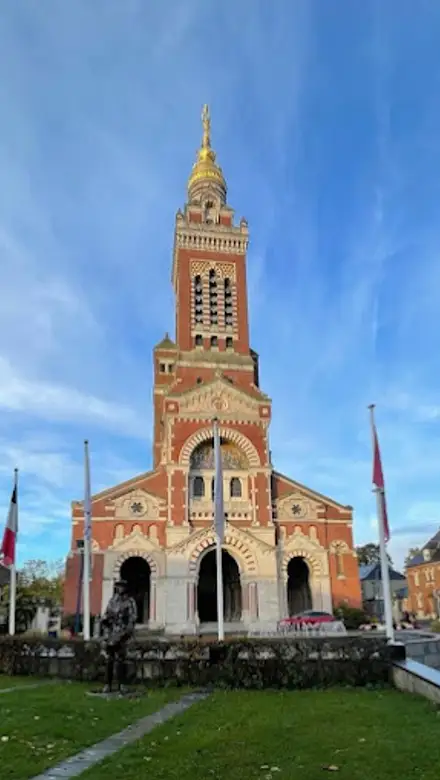
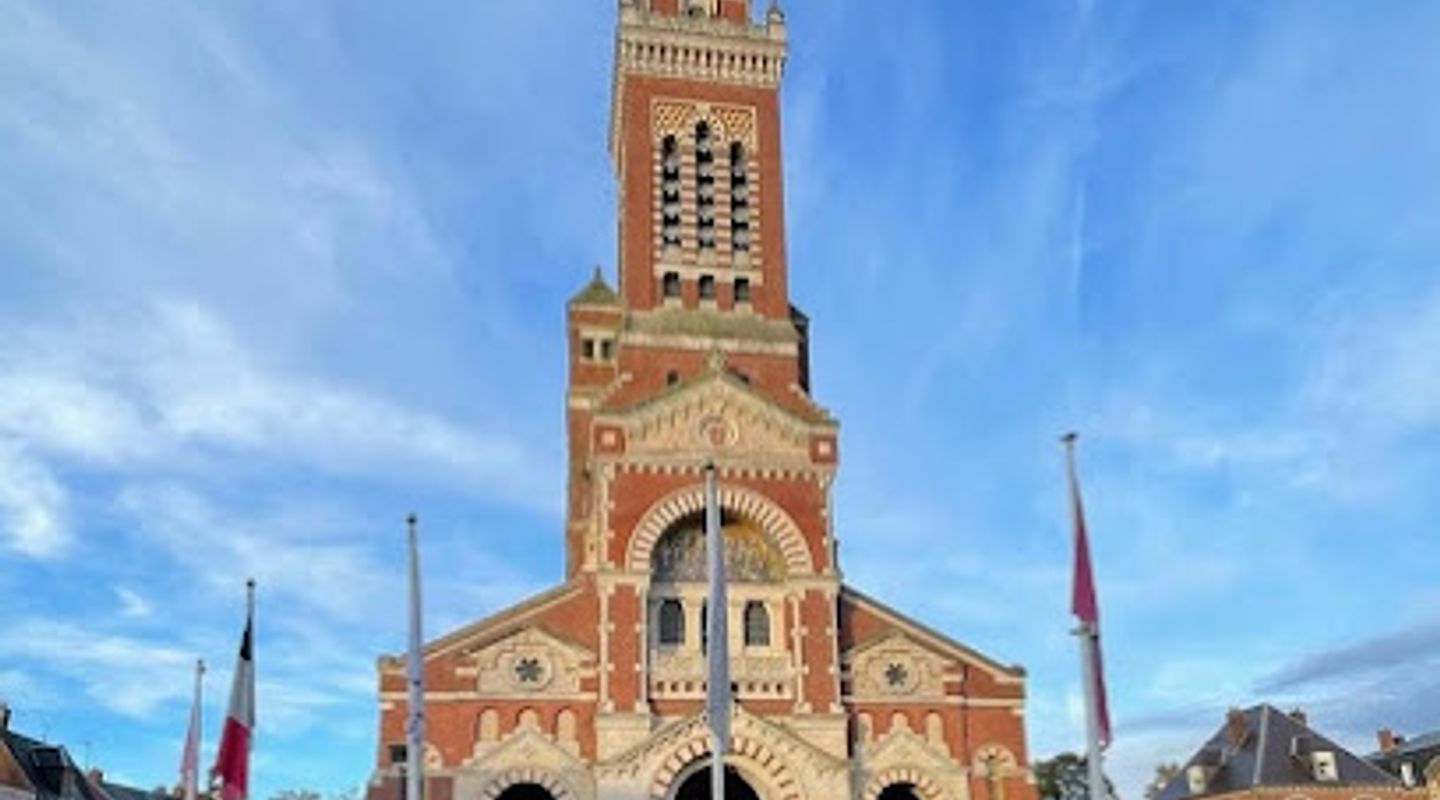
The Basilique Notre-Dame de Brebières, a beacon in Albert, France, stands as a testament to faith, resilience, and architectural grandeur. Originally built in the late 19th century in a striking neo-Byzantine style, it was almost entirely destroyed during World War I, save for its iconic golden statue of the Virgin Mary, which, though precariously tilted, remained standing. Reconstructed in the interwar period, the basilica is a major pilgrimage site and a symbol of hope for the region. Visitors are drawn to its stunning mosaics, art deco statues, and the panoramic views from its bell tower, offering a unique blend of religious significance, historical weight, and artistic beauty. The basilica also houses a fourteenth-century statue of Notre-Dame de Brebières, adding to its rich history and spiritual importance. Its location in the heart of the Somme region, amidst significant World War I sites, further enhances its appeal as a place of reflection and remembrance.

A brief summary to Basilique Notre-Dame de Brebières

Local tips

  • Visit the Musée Somme 1916, located in the tunnels beneath the basilica, for a comprehensive insight into the region's role during World War I.
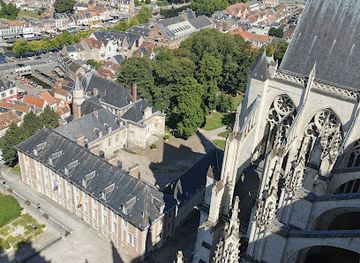
  • Climb the bell tower on Wednesdays or Saturdays (weather permitting) for panoramic views of Albert and the Somme valley.
  • Take time to admire the basilica's intricate mosaics and art deco statues, reflecting its neo-Byzantine architectural style.
  • Attend the novena celebrated in September to experience the basilica's significance as a pilgrimage site.
  • Explore the town of Albert, rebuilt in a mix of Flemish and Art Deco styles after World War I, and discover its charming streets and local cuisine.
widget icon

Getting There

  • Walking

    From the Albert train station, the Basilique Notre-Dame de Brebières is approximately a 10-minute walk. Exit the station and head straight on Rue de la Gare. Turn left onto Rue Gambetta, and continue until you see the basilica on your right. The basilica is a prominent landmark in the town center.

  • Public Transport

    If arriving by bus, check local bus routes for stops near the town center or the Hôtel de Ville (Town Hall), which is a short walk from the basilica. Bus fares vary depending on the distance, but a single trip within the town typically costs around €2.

  • Taxi/Ride-Share

    Taxis are available in Albert, particularly around the train station. A taxi or ride-share from the train station to the basilica will cost approximately €8-€12, depending on traffic.

  • Driving

    If driving, parking is available in Place Émile Leturcq, near the Mairie d'Albert (Town Hall), a short walk from the basilica. Parking is generally free. Be aware of local traffic regulations and pedestrian areas.

Unlock the Best of Basilique Notre-Dame de Brebières

Buy tickets

    No tickets available

Book tours with entry

    No tours available

Book tours without entry

    No tours available

q

Discover more about Basilique Notre-Dame de Brebières

The Basilique Notre-Dame de Brebières, dominating the skyline of Albert in the Somme department of France, is more than just a religious building; it's a symbol of resilience, faith, and the enduring spirit of a community that faced immense devastation during World War I. The basilica's history is intertwined with the region's profound historical significance, making it a compelling destination for those seeking to understand the past and appreciate the beauty of neo-Byzantine architecture. Originally constructed between 1885 and 1897, the basilica replaced a smaller parish church that had become insufficient to accommodate the growing number of pilgrims drawn to the site. Marian worship had been significant in this part of Picardy since the 11th and 12th centuries, and the late 19th century saw a resurgence in religious fervor, mirroring the popularity of pilgrimage sites like Notre-Dame de La Salette and Notre-Dame de Lourdes. The basilica's construction was spearheaded by Anicet Godin, the parish priest of Albert, who envisioned a grand structure that would reflect the region's deep-seated faith. The architect, Edmond Duthoit, drew inspiration from various architectural styles, including Byzantine, Romanesque, and Christian basilicas. The basilica's design also incorporated elements reminiscent of the Middle East, reflecting Duthoit's travels and studies. The structure was built primarily of brick and white stone, and its most striking feature was the 76-meter-high bell tower, topped by a gilded statue of the Virgin Mary holding the Child Jesus, created by sculptor Albert Roze. This statue quickly became an iconic symbol of Albert. During World War I, Albert found itself on the front lines of the Western Front, and the basilica suffered extensive damage from relentless shelling. On January 15, 1915, the basilica was struck, causing the golden statue of the Virgin to lean at a precarious angle. This leaning statue became a powerful symbol for soldiers on both sides of the conflict. Legend had it that when the Virgin fell, the war would end. The statue remained in its precarious position for over three years, becoming a haunting reminder of the war's devastation. In April 1918, during a British bombardment aimed at dislodging German forces, the bell tower finally collapsed, and the statue fell. While the legend proved somewhat accurate – the war ended later that year – the basilica's destruction was a profound loss for the community. After the war, the people of Albert were determined to rebuild their beloved basilica. The task was entrusted to Louis Duthoit, the son of the original architect, who meticulously reconstructed the building to its original design between 1927 and 1931. Today, the Basilique Notre-Dame de Brebières stands as a testament to the community's resilience and unwavering faith. The interior is adorned with stunning mosaics and art deco statues, creating a visually rich and spiritually uplifting space. Visitors can explore the basilica's chapels, admire the stained-glass windows, and learn about the history of the site through informative displays. The basilica also houses a fourteenth-century statue of Notre-Dame de Brebières, a relic of the site's long history as a place of Marian worship. One of the highlights of a visit to the basilica is the opportunity to climb the bell tower (open Wednesdays and Saturdays in good weather) and enjoy panoramic views of Albert and the surrounding Somme valley. From this vantage point, visitors can appreciate the region's beauty and reflect on its historical significance. Adjacent to the basilica is the Musée Somme 1916, a museum located in the tunnels beneath the basilica. This museum offers a moving and comprehensive account of World War I, with exhibits including uniforms, weapons, and life-size reconstructions of trenches and shelters. A visit to the Musée Somme 1916 provides a deeper understanding of the human cost of the war and the impact it had on the region. The Basilique Notre-Dame de Brebières is not only a place of religious significance but also a symbol of hope and renewal. Its history, architecture, and location in the heart of the Somme region make it a must-see destination for anyone interested in history, art, and the enduring power of the human spirit. Whether you are a pilgrim, a history buff, or simply a traveler seeking beauty and inspiration, the Basilique Notre-Dame de Brebières offers a unique and unforgettable experience.

Popular Experiences near Basilique Notre-Dame de Brebières

Popular Hotels near Basilique Notre-Dame de Brebières

Select Currency