Basilique Saint-Seurin Travel Guide
Free Guide: Explore Bordeaux's Christian heritage at Basilique Saint-Seurin, a UNESCO site with Romanesque architecture, a fascinating crypt, and a rich history on the Santiago de Compostela pilgrimage route.


A brief summary of Basilique Saint-Seurin
Explore Bordeaux's Christian heritage at Basilique Saint-Seurin, a UNESCO site with Romanesque architecture, a fascinating crypt, and a rich history on the Santiago de Compostela pilgrimage route.
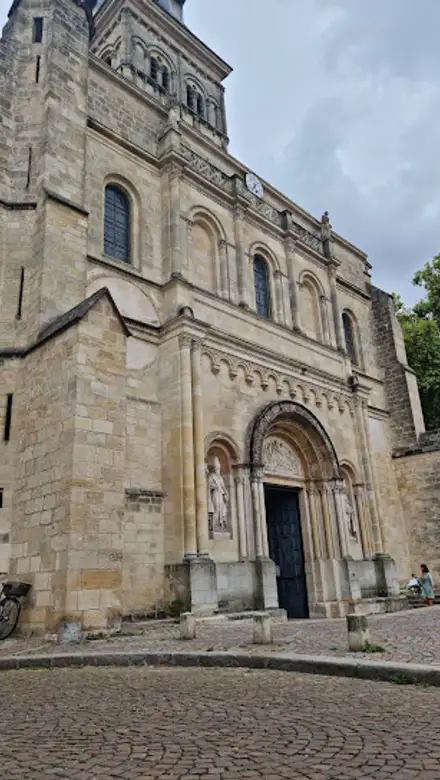
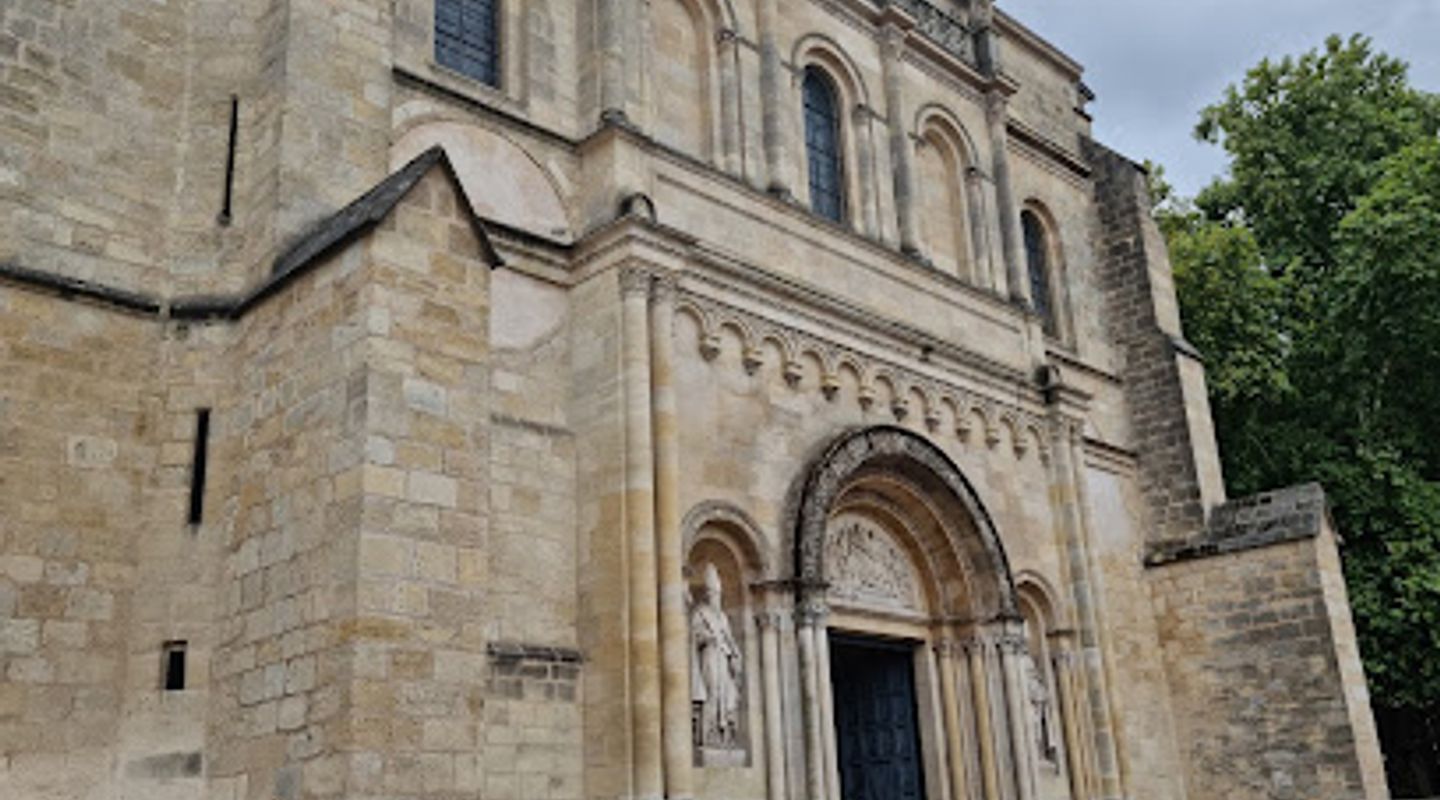
The Basilique Saint-Seurin, a UNESCO World Heritage site, stands as a testament to Bordeaux's rich Christian history. Founded in the 6th century, it evolved into a Romanesque masterpiece by the 11th century, becoming a vital stop on the pilgrimage route to Santiago de Compostela. Explore its stunning crypt, admire the Romanesque architecture, and discover the medieval furnishings, including the albâtre retables and the episcopal chair. The basilica's exterior showcases a blend of Roman, Gothic, and Renaissance elements, reflecting its long and fascinating history. While services are held regularly, the basilica also hosts concerts, blending spiritual and cultural experiences. Located on Place des Martyrs de la Résistance, it's easily accessible and offers a serene escape into Bordeaux's past.
Opening hours
- MonClosed
- Tue8:30 am–7:30 pm
- Wed8:30 am–7:30 pm
- Thu8:30 am–7:30 pm
- Fri8:30 am–7:30 pm
- Sat8:30 am–7:30 pm
- Sun8:30 am–7:30 pm
Opening hours as listed on the venue’s Google Business Profile. Hours can change for services and special events, so check with the venue before you go.
- Address
- Pl. des Martyrs de la Résistance, 33000 Bordeaux
- Phone
- Website
Getting there
Public Transport
Walking
Taxi/Ride-Share
Driving
Discover more about Basilique Saint-Seurin
Overview
Basilique Saint-Seurin, located on Place des Martyrs de la Résistance in Bordeaux, is more than just a church; it's a journey through time, offering a glimpse into the city's deep Christian roots and architectural evolution. Founded in the 6th century, the basilica has been a silent witness to Bordeaux's transformation, earning its place as a UNESCO World Heritage site in 1998 as part of the Routes of Santiago de Compostela in France. Originally built near the first cathedral of Bordeaux, the Église Saint-Étienne, and an extensive necropolis, Saint-Seurin quickly became a focal point for early Christianity in the region. The basilica is named after Saint Severinus of Cologne, the fourth bishop of Bordeaux and the city's patron saint. The early structure was destroyed during the Norman invasions in the 8th century, but its spirit lived on, leading to a grand reconstruction in the Romanesque style between the 11th and 13th centuries. As you approach the basilica, you're immediately struck by its architectural diversity. The exterior is a captivating blend of Romanesque, Gothic, and Renaissance elements, reflecting centuries of additions and renovations. The Romanesque bell tower, with its base dating back to the 11th century, stands proudly alongside later Gothic and Renaissance additions. The neo-Romanesque façade, added in the 19th century, features statues of Saint Seurin and Saint Amand, framing the entrance and depicting the meeting of these two important saints. Stepping inside, you'll find yourself immersed in a serene and spiritual atmosphere. The basilica's interior is a treasure trove of medieval furnishings and architectural details. The crypt, a remnant of the original 11th-century structure, is a must-see. Descend the winding staircase and explore this ancient space, supported by rows of porphyry columns. Here, you'll discover the relics of several saints, including Saint Seurin himself, adding to the crypt's mystique and historical significance. The basilica's chapels, added between the 14th and 16th centuries, showcase stunning examples of Gothic architecture. The Chapelle Notre-Dame-de-la-Rose, in particular, is renowned for its 15th-century albâtre retable depicting the life of the Virgin Mary. The episcopal chair, also dating from the 15th century, is another highlight, showcasing intricate carvings and masterful craftsmanship. Throughout the basilica, you'll find numerous statues, stained glass windows, and other artistic details that tell stories from the Bible and the lives of the saints. The stained glass windows, created by the Joseph Villiet workshop in the mid-19th century, depict scenes from the life of Saint Martial and the history of the ancient Saint-Seurin cemetery. Saint-Seurin's significance extends beyond its religious importance. For centuries, it served as a crucial stop for pilgrims on the Way of Saint James (Chemin de Saint-Jacques de Compostelle), a network of pilgrimage routes leading to the shrine of the Apostle Saint James the Great in Santiago de Compostela, Spain. The basilica provided shelter, spiritual guidance, and a place of rest for countless pilgrims on their arduous journey. Today, Basilique Saint-Seurin continues to be an active place of worship, with regular services held throughout the week. The basilica also hosts concerts and other cultural events, further enriching its role in the community. Whether you're drawn to its historical significance, its architectural beauty, or its spiritual atmosphere, a visit to Basilique Saint-Seurin is an unforgettable experience that connects you to the heart of Bordeaux's past. While exploring the area, take time to wander through the surrounding Saint-Seurin neighborhood. Known for its charming streets, bourgeois architecture, and proximity to the Jardin Public, this area offers a delightful blend of history, culture, and tranquility. Discover the nearby Palais Gallien, the ruins of a Roman amphitheater, or simply relax in one of the neighborhood's many cafes and restaurants. Basilique Saint-Seurin is more than just a monument; it's a living testament to Bordeaux's enduring spirit and its rich cultural heritage. A visit here is an opportunity to step back in time, connect with the past, and appreciate the beauty and resilience of this remarkable city.
Evendo Review Centre
 Google
Guest reviews
Explore Basilique Saint-Seurin on the map
A handpicked selection of must-see spots near Basilique Saint-Seurin, mapped for you.
Get your free copy of our complete guide to Basilique Saint-Seurin, delivered straight to you.
Everything on this page, from opening hours and how to get there to Eve’s tips and the best time to go, in one PDF you can read offline, print or share.
Already have an account? Sign in
Your Basilique Saint-Seurin guide is ready.
We'll send it to · Not you? Sign out

Getting your guide ready…
We are putting together a fresh copy of the Basilique Saint-Seurin guide. This can take up to a minute.
This can take a few moments. If your browser asks, choose Allow so the download can start. You'll find the guide in your Downloads folder.
Nothing happened? Download it again
Sorry, the guide is taking longer than usual. Please try again in a minute, or get it by email instead.
Unlock the best of Basilique Saint-Seurin
Skip-the-line tickets, guided tours with entry, and walking tours of the area, booked in a few clicks.


Other nearby places you may find interesting
The closest places of the same kind, if this one is not quite what you had in mind.
-
-
-
-
-


Swipe for more places
More to explore near Basilique Saint-Seurin

 Best experiences near Basilique Saint-Seurin
 Best hotels near Basilique Saint-Seurin
 Best landmarks near Basilique Saint-Seurin
 Best attractions near Basilique Saint-Seurin
 Best shops near Basilique Saint-Seurin
 Best restaurants near Basilique Saint-Seurin
 Best bars near Basilique Saint-Seurin
Do you manage this location?
Take control to get all the benefits, like improved information, better appearance, and stronger visibility across AI-powered discovery.
Explore more
Explore more of Aquitaine
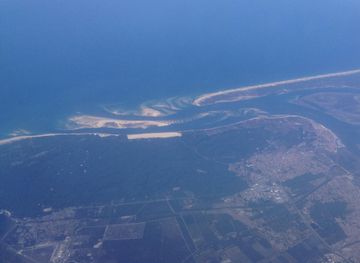
Discover Aquitaine, a stunning region in southwestern France known for its beautiful beaches, historic towns, and world-famous Bordeaux wines.
Explore Aquitaine
Explore more of France
Explore France: A land of romance, history, and unparalleled beauty, from the iconic streets of Paris to the serene landscapes of Provence and the luxury of the French Riviera.
Explore France