

Porte Dijeaux, Aquitaine Travel Guide
Discover Porte Dijeaux, Bordeaux's iconic neoclassical gate, a testament to the city's rich Roman past and architectural evolution, seamlessly blending history with the vibrant energy of modern Bordeaux.
Porte Dijeaux, also known as Porte Dauphine, is an iconic historical landmark in Bordeaux, France, dating back to the 18th century. This neoclassical gate, constructed between 1748 and 1753 under architect André Portier, stands as a testament to Bordeaux's transformation from a medieval town to a modern urban center. Its name, derived from the Latin 'Jovis,' meaning Jupiter, reflects its connection to Bordeaux's ancient Roman heritage. The gate features a central arch flanked by smaller pedestrian arches, adorned with intricate carvings and reliefs. Porte Dijeaux serves as a cultural hub, attracting visitors who seek to immerse themselves in the city's rich history and architectural beauty. It's a must-see for those exploring Bordeaux's historical center, offering a glimpse into the city's past and present.
A brief summary to Porte Dijeaux
- 90 Rue de la Prte Dijeaux, Bordeaux, 33000, FR
- Click to display

Know before you go
Hi, I'm Eve. Here are a few practical things to know before exploring Porte Dijeaux.
- Visit during the spring or autumn months for pleasant weather and fewer crowds.
- Explore nearby attractions such as Place Gambetta and Rue Sainte-Catherine to experience the local culture.
- Take a guided walking tour to learn more about the history and significance of Porte Dijeaux.
- Capture the beauty of the gate's neoclassical architecture with a camera, especially during the golden hour.
- Combine your visit with a stop at the Grand Théâtre de Bordeaux for a complete cultural experience.
Do you manage this location?
Take control to get all the benefits, like improved information, better appearance, and stronger visibility across AI-powered discovery. Learn more about listing your business on Evendo
Activate your presenceOther nearby places you may find interesting
The closest places of the same kind, if this one is not quite what you had in mind.
Explore Porte Dijeaux on the Map
A handpicked selection of must-see spots near Porte Dijeaux, mapped for you.
Unlock the Best of Porte Dijeaux
Buy tickets
-
No tickets available
Book tours with entry


Getting There
-
Walking
From Place Gambetta, walk east along Rue des Remparts towards Rue Porte Dijeaux. The gate will be directly ahead, framing the street. The walk is short and straightforward, taking only a few minutes. No costs are associated with this approach.
-
Public Transport
If arriving by tram, the closest stops are 'Gambetta' (lines B and C) or 'Grand Théâtre' (line B). From either stop, it's a short walk to Porte Dijeaux. From Gambetta, walk east along Rue des Remparts. From Grand Théâtre, walk west along Cours de l'Intendance, then turn left onto Rue Porte Dijeaux. A single tram ticket costs €1.70. A 24-hour ticket allowing unlimited travel is available for €5.50.
-
Taxi/Ride-Share
A taxi or ride-share from Bordeaux-Saint-Jean train station to Porte Dijeaux typically costs between €10-€13 and takes approximately 5 minutes, depending on traffic. From other locations in the city center, expect a similar fare for a short trip. Be aware of potential surge pricing during peak hours.
-
Driving
Driving directly to Porte Dijeaux is possible, but parking in the immediate vicinity can be challenging. Several parking garages are located nearby, including Parking Gambetta and Parking Grands Hommes. Hourly rates at these garages are around €0.80 per 15 minutes for the first 3 hours, then €0.60 per 15 minutes, with a daily maximum of €24. Consider that on the first Sunday of each month (except July and August), car-free days are implemented in the city center, potentially affecting access.
Discover more about Porte Dijeaux













Your all‑in‑one travel companion app
Explore expert travel guides, compare and book tours, experiences, hotels, and more—all from the palm of your hand. Download now for seamless trip planning wherever your wanderlust takes you.


Explore More of Aquitaine
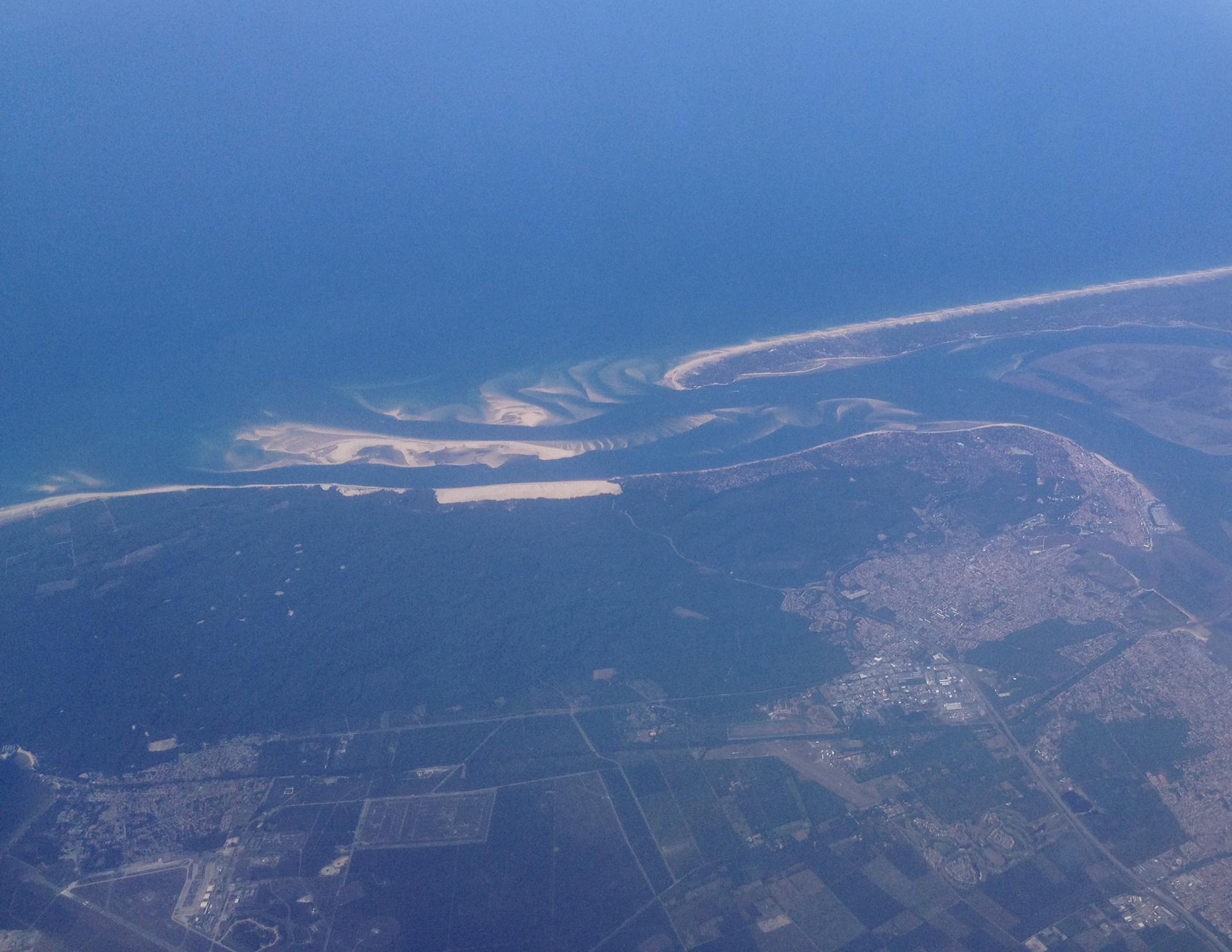
Looking beyond Porte Dijeaux? Discover Aquitaine for broader travel guides, local hot-spots, and regional highlights.
Explore Aquitaine
Discover centuries of European art at Bordeaux's premier fine arts museum, home to masterpieces by Rubens, Delacroix, and Picasso, and a vibrant hub for cultural enrichment.

Discover Place Gambetta in Bordeaux: a revitalized square blending history, lush gardens, and modern design in the heart of the city, offering a tranquil escape and cultural experience.
