Bordeaux's Maritime Past Unveiled
Explore Bordeaux's captivating maritime history at this Chartrons museum, uncovering centuries of nautical heritage, trade, and the figures who shaped the city's destiny.
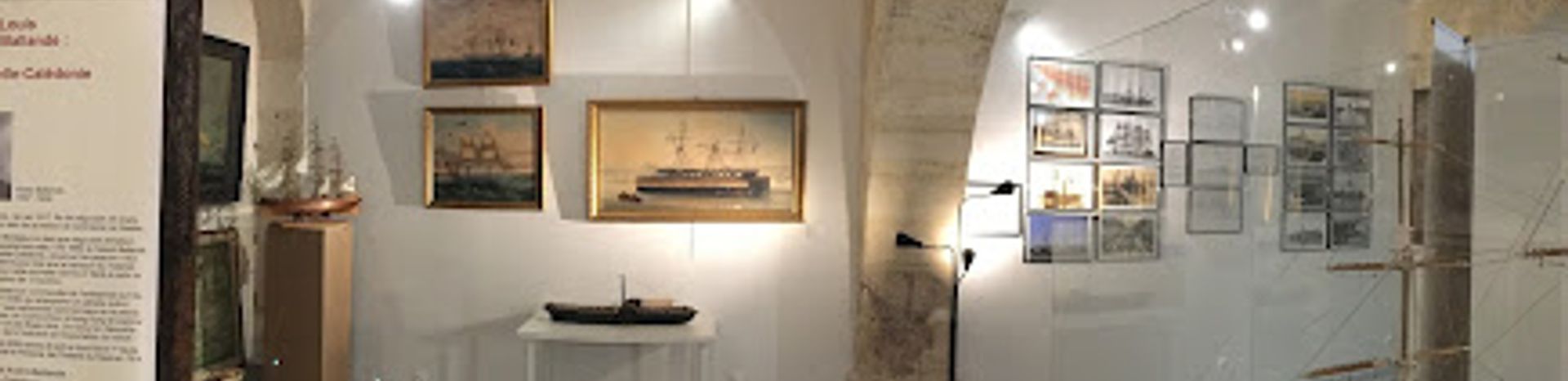
Delve into the rich maritime history of Bordeaux at the Musée de l'Histoire Maritime. Located in the Chartrons district, this museum showcases the city's deep connection to the sea, rivers, and port activities that shaped its identity. Through a collection of artifacts, models, and documents, visitors can explore the evolution of Bordeaux as a major trading hub, encountering stories of shipowners, navigators, and the historical figures who influenced its maritime legacy. The museum offers a fascinating glimpse into the past, revealing how Bordeaux's geographical location and maritime prowess contributed to its cultural and economic development. It's a journey through time, highlighting the city's enduring relationship with the water and its impact on the world.
A brief summary to Musée de l'Histoire Maritime de Bordeaux
- 31 Rue Borie, Bordeaux, 33300, FR
- +33554510639
- Visit website
- Monday 10 am-12 pm
- Tuesday 10 am-12 pm
- Wednesday 10 am-12 pm
- Thursday 10 am-12 pm
- Friday 10 am-12 pm
- Saturday 10 am-12 pm
- Sunday 10 am-12 pm
Local tips
- Combine your visit with a walk along the Garonne River quays to fully appreciate Bordeaux's maritime setting.
- Check the museum's website for temporary exhibitions and special events that may enhance your visit.
- Allow at least 2-3 hours to fully explore the museum's exhibits and learn about Bordeaux's maritime history.

Getting There
-
Public Transport
From central Bordeaux, the easiest way to reach the Musée de l'Histoire Maritime is by tram. Take Tram line B to the 'Chartrons' stop. From there, it's approximately a 10-minute walk along the quays to the museum. A single tram ticket costs around €1.70.
-
Walking
If you are already in the Chartrons district or near the Garonne River, walking to the museum is a pleasant option. Follow the quays northwards, keeping the river on your left. The museum is located on Rue Borie, a short distance from the main quayside. Look for the signs indicating the museum's location.
-
Taxi/Ride-Share
Taxis and ride-sharing services are readily available in Bordeaux. A taxi ride from the city center to the Musée de l'Histoire Maritime will typically cost between €10-€15, depending on traffic and the exact starting point.
-
Driving
If driving, be aware that parking in the immediate vicinity of the museum can be limited. There are some paid parking spaces along the quays, but these can fill up quickly, especially during peak season. Consider parking in the Chartrons area and walking to the museum. Parking fees typically range from €2-€3 per hour.
Discover more about Musée de l'Histoire Maritime de Bordeaux
Iconic landmarks you can’t miss

Marché des Quais
0.2 km
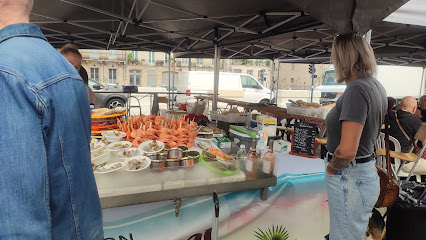
Experience the vibrant atmosphere of Bordeaux at the Marché des Quais, a Sunday morning market brimming with local flavors and crafts.
33Tour Bordeaux & Chateaux
0.3 km
Experience the rich culture and exquisite wines of Bordeaux with personalized tours from 33Tour Bordeaux & Chateaux, your local travel experts.
Port of the Moon Bordeaux
0.3 km
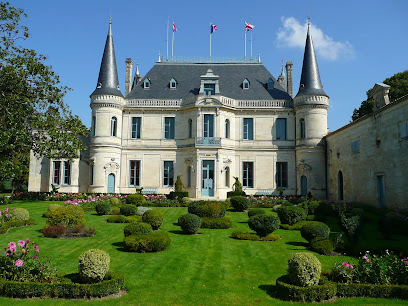
Experience the beauty and history of Bordeaux at the Port of the Moon, where stunning architecture meets vibrant culture along the Garonne River.
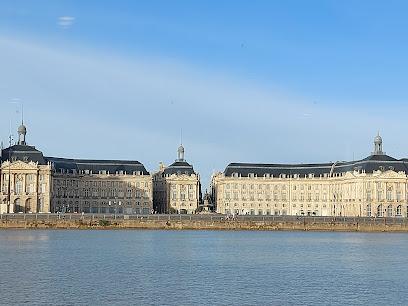
Autres Châteaux
0.3 km
Explore a curated selection of local and international wines at this welcoming Bordeaux wine store. Discover your new favorite vintage!
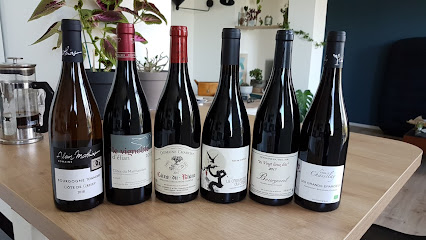
L'Atelier Dégustation
0.5 km
Immerse yourself in Bordeaux's wine culture with expert-led tastings at L'Atelier Dégustation in the historic Chartrons district. A sensory adventure awaits.
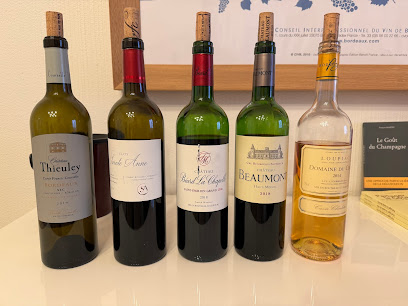
Wine Tour in France
0.5 km
Experience the enchanting Bordeaux with its world-class wine tours, stunning vineyards, and rich cultural heritage for an unforgettable visit.
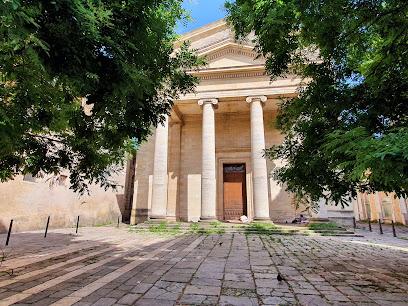
Temple des Chartrons
0.6 km
Explore the Temple des Chartrons in Bordeaux, a captivating historical landmark that blends stunning architecture with cultural vibrancy.
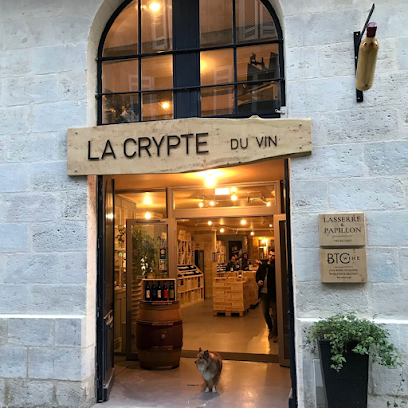
La Crypte du Vin
0.6 km
Discover rare vintages and unique wines from around the world in this intimate, underground cellar in Bordeaux's historic Chartrons district.
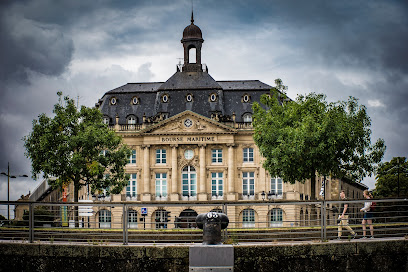
Maritime Stock Exchange Hotel in Bordeaux
0.7 km
Explore Bordeaux's maritime heritage at the Maritime Stock Exchange Hotel, a stunning architectural gem on Place Lainé.
Secrets de Vignes et de Chais
0.8 km
Discover Bordeaux's wine heritage with immersive vineyard tours, expert guides, and exquisite wine tastings in the heart of the world-renowned wine region.
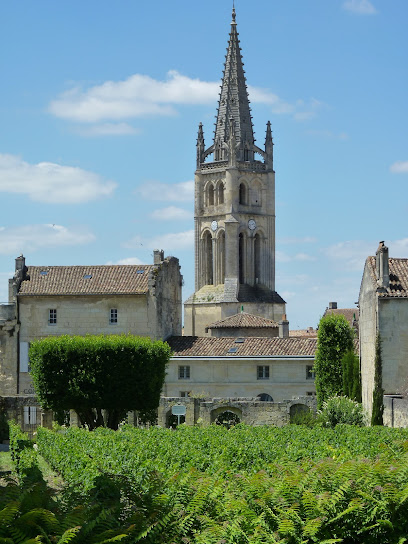
KRS Bordeaux Wine Tour & City Tour
0.8 km
Experience Bordeaux like never before with KRS Wine Tour & City Tour: a perfect blend of exquisite wines and rich cultural heritage.
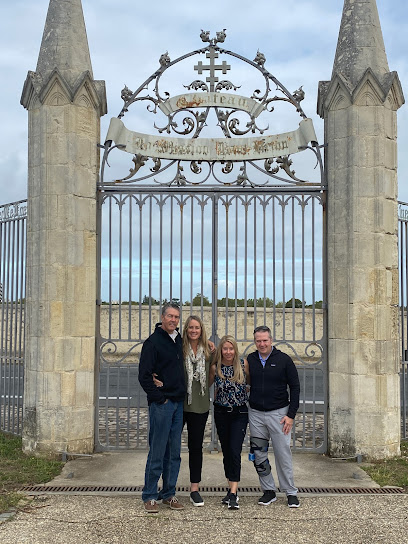
Crus et Domaines de France
0.8 km
Experience the legacy of Bordeaux wines at Crus et Domaines de France. Tours, tastings, and a deep dive into French viticulture await!
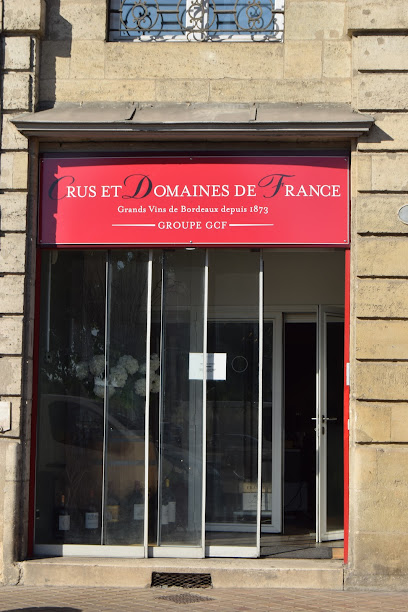
La Micro Winerie - Chai urbain à Bordeaux
0.9 km
Discover urban winemaking at La Micro Winerie in Bordeaux: tours, tastings, and workshops in a unique eco-friendly setting.
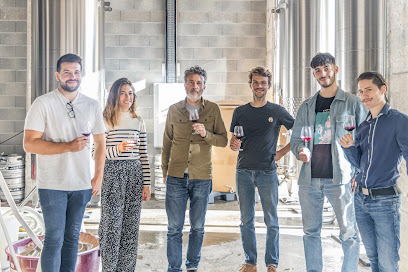
Les Bordeaux Itinéraires
0.9 km
Discover the enchanting Bordeaux Vineyards, where lush landscapes meet world-class wines in France's premier wine region.
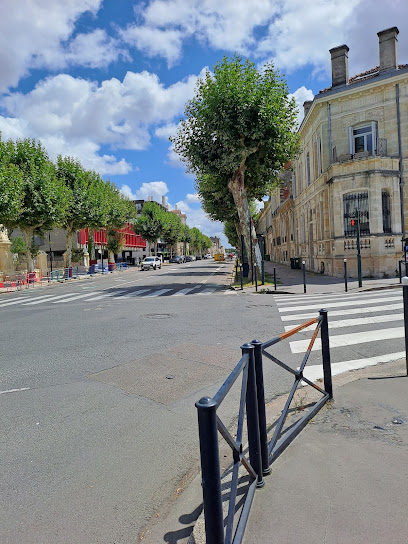
Bordeaux with Elodie - Wine Tours
1.0 km
Explore the enchanting vineyards of Bordeaux with Elodie and savor exquisite wines crafted in this world-renowned wine region.
Unmissable attractions to see

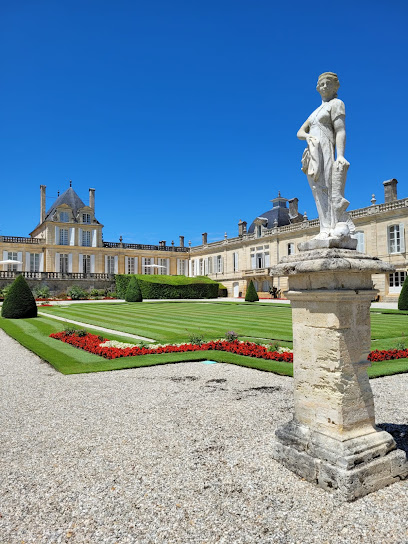
Musée du Vin et du Négoce de Bordeaux
0.1 km
Explore the captivating history of Bordeaux wine at the Musée du Vin et du Négoce, discover the secrets of négociants, and savor the flavors that have shaped a world-renowned wine region.
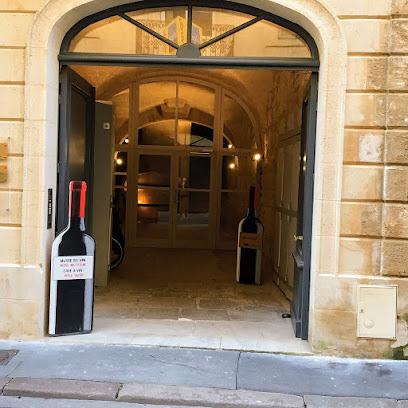
Quai des Chartrons
0.2 km
Explore Bordeaux's Quai des Chartrons: A historic waterfront district blending wine heritage with modern culture, trendy boutiques, and stunning Garonne River views.
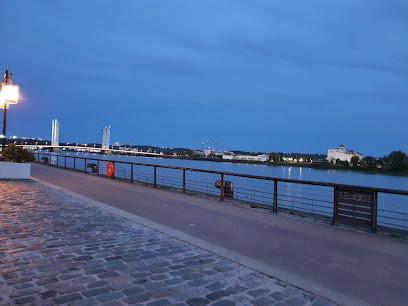
The wall. from Bordeaux
0.2 km
Experience the ever-changing canvas of urban art at The Wall. from Bordeaux, a dynamic open-air gallery in the historic Chartrons district, showcasing the best of contemporary street art.
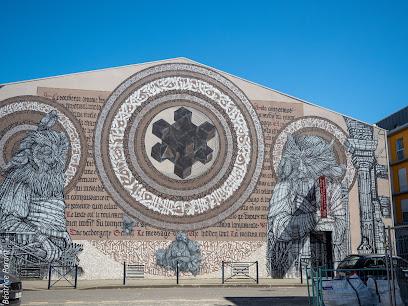
Les quais de Bordeaux
0.3 km
Experience the revitalized heart of Bordeaux along the Garonne River, where stunning architecture meets vibrant culture and leisure in a UNESCO World Heritage setting, offering a captivating blend of history and modern lifestyle.
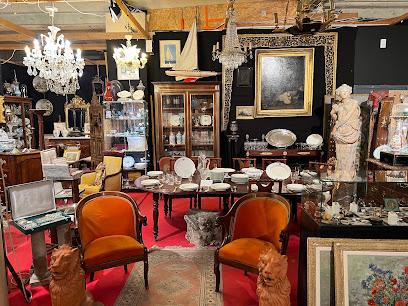
Village Notre-Dame
0.3 km
Discover a treasure trove of antiques and art in the heart of Bordeaux's historic Chartrons district at Village Notre-Dame, a haven for collectors and history enthusiasts.
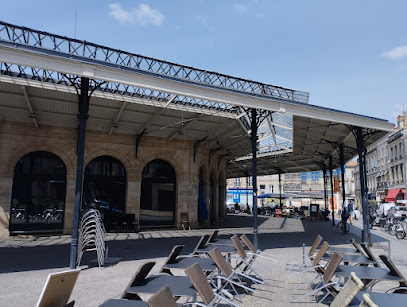
Halle des Chartrons
0.4 km
Discover Bordeaux's vibrant cultural scene at the Halle des Chartrons, a beautifully restored 19th-century market hall in the historic Chartrons district, hosting diverse events and surrounded by charming cafes.
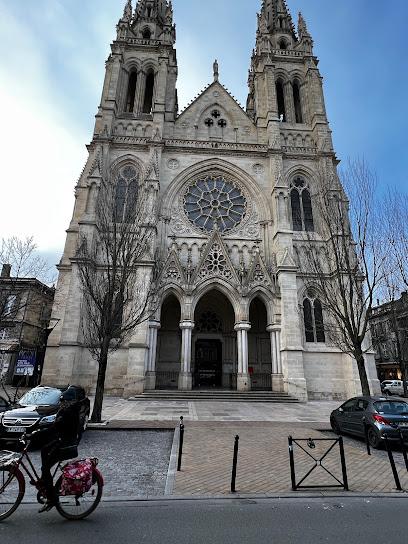
Église Saint-Louis des Chartrons
0.4 km
Discover the Église Saint-Louis des Chartrons in Bordeaux: a stunning Neo-Gothic church with soaring spires, intricate stained glass, and a rich history in the heart of the Chartrons district.
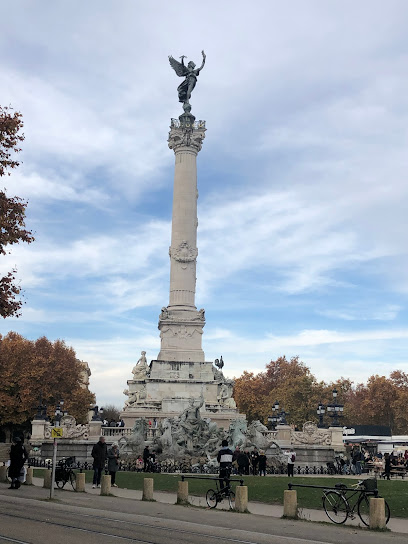
Quais de Bordeaux
0.4 km
Explore Bordeaux's revitalized waterfront: a blend of history, culture, and leisure along the Garonne River, offering stunning architecture and vibrant experiences.
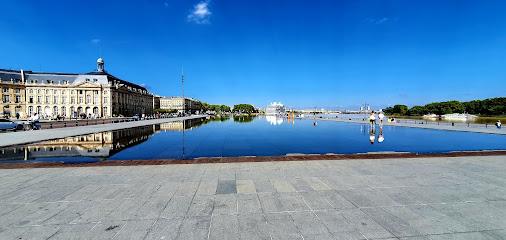
CAPC Musée d'art Contemporain de Bordeaux
0.7 km
Explore the innovative realm of modern art at CAPC Musée d'Art Contemporain de Bordeaux, a cultural landmark in the heart of the city.
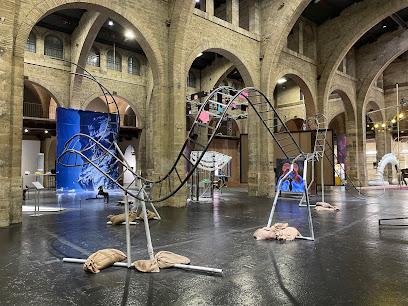
Le puit
0.8 km
Explore the intersection of technology and society at Le Puit, a unique library and public artwork in Bordeaux's Parc aux Angéliques, offering thought-provoking exhibits and resources.
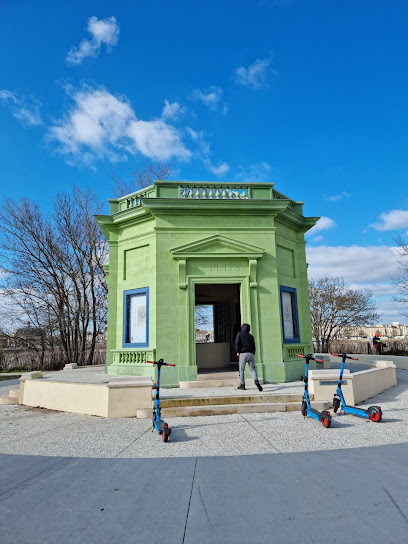
Arbre remarquable de France
0.8 km
Discover Bordeaux's natural heritage at this designated 'Remarkable Tree of France' near Jardin Public, a serene escape offering a unique perspective on the city's beauty and history.
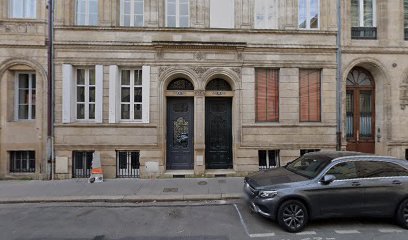
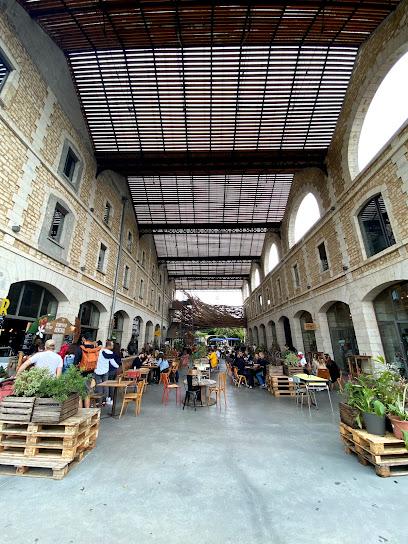
Darwin Eco-système
0.8 km
Discover Darwin Eco-système in Bordeaux: A vibrant urban space where sustainability, street art, and community converge, offering a unique and inspiring experience for every traveler.
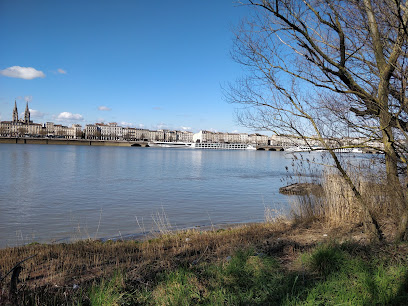
Parc aux Angéliques
0.8 km
Escape to Bordeaux's green riverbank at Parc aux Angéliques: a revitalizing blend of nature, history, and modern design along the Garonne, offering stunning city views and tranquil pathways.
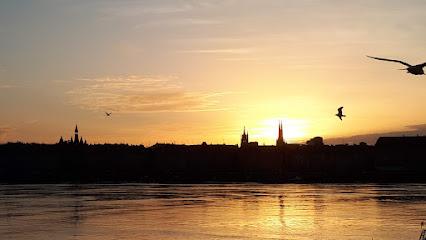
Quai des Queyries
0.9 km
Discover Bordeaux's vibrant right bank at Quai des Queyries: a blend of urban art, sustainable spaces, and stunning Garonne River views, offering a unique cultural experience.
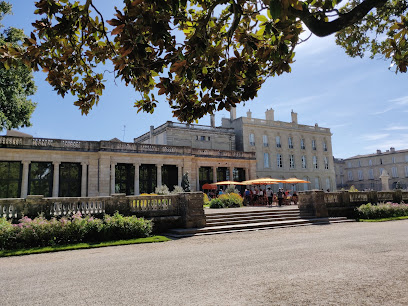
Jardin Public
0.9 km
Experience the natural beauty of Jardin Public, a beloved city park in Bordeaux, featuring lush gardens, tranquil pathways, and family-friendly spaces.
Essential places to dine

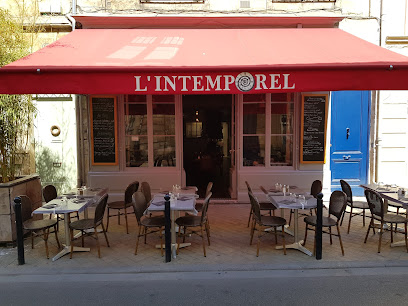
L INTEMPOREL
0.2 km
Experience authentic French cuisine at L'Intemporel in Bordeaux – where every dish tells a story of Southwest France's rich culinary heritage.
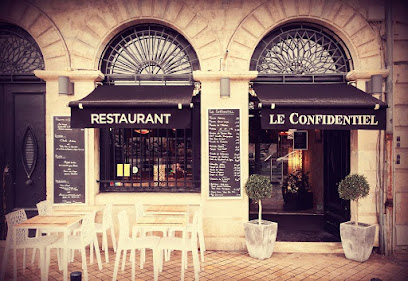
Le Confidentiel
0.2 km
Experience the essence of French cuisine at Le Confidentiel in Bordeaux - where elegance meets culinary excellence along the Garonne River.
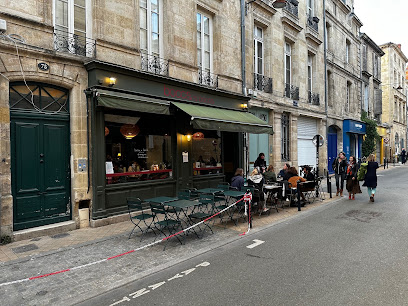
LA BOCCA – Votre épicerie italienne à Bordeaux
0.3 km
Discover authentic Italian flavors at La Bocca in Bordeaux – your go-to destination for gourmet groceries and delightful dining.
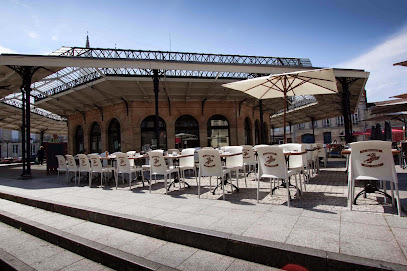
Le Bistrot des Anges
0.3 km
Experience exquisite French cuisine and craft beer at Le Bistrot des Anges in Bordeaux – where tradition meets innovation.
El Nacional
0.3 km
Discover El Nacional in Bordeaux: A sophisticated restaurant blending traditional French cuisine with modern elegance for an unforgettable dining experience.
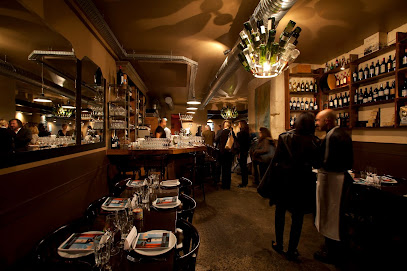
Le Bistrot (Vatel)
0.4 km
Experience exquisite haute French cuisine at Le Bistrot (Vatel), where every dish tells a story and every meal is a celebration of flavor.
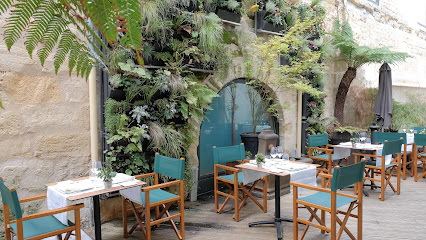
Chez Dupont
0.4 km
Experience authentic French cuisine at Chez Dupont, where tradition meets modern dining in the heart of Bordeaux.
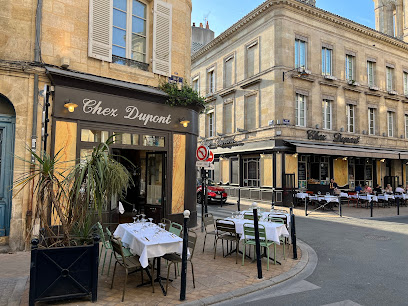
Lil'Home
0.4 km
Experience the unique flavors of Bordeaux at Lil'Home, where traditional French cuisine meets contemporary elegance in a cozy setting.
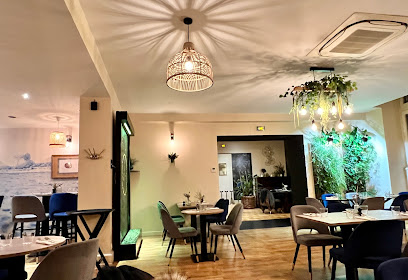
La Causerie des Chartrons
0.5 km
Savor authentic French cuisine at La Causerie des Chartrons in Bordeaux – where tradition meets innovation in every delicious dish.
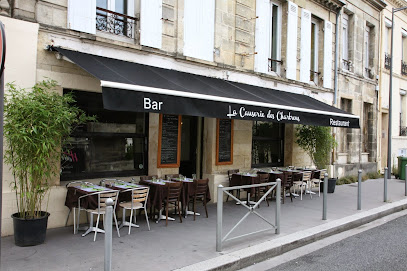
Luna Restaurant
0.5 km
Savor authentic French cuisine at Luna Restaurant in Bordeaux – where culinary artistry meets exceptional hospitality.
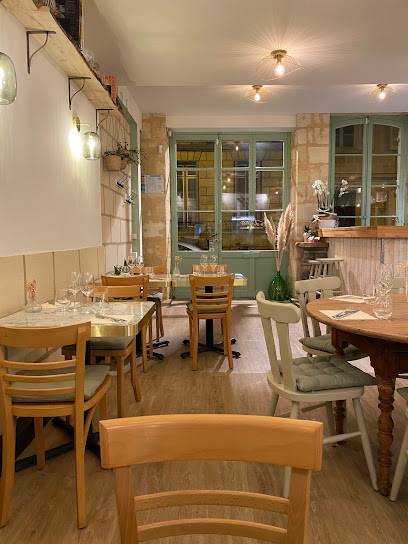
Le K Baroque
0.6 km
Experience authentic French cuisine at Le K Baroque - where exquisite flavors meet stunning riverside views in Bordeaux.
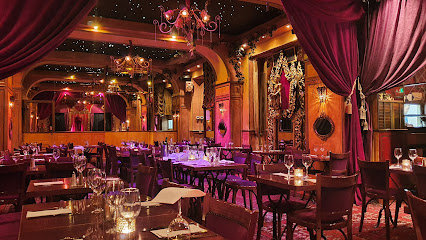
Le 1925
1.2 km
Experience authentic French cuisine at Le 1925, a charming brasserie in Bordeaux offering delightful dishes and a warm atmosphere.
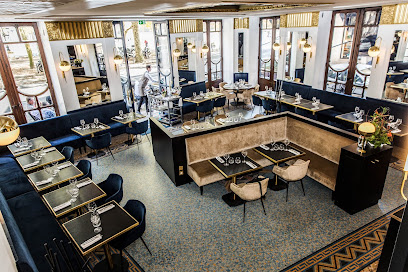
Paus'k
1.2 km
Experience authentic French cuisine at Paus'k in Bordeaux - where local flavors meet exceptional service.
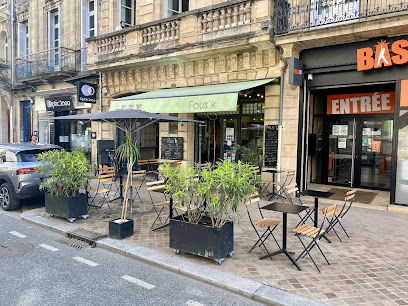
CAIRN
1.2 km
Experience the best of French cuisine at Cairn in Bordeaux—where gourmet dishes meet exceptional craft beer.
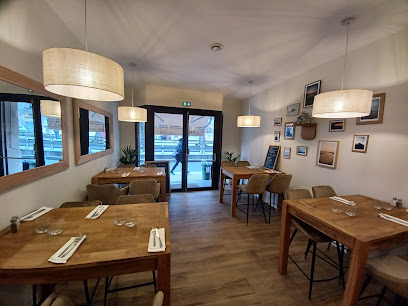
Le Comptoir de Sèze
1.2 km
Experience exquisite French cuisine at Le Comptoir de Sèze in Bordeaux – where tradition meets elegance.

Markets, malls and hidden boutiques

Flouche
0.1 km
Explore Flouche in Bordeaux for unique souvenirs, local delicacies, and artisan treasures that capture the heart of the region.
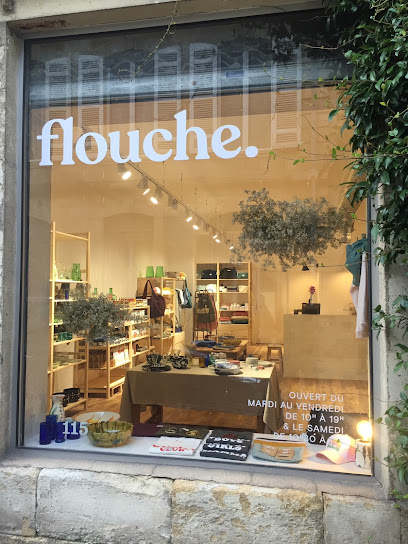
Wineandco
0.2 km
Explore the finest wines of Bordeaux at Wineandco, your premier liquor store for exceptional selections and tastings in the heart of the city.
Bordeaux
0.2 km
Discover Bordeaux: A gem of French elegance, renowned for its wine, rich history, and charming streets, perfect for travelers seeking culture and gastronomy.
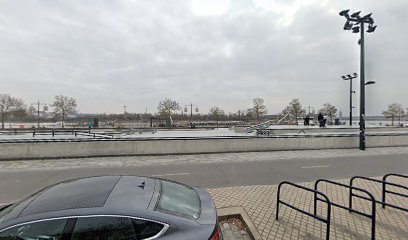
Do you speak French?
0.2 km
Discover the charm of Bordeaux shopping at 'Do you speak French?' - your destination for cosmetics, jewelry, home goods, and stationery.
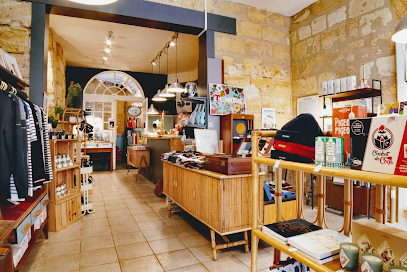
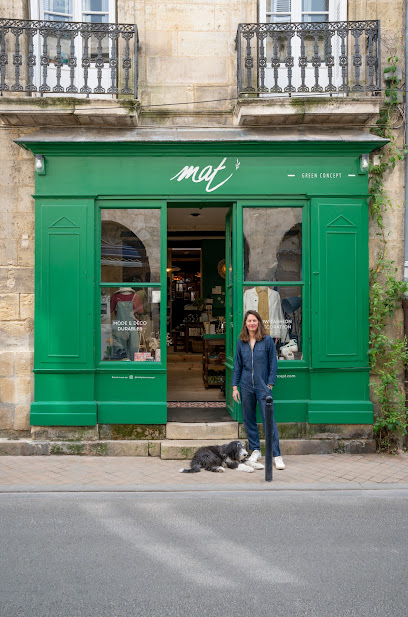
MAT Green Concept
0.3 km
Explore MAT Green Concept in Bordeaux for a chic selection of sustainable clothing, beauty products, and home decor that embodies the city's fashion-forward spirit.
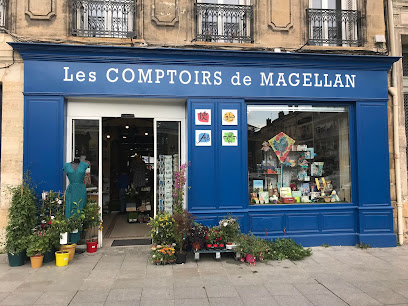
Les Comptoirs de Magellan Chartrons
0.4 km
Explore unique gifts and souvenirs that capture the spirit of Bordeaux at Les Comptoirs de Magellan Chartrons, a charming gift shop in the heart of the city.
UN MATIN D'AUTOMNE la boutique - Shopping et Relooking à Bordeaux
0.4 km
Experience a unique blend of fashion, art, and personal styling at UN MATIN D'AUTOMNE in Bordeaux – where creativity meets style.
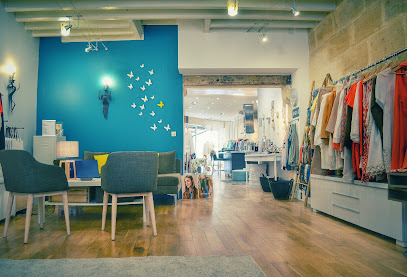
Urban Kustom Shop
0.5 km
Explore the vibrant fashion scene at Urban Kustom Shop, where style meets individuality in the heart of Bordeaux.
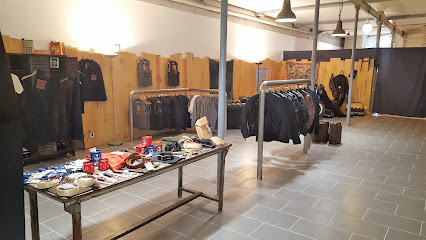
A CBD SHOP Bordeaux Chartrons
0.5 km
Explore the finest CBD products in Bordeaux's Chartrons district, where quality meets community in a vibrant shopping experience.
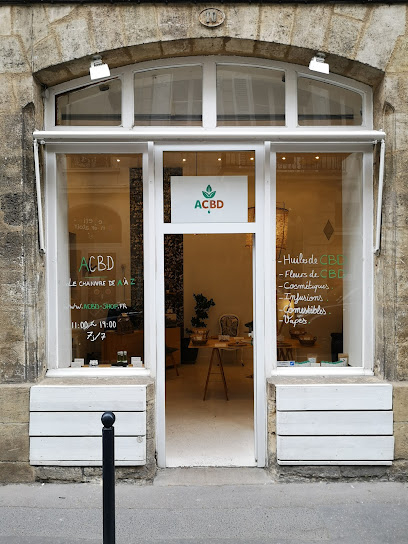
Bordeaux Blends
0.5 km
Explore Bordeaux Blends, where wine enthusiasts find the finest selections and rich heritage of Bordeaux’s viticultural excellence.
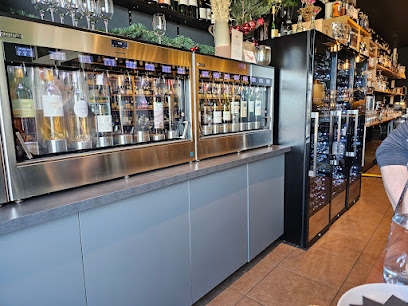
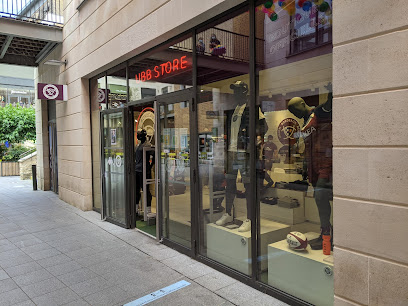
Boutique Officielle de l'Union Bordeaux Bègles Rugby
0.7 km
Explore the official store of Union Bordeaux Bègles, where rugby passion meets local culture in a vibrant shopping experience.
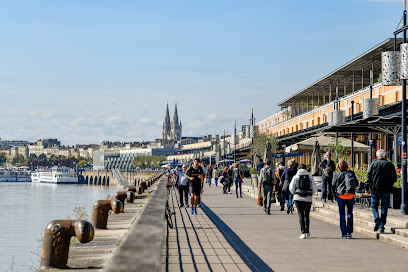
Bord'eau Village
0.7 km
Bord'eau Village in Bordeaux: A vibrant blend of gourmet shopping, coworking spaces, and rich historical experiences along the scenic waterfront.
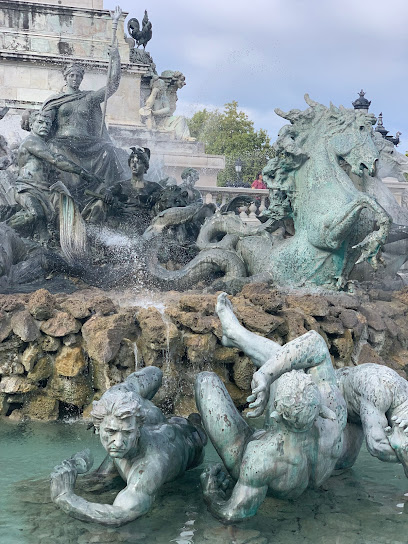
Le porteur de souvenirs-Bordeaux
1.1 km
Explore Le porteur de souvenirs-Bordeaux for exquisite gift baskets filled with local delights and authentic souvenirs from the heart of Bordeaux.
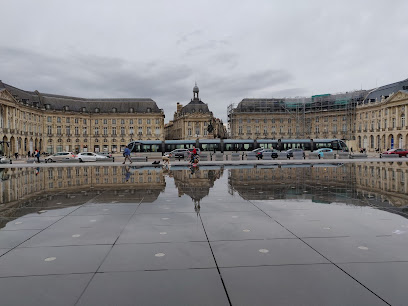
Centre Commercial Europe
1.2 km
Explore the vibrant Centre Commercial Europe in Bordeaux for an unforgettable shopping and dining experience in a heartwarming atmosphere.
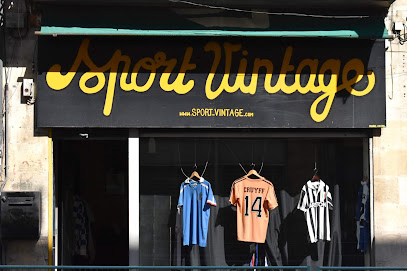
SPORT VINTAGE
1.2 km
Explore Sport Vintage in Bordeaux for unique vintage and contemporary sportswear that combines style and performance for every athlete and fashion lover.
Essential bars & hidden hideouts

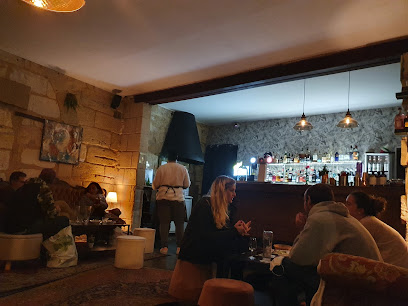
Le Bar A2
0.0 km
Discover Le Bar A2, Bordeaux's chic cocktail bar offering innovative drinks and a relaxing lounge atmosphere perfect for unwinding after a day of exploration.
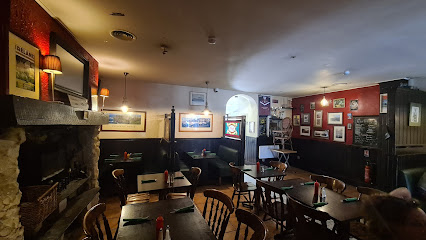
Molly Malone's
0.2 km
Discover the charm of Molly Malone's, an Irish pub in Bordeaux offering delicious food, lively music, and a warm atmosphere for every traveler.
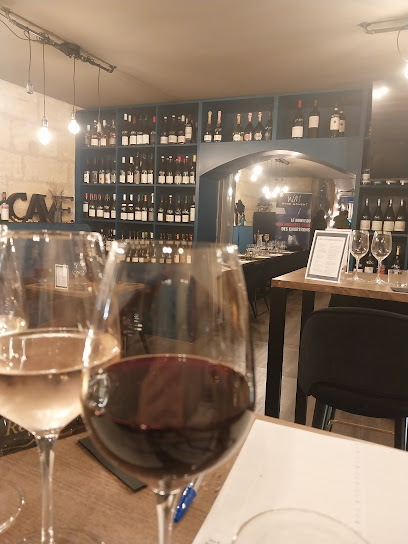
WINE MOMENT
0.2 km
Experience the art of wine and gourmet cuisine at Wine Moment, a Bordeaux gem blending exquisite tastes with artistic ambiance.
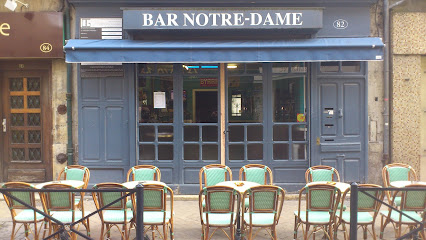
BAR NOTRE DAME
0.3 km
Unwind at Bar Notre Dame, a cozy Bordeaux bar offering a delightful selection of drinks in a vibrant atmosphere.
The Market Tavern
0.3 km
Experience the vibrant atmosphere of The Market Tavern in Bordeaux, where locals gather for excellent drinks and hearty pub fare.
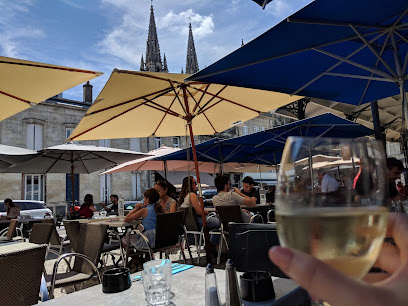
Fire walk
0.5 km
Discover the vibrant atmosphere and creative cocktails at Fire Walk, Bordeaux's must-visit bar for a memorable night out.
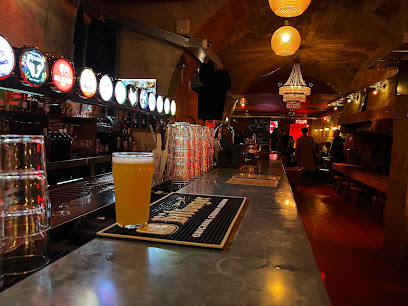
Le Sobre Chartrons
0.5 km
Experience the essence of Bordeaux at Le Sobre Chartrons, where exquisite wines and local cuisine meet in a charming riverside setting.
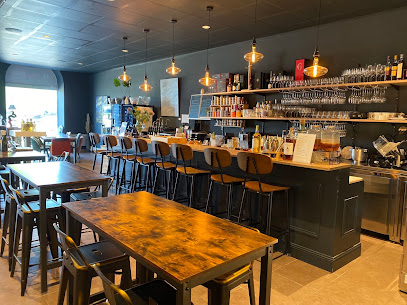
YARRA
0.5 km
Experience the essence of Bordeaux at YARRA, a charming wine bar offering exquisite selections and a vibrant atmosphere in the heart of the city.
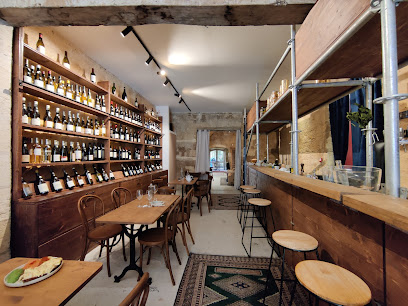
PAPILLON
0.6 km
Experience the elegance of Papillon, a premier cocktail bar and restaurant in Bordeaux, where exquisite drinks meet culinary artistry along the scenic Quai des Chartrons.
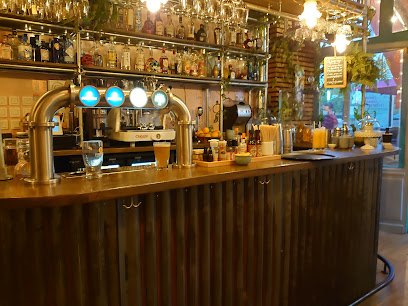
Symbiose
0.6 km
Discover the vibrant flavors of Bordeaux at Symbiose, where innovative cocktails and exquisite French cuisine create an unforgettable dining experience.
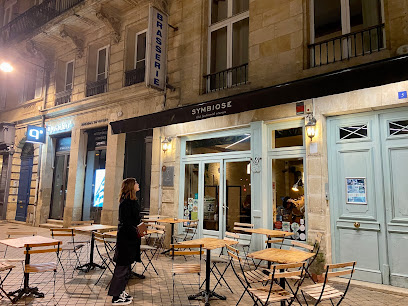
La Guinguette Chez Alriq
0.7 km
Experience the vibrant atmosphere and delectable tapas at La Guinguette Chez Alriq, a top culinary destination in Bordeaux's Port Bastide.
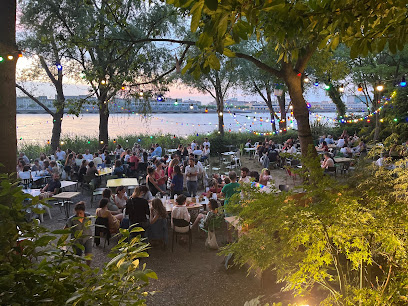
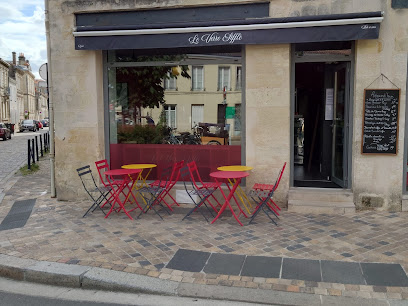
Le verre sifflé
1.0 km
Explore the enchanting world of Bordeaux wines at Le Verre Sifflé, a charming wine bar and cellar in the heart of the city.
The Dog and Duck
1.2 km
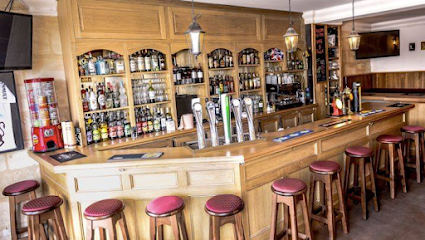
Experience the vibrant atmosphere of The Dog and Duck, a charming bar in Bordeaux offering local drinks and stunning river views.
ROCKWOOD
1.2 km
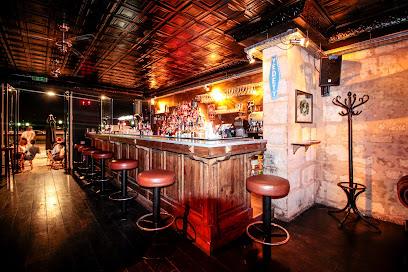
Experience the vibrant nightlife of Bordeaux at Rockwood, a lively bar offering craft beers, cocktails, and tapas along the beautiful Garonne River.
L'ampélo, bar et cave à vin
1.2 km
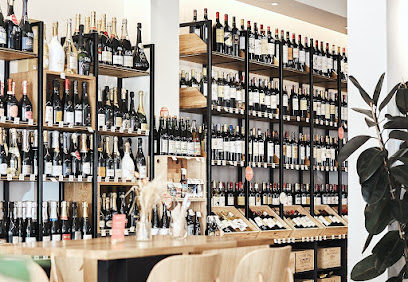
Discover the charm of Bordeaux's wine culture at L'ampélo, where every sip tells a story and every visit is a celebration.
Nightclubs & after hour spots

OPAL club lounge
0.4 km
Experience the vibrant nightlife of Bordeaux at OPAL Club Lounge, where electrifying music and stylish surroundings create unforgettable nights.
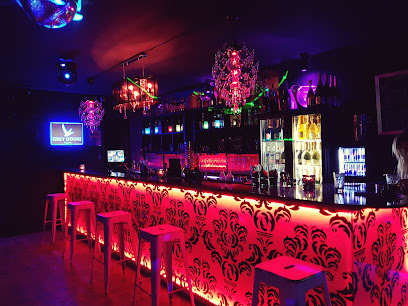
BAM Karaoke Box Bordeaux - Chartrons
0.5 km
Experience the thrill of karaoke at BAM Karaoke Box Bordeaux - Chartrons, where great music and cocktails meet for an unforgettable night out.
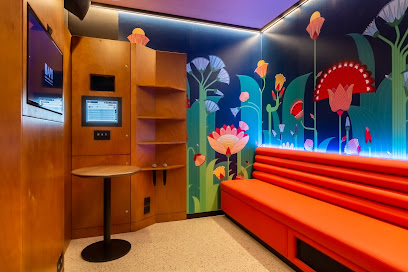
Le Romulus
0.8 km
Experience the charm of Bordeaux at Le Romulus, a stylish lounge with exquisite cocktails and a cozy atmosphere perfect for relaxation and socializing.
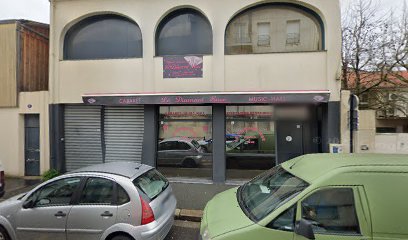
Le Society
1.2 km
Discover the vibrant blend of dining and nightlife at Le Society, Bordeaux's premier restaurant and club along the scenic Quai de Bacalan.
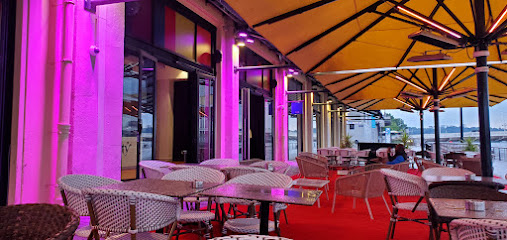
Le Theatro
1.2 km
Discover the pulse of Bordeaux's nightlife at Le Theatro, a premier night club filled with music, dance, and unforgettable moments.
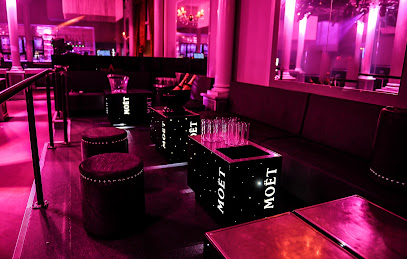
Le Monseigneur
1.2 km
Discover the heart of Bordeaux's nightlife at Le Monseigneur, where vibrant music and an energetic ambiance await you.
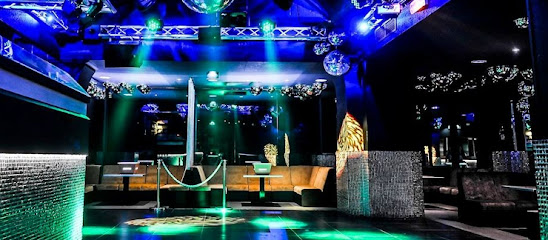
Le Cercle - Boite de nuit à Bordeaux
1.3 km
Discover the electrifying nightlife of Bordeaux at Le Cercle, a premier night club offering unforgettable music and vibrant dance experiences.
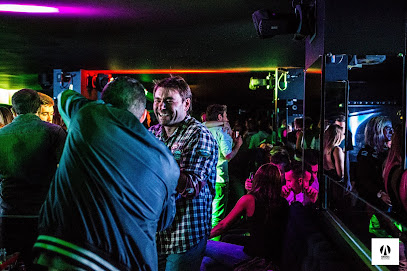
Boom Boom Club Bordeaux
1.4 km
Dive into the nightlife at Boom Boom Club Bordeaux, where electrifying beats and vibrant energy create unforgettable memories in the heart of the city.
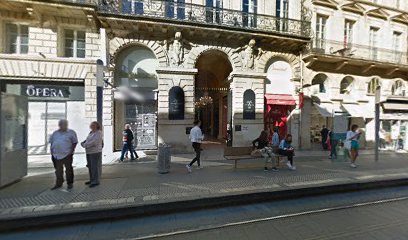
Black Diamond - Bordeaux
1.4 km
Discover the vibrant nightlife of Bordeaux at Black Diamond, where the music is hot and the dance floor is alive until dawn.
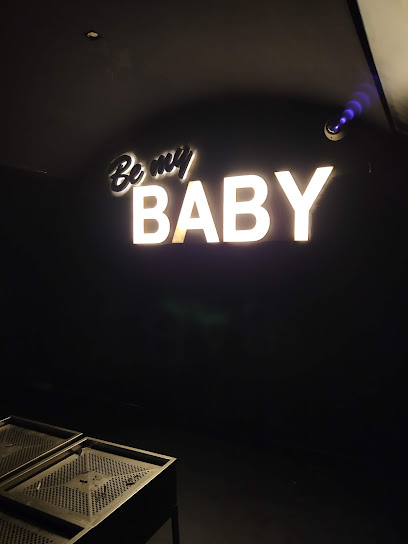
L'orangeade
1.5 km
Experience the vibrant nightlife of Bordeaux at L'orangeade, where music, dance, and fun converge in a lively disco atmosphere.
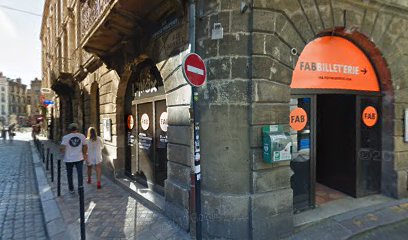
LA DAME Club
1.5 km
Dive into the nightlife of Bordeaux at LA DAME Club, where vibrant music and an electrifying atmosphere create unforgettable evenings.
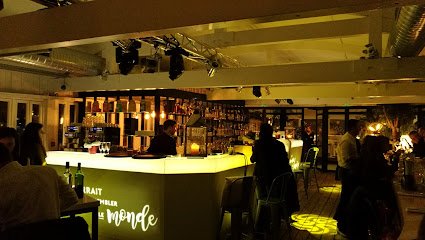
Traxx Cruising Club Bordeaux
1.8 km
Discover the electric atmosphere of Traxx Cruising Club in Bordeaux, a must-visit gay bar and nightclub for an unforgettable night out.
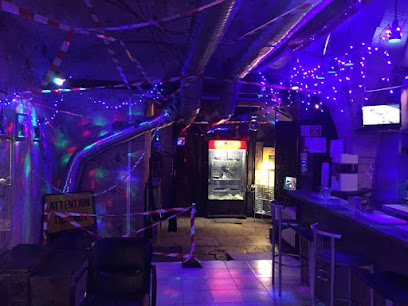
The Base - Bordeaux
2.0 km
Dive into the vibrant nightlife of Bordeaux at The Base, where music, dancing, and unforgettable moments come together in a pulsating disco atmosphere.
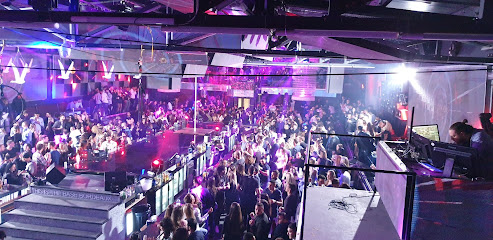
moncalorifugeagegratuit
2.6 km
Dive into Bordeaux's nightlife at Moncalorifugeagegratuit, where electrifying music and vibrant atmosphere create unforgettable nights.
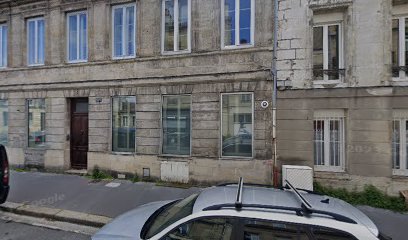
Ultra Klubs
2.7 km
Experience the pulsating nightlife at Ultra Klubs, Bordeaux's premier night club featuring electrifying music and an energetic crowd.