Porte de Bourgogne, Bordeaux Travel Guide
Discover the Porte de Bourgogne in Bordeaux, a neoclassical gateway marking the city's rich history and architectural grandeur since the 18th century.
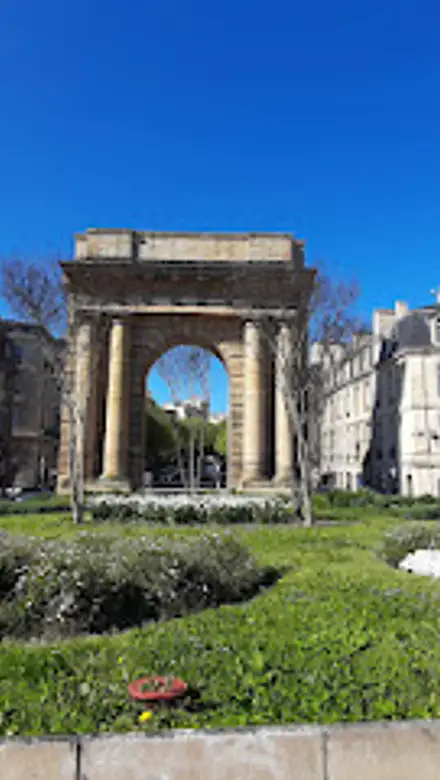
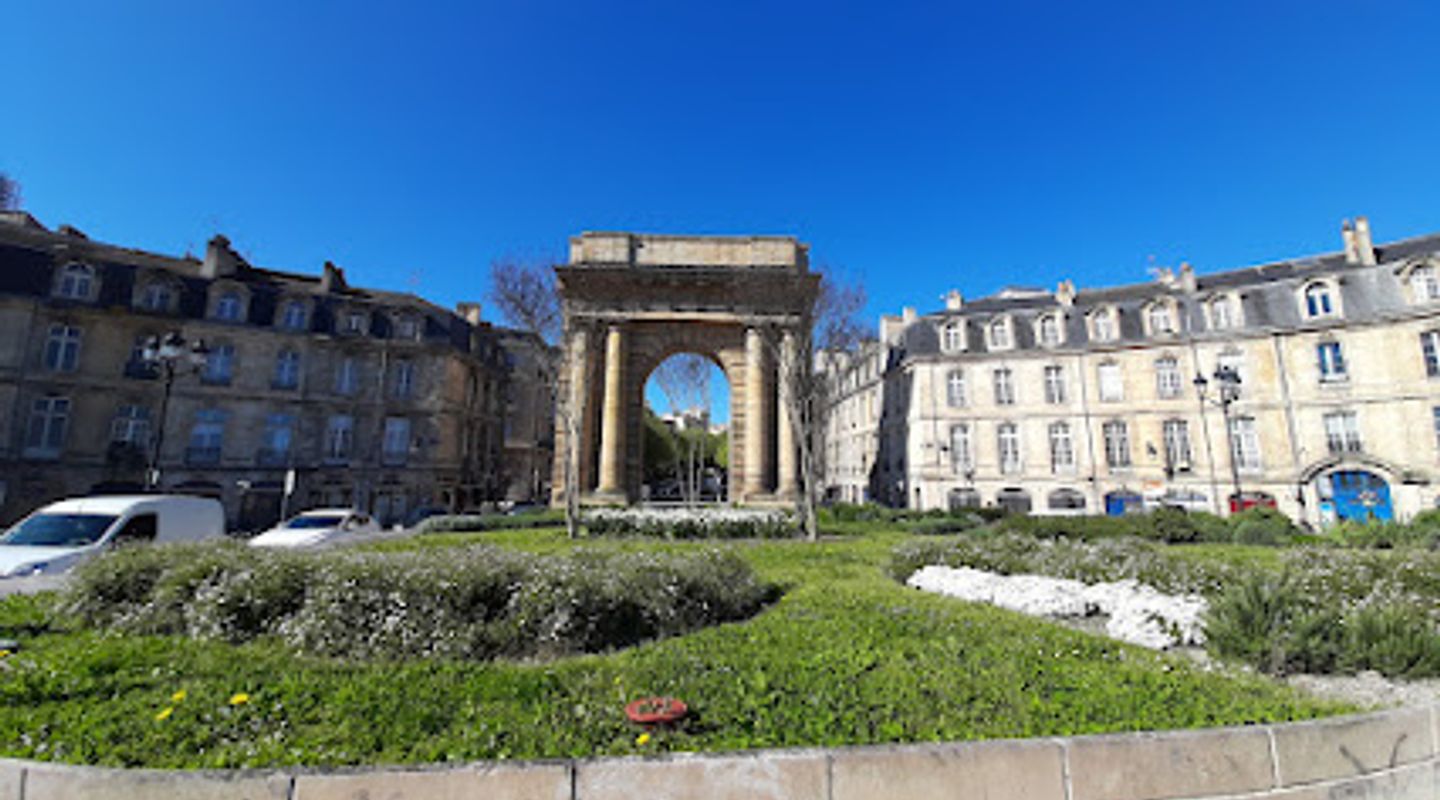
The Porte de Bourgogne, also known as the Burgundy Gate, is a striking neoclassical monument in Bordeaux, France. Constructed in the mid-18th century, it marks a historical entrance to the city and showcases the architectural grandeur of the era. Located in Place de Bir Hakeim, it's a must-see landmark for visitors exploring Bordeaux's rich heritage.
A brief summary to Porte de Bourgogne
- Pl. de Bir Hakeim, Bordeaux, 33000, FR
- Click to display
- Click to display

Know before you go
Hi, I'm Eve. Here are a few practical things to know before exploring Porte de Bourgogne.
- Explore the charming streets of the Saint-Pierre district surrounding the gate for a glimpse into Bordeaux's past.
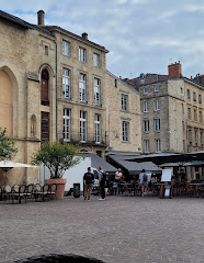
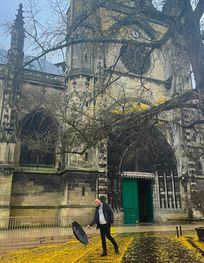
- Visit the nearby Église Saint-Pierre, a historic church that is a must-see for visitors to Bordeaux.
- Take a stroll along Cours Victor Hugo, a popular shopping street with boutiques and cafes.
Do you manage this location?
Take control to get all the benefits, like improved information, better appearance, and stronger visibility across AI-powered discovery. Learn more about listing your business on Evendo
Activate your presenceOther nearby places you may find interesting
The closest places of the same kind, if this one is not quite what you had in mind.


Explore Porte de Bourgogne on the Map
A handpicked selection of must-see spots near Porte de Bourgogne, mapped for you.
Unlock the Best of Porte de Bourgogne
Buy tickets
-
No tickets available
Book tours with entry


Getting There
-
Walking
From Place de la Bourse, walk east along Cours d'Alsace-et-Lorraine. Continue straight until you reach Place de Bir Hakeim, where the Porte de Bourgogne is located. The walk is approximately 10 minutes.
-
Public Transport
Take tram lines A, C, or D to the Porte de Bourgogne tram stop. The tram stop is located directly in front of the monument. A single journey ticket costs €1.80 and is valid for one hour.
-
Taxi
Taxis are readily available throughout Bordeaux. A short taxi ride from the city center to Porte de Bourgogne will cost approximately €5-€7.
Discover more about Porte de Bourgogne













Your all‑in‑one travel companion app
Explore expert travel guides, compare and book tours, experiences, hotels, and more—all from the palm of your hand. Download now for seamless trip planning wherever your wanderlust takes you.


Explore More of Bordeaux
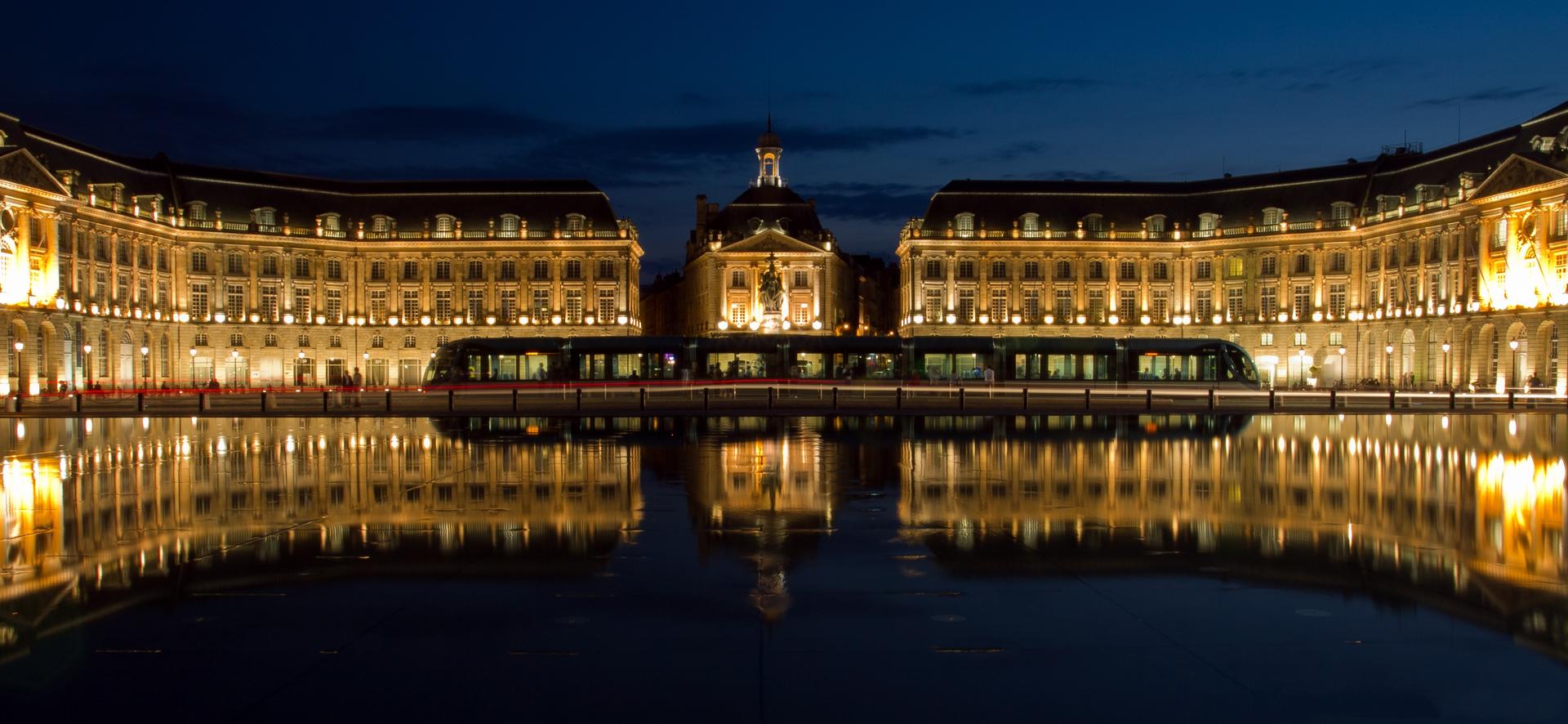
Looking beyond Porte de Bourgogne? Discover Bordeaux for broader travel guides, local hot-spots, and regional highlights.
Explore Bordeaux