
Caen Castle: A Norman Fortress Through the Ages
Explore Caen Castle, a majestic medieval fortress built by William the Conqueror, offering a journey through Norman history with museums, ramparts, and panoramic city views.
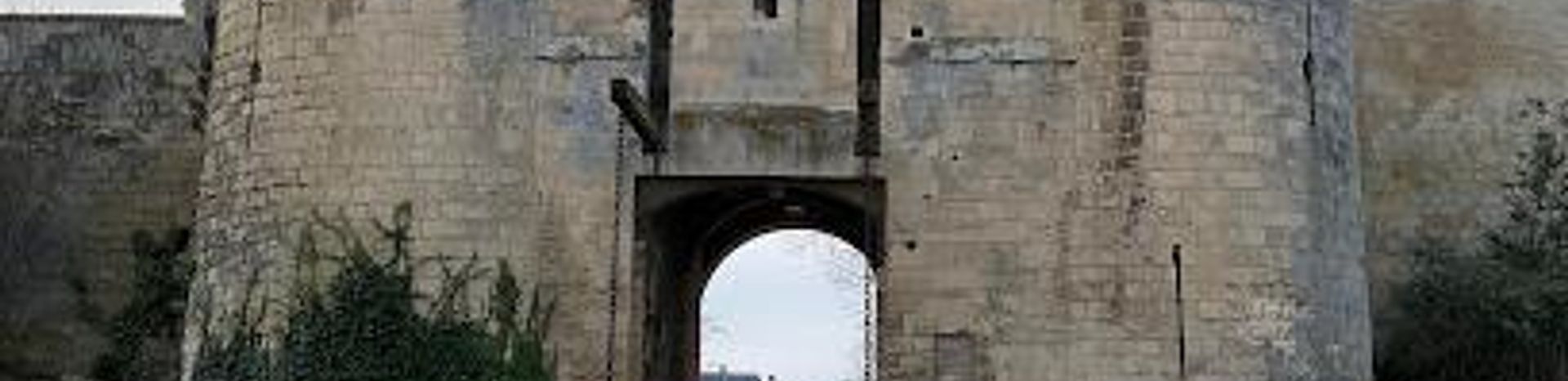
Caen Castle, or Château de Caen, stands as a powerful testament to Norman history and medieval military architecture. Constructed around 1060 by William the Conqueror, Duke of Normandy, it is one of the largest medieval fortresses in Western Europe, sprawling across 5.5 hectares in the heart of the city. Its strategic importance throughout the centuries has shaped not only Caen but also the broader narrative of Normandy and England. William the Conqueror, seeking to solidify his power and establish a secure base of operations, chose Caen as the site for his imposing castle. Built from the region's distinctive Caen stone, the fortress quickly became a symbol of Norman strength and ducal authority. The castle served as a residence for the Dukes of Normandy and later the Kings of England, hosting major assemblies and playing a pivotal role in the administration of the duchy. Over the centuries, Caen Castle underwent numerous transformations and expansions, reflecting the changing needs and military technologies of the time. William's son, Henry I, added significant structures, including the Saint George's Church, a grand hall for the ducal court known as the Exchequer of Normandy, and a formidable rectangular keep built in 1123. These additions reinforced the castle's defenses and enhanced its status as a royal residence. In 1204, the castle, along with the rest of Normandy, was recaptured by the French Crown. Philip II of France recognized the castle's strategic value and further reinforced its fortifications, adding to its already impressive defenses. During the Hundred Years' War, Caen Castle was the site of several engagements, witnessing sieges and battles that left their mark on its walls and structures. The French Revolution brought about significant changes to the castle. In 1793, the National Convention ordered the demolition of the keep, a symbol of feudal power. The castle then served as a barracks during World War II, suffering extensive damage from bombing raids in 1944. Despite the destruction, the castle's resilient walls and foundations endured, preserving its historical significance. Today, Caen Castle is a vibrant cultural and historical site, offering visitors a unique opportunity to explore its rich past. The castle grounds are freely accessible and encompass several notable attractions. The Musée de Normandie, located within the castle walls, showcases the history and culture of the region, from prehistoric times to the present day. The Musée des Beaux-Arts, also housed within the castle, features an impressive collection of European paintings, sculptures, and prints, spanning several centuries. The restored ramparts provide stunning panoramic views of Caen, allowing visitors to appreciate the castle's strategic location and its relationship to the surrounding city. The Église St-Georges, a 12th-century church within the castle grounds, serves as an information center, offering insights into the castle's history and architecture. The Jardin des Simples, a garden of medicinal and aromatic herbs cultivated during the Middle Ages, provides a tranquil space to reflect on the castle's past. Walking through the castle gates, visitors can explore the vestiges of the great keep, the Hall of the Exchequer, and the Rampart Rooms, each bearing witness to the castle's eventful history. The castle also hosts temporary exhibitions, shows, and events, ensuring that there is always something new to discover. Caen Castle stands not only as a historical monument but also as a symbol of Caen's resilience and cultural heritage. Its transformation from a Norman fortress to a modern-day museum and cultural center reflects the city's ability to adapt and thrive throughout the centuries. As Caen celebrates its millennium in 2025, the castle remains a central landmark, inviting visitors to delve into its captivating story and experience the legacy of William the Conqueror.
Local tips
- Visit during the spring or fall for pleasant weather and fewer crowds, enhancing your exploration of the castle grounds and ramparts.
- Allow at least 2-3 hours to fully explore the castle grounds, including the Musée de Normandie and Musée des Beaux-Arts.
- Check the schedule for guided tours (available in French) to gain deeper insights into the castle's history and architecture.
- Climb to the top of the restored northern rampart for panoramic views of Caen, especially beautiful at sunset.
- Take advantage of the free access to the castle grounds and plan a picnic in the Jardin des Simples for a relaxing break.

A brief summary to Caen Castle
- Château de Caen, Caen, 14000, FR
- +33231304760
- Visit website
- Monday 7:30 am-10:30 pm
- Tuesday 7:30 am-10:30 pm
- Wednesday 7:30 am-10:30 pm
- Thursday 7:30 am-10:30 pm
- Friday 7:30 am-10:30 pm
- Saturday 7:30 am-10:30 pm
- Sunday 7:30 am-10:30 pm
Getting There
-
Walking
From the Caen city center, such as Place Saint-Pierre, the Château de Caen is easily accessible by foot. Head north, orienting yourself towards the visible castle walls. The walk is approximately 5-10 minutes, following the main roads. Look for signs directing you to the 'Château de Caen'. The entrance is clearly marked and leads directly into the castle grounds. No costs are associated with this approach.
-
Public Transport
If arriving by tram, take line T3 to the 'Château-Quatrans' stop, which is the closest to the castle entrance. From the tram stop, walk north for about 2 minutes to reach the castle grounds. Alternatively, several bus lines stop near the castle, including those stopping at 'Quatrans' or 'Bellivet'. A single Twisto bus or tram fare is €1.80, valid for one hour. Consider purchasing a book of 10 tickets for €14.50 for multiple trips.
-
Driving
If driving, several parking options are available near Caen Castle. The Indigo 'Château' underground car park at 60 Avenue de la Libération is a convenient choice. Alternatively, the 'Courtonne' outdoor parking lot on Quai Vendeuvre is another option. Parking fees typically range from €2-3 per hour. Limited parking is available directly outside the castle, with priority given to those with reduced mobility. Note that traffic in the city center can be congested, especially during peak hours.


