Cévennes, Cévennes National Park Travel Guide
Explore the Cévennes: a stunning French mountain range with hiking, history, and a unique cultural landscape shaped by centuries of tradition.
The Cévennes, a mountain range in south-central France, offers a captivating blend of rugged landscapes, rich history, and unique cultural heritage. Part of the Massif Central, this area is a haven for outdoor enthusiasts and those seeking an authentic French experience.
A brief summary to Cévennes
- Pont-de-Montvert-Sud-Mont-Lozère, FR

Know before you go
Hi, I'm Eve. Here are a few practical things to know before exploring Cévennes.
- The best time to visit the Cévennes for hiking is from May to October, with mild temperatures and colorful landscapes in spring and autumn.
- Bring appropriate gear for outdoor activities, including hiking boots, weather-resistant clothing, and a map or GPS.
- Sample local specialties like sweet onions from the Cévennes, chestnuts, and local sausages at the weekly markets.
- Respect the environment by staying on marked trails, not picking plants, and taking all garbage with you.
- Consider visiting the Maison du Parc in Florac to gather information and plan your visit to the Cévennes National Park.
Do you manage this location?
Take control to get all the benefits, like improved information, better appearance, and stronger visibility across AI-powered discovery. Learn more about listing your business on Evendo
Activate your presenceOther nearby places you may find interesting
The closest places of the same kind, if this one is not quite what you had in mind.
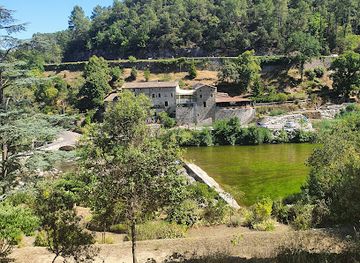
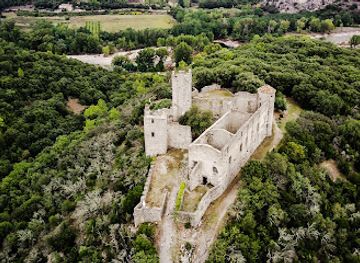
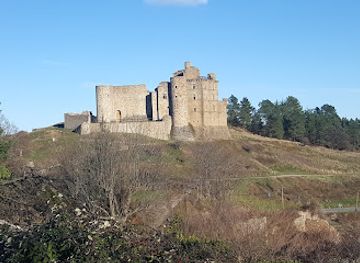
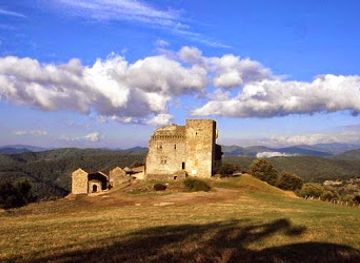
Explore Cévennes on the Map
A handpicked selection of must-see spots near Cévennes, mapped for you.
Getting There
-
Public Transport
To reach the Cévennes by public transport, take a train to Florac or Alès. From there, local buses provide access to various points within the park. Bus schedules should be checked with the local tourist office as times may vary throughout the year.
-
Driving
The most convenient way to explore the Cévennes is by car. Roads can be narrow and winding, so allow plenty of time for travel. From the A7, take the interchange at Bollène; from the A9, take the interchange at Nîmes-Ouest. Parking is available in villages such as Pont-de-Montvert-Sud-Mont-Lozère. Parking du Temple is one option. Keep in mind that parking may be limited, especially during peak season.
Discover more about Cévennes













Your all‑in‑one travel companion app
Explore expert travel guides, compare and book tours, experiences, hotels, and more—all from the palm of your hand. Download now for seamless trip planning wherever your wanderlust takes you.


Explore More of Cévennes National Park
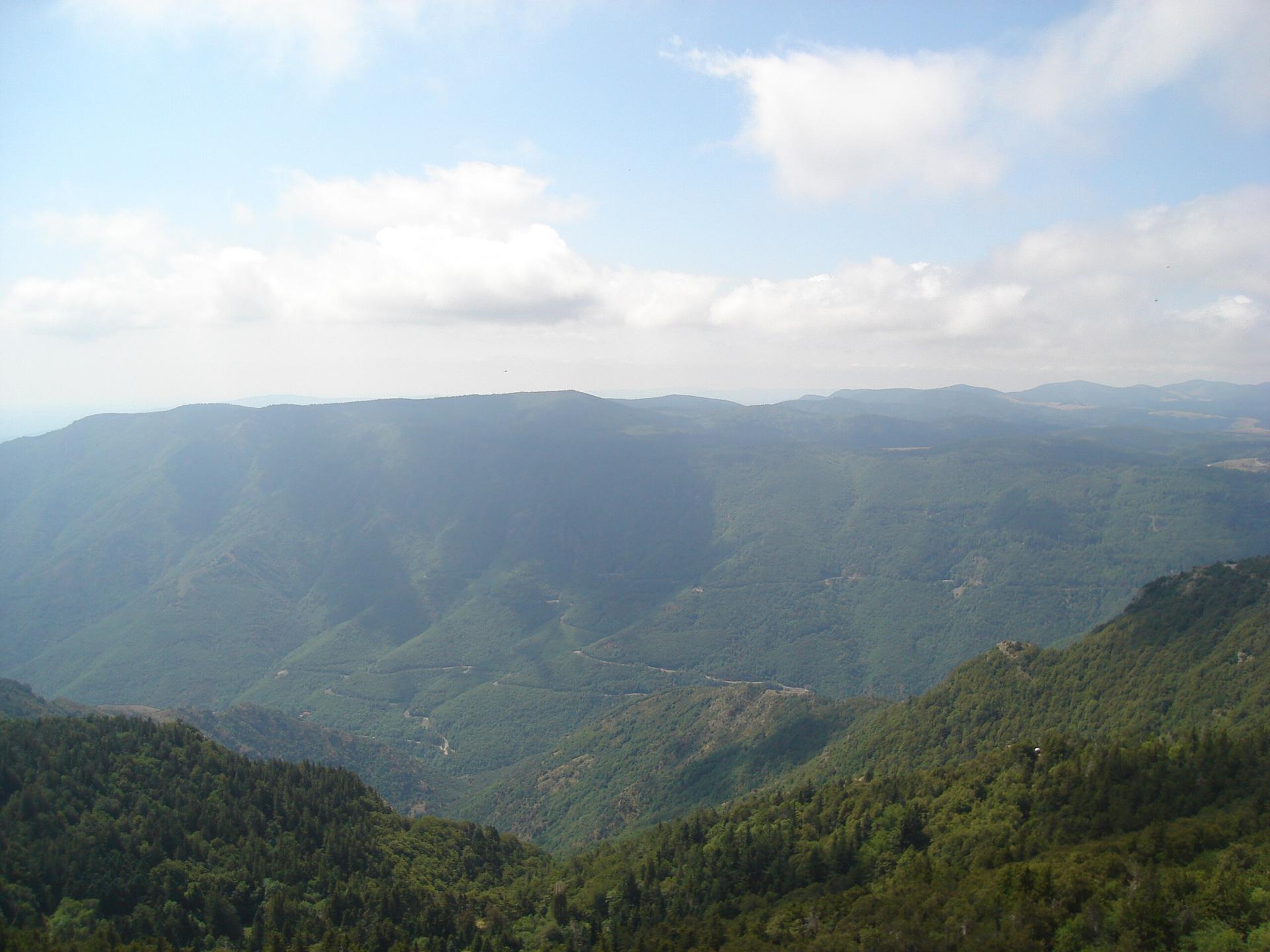
Looking beyond Cévennes? Discover Cévennes National Park for broader travel guides, local hot-spots, and regional highlights.
Explore Cévennes National Park