Background

Les Entonnoirs de Flirey: Scars of the Great War

Explore the haunting landscape of Les Entonnoirs de Flirey, a poignant reminder of the intense battles and enduring scars of World War I in the heart of Lorraine, France.

3.6

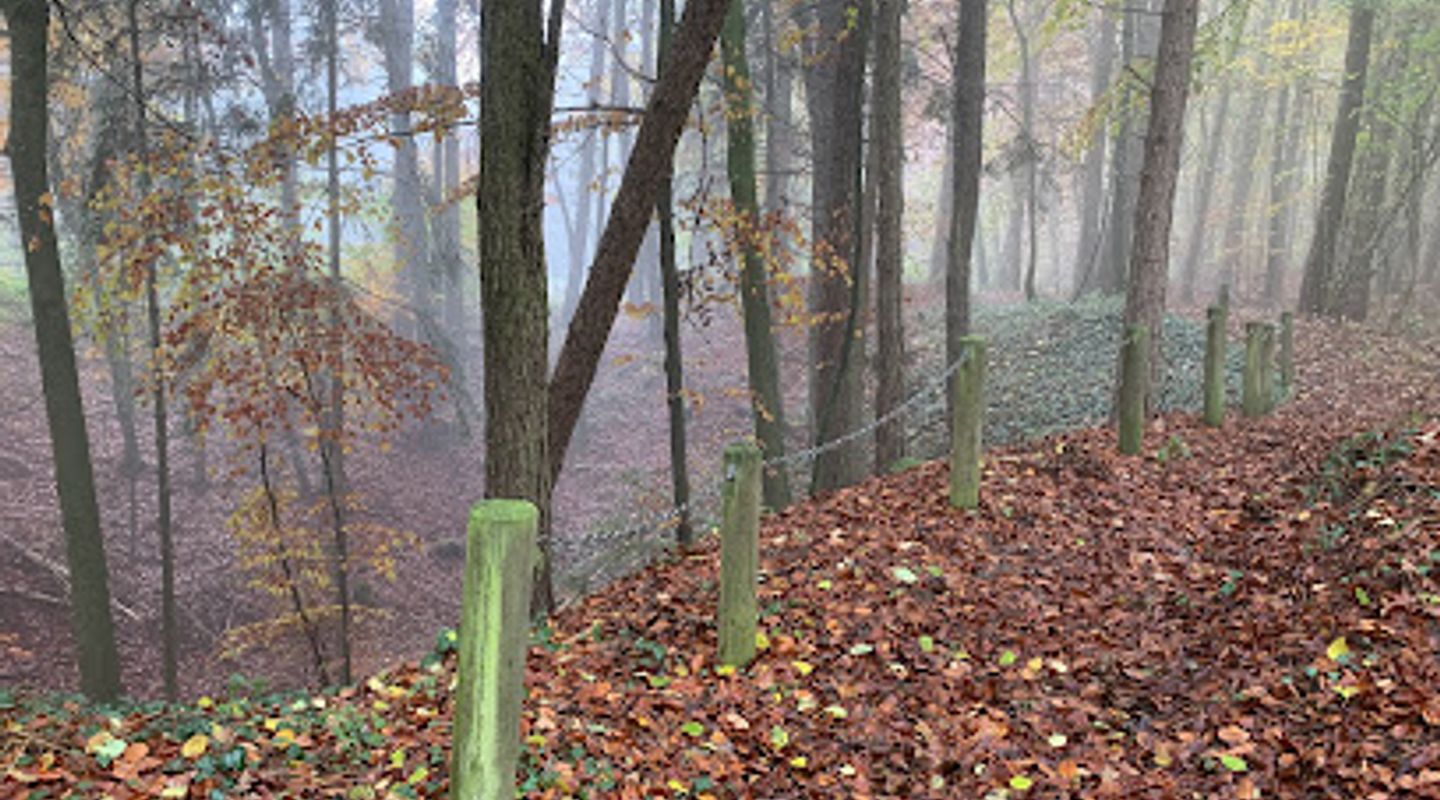
Les Entonnoirs de Flirey, or the Mine Craters of Flirey, stand as a stark reminder of the brutal battles fought during World War I. Located near the village of Flirey, these massive craters were created by underground mine explosions detonated by both French and German forces between 1914 and 1918. The landscape is a haunting testament to the intense fighting that took place in this region, offering a glimpse into the destructive power of trench warfare. Today, the site serves as a place of remembrance and reflection, inviting visitors to contemplate the human cost of war and the enduring impact of conflict on the land. Exploring the area provides a sobering experience, walking amidst the physical scars that remain etched into the earth, a powerful and poignant reminder of the past.

A brief summary to Les entonnoirs de Flirey

  • Flirey, 54470, FR
  • Monday 12 am-12 am
  • Tuesday 12 am-12 am
  • Wednesday 12 am-12 am
  • Thursday 12 am-12 am
  • Friday 12 am-12 am
  • Saturday 12 am-12 am
  • Sunday 12 am-12 am

Local tips

  • Wear sturdy shoes as the terrain around the craters can be uneven and muddy, especially after rain.
  • Visit the nearby Flirey National Necropolis to pay respects to the soldiers who lost their lives in the battles of the Woëvre.
  • Combine your visit with a trip to the Bois de Mort-Mare (Dead Wood) to see more remnants of the WWI battlefields.
widget icon

Getting There

  • Driving

    From the village center of Flirey, head west on D904 towards Essey-et-Maizerais. The mine craters are located between Flirey and Essey-et-Maizerais, approximately a 5-minute drive. Parking is available along the D904 near the site. Be mindful of traffic when parking and exiting your vehicle.

  • Public Transport

    While public transport directly to the site is limited, you can take a bus from Pont-à-Mousson to Flirey (FLIREY Eglise / Ecole stop). From there, it's approximately a 30-minute walk (2.5 km) along the D904 to reach Les Entonnoirs de Flirey. Check local bus schedules for accurate timings as services are limited (approximately 5 times per week). Walking from Flirey to the site is free.

Unlock the Best of Les entonnoirs de Flirey

Buy tickets

    No tickets available

Book tours with entry

    No tours available

Book tours without entry

    No tours available

Discover more about Les entonnoirs de Flirey

Les Entonnoirs de Flirey, a landscape scarred by the intense battles of World War I, offers a profound and moving experience for visitors. Located near the village of Flirey in the Meurthe-et-Moselle department of France, these mine craters are a haunting reminder of the destructive power of trench warfare and the immense human cost of the conflict. The craters, also known as the Mine Craters of Flirey, were created by the detonation of underground mines during the war. Both French and German forces dug tunnels beneath enemy lines, filling them with explosives to create devastating explosions that would disrupt enemy defenses and create strategic advantages. The resulting blasts left behind massive craters, forever altering the landscape and leaving an indelible mark on the region. The area around Flirey was the site of fierce fighting throughout the war, as both sides sought to gain control of this strategically important location. The village itself was largely destroyed during the conflict, and the surrounding countryside became a desolate wasteland of trenches, barbed wire, and artillery fire. The mine craters added another layer of devastation to this already war-torn landscape, creating a surreal and otherworldly environment. Walking among the craters today, visitors can gain a sense of the scale and intensity of the fighting that took place here. The sheer size of the craters is awe-inspiring, and the uneven, scarred terrain serves as a constant reminder of the violence and destruction that occurred. The site is a place of quiet contemplation, where visitors can reflect on the sacrifices made by the soldiers who fought and died in this region. Beyond the craters themselves, the area around Flirey offers other reminders of the war. The nearby Bois de Mort-Mare (Dead Wood) is another area that saw heavy fighting, and it still bears the scars of the conflict. The national necropolis of Flirey, a short distance away, contains the remains of thousands of French soldiers who died in the battles of the Woëvre. Visiting these sites can provide a more complete understanding of the war's impact on this region. The village of Flirey itself has been rebuilt since the war, and it now serves as a peaceful and welcoming community. However, the memories of the war are never far from the surface, and the village remains an important symbol of resilience and recovery. The town planning of Flirey was based on the Nancy School, and the reconstruction of the village was completed in 1923. To fully appreciate the significance of Les Entonnoirs de Flirey, it is helpful to understand the broader context of World War I and the role that mining played in the conflict. Trench warfare, which characterized much of the fighting on the Western Front, created a stalemate in which neither side could gain a decisive advantage. Mining became an important tactic for breaking this stalemate, as it allowed soldiers to attack enemy positions from below ground. The process of digging tunnels and planting explosives was slow and dangerous, and it required specialized skills and equipment. Miners had to work in cramped, dark conditions, often facing the risk of cave-ins, gas leaks, and enemy counter-mining efforts. Despite the risks, mining proved to be an effective way to disrupt enemy lines and create opportunities for attack. The explosions created by the mines could be devastating, destroying trenches, fortifications, and even entire sections of the front line. The craters left behind by these explosions became part of the battlefield landscape, providing cover for soldiers and creating obstacles for enemy advances. Les Entonnoirs de Flirey are among the most visible and well-preserved examples of these mine craters, making them an important historical site. Visiting Les Entonnoirs de Flirey is a powerful and moving experience that offers a unique perspective on the history of World War I. The site is a reminder of the immense human cost of war and the enduring impact of conflict on the land. It is a place of remembrance, reflection, and learning, where visitors can pay their respects to the soldiers who fought and died in this region and gain a deeper understanding of the events that shaped the 20th century. As you walk through this landscape, imagine the soldiers who once toiled here, the earth shaking with explosions, and the lives forever altered by the Great War. Les Entonnoirs de Flirey is more than just a collection of craters; it's a profound testament to human history and resilience.

Popular Experiences near Les entonnoirs de Flirey

Popular Hotels near Les entonnoirs de Flirey

Select Currency