Pont à Coquille de Bonnieux: A Testament to Ingenuity
Discover the Pont à Coquille de Bonnieux, a historic 18th-century bridge in the Luberon, France, famed for its unique shell-shaped architecture and scenic beauty.
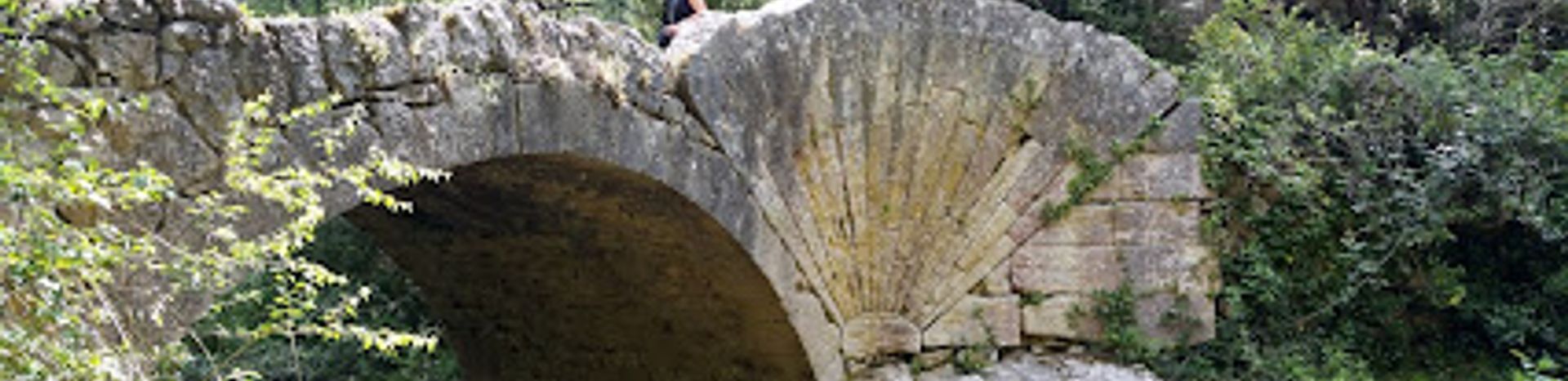
The Pont à Coquille de Bonnieux, or Shell Bridge of Bonnieux, is a charming and historically significant bridge located in the picturesque Luberon region of Provence, France. Dating back to 1722, this unique structure is renowned for its distinctive shell-shaped design, a testament to the ingenuity of 18th-century engineering. Nestled in the Combe de Lourmarin, the bridge gracefully spans the Aiguebrun River, offering visitors a tranquil and scenic experience. Its architectural peculiarity and historical importance have earned it a listing as a French historical monument since 1988, making it a must-see attraction for those exploring the Luberon's rich cultural heritage. The bridge not only serves as a functional crossing but also as a captivating reminder of the region's past, inviting travelers to step back in time and appreciate the beauty and craftsmanship of a bygone era. A visit to the Pont à Coquille offers a delightful blend of history, architecture, and natural beauty, making it a memorable stop on any Luberon itinerary.
A brief summary to Pont à coquille de Bonnieux
- Bonnieux, 84480, FR
Local tips
- Wear comfortable shoes for the walk to the bridge, as the path can be uneven in places.
- Visit during the off-season (spring or fall) to avoid crowds and enjoy a more peaceful experience.
- Combine your visit with a hike in the Combe de Lourmarin for stunning views of the Luberon landscape.

Getting There
-
Walking
From the center of Bonnieux, the Pont à Coquille is accessible by foot, though it requires a moderate walk. Start from the main village square and follow the signs towards the Combe de Lourmarin. The path descends gradually, offering scenic views of the valley. The walk takes approximately 30-45 minutes. There are no entrance fees or tolls to access the bridge itself. Be mindful of the path's condition, as it can be rocky in some sections. Parking is available in Bonnieux, but closer parking near the trailhead is limited.
-
Driving
If driving, navigate towards the D943 road, which runs through the Combe de Lourmarin. Limited parking is available along the D943 near the bridge. From the parking area, a short walk is required to reach the Pont à Coquille. Be aware that parking can be scarce during peak tourist season. There are no tolls on this route, and parking is free but often crowded. Consider arriving early in the morning or later in the afternoon to secure a parking spot.
Discover more about Pont à coquille de Bonnieux
Iconic landmarks you can’t miss

Maison Valvert / Absoluut Valvert
2.3 km
Experience the enchanting charm of Provence at Maison Valvert, a cozy bed & breakfast in Bonnieux offering stunning views and warm hospitality.

La Bastide
2.4 km
Indulge in the finest French cuisine at La Bastide in Bonnieux, where culinary artistry meets breathtaking Provençal views.
L'enclos Des Bories
2.9 km
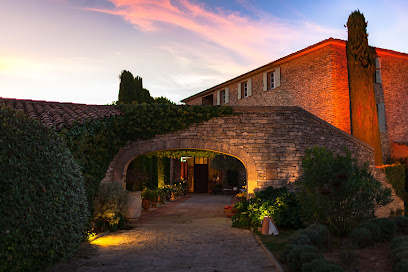
Explore L'enclos Des Bories: A Hidden Gem in Bonnieux, Showcasing the Timeless Beauty of Provençal Dry Stone Architecture.
Luberone
3.2 km
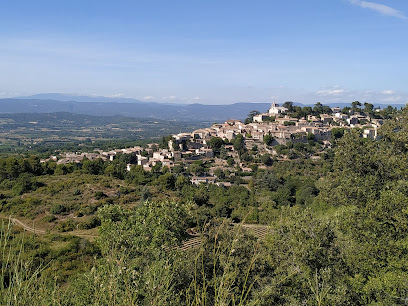
Discover Luberone in Bonnieux - where chic fashion meets the charm of Provence for an unforgettable shopping experience.
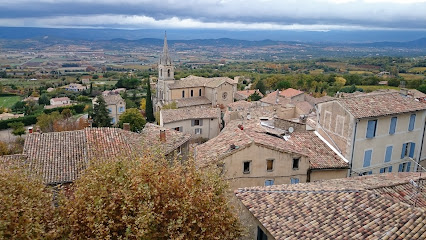
Hôtel Restaurant Panoramique César - Logis Hôtel
3.2 km
Explore the best of Provence at Hôtel Restaurant Panoramique César - a culinary haven with stunning views and authentic French cuisine.
1 Av. Clovis Hugues
3.3 km
Discover Bonnieux, a charming hilltop village in Provence, offering stunning views, rich history, and delightful local culture.
la luberonne
5.3 km
Discover the charm of Provence at La Luberonne, a serene bed & breakfast nestled in the heart of Lourmarin, perfect for a tranquil getaway.
Parking de la forêt de cèdres
5.8 km
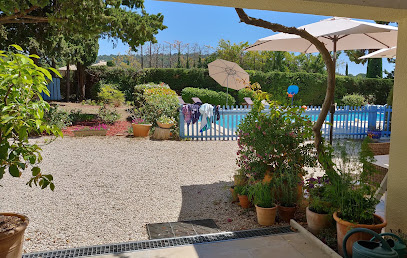
Discover the serene beauty of Parking de la Forêt de Cèdres, your gateway to nature and scenic adventures in Bonnieux, Luberon.
Le Mas Vermentino
8.6 km
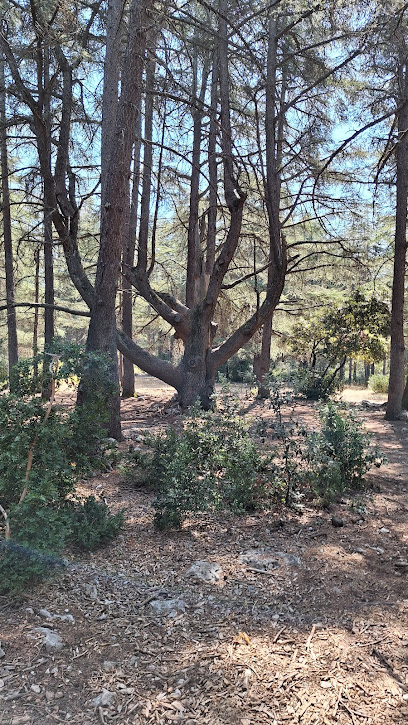
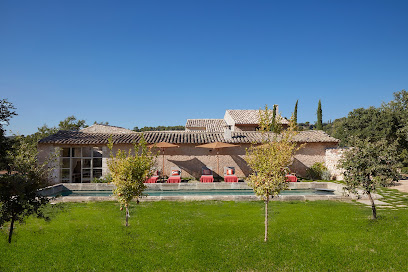
Experience the tranquility and beauty of Le Mas Vermentino, a charming villa in the heart of Provence, surrounded by vineyards and breathtaking landscapes.
Château de Cadenet
8.7 km
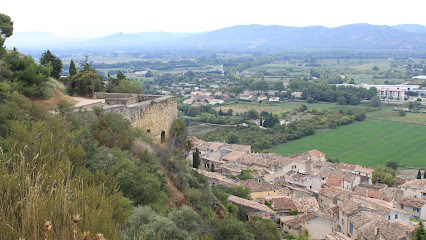
Explore the enchanting Château de Cadenet, a historic castle and museum in the heart of Provence, offering breathtaking views and rich cultural heritage.
La Bastide de Marie
9.1 km
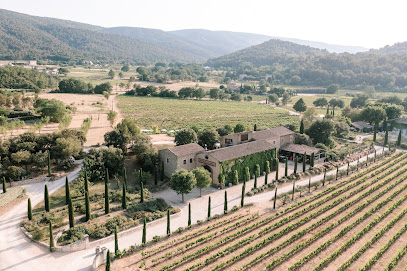
Discover the tranquil elegance of La Bastide de Marie, a charming hotel nestled in the heart of Provence, offering stunning views and unforgettable experiences.
The French Resistance Memorials of Cadenet
9.3 km
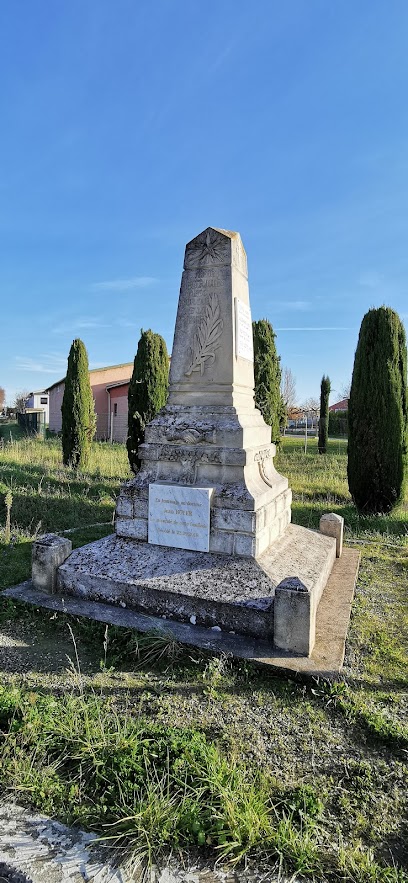
A poignant memorial site in Cadenet, France, honoring the brave members of the French Resistance who fought for freedom during World War II.
Le Carillon
9.9 km
Experience authentic French cuisine in the heart of Provence at Le Carillon, a charming restaurant that delights with seasonal flavors and local ingredients.
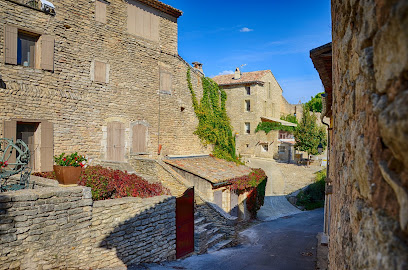
La Medievale du Luberon
10.1 km
Experience the charm of Provence at La Medievale du Luberon, a unique bed and breakfast in the heart of Roussillon's stunning ochre landscape.
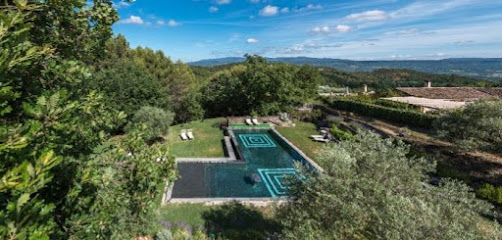
Eglise Saint Luc
11.6 km
Explore the tranquility and beauty of Eglise Saint Luc in Ménerbes, a captivating Catholic church that enriches your travel experience in Provence.
Unmissable attractions to see

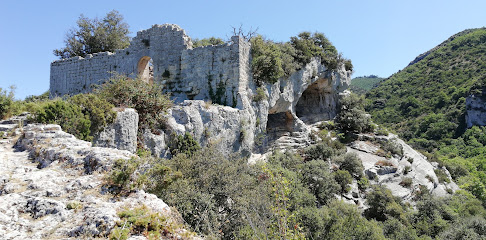
Fort de Buoux
2.8 km
Explore the historic Fort de Buoux in Luberon: a medieval citadel with stunning views, ancient ruins, and a secret staircase, offering a unique Provençal adventure.
Vestiges de sarcophages
2.9 km
Discover the ancient burial site of Vestiges de Sarcophages in Buoux, where history meets stunning natural landscapes in the heart of Provence.
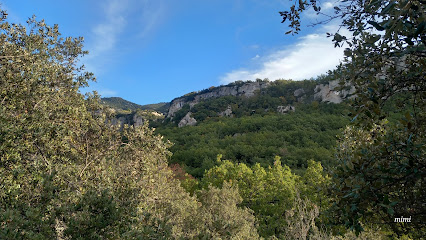
Forêts des cèdres
3.2 km
Discover the serene beauty of Forêt des Cèdres near Bonnieux: hike through fragrant cedar forests, enjoy panoramic views of the Luberon, and escape the Provençal heat.
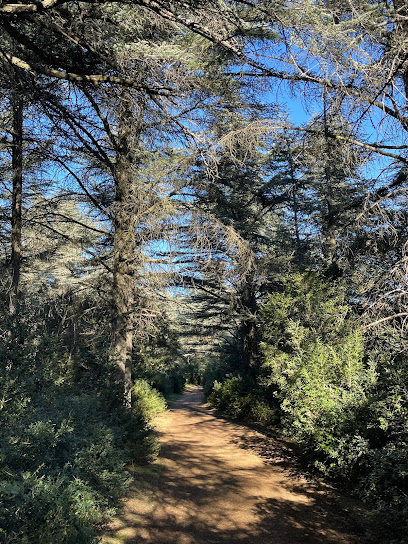
Sun-E-Bike
3.2 km
Discover the Luberon's beauty effortlessly with Sun-E-Bike in Bonnieux: electric bike rentals for exploring Provence's picturesque villages and stunning landscapes.
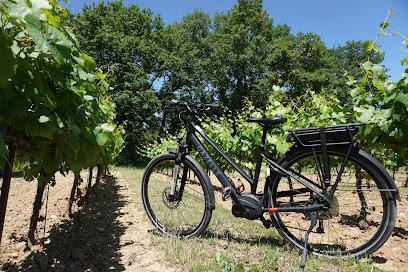
La Louve
3.3 km
Explore La Louve, a stunning botanical garden in Bonnieux, where nature's beauty flourishes in a tranquil setting perfect for relaxation and exploration.
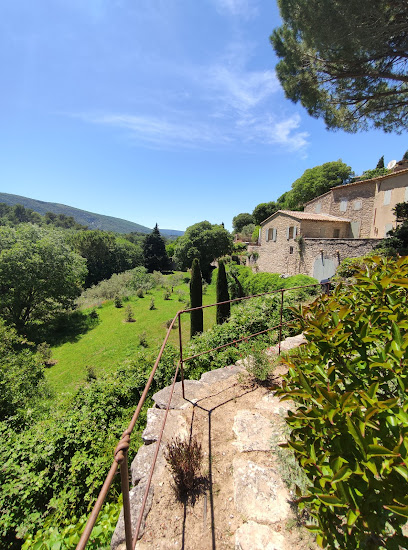
Château La Canorgue
3.3 km
Discover the charm of Château La Canorgue in Bonnieux, a family-run organic winery in Luberon, offering exceptional wines and a taste of authentic Provençal heritage.
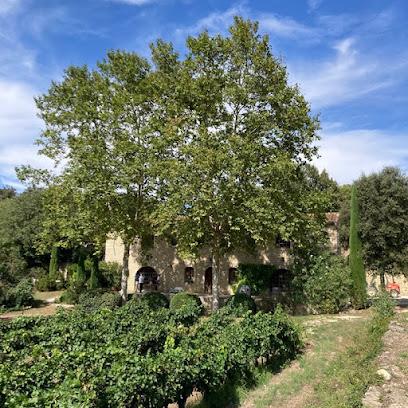
Chemin de l'Amaret
3.5 km
Discover the breathtaking beauty of Chemin de l'Amaret in Bonnieux, a scenic pathway that captures the essence of Provence's stunning landscapes.
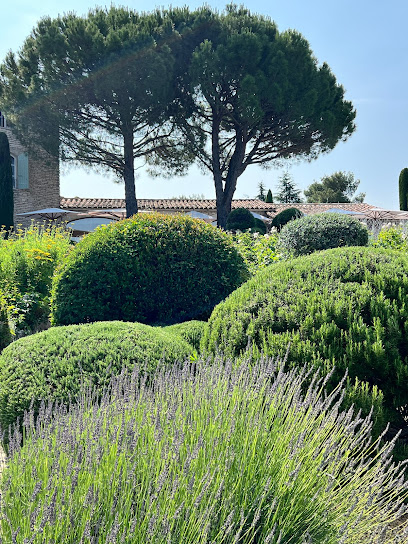
Massif du Luberon
5.2 km
Discover the Massif du Luberon, a Provençal paradise of hilltop villages, lavender fields, and vineyards, offering outdoor adventures, historical exploration, and culinary delights.
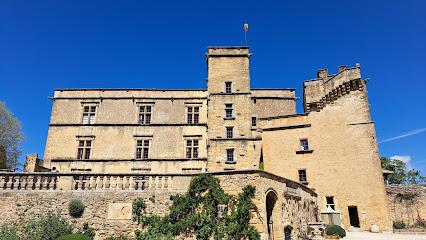
Château de Lourmarin
5.4 km
Discover Château de Lourmarin, Provence's first Renaissance castle, where history, art, and stunning views converge in the heart of the Luberon, offering a rich cultural experience.
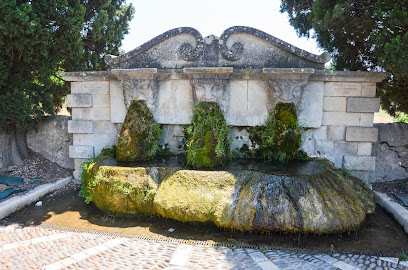
Fontaine aux Trois Masques
5.5 km
Discover the Fontaine aux Trois Masques in Lourmarin, a historical fountain adorned with enigmatic masks, reflecting the art and history of Provence.
Chateau lavande
5.5 km
Explore the charming Château Lavande in Bonnieux, a stunning castle surrounded by lavender fields and rich history, perfect for memorable experiences.
Lourmarin
5.5 km
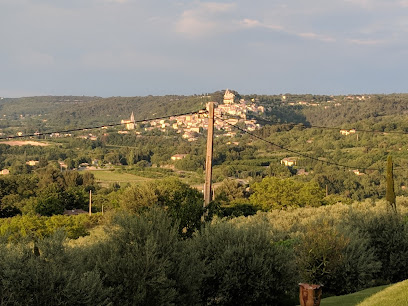
Discover Lourmarin, one of France's most beautiful villages, nestled in the Luberon, offering a blend of history, culture, and Provençal charm, from its Renaissance château to its vibrant Friday market.
Lavender Fields
5.6 km
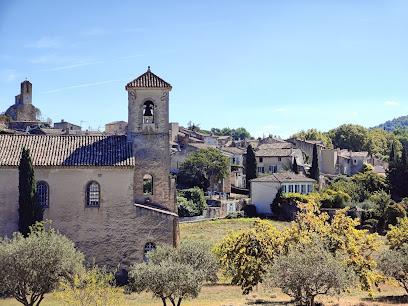
Experience the enchanting Lavender Fields of Bonnieux, a breathtaking natural wonder in Provence, France, perfect for relaxation and stunning photography.
Forêt des cèdres du Luberon
5.9 km
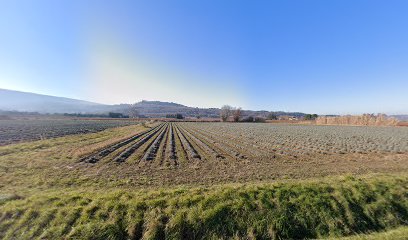
Discover the enchanting Forêt des Cèdres du Luberon: a unique forest planted in 1861, offering hiking, cycling, and panoramic views in the heart of Provence's stunning natural beauty.
Sentier botanique
6.0 km
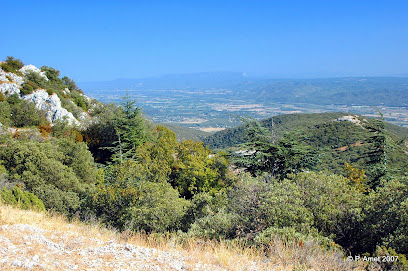
Discover the fragrant world of Provence at Sentier Botanique near Bonnieux, a sensory journey through the region's diverse flora within the serene Forêt des Cèdres du Luberon.
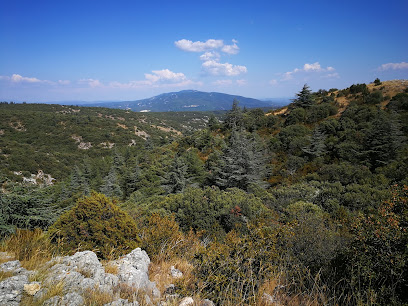
Essential places to dine

La Bergerie
2.4 km
Experience authentic French cuisine in Bonnieux at La Bergerie—where seasonal flavors meet stunning Provençal scenery.
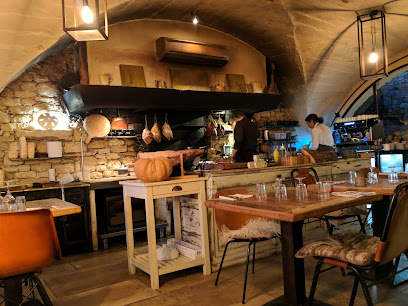
Restaurant Un P'tit Coin De Cuisine
3.3 km
Experience authentic French cuisine with Mediterranean flair at Restaurant Un P'tit Coin De Cuisine in beautiful Bonnieux.
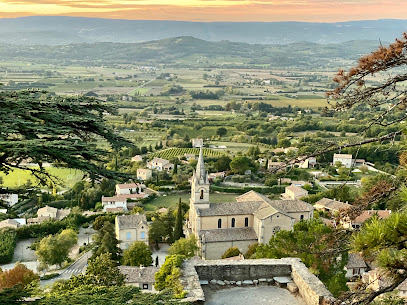
Bistrot Le Terrail
3.3 km
Experience authentic French cuisine at Bistrot Le Terrail in Bonnieux – where rustic charm meets culinary excellence.
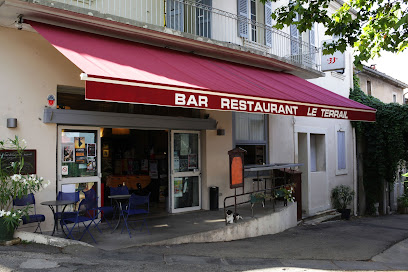
JU-Maison de Cuisine
3.3 km
Experience exquisite haute French cuisine at JU-Maison de Cuisine in Bonnieux - where every dish is a culinary masterpiece.
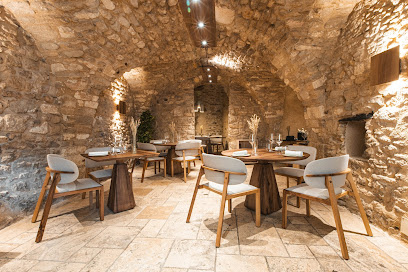
Restaurant La Flambée
3.3 km
Experience exquisite French and Italian flavors in the charming village of Bonnieux at Restaurant La Flambée.
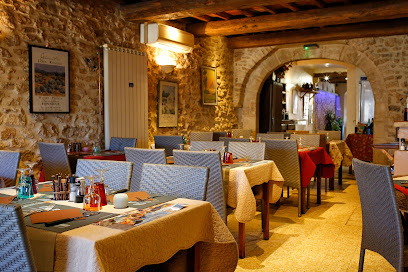
LA TABLE DES AMIS by CHRISTOPHE BACQUIE
5.6 km
Experience exquisite Haute French cuisine at La Table des Amis in Bonnieux, where culinary artistry meets breathtaking views.
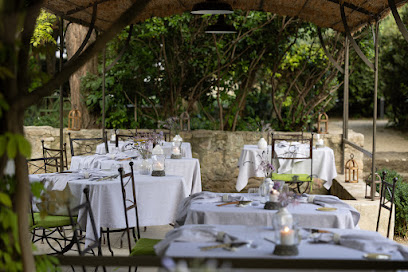
Cafe de France
6.1 km
Discover the culinary delights of Café de France in Lacoste - where authentic French cuisine meets charming ambiance.
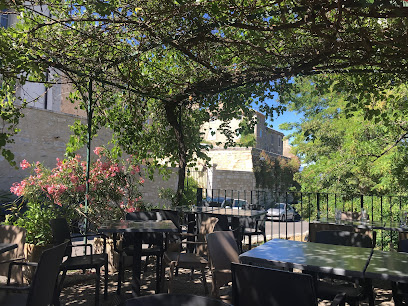
Le Champ des Lunes - Domaine de Fontenille
6.4 km
Experience exquisite Provençal cuisine amidst breathtaking landscapes at Le Champ des Lunes - Domaine de Fontenille.
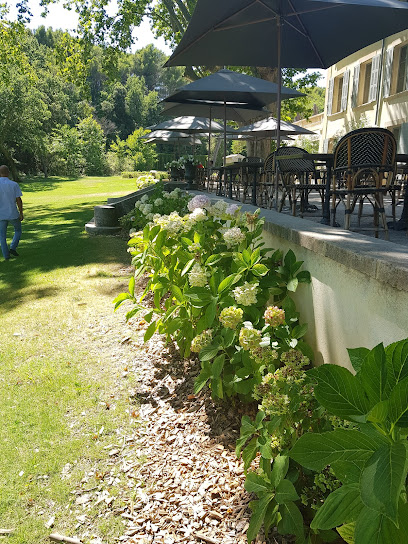
La Gaudina Luberon
7.4 km
Experience exquisite dining at La Gaudina Luberon - where traditional French cuisine meets delightful pastries in the heart of Provence.
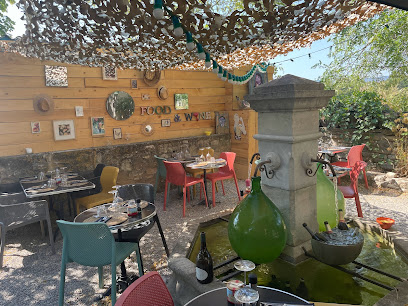
La Terrasse
9.8 km
Discover La Terrasse: A charming French-Mediterranean restaurant in Goult offering exquisite local flavors and stunning views.
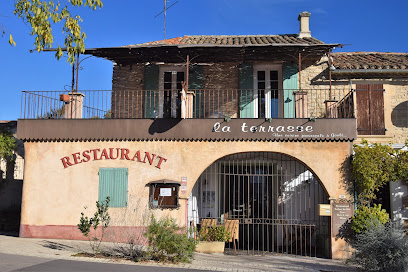
Café de la Poste
9.9 km
Experience authentic French cuisine at Café de la Poste in Goult - a charming culinary gem nestled in the heart of Provence.
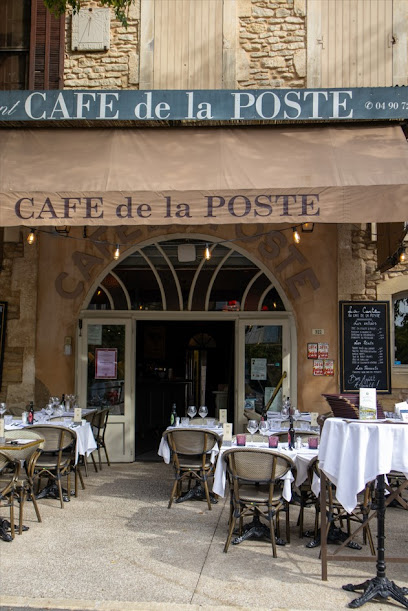
Restaurant La Bartavelle
10.0 km
Discover exquisite French and Mediterranean cuisine at Restaurant La Bartavelle in Goult - where culinary art meets local charm.
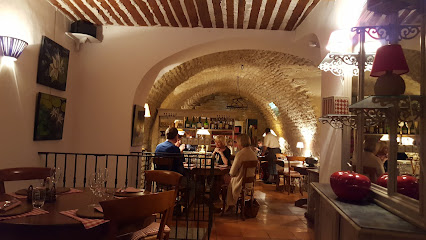
Bistrot le 5
11.2 km
Experience authentic French cuisine at Bistrot le 5 in Ménerbes – where every meal is a celebration of local flavors and beautiful surroundings.
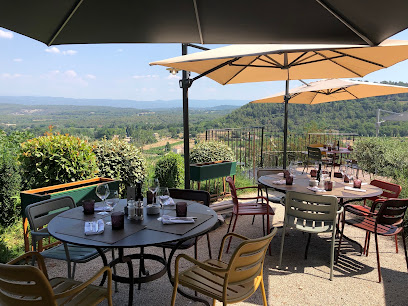
L'ESCANDIHADO
11.3 km
Experience authentic Italian pizza at L'ESCANDIHADO in Ménerbes—where every slice tells a story of flavor and tradition.
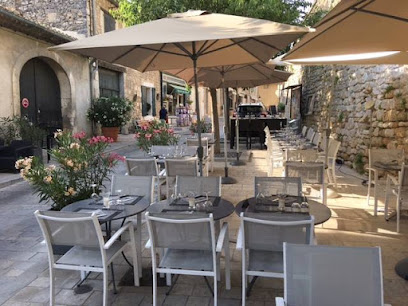
La Table de L'Épicier
11.3 km
Discover Provençal culinary excellence at La Table de L'Épicier in Ménerbes—an unforgettable dining experience awaits.
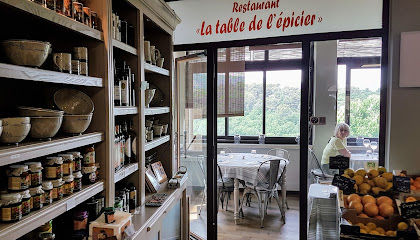
Markets, malls and hidden boutiques

Au Détour d'une Promenade
3.3 km
Explore the enchanting antique store Au Détour d'une Promenade in Bonnieux, where timeless treasures and unique collectibles await you.
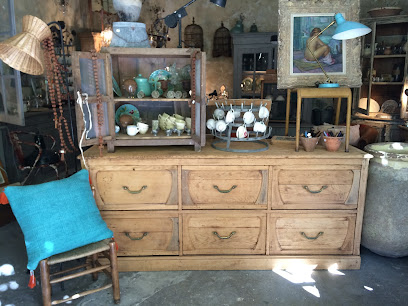
La Colline
5.4 km
Explore La Colline, a charming store in Lourmarin, offering unique local goods and a taste of Provence's rich artisan culture.
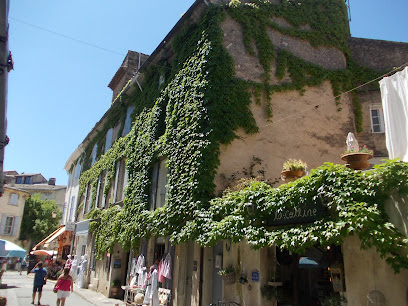
Gris Piedra
5.4 km
Discover unique artisanal treasures at Gris Piedra in Lourmarin, a must-visit store for cultural souvenirs and local craftsmanship.
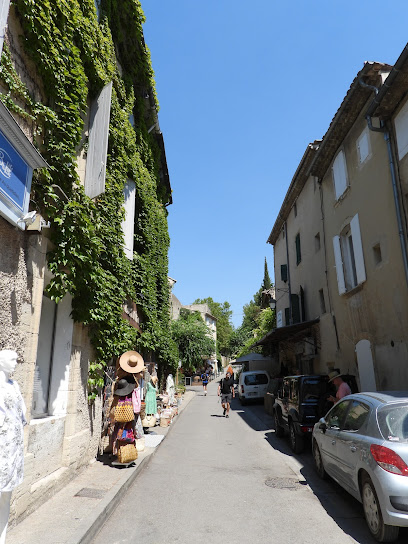
Le petit gris piedra
5.4 km
Discover a magical children's store in Lourmarin, filled with unique toys, fashion, and accessories that spark creativity and joy.
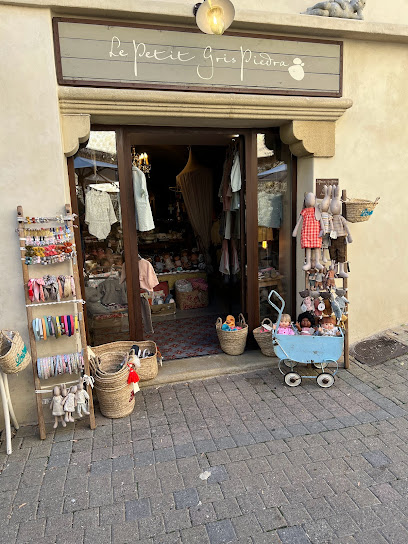
La Boutique de l'Antiquaire
5.5 km
Explore the enchanting La Boutique de l'Antiquaire in Lourmarin, where timeless antiques and unique vintage treasures await collectors and enthusiasts alike.
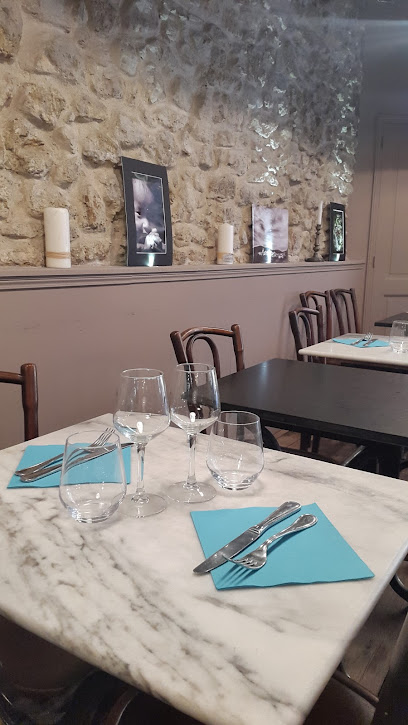
Les Choses Simples
7.5 km
Discover local craftsmanship and sustainable goods at Les Choses Simples, a unique shopping destination in the beautiful village of Lauris.
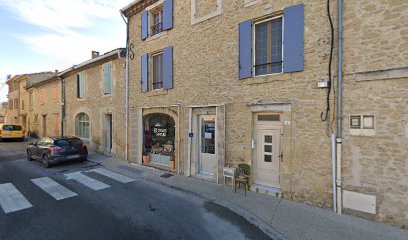
Senteurs et Provence
8.3 km
Discover the essence of Provence at Senteurs et Provence, where natural cosmetics and delightful toys await every visitor.
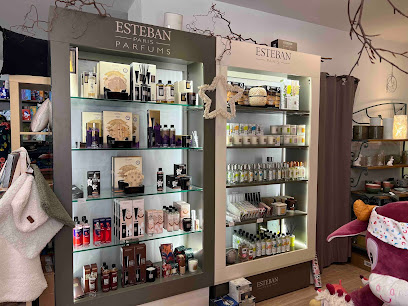
La CUC’ Factory I Artisanat local
8.8 km
Explore La CUC’ Factory: a treasure trove of local artistry and unique gifts in the heart of Cucuron, France, perfect for every traveler.
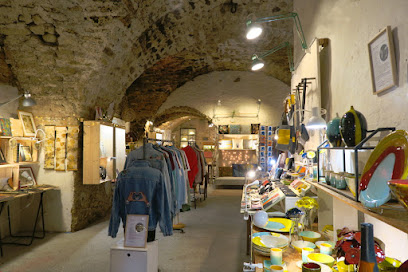
Coup de Coeur
11.0 km
Explore Coup de Coeur in La Roque-d'Anthéron for unique gifts and local artisan treasures that capture the spirit of Provence.
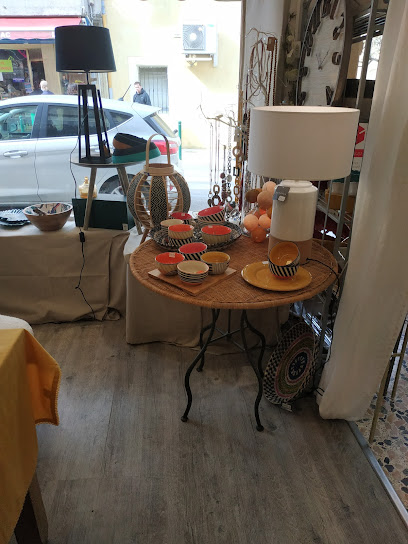
L'Ornate
11.3 km
Discover the unique charm of L'Ornate, a home goods store in Ménerbes offering exquisite French décor for your home.
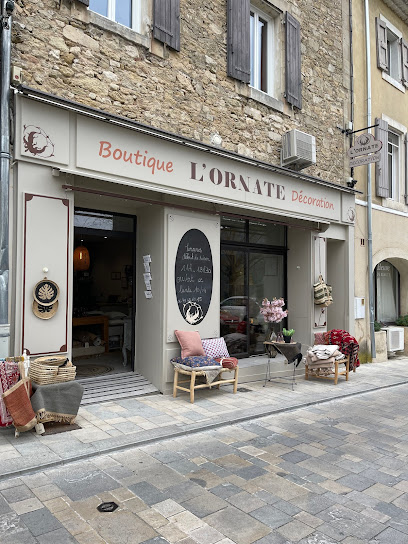
Petits points de Provence
11.3 km
Experience the elegance of Provençal linens at Petits points de Provence, a hidden gem in the heart of Ménerbes.
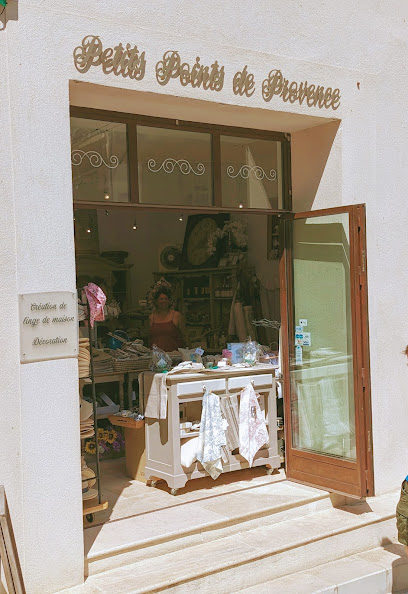
Epicerie du Luberon
11.3 km
Explore the flavors of Provence at Epicerie du Luberon, where local produce, gourmet products, and artisanal delights come together in a charming grocery store.
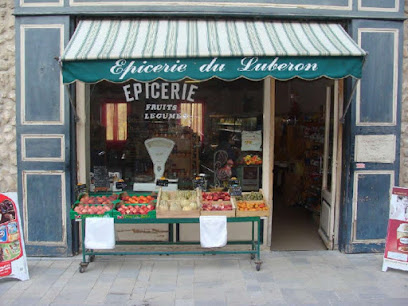
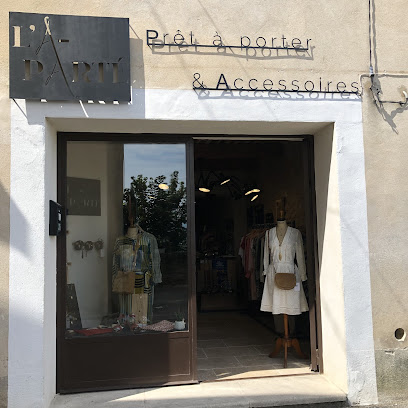
L’Aparté
11.3 km
Discover unique women's fashion at L’Aparté in Ménerbes, where contemporary style meets Provencal charm in a delightful boutique setting.
Un weekend a Gordes
16.0 km
Explore Un Weekend à Gordes, a charming boutique gift shop in the heart of Provence, offering unique souvenirs and local artisan treasures for every traveler.
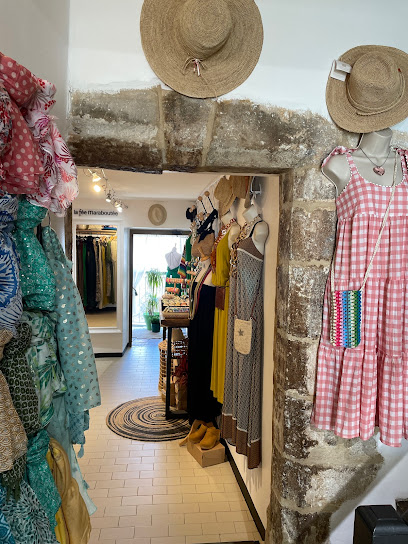
Le Potager Du Chateau
16.0 km
Experience the authentic taste of Provence at Le Potager Du Chateau, a charming store in Gordes offering fresh pasta, fruits, and exquisite local wines.
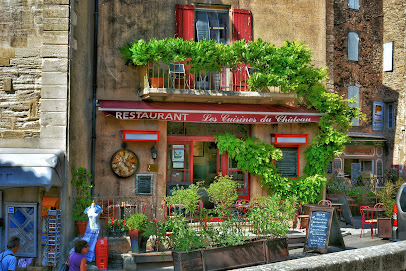
Essential bars & hidden hideouts

Café Capelongue
2.4 km
Discover the culinary delights of Café Capelongue in Bonnieux, where local flavors and stunning views come together for an unforgettable dining experience.
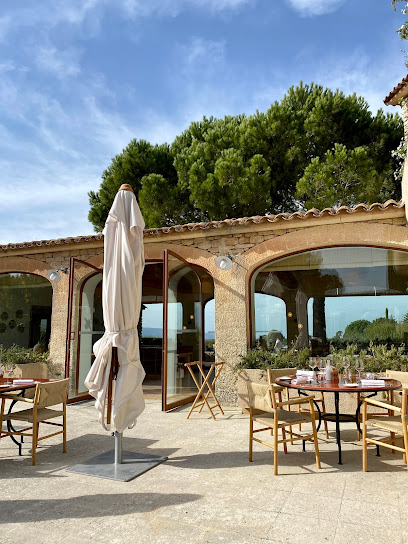
Brasserie St André
3.2 km
Experience the essence of Provence at Brasserie St André, where authentic French cuisine meets stunning Luberon views.
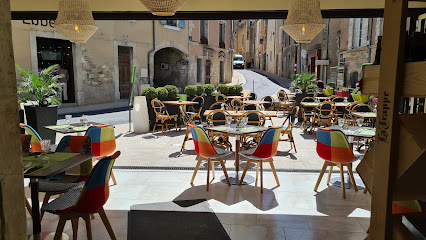
Le Tonneau
5.4 km
Discover the enchanting Le Tonneau in Lourmarin, a wine bar that offers an exquisite selection of local wines in a charming atmosphere.
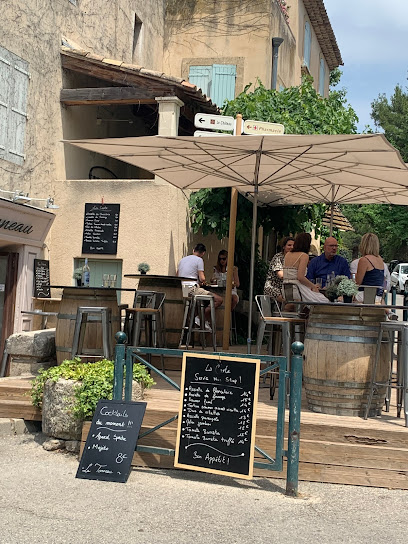
Bar Nulle Part Ailleurs
7.5 km
Experience the charm of Bar Nulle Part Ailleurs in Lauris, where delightful drinks and a warm atmosphere create unforgettable moments.
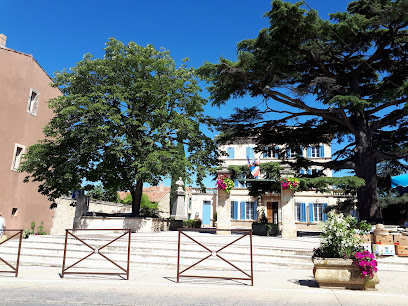
Bar Coquillade
8.0 km
Discover the enchanting Bar Coquillade in Gargas, where exquisite drinks and a charming ambiance create the perfect retreat for every traveler.
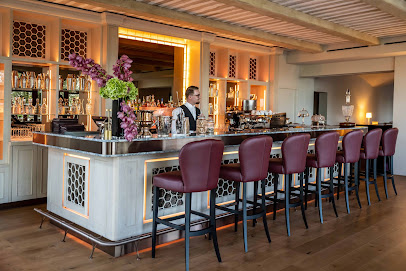
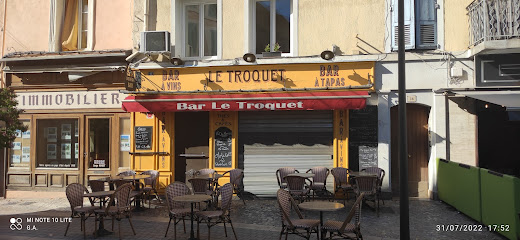
Bar Le Troquet
8.3 km
Discover Bar Le Troquet, a lively bar in Apt, where authentic drinks meet local charm in a cozy atmosphere perfect for socializing.
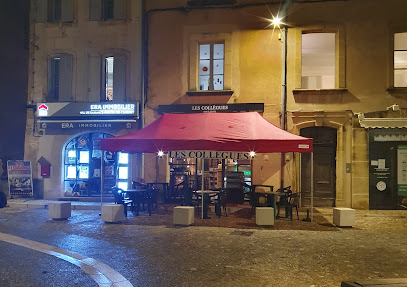
Bar a tapas les collegues
8.8 km
Savor authentic Spanish tapas in a vibrant bar setting in the heart of Cadenet, perfect for food lovers and travelers alike.
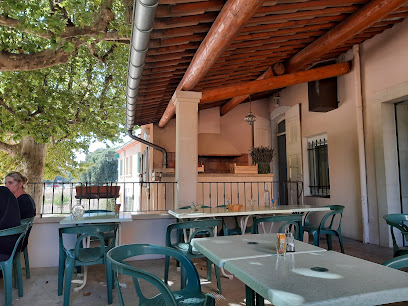
Restaurant Bar Tabac d'Alain Sanchez
10.5 km
Discover the cozy charm of Bar Tabac d'Alain Sanchez in Goult, where authentic French cuisine and local wines await amidst a welcoming Provençal atmosphere.
L'ambroisie
12.9 km
Discover the essence of Provence at L'ambroisie, a charming bar in Mérindol offering exquisite local wines and a welcoming atmosphere.
La Cave à Aimé - Mérindol
12.9 km
Experience the charm of La Cave à Aimé, a delightful wine cellar in Mérindol, showcasing the finest local wines and authentic Provençal culture.
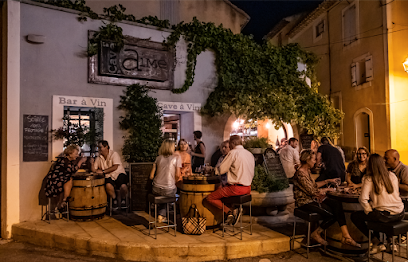
Le Restaurant & Bar à cocktails de la Ferme de la Huppe
14.0 km
Savor exquisite French cuisine and vibrant cocktails in the scenic beauty of Gordes, accompanied by live music at Le Restaurant & Bar à cocktails de la Ferme de la Huppe.
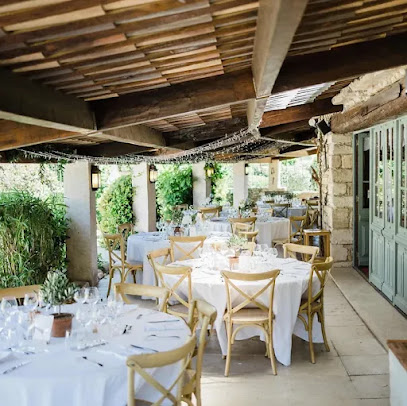
Le Cercle Républicain
16.0 km
Discover Le Cercle Républicain in Gordes, a delightful bar and café offering stunning views, local flavors, and a charming atmosphere in the heart of Provence.
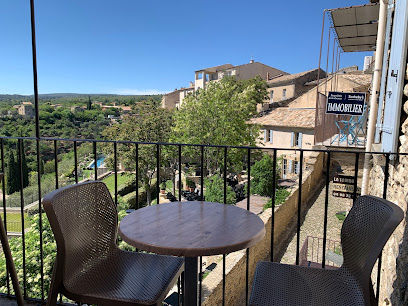
Bar Moderne
20.9 km
Discover the charm of Bar Moderne in Taillades, where exquisite drinks and a welcoming atmosphere await every visitor.
Brasserie Artisanale Lub'
21.4 km
Explore the vibrant craft beer culture at Brasserie Artisanale Lub', a charming brewpub in Taillades offering unique flavors and a cozy atmosphere.
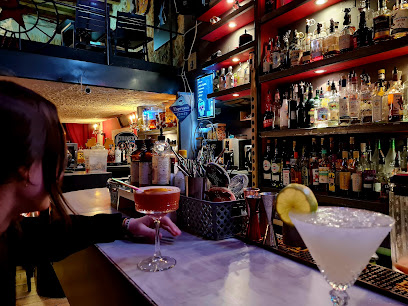
Cosy Pub
24.6 km
Experience the vibrant atmosphere and exquisite flavors at Cosy Pub, Cavaillon's premier cocktail bar and restaurant.
Nightclubs & after hour spots

La Maison Café
5.4 km
Experience the vibrant flavors of the Mediterranean at La Maison Café, a cozy bar and lounge in the heart of Lourmarin.
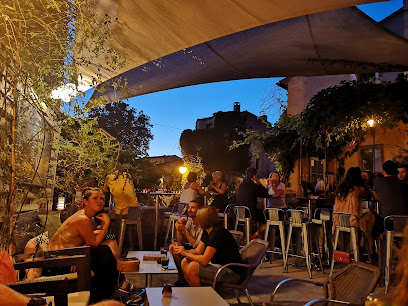
Summer party LAMANON
23.7 km
Discover the vibrant nightlife at Summer Party Lamanon, where music and energy flow in an unforgettable experience for all party lovers.
One Klub
23.9 km
Experience the electrifying nightlife at One Klub, Cavaillon's premier disco club, where music and dance unite for an unforgettable night out.
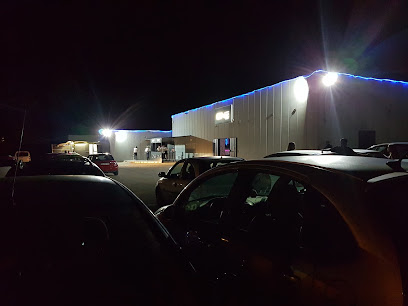
Les Templiers - Resto Club
24.9 km
Experience the vibrant nightlife of Aix-en-Provence at Les Templiers, a dance restaurant and cabaret club blending exquisite dining with electrifying entertainment.
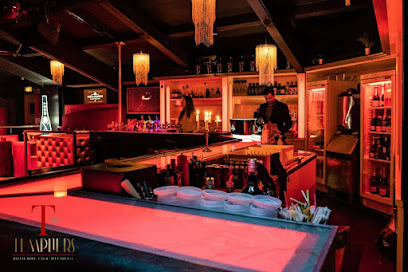
Top 60
25.9 km
Discover the energy of Aix-en-Provence at Top 60, a thrilling night club offering electrifying music and a vibrant atmosphere for an unforgettable night out.
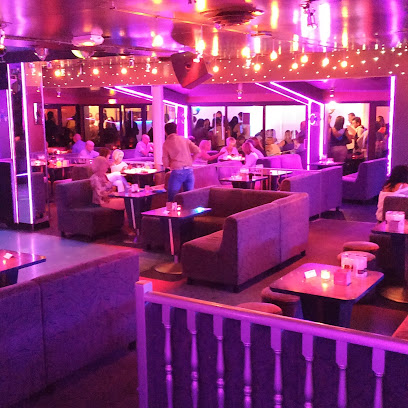
RICHEBOIS DISCOTHEQUE
26.4 km
Discover the pulsating energy of Richebois Discotheque, where vibrant music and delectable dining create an unforgettable nightlife experience.
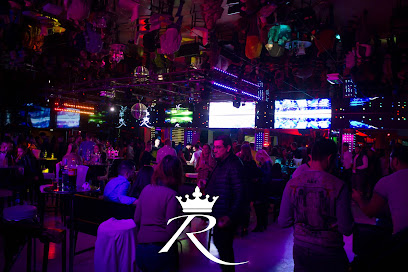
Le Diva - Resto Club
32.1 km
Experience the vibrant nightlife at Le Diva, a premier Resto Club in Aix-en-Provence, blending exquisite dining with pulsating dance floors.

Maya Bay
32.3 km
Discover the vibrant lounge atmosphere of Maya Bay in Aix-en-Provence, offering an exquisite hookah experience and stylish ambiance for relaxation.
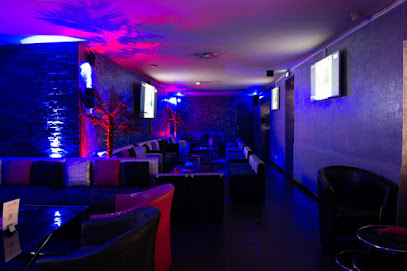
The Scat Club
32.4 km
Experience the vibrant nightlife and live music at The Scat Club, a must-visit night club in the heart of Aix-en-Provence.
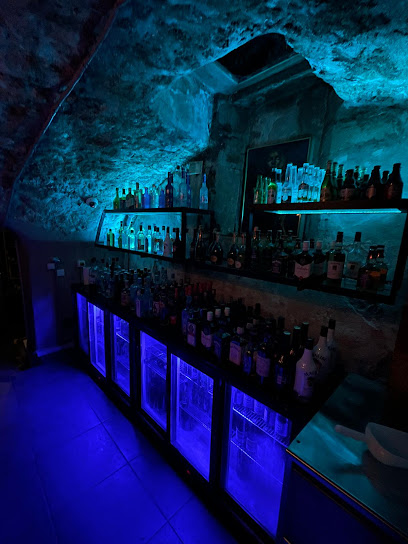
IPN
32.4 km
Unleash your inner party spirit at IPN, the ultimate night club in Aix-en-Provence, where music and dance create unforgettable memories.
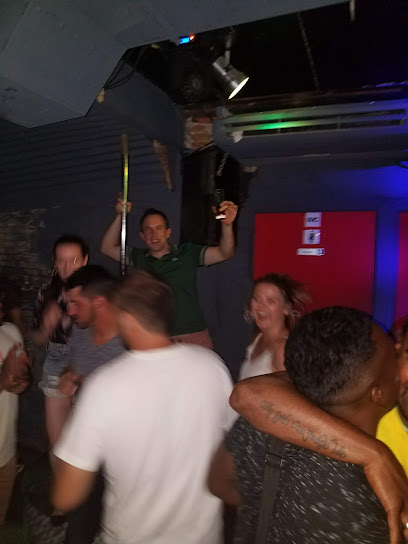
La Maya Club Location de salle
32.5 km
Discover the pulse of Aix-en-Provence's nightlife at La Maya Club, where exceptional cocktails and vibrant music create the ultimate party atmosphere.
Le Tendance
32.6 km
Discover Le Tendance, a lively bar in Aix-en-Provence, where the vibrant atmosphere meets exquisite drinks and unforgettable nightlife experiences.
Shakespeare Club
32.6 km
Experience the electrifying atmosphere of Shakespeare Club, a premier disco in Aix-en-Provence, where the night comes alive with music and dance.
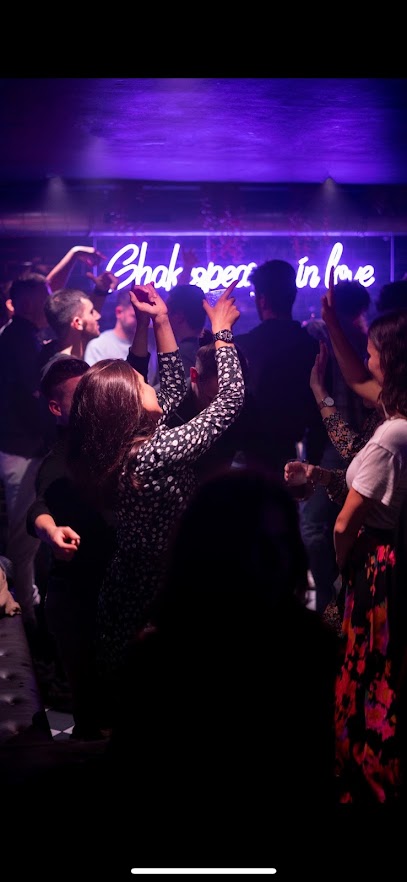
Agora Club
32.7 km
Immerse yourself in the electrifying atmosphere of Agora Club, Aix-en-Provence's premier nightlife destination, where unforgettable memories are made.
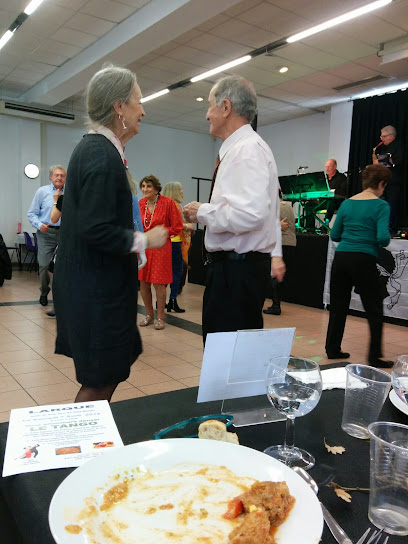
Mistral Club
32.8 km
Experience the vibrant nightlife at Mistral Club in Aix-en-Provence, where music, dancing, and style unite for an unforgettable evening.