

Marseille Observatory, Marseille Travel Guide
Explore the cosmos at the Marseille Observatory: Discover historical telescopes, planetarium shows, and stunning views in a journey through astronomy's past and present.
The Marseille Observatory, perched in the 4th arrondissement, offers a captivating journey through the history of astronomy and Marseille's scientific contributions. Founded in 1702 and later moved to its current location in the 1860s, the observatory boasts a rich collection of historical instruments, including the renowned Foucault telescope. Visitors can explore the cosmos in the planetarium, attend engaging presentations, and, weather permitting, observe the sun safely. Managed by the Andromeda association, the observatory provides guided tours and activities suitable for all ages, making it a unique blend of scientific exploration and historical discovery. It's a place where the past and future of astronomical study converge, offering breathtaking views and a deeper understanding of our universe. The observatory is a testament to Marseille's enduring legacy in the field of astronomy, inviting visitors to explore the wonders of the night sky and the evolution of our understanding of the cosmos.
A brief summary to Marseille Observatory
- 2 place Le Verrier, Marseille, 13004, FR
- Click to display
- Click to display
- Wednesday 2 pm-5:30 pm

Know before you go
Hi, I'm Eve. Here are a few practical things to know before exploring Marseille Observatory.
- Check the Andromeda association's website for the latest schedule of planetarium shows and guided tours, as times can vary.
- Arrive early for planetarium sessions, as seating is limited to 35 people and fills up quickly.
- Combine your visit with a trip to the nearby Palais Longchamp, home to the Musée des Beaux-Arts and the Natural History Museum.
- Take bus line 91 from Saint-Charles station for a direct and scenic route to the observatory.
- Bring a camera to capture the panoramic views of Marseille from the observatory grounds.
Do you manage this location?
Take control to get all the benefits, like improved information, better appearance, and stronger visibility across AI-powered discovery. Learn more about listing your business on Evendo
Activate your presenceOther nearby places you may find interesting
The closest places of the same kind, if this one is not quite what you had in mind.



Explore Marseille Observatory on the Map
A handpicked selection of must-see spots near Marseille Observatory, mapped for you.
Getting There
-
Public Transport
From Marseille's Saint-Charles train station, take Metro Line 1 (red line) towards La Rose. Get off at the Cinq Avenues - Longchamp station (€1.70). From there, either walk uphill for about 15 minutes, following signs for the Observatoire de Marseille, or catch bus line 81 from the Cinq Avenues stop towards Métro Réformés and get off at Place Leverrier (€1.70). The observatory is directly on Place Leverrier.
-
Taxi/Ride-Share
From the Vieux Port area, a taxi or ride-share to the Marseille Observatory will cost approximately €14-€25, depending on traffic and the specific provider. The journey typically takes 10-15 minutes. Be sure to confirm the fare or meter usage with the driver before starting your trip. Taxi apps like Uber or Bolt are readily available in Marseille.
-
Driving
Driving to the Marseille Observatory involves navigating through the city. Limited free street parking is available near the observatory, but it can be challenging to find a spot. Paid parking options are available in the surrounding area, with hourly rates typically ranging from €1.50 to €3.00. Consider using parking apps like Yespark to reserve a spot in advance. Be aware that traffic can be heavy, especially during peak hours.
Discover more about Marseille Observatory













Your all‑in‑one travel companion app
Explore expert travel guides, compare and book tours, experiences, hotels, and more—all from the palm of your hand. Download now for seamless trip planning wherever your wanderlust takes you.


Explore More of Marseille
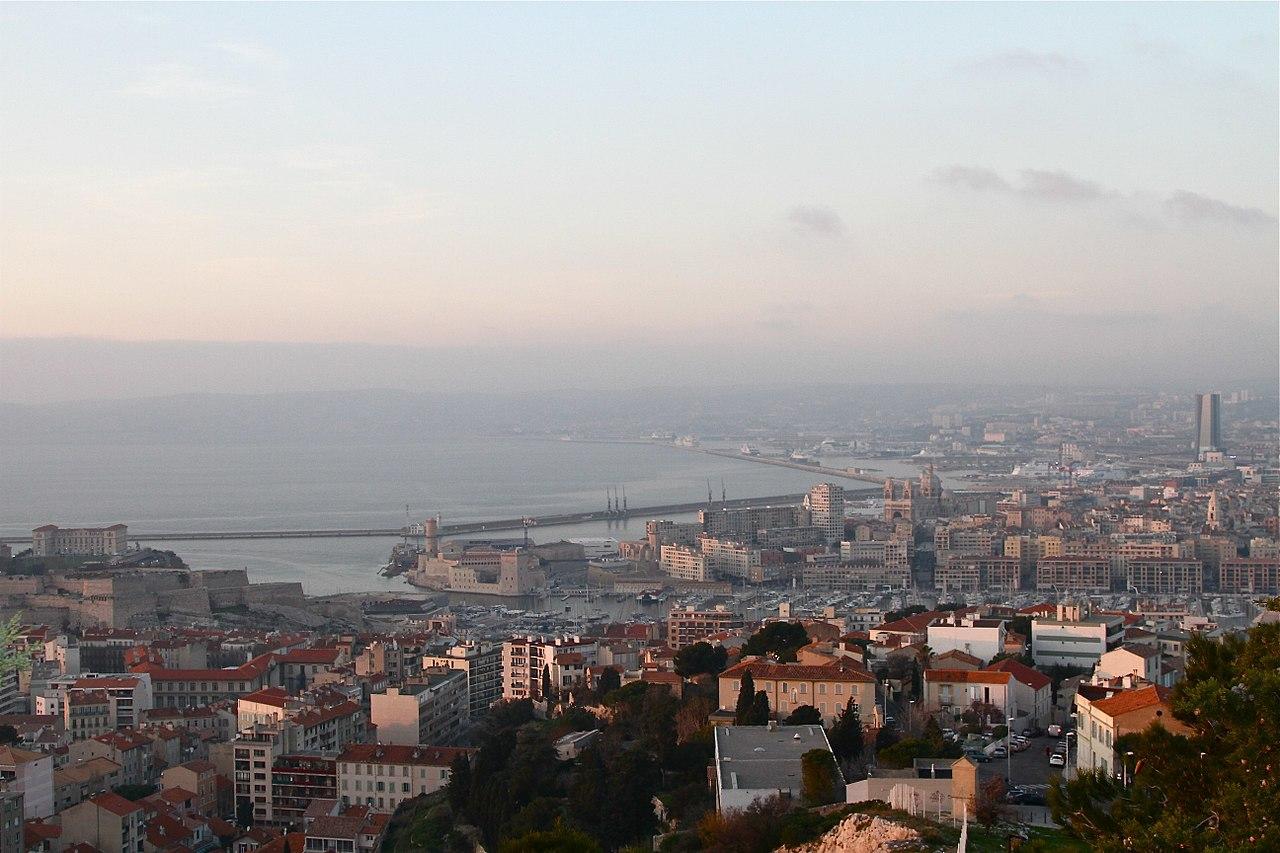
Looking beyond Marseille Observatory? Discover Marseille for broader travel guides, local hot-spots, and regional highlights.
Explore Marseille
Discover Marseille's oldest house, the Hôtel de Cabre, a captivating blend of Gothic and Renaissance architecture that has survived centuries of history and stands as a symbol of the city's enduring spirit.
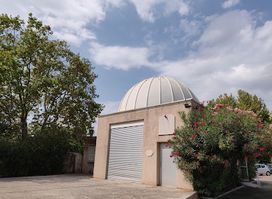
Explore the Marseille Observatory, a hub of astronomy with a planetarium and museum, offering stunning views and intriguing exhibits in the heart of Marseille.
