

Unité d'Habitation, Marseille Travel Guide
Explore Le Corbusier's visionary 'vertical city' in Marseille: a groundbreaking modernist housing complex with apartments, shops, a hotel, and a rooftop art center.
The Unité d'Habitation in Marseille, also known as Cité Radieuse (Radiant City), is a groundbreaking modernist housing complex designed by the renowned architect Le Corbusier. Completed in 1952, it embodies Le Corbusier's vision of a self-contained 'vertical city,' integrating residences with essential services and communal spaces. This Brutalist masterpiece features 337 apartments of various configurations, designed to foster a sense of community while providing individual living spaces. Beyond its residential units, the building incorporates interior shopping streets, a hotel, a restaurant, a rooftop art center (MaMo), and even a school. The Unité d'Habitation stands as a testament to innovative urban planning and architectural experimentation, influencing housing design worldwide. Its design promotes the balance between private and communal living, offering residents a unique urban experience. Visitors can explore the building's public areas, including the commercial spaces and rooftop terrace, to witness Le Corbusier's vision firsthand. Guided tours offer deeper insights into the building's history, architectural significance, and the principles behind its design.
A brief summary to Unité d'Habitation
- 280 Bd Michelet, Marseille, 13008, FR
- Click to display
- Monday 9 am-6 pm
- Tuesday 9 am-6 pm
- Wednesday 9 am-6 pm
- Thursday 9 am-6 pm
- Friday 9 am-6 pm
- Saturday 9 am-6 pm
- Sunday 9 am-6 pm

Know before you go
Hi, I'm Eve. Here are a few practical things to know before exploring Unité d'Habitation.
- Book a guided tour in advance to access restricted areas and learn about the building's history and architectural significance.
- Visit the rooftop terrace for panoramic views of Marseille and to experience the unique MaMo art center.
- Explore the interior shopping streets to discover local shops, restaurants, and design stores.
- Consider staying at the hotel within the Unité d'Habitation for an immersive experience of Le Corbusier's design.
- Check the MaMo art center's schedule for current exhibitions and events on the rooftop.
Do you manage this location?
Take control to get all the benefits, like improved information, better appearance, and stronger visibility across AI-powered discovery. Learn more about listing your business on Evendo
Activate your presenceOther nearby places you may find interesting
The closest places of the same kind, if this one is not quite what you had in mind.

Explore Unité d'Habitation on the Map
A handpicked selection of must-see spots near Unité d'Habitation, mapped for you.
Unlock the Best of Unité d'Habitation
Buy tickets
-
No tickets available
Book tours with entry


Book tours without entry
-
No tours available
Getting There
-
Public Transport
From Marseille city center, the easiest way to reach Unité d'Habitation is by Metro and Bus. Take Metro Line 2 to Rond-Point du Prado station. From there, take Bus line 22, 22S, 72, B1, or L078 towards Michelet Roseraie and get off at the Unite d'Habitation stop, which is directly in front of the building. A single metro/bus fare is around €1.80.
-
Taxi/Ride-Share
Taxis and ride-sharing services like Uber are readily available in Marseille. A taxi ride from the Vieux-Port (Old Port) area to Unité d'Habitation typically costs between €15 and €25, depending on traffic. Be sure to confirm the fare or estimated cost before starting your journey. During peak hours, prices may increase.
-
Driving
If driving, navigate to 280 Boulevard Michelet, 13008 Marseille. Limited public parking is available near the building, but it can be challenging to find a spot. Some residential parking might be available in the yard of the Unité d'Habitation. Consider using nearby parking garages and walking a short distance. Parking fees in the area typically range from €2 to €4 per hour.
Discover more about Unité d'Habitation













Your all‑in‑one travel companion app
Explore expert travel guides, compare and book tours, experiences, hotels, and more—all from the palm of your hand. Download now for seamless trip planning wherever your wanderlust takes you.


Explore More of Marseille
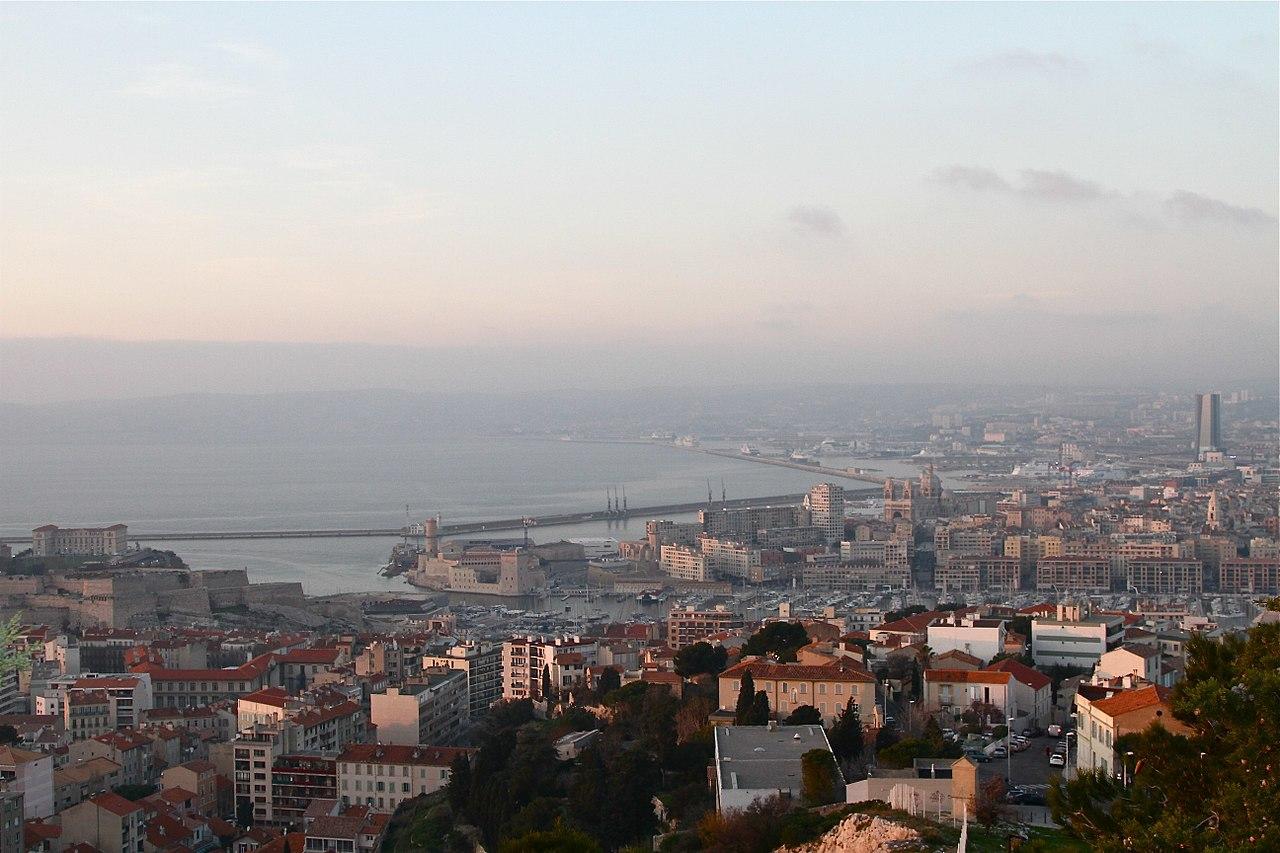
Looking beyond Unité d'Habitation? Discover Marseille for broader travel guides, local hot-spots, and regional highlights.
Explore Marseille
Marseille's vibrant Plages du Prado: a coastal haven born from urban ingenuity, offering sun, sports, and cultural experiences along the Mediterranean, easily accessible to all.
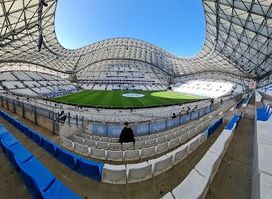
Experience the electric atmosphere of Marseille's iconic Orange Vélodrome, home to Olympique de Marseille and a world-class venue for sports and entertainment.
