Background

Abbaye de Gellone: A Spiritual and Architectural Masterpiece

Discover the spiritual heart of Saint-Guilhem-le-Désert at the Abbaye de Gellone, a UNESCO World Heritage site and a masterpiece of Languedocian Romanesque art.

4.6

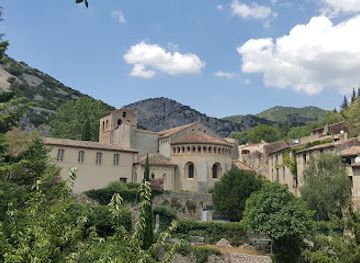
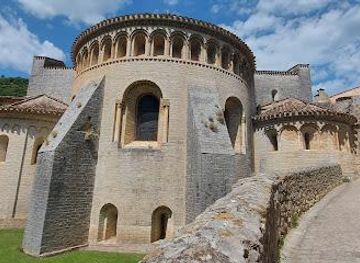
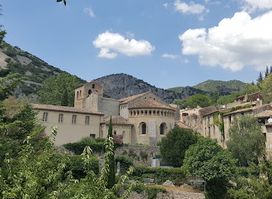
Nestled in the picturesque village of Saint-Guilhem-le-Désert, the Abbaye de Gellone stands as a testament to Languedocian Romanesque art and spiritual devotion. Founded in 804 by Saint Guilhem, a cousin of Charlemagne, the abbey quickly became a significant religious center and a key stop on the pilgrimage route to Santiago de Compostela. Its stunning architecture, featuring a Lombard-style interior, a serene cloister, and a museum housing salvaged artifacts, draws visitors seeking both historical insight and tranquil beauty. The abbey's rich history, coupled with its location in one of France's most beautiful villages, makes it an unmissable destination. Explore the abbey's crypt, admire the intricate details of its architecture, and soak in the peaceful atmosphere that has permeated these walls for over a millennium. Saint-Guilhem-le-Désert, with the Abbaye de Gellone at its heart, offers a unique blend of cultural heritage and natural splendor.

A brief summary to Abbaye de Gellone

  • Monday 10:30 am-1 pm
  • Tuesday 10:30 am-1 pm
  • Wednesday 10:30 am-1 pm
  • Thursday 10:30 am-1 pm
  • Friday 10:30 am-1 pm
  • Saturday 10:30 am-5:30 pm
  • Sunday 2 pm-5:30 pm

Local tips

  • Arrive early in the morning or later in the afternoon to avoid the biggest crowds, especially during peak season.
  • Wear comfortable shoes, as you'll be doing a lot of walking on uneven cobblestone streets.
  • Check the abbey's website for the most up-to-date information on opening hours and special events.
  • Consider taking a guided tour to learn more about the abbey's history and architecture.
  • Combine your visit with a hike in the Gorges de l'Hérault for a full day of exploration.
widget icon

Getting There

  • Public Transport

    From Montpellier, the most convenient way to reach Saint-Guilhem-le-Désert is by taking the LiO bus route 668. The bus departs from Montpellier (Mosson) and takes you directly to Saint-Guilhem-le-Désert. From the bus stop in the village center, the Abbaye de Gellone is a short walk away, following signs towards the Place de la Liberté. The bus fare is approximately €2 per person each way. Check the Hérault Transport website for the latest schedules.

  • Driving

    If driving, be aware that parking in Saint-Guilhem-le-Désert is limited and can be challenging, especially during peak season. There are two main parking areas: Parking Saint-Laurent (lower village) and Parking Pré des Pères (upper village). Parking fees range from €5.50 for up to 2.5 hours to €10 for 4-18 hours. A daily rate of €25 applies between 6 PM and midnight. Consider parking at the Pont du Diable and taking the free shuttle bus to the village during the high season to avoid parking stress. The shuttle runs frequently and drops you off near the village center, a short walk from the abbey.

  • Walking

    Once in Saint-Guilhem-le-Désert, the Abbaye de Gellone is easily accessible on foot. From any point in the village center, follow the signs towards Place de la Liberté. The abbey is located directly on the square. The walk is short but may involve some uphill sections depending on your starting point. No special equipment or fees are required.

Unlock the Best of Abbaye de Gellone

Buy tickets

    No tickets available

Book tours with entry

    No tours available

Book tours without entry

    No tours available

Discover more about Abbaye de Gellone

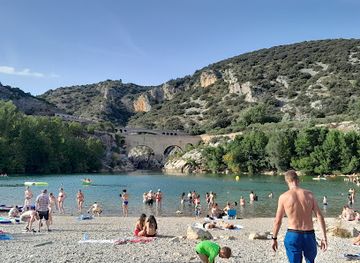
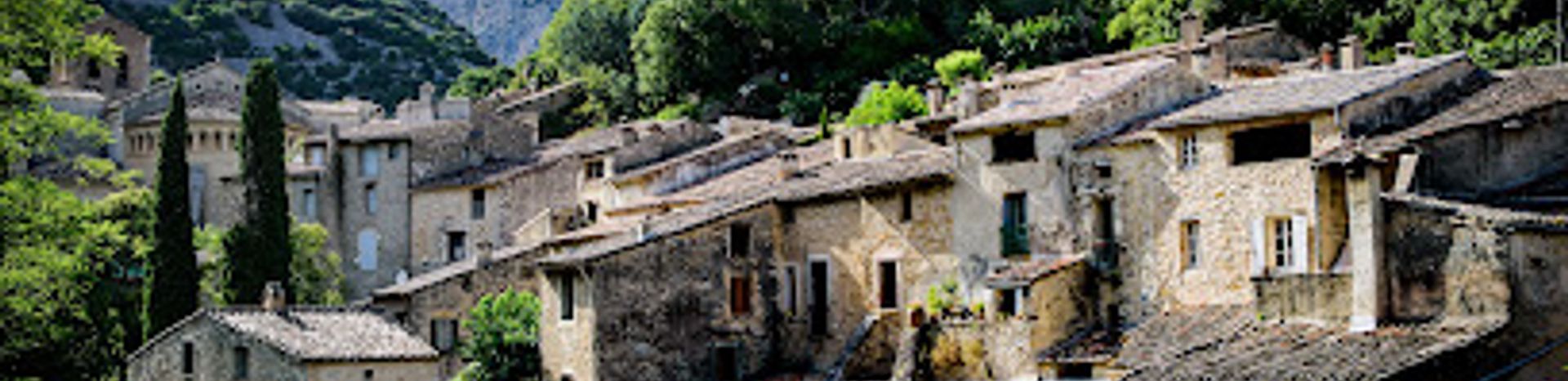
The Abbaye de Gellone, a jewel of Romanesque art, graces the heart of Saint-Guilhem-le-Désert, a village consistently ranked among France's most beautiful. Founded in 804 by Guilhem, a prominent figure in Charlemagne's court, the abbey's history is interwoven with tales of faith, power, and architectural innovation. Guilhem, also known as William of Gellone, established the monastery in a secluded valley, seeking a life of spiritual contemplation. He brought with him a fragment of the True Cross, a gift from Charlemagne, which instantly elevated the abbey's importance as a pilgrimage site. The village of Saint-Guilhem-le-Désert grew around the abbey, its destiny inextricably linked to the sacred space. Over the centuries, the Abbaye de Gellone flourished, becoming a major center of Benedictine monasticism. Its strategic location on the pilgrimage route to Santiago de Compostela further enhanced its prominence, attracting a steady stream of travelers and pilgrims seeking spiritual solace and blessings. The abbey's architecture reflects its long and storied past. The original Carolingian monastery was gradually replaced by a grand Romanesque edifice, showcasing the artistic and engineering prowess of the era. The abbey church, dedicated to Saint-Sauveur, features a soaring nave, supported by massive pillars and illuminated by arched windows. The interior exudes a sense of solemnity and grace, inviting visitors to reflect on the spiritual significance of the space. The cloister, once an integral part of monastic life, provided a tranquil space for contemplation and study. Although much of the original cloister was dismantled and sold during the French Revolution, fragments of its sculpted columns and capitals can still be seen in the abbey's museum and in the Cloisters Collection of the Metropolitan Museum of Art in New York City. The museum, housed in the abbey's former refectory, displays a collection of artifacts salvaged from the abbey and its surroundings, offering a glimpse into the daily lives of the monks who once resided here. The Abbaye de Gellone has endured periods of both prosperity and hardship. The French Revolution brought an end to monastic life, and the abbey was subsequently used for various secular purposes. However, in the 20th century, efforts were undertaken to restore the abbey to its former glory, and it once again became a place of worship and pilgrimage. Today, the Abbaye de Gellone stands as a UNESCO World Heritage site, recognized for its outstanding universal value. Visitors from around the world come to admire its architectural beauty, explore its rich history, and experience the spiritual atmosphere that permeates its ancient stones. The abbey's location in Saint-Guilhem-le-Désert, a village renowned for its charm and natural beauty, adds to its allure. Exploring the Abbaye de Gellone involves wandering through the abbey church, admiring the Lombard architecture and the play of light within its sacred space. A visit to the crypt reveals the final resting place of Saint Guilhem, the abbey's founder. The lapidary museum showcases remnants of the original cloister and other architectural fragments, providing insight into the abbey's evolution over time. Beyond the abbey itself, Saint-Guilhem-le-Désert offers a wealth of attractions. The village's narrow, winding streets are lined with medieval houses, craft shops, and restaurants serving local cuisine. The central square, shaded by ancient plane trees, provides a perfect spot to relax and soak in the village's ambiance. For those seeking outdoor adventures, the surrounding Gorges de l'Hérault offer opportunities for hiking, rock climbing, and canoeing. The nearby Pont du Diable, a medieval bridge spanning the Hérault River, is a popular spot for swimming and sunbathing. The Abbaye de Gellone is more than just a historical monument; it is a living testament to the enduring power of faith, art, and human endeavor. Its serene atmosphere, stunning architecture, and rich history make it an unforgettable destination for travelers seeking a meaningful and enriching experience. Whether you are a history buff, an art enthusiast, or simply seeking a peaceful retreat, the Abbaye de Gellone is sure to captivate your senses and leave a lasting impression. Visiting the Abbaye de Gellone is an immersive experience that transports you back in time. As you wander through its ancient halls and courtyards, you can almost hear the echoes of the monks chanting, the pilgrims praying, and the artisans crafting. The abbey's stones whisper stories of faith, resilience, and the enduring power of the human spirit. A visit to the Abbaye de Gellone is a journey into the heart of Languedoc's rich cultural heritage.

Popular Experiences near Abbaye de Gellone

Popular Hotels near Abbaye de Gellone

Select Currency