Background

Entrée Port de Sète: Gateway to the Mediterranean

Discover the vibrant gateway to Sète, France, where maritime history meets Mediterranean culture, offering ferry connections, fresh seafood, and access to the 'Venice of Languedoc'.

4.2

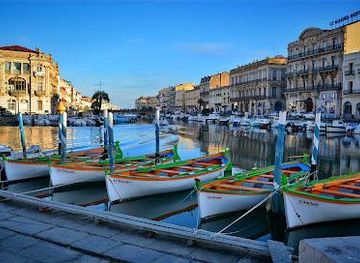
The Entrée Port de Sète, or the entrance to the Port of Sète, is more than just a transit point; it's a vibrant hub connecting the town to the wider Mediterranean. Founded in the 17th century as an outlet for the Canal du Midi, Sète has blossomed into a bustling port city, retaining its authentic maritime character. Here, ferries depart for destinations like Morocco and Algeria, while fishing boats unload their daily catch. Visitors can stroll along the quays, soak in the atmosphere, and appreciate the blend of commercial activity and leisure that defines this unique location. The port serves as a gateway to explore Sète, known as the "Venice of Languedoc", with its canals, colorful buildings, and rich cultural heritage. Whether arriving or departing, the Entrée Port de Sète offers a memorable introduction to this captivating city.

A brief summary to Entrée port de Sète

  • Monday 12 am-12 am
  • Tuesday 12 am-12 am
  • Wednesday 12 am-12 am
  • Thursday 12 am-12 am
  • Friday 12 am-12 am
  • Saturday 12 am-12 am
  • Sunday 12 am-12 am

Local tips

  • Arrive early for ferry departures, especially during peak season, to allow ample time for check-in and security procedures.
  • Explore the canals by boat for a unique perspective of Sète, often dubbed the 'Venice of Languedoc'.
  • Sample fresh seafood at the quayside restaurants; try the local 'tielle' for a true taste of Sète.
  • Visit during the Fête de la Saint-Louis in late August for traditional water jousting and local festivities.
  • Walk or bike along the coastal path to enjoy scenic views of the Mediterranean and the nearby beaches.
widget icon

Getting There

  • Walking

    From the Sète train station (Gare SNCF), the Entrée Port de Sète is approximately a 15-20 minute walk. Exit the station and walk straight along Avenue Camille Pelletan. Turn left onto Quai de la République, then continue onto Quai d'Alger. The port entrance will be on your right, near the Gare Maritime Orsetti. This is a straightforward, well-signed route.

  • Public Transport

    From the Sète train station (Gare SNCF), take the Line 659 bus towards 'Gare Routière'. The bus journey takes approximately 5 minutes. From 'Gare Routière', it's a short walk to the port entrance. A single bus fare costs approximately €1.60.

  • Taxi/Ride-Share

    Taxis are readily available at the Sète train station. A taxi ride to the Entrée Port de Sète takes about 5-10 minutes, depending on traffic. Expect to pay around €6-€8 for the trip. Ride-sharing services like Uber may also be available.

  • Driving

    If driving, follow signs for 'Gare Maritime' or 'Port de Sète' from the city center. Limited short-term parking is available near the port entrance for passenger drop-off. For longer stays, consider using the 'Parking Quai du Maroc' which is free for 2 hours, or paid parking options like 'Parking du Canal' or 'Parking des Halles' in the city center, a short walk away. Paid parking costs vary, with hourly rates around €2-€3 and daily rates around €15-€20.

Unlock the Best of Entrée port de Sète

Buy tickets

    No tickets available

Book tours with entry

    No tours available

Book tours without entry

    No tours available

Discover more about Entrée port de Sète

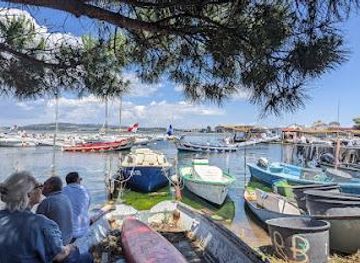
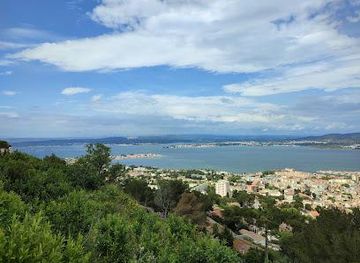
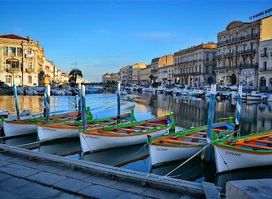
The Entrée Port de Sète marks the threshold to a city steeped in maritime history and vibrant Mediterranean culture. Established in 1666 under the reign of Louis XIV, the port was conceived as a vital link connecting the Canal du Midi to the sea, facilitating trade and commerce for the Languedoc region. Today, it stands as France's premier passenger port for ferries to Morocco and a significant commercial and fishing hub. As you approach the port entrance, the scene unfolds with a captivating blend of activity. Ferries loom large, preparing for voyages to North Africa, while smaller fishing vessels bob gently in the harbor. The air is filled with the sounds of ship horns, the cries of seagulls, and the lively chatter of locals and travelers alike. The surrounding architecture reflects Sète's rich past, with colorful buildings lining the quays, their facades bearing witness to centuries of maritime trade and cultural exchange. The port's strategic location has shaped Sète's identity as a crossroads of cultures. Over the centuries, influences from across the Mediterranean have converged here, creating a unique blend of traditions, cuisine, and artistic expression. This cosmopolitan atmosphere is palpable as you explore the port area, encountering people from diverse backgrounds and sampling flavors from around the world. Beyond its functional role, the Entrée Port de Sète offers a gateway to the many attractions of the city itself. Known as the "Venice of Languedoc" for its intricate network of canals, Sète boasts a charming urban landscape that invites exploration. Stroll along the Canal Royal, the city's main waterway, and admire the colorful buildings that line its banks. Cross the iconic bridges that span the canals, offering picturesque views of the harbor and the surrounding cityscape. For those interested in maritime history, the port offers a glimpse into Sète's seafaring past. Visit the Saint-Louis lighthouse, which has guided ships into the harbor since the 17th century. Climb to the top for panoramic views of the port, the city, and the Mediterranean Sea. Explore the old port area, where traditional fishing boats still unload their daily catch, and witness the bustling activity of the fish market. Sète's cultural heritage is also on display near the port. Visit the Espace Georges Brassens, a museum dedicated to the life and work of the renowned singer-songwriter who was born in Sète. Discover the Musée Paul Valéry, which houses a collection of art and artifacts related to the famous poet and philosopher, also a native of Sète. These cultural institutions offer insights into the artistic and intellectual traditions that have shaped the city's identity. Food lovers will find plenty to savor in the port area, with numerous seafood restaurants offering fresh catches from the Mediterranean. Sample local specialties such as *tielles*, savory pies filled with octopus and tomato sauce, or indulge in a platter of freshly caught oysters from the nearby Étang de Thau lagoon. The port's vibrant culinary scene reflects Sète's connection to the sea and its rich gastronomic heritage. The Entrée Port de Sète is not merely a point of arrival or departure; it is an integral part of the city's identity and a gateway to its many treasures. Whether you are embarking on a ferry to distant shores, exploring the historic canals, or savoring the local cuisine, the port offers a captivating introduction to the unique charm and character of Sète. Throughout the year, the port hosts various events and festivals that celebrate Sète's maritime heritage. The Fête de la Saint-Louis, held in late August, features traditional water jousting competitions on the Canal Royal, a spectacle that has been a part of Sète's culture for centuries. The Escale à Sète, a maritime festival held every other year, brings together tall ships and traditional vessels from around the world, transforming the port into a vibrant showcase of maritime history and culture. As the sun sets over the Entrée Port de Sète, the scene transforms into a magical tableau. The lights of the city twinkle on the water, casting a warm glow on the colorful buildings and the bustling quays. The sounds of music and laughter fill the air, as locals and visitors alike gather to enjoy the evening atmosphere. Whether you are a seasoned traveler or a first-time visitor, the Entrée Port de Sète offers an unforgettable experience that captures the essence of this captivating Mediterranean city. Sète's connection to the sea extends beyond its commercial and cultural significance. The port also serves as a gateway to the natural beauty of the surrounding region. Take a boat trip to the Étang de Thau, a vast saltwater lagoon that is home to a variety of marine life and a thriving oyster farming industry. Explore the nearby beaches, which offer opportunities for swimming, sunbathing, and water sports. Or hike to the top of Mont Saint-Clair, the hill that overlooks the city, for panoramic views of the coastline and the surrounding landscape. The Entrée Port de Sète is a place where history, culture, and nature converge, creating a unique and unforgettable destination. Whether you are seeking adventure, relaxation, or cultural enrichment, the port offers a gateway to the many wonders of Sète and the surrounding region.

Popular Experiences near Entrée port de Sète

Popular Hotels near Entrée port de Sète

Select Currency