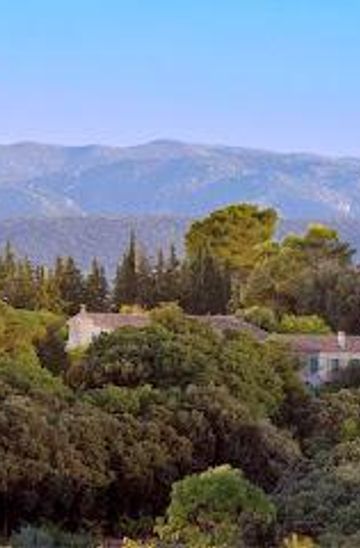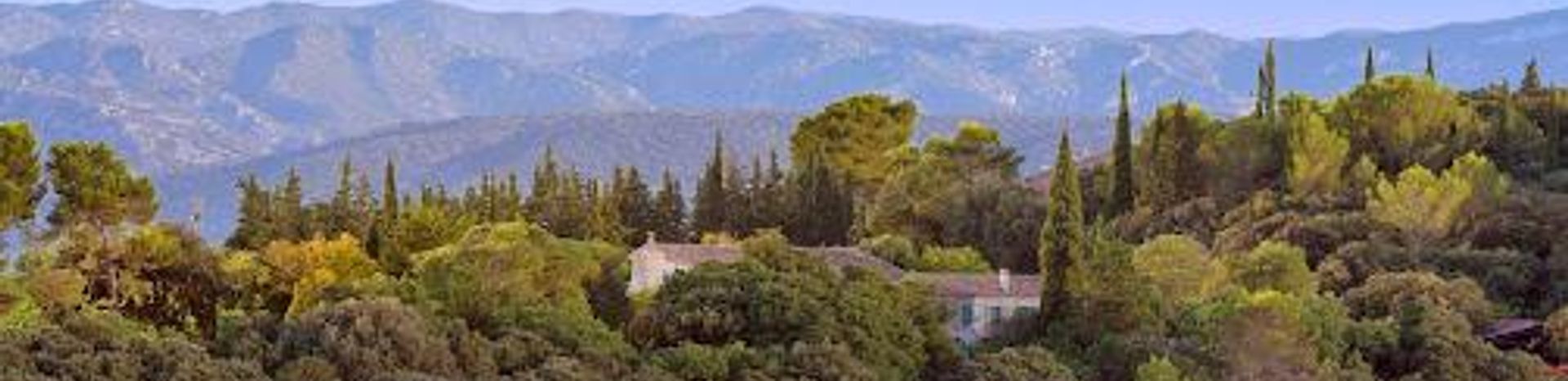
Mas de Daumas Gassac: The 'Grand Cru' of the Languedoc
Discover the 'Grand Cru' of the Languedoc at Mas de Daumas Gassac, a family-run winery crafting exceptional wines from a unique terroir since the 1970s in Aniane.
Nestled in the Gassac Valley near Aniane, Mas de Daumas Gassac is a family-run winery renowned as the 'Grand Cru' of the Languedoc. Since the 1970s, the Guibert family has produced exceptional red, white, and rosé wines from its unique terroir, a landscape of garrigue and wild nature. The estate's commitment to traditional winemaking, including hand-harvesting and the use of rare, uncloned varietals, results in wines of prodigious richness and flavor. Visitors can explore the underground cellars housed in a Gallo-Roman mill and indulge in a tasting of their acclaimed wines. A visit promises an immersive experience into the heart of Languedoc's winemaking heritage.
A brief summary to Mas de Daumas Gassac
- Haute vallée du Gassac, Aniane, 34150, FR
- Click to display
- Click to display
- Monday 10 am-12 pm
- Tuesday 10 am-12 pm
- Wednesday 10 am-12 pm
- Thursday 10 am-12 pm
- Friday 10 am-12 pm
- Saturday 10 am-12 pm

Know before you go
Hi, I'm Eve. Here are a few practical things to know before exploring Mas de Daumas Gassac.
- Book your visit and wine tasting in advance, especially during peak season, to ensure availability and a personalized experience.
- Explore the surrounding Gassac Valley, known for its natural beauty and hiking trails, to fully appreciate the terroir that influences the wines.
- Consider visiting nearby Saint-Guilhem-le-Désert, a UNESCO World Heritage site, to combine your wine tasting with a cultural experience.
- Check the winery's website for special events, such as vertical tastings or harvest festivals, to enhance your visit.
- Purchase a selection of Mas de Daumas Gassac wines to take home and savor the flavors of the Languedoc long after your visit.
Do you manage this location?
Take control to get all the benefits, like improved information, better appearance, and stronger visibility across AI-powered discovery. Learn more
Activate your presence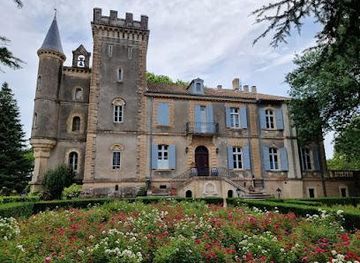
Getting There
-
Driving
From Aniane, follow the D32E2, also known as Haute Vallée du Gassac, for approximately 4 km. The route is well-signposted. The drive takes you through vineyards and garrigue, offering scenic views of the Gassac Valley. Parking is available at the winery.
-
Public Transport
From Montpellier, take the line 668 bus to Aniane. From the Aniane - Centre bus stop, it's approximately a 4 km taxi or ride-share to Mas de Daumas Gassac. Alternatively, consider the Tadam transport on demand service from Aniane to Gignac and Saint André de Sangonis. Bus fare from Montpellier to Aniane is approximately €3-6. A taxi from Aniane to the winery will cost around €15-€20.
Discover more about Mas de Daumas Gassac
Explore the best of what Mas de Daumas Gassac has to offer













More about Languedoc
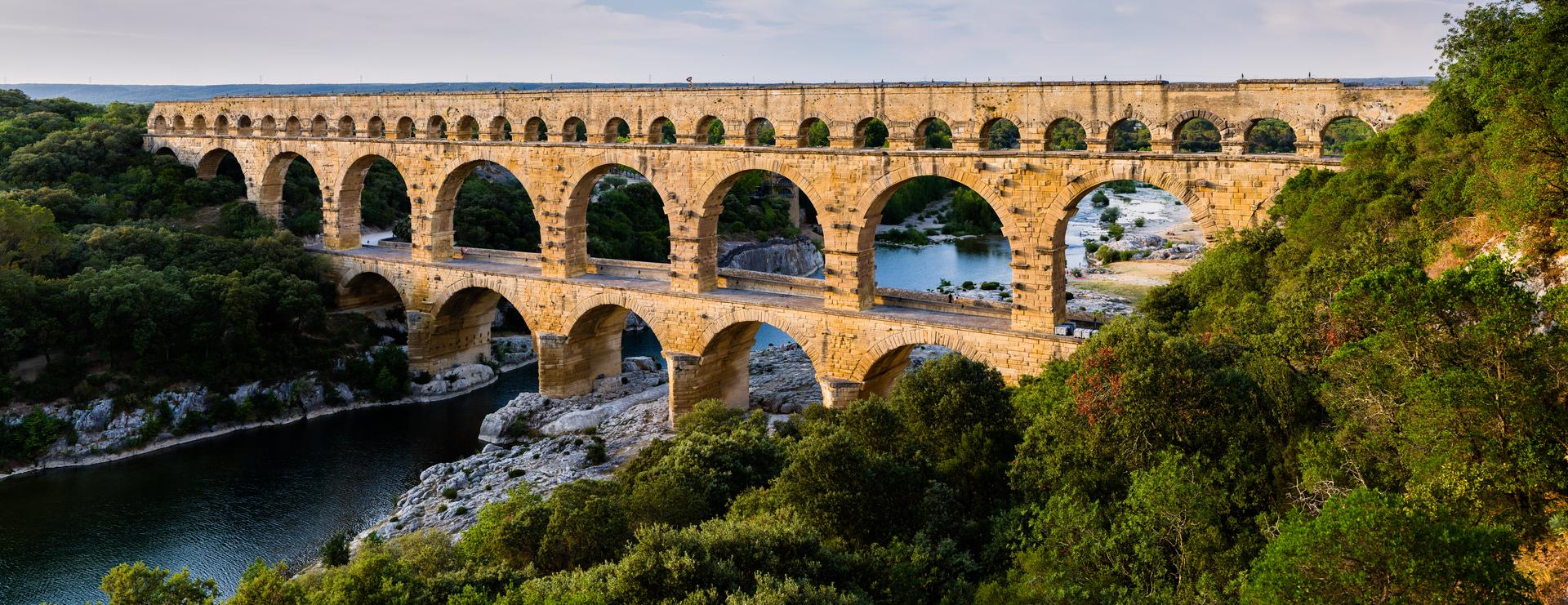
Discover Languedoc, a stunning region in Southern France, filled with medieval castles, vibrant vineyards, pristine beaches, and rich cultural heritage.
Tell me more about Languedoc
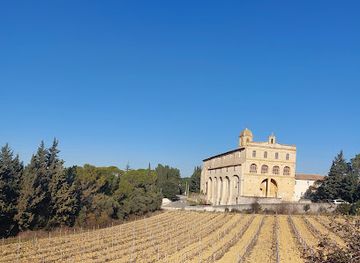
Experience the serene beauty and rich history of Valmagne Sainte-Maria's Abbey in Villeveyrac, a must-visit destination for every traveler in the South of France.
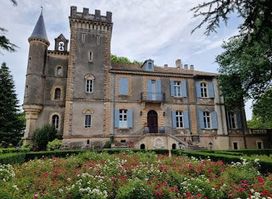
Discover Château Capion, a historic Languedoc wine estate offering exceptional wines, stunning gardens, and contemporary art in the heart of the Terrasses du Larzac appellation.