

Mandrin Caves Travel Guide
Free Guide: Explore the ancient past at Mandrin Caves: where Neanderthals and early humans left their mark on European history near Grenoble.


A brief summary of Mandrin Caves
Explore the ancient past at Mandrin Caves: where Neanderthals and early humans left their mark on European history near Grenoble.
The Mandrin Caves, located in Saint-Martin-le-Vinoux near Grenoble, offer a glimpse into the lives of Neanderthals and early Homo sapiens who inhabited the area tens of thousands of years ago. Archaeological discoveries here have reshaped our understanding of early human migration and coexistence in Europe.
- Address
- 38950 Saint-Martin-le-Vinoux
Getting there
Public Transport
Walking
Discover more about Mandrin Caves
Overview
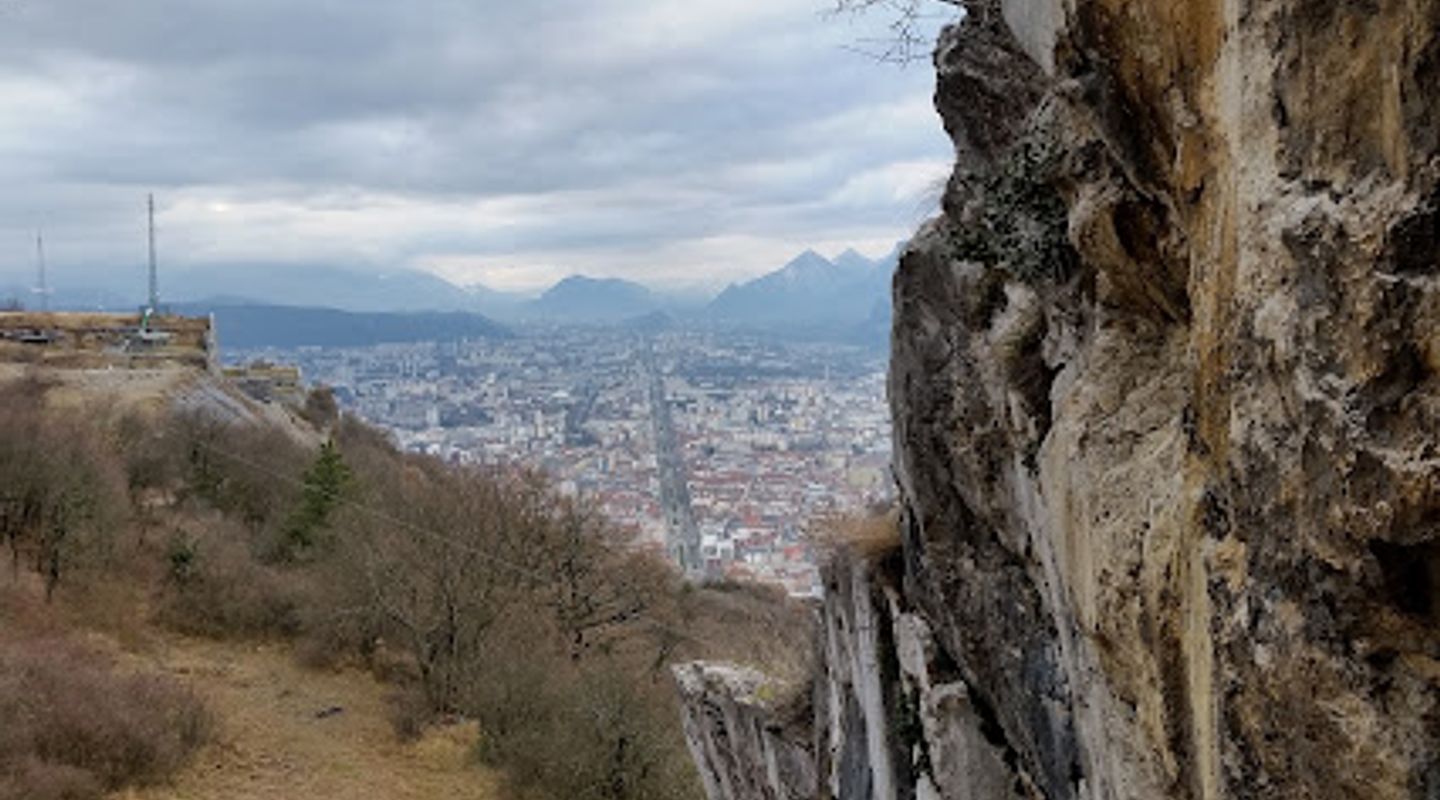
The Mandrin Caves, situated in the picturesque landscape of Saint-Martin-le-Vinoux, are more than just a geological formation; they are a significant archaeological site that has revolutionized our understanding of prehistoric Europe. Excavations at the cave have revealed alternating periods of habitation by Neanderthals and early modern humans (Homo sapiens), pushing back the timeline of human presence in Europe by thousands of years. The cave itself is more of a rock shelter, providing a natural haven against the elements. Archaeological digs have unearthed a wealth of artifacts, including stone tools and animal bones, offering invaluable insights into the daily lives, hunting techniques, and technological capabilities of these early inhabitants. Notably, the discovery of Neronian-style tools, typically associated with Homo sapiens, in layers dating back over 50,000 years, suggests a much earlier arrival of modern humans in Europe than previously thought. The Mandrin Caves also offer a unique perspective on the interactions between Neanderthals and Homo sapiens. Evidence suggests that these two distinct groups may have coexisted in the same region, possibly even sharing the cave at different times. This challenges previous assumptions about a rapid replacement of Neanderthals by modern humans and opens up new avenues for exploring the complexities of human evolution and cultural exchange. Visitors to the Mandrin Caves can appreciate the profound history embedded within this natural site. While the cave itself may be modest in size, its impact on our understanding of human history is immense. The surrounding area offers scenic hiking trails and opportunities to explore the natural beauty of the Rhône Valley, making it a worthwhile destination for history enthusiasts and nature lovers alike. The underground passage connecting the caves to the Bastille fort is open to the public and offers a cool respite in the summer.
Evendo Review Centre
 Google
Guest reviews
Explore Mandrin Caves on the map
A handpicked selection of must-see spots near Mandrin Caves, mapped for you.
Get your free copy of our complete guide to Mandrin Caves, delivered straight to you.
Everything on this page, from opening hours and how to get there to Eve’s tips and the best time to go, in one PDF you can read offline, print or share.
Already have an account? Sign in
Your Mandrin Caves guide is ready.
We'll send it to · Not you? Sign out

Getting your guide ready…
We are putting together a fresh copy of the Mandrin Caves guide. This can take up to a minute.
This can take a few moments. If your browser asks, choose Allow so the download can start. You'll find the guide in your Downloads folder.
Nothing happened? Download it again
Sorry, the guide is taking longer than usual. Please try again in a minute, or get it by email instead.
Other nearby places you may find interesting
The closest places of the same kind, if this one is not quite what you had in mind.
-
-
-
-
-


Swipe for more places
More to explore near Mandrin Caves

 Best experiences near Mandrin Caves
 Best hotels near Mandrin Caves
 Best landmarks near Mandrin Caves
 Best attractions near Mandrin Caves
 Best shops near Mandrin Caves
 Best restaurants near Mandrin Caves
 Best bars near Mandrin Caves
Do you manage this location?
Take control to get all the benefits, like improved information, better appearance, and stronger visibility across AI-powered discovery.
Explore more

Explore more of Rhône-Alpes
Discover the stunning landscapes, historic cities, and world-class ski resorts of Rhône-Alpes, a French region that offers a perfect blend of nature and culture.
Explore Rhône-Alpes
Explore more of France
Explore France: A land of romance, history, and unparalleled beauty, from the iconic streets of Paris to the serene landscapes of Provence and the luxury of the French Riviera.
Explore France
