
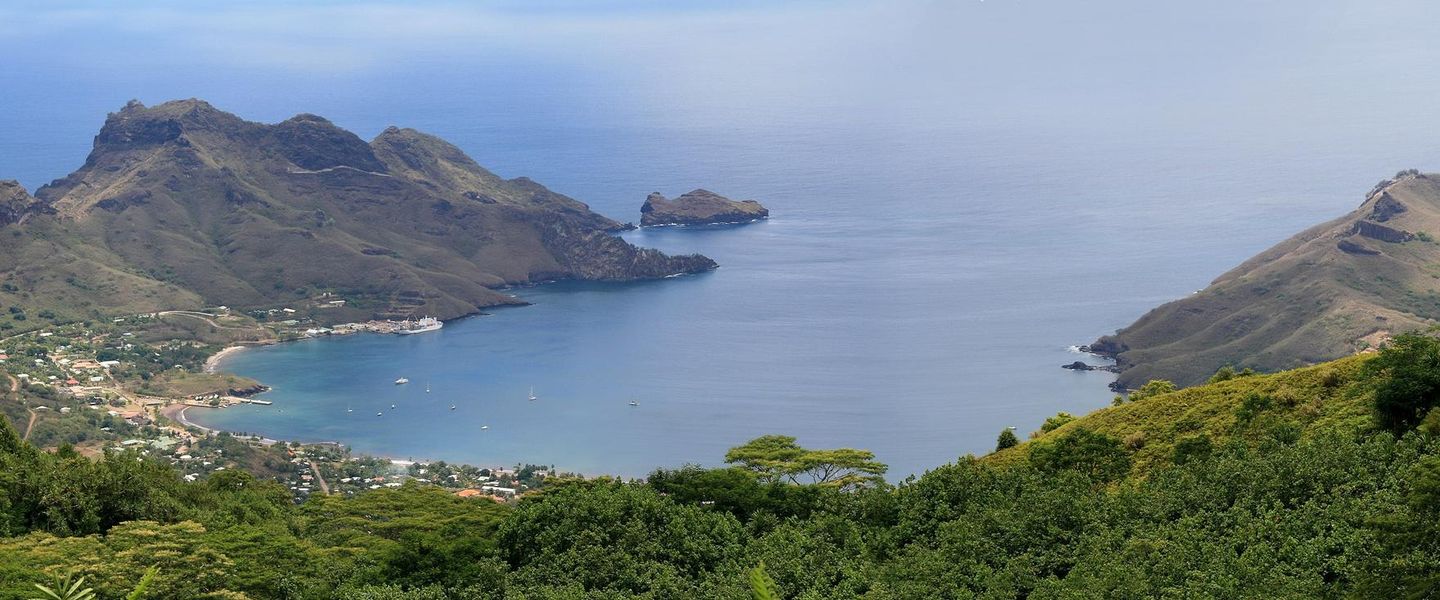
Nuku Hiva, French Polynesia Travel Guide
Discover Nuku Hiva, the untouched paradise of French Polynesia, where dramatic landscapes, rich culture, and thrilling adventures await you.
Nuku Hiva, the largest of the Marquesas Islands in French Polynesia, is a hidden gem waiting to be discovered. With its rugged cliffs, lush valleys, and rich cultural heritage, this island offers an authentic experience away from the usual tourist trails. The island's dramatic landscapes, carved over centuries by volcanic activity, create a stunning backdrop for your adventures. Whether you're hiking through dense forests to reach breathtaking viewpoints, or exploring ancient archaeological sites, Nuku Hiva promises a journey into the heart of nature and history. The island is known for its welcoming locals who take pride in their Polynesian heritage. Traditional music, dance, and crafts are an integral part of daily life here, offering visitors a chance to immerse themselves in the vibrant local culture. Don’t miss the opportunity to visit the Taipivai Valley, where you'll find petroglyphs and tiki statues that tell stories of the island's past. The bay of Taiohae, the island's main harbor, is a perfect spot to relax and enjoy the stunning sunsets while savoring local cuisine. For the adventure enthusiasts, Nuku Hiva offers a plethora of outdoor activities. You can embark on a whale-watching tour, dive into crystal-clear waters to explore coral reefs, or take a horseback ride through the scenic countryside. The island's untouched beauty and serene environment make it an ideal destination for those seeking both relaxation and adventure. Whether you're exploring the hidden waterfalls or enjoying a quiet day at the beach, Nuku Hiva is sure to leave you with unforgettable memories.

Know before you go
Hi, I'm Eve. Here are a few practical things to know before exploring Nuku Hiva.
- Hire a local guide to explore the island's hidden gems and learn about its history.
- Visit the local markets to buy unique handicrafts and taste traditional Polynesian food.
- Pack sturdy hiking shoes for the island's rugged trails and scenic viewpoints.
- Bring insect repellent, especially if you plan to hike through the lush valleys.
- Respect local customs and traditions, and always ask for permission before taking photos of people.
Explore Nuku Hiva: Things to Do, Places to Eat, Hotels & More
Handpicked recommendations for top attractions, local dining, accommodations, and more

Best attractions in Nuku Hiva
Top-rated picks
Best Attractions

Vaipō Waterfall
Discover Vaipo Waterfall in Nuku Hiva: Hike through lush valleys to witness Polynesia's tallest, most stunning cascade.

Hakaui Adventure Tours & Camping
Discover Hakaui Valley: Hike to breathtaking waterfalls, explore ancient Polynesian sites, and experience authentic Marquesan culture on Nuku Hiva.

Ensemble Tahakia Kamuihei Teiipoka
Uncover ancient Marquesan culture at this significant Nuku Hiva archaeological site, featuring impressive stone structures, banyan trees, and petroglyphs.

Nuku-Hiva à cheval
Saddle up for adventure! Explore Nuku Hiva's breathtaking landscapes and rich culture on horseback with Nuku-Hiva à cheval. Book your ride today!

Best landmarks in Nuku Hiva
Top-rated picks
Best Landmarks

Nuku Hiva Keikahanui Pearl Lodge
Discover the enchanting Nuku Hiva Keikahanui Pearl Lodge, your ultimate retreat in the heart of French Polynesia, blending luxury with local culture.

Snack Vaeaki
Experience the authentic flavors of Polynesia at Snack Vaeaki, a delightful restaurant in Nuku Hiva, French Polynesia, where every meal is a journey.

Vaipō Waterfall
Explore the breathtaking Vaipō Waterfall in Nuku Hiva, a must-visit natural wonder in French Polynesia offering stunning views and serene beauty.

Nuku Hiva Airport
Nuku Hiva Airport is your gateway to the breathtaking landscapes and rich culture of the Marquesas Islands in French Polynesia.

Best restaurants in Nuku Hiva
Top-rated picks
Best Restaurants

EURL HINAKO-NUI (Chez Yvonne KATUPA)
Discover authentic Polynesian flavors at EURL HINAKO-NUI (Chez Yvonne KATUPA) in Nuku Hiva – a must-visit culinary destination.

Snack du Marché
Experience authentic Polynesian flavors at Snack du Marché in Nuku Hiva – where culinary tradition meets island charm.

Snack Vaeaki
Discover authentic Polynesian flavors at Snack Vaeaki in Nuku Hiva - a dining experience infused with local charm and breathtaking views.

Restaurant Kaniho ( David )
Experience authentic French Polynesian cuisine at Restaurant Kaniho in Nuku Hiva - where fresh ingredients meet stunning ocean views.

Best bars in Nuku Hiva
Top-rated picks
Best Bars

Nuku Hiva Keikahanui Pearl Lodge
Discover the serene beauty of Nuku Hiva at the Keikahanui Pearl Lodge, where comfort meets the stunning landscapes of French Polynesia.

Nuku Hiva
Explore the breathtaking landscapes and rich culture of Nuku Hiva, the largest island in French Polynesia's Marquesas archipelago.

EURL HINAKO-NUI (Chez Yvonne KATUPA)
Experience authentic Polynesian cuisine at EURL HINAKO-NUI (Chez Yvonne KATUPA) in Nuku Hiva, a delightful culinary gem in French Polynesia.

Snack du Marché
Experience the authentic flavors of Nuku Hiva at Snack du Marché, a culinary gem showcasing local ingredients and delightful dishes.

Best nightclubs in Nuku Hiva
Top-rated picks
Best Nightclubs

Nuku Hiva Keikahanui Pearl Lodge
Discover the serene beauty of Nuku Hiva at Keikahanui Pearl Lodge, your luxurious gateway to the adventures of French Polynesia.

Nuku Hiva
Explore the stunning landscapes and rich culture of Nuku Hiva, the crown jewel of the Marquesas Islands in French Polynesia.

Nuku Dive
Discover the underwater wonders of Nuku Hiva with Nuku Dive, the ultimate diving experience in French Polynesia's pristine waters.

Snack du Marché
Discover the culinary delights of Polynesia at Snack du Marché, a charming restaurant in Nuku Hiva, offering authentic local dishes and warm hospitality.

Best shops in Nuku Hiva
Top-rated picks
Best Shops

Yacht Services Nuku-Hiva
Discover the ultimate marine experience in Nuku Hiva with top-notch services, local cuisine, and unparalleled adventure opportunities.

Tavaiki Patoo
Discover the artistry of Polynesian tattoos at Tavaiki Patoo, where culture and creativity come together in Nuku Hiva.

MAGASIN LARSON
Explore the rich flavors of Nuku Hiva at Magasin Larson, your gateway to local groceries and culinary treasures in French Polynesia.

Magasin Hoata
Experience the vibrant local culture at Magasin Hoata, Nuku Hiva's essential supermarket for travelers seeking authentic Polynesian goods.

Explore Nuku Hiva on the Map
A handpicked selection of must-see spots in Nuku Hiva, mapped for you.
Nuku Hiva Essentials
-
Nuku Hiva is located in the Marquesas Islands of French Polynesia. The nearest international gateway is Tahiti's Faa'a International Airport (PPT). From Tahiti, you can take a domestic flight to Nuku Hiva's airport, Nuku Hiva Airport (NHV), which is about a 3.5-hour flight. Alternatively, you can travel by sea; the Aranui 5, a mixed cargo and passenger vessel, offers an adventurous way to reach the island, taking about 3 days from Tahiti.
-
Transportation options on Nuku Hiva are limited. Renting a car or a 4x4 vehicle is the most convenient way to explore the island, as public transport is scarce. Taxis are available but can be expensive. Some accommodations offer shuttle services to and from the airport. For short distances, walking is a viable option, and it's a great way to take in the stunning scenery. Bicycles and scooters can also be rented for local travel.
-
The official currency in Nuku Hiva is the CFP Franc (XPF). Credit cards are accepted in some hotels, restaurants, and shops, but it's advisable to carry cash, especially in remote areas. There are limited ATMs on the island, so it's wise to withdraw sufficient funds before heading to more isolated parts. Currency exchange services are available at major banks in Tahiti.
-
Nuku Hiva is generally a safe destination for tourists. Violent crime is rare, but petty theft can occur, so keep an eye on your belongings and avoid leaving valuables unattended. There are no specific high-crime areas targeting tourists, but it’s always best to stay vigilant and aware of your surroundings, especially when exploring remote parts of the island.
-
In case of emergency, dial 15 for medical emergencies, 17 for police, and 18 for fire services. The main hospital is located in Taiohae, the island’s capital. It's advisable to have travel insurance that covers medical emergencies and evacuation. For minor health issues, pharmacies are available in Taiohae. Always carry a basic first-aid kit, especially when venturing into remote areas.
-
Fashion: Do dress modestly, especially in villages and religious sites. Avoid wearing revealing clothing. Religion: Do respect local customs and traditions. Always ask for permission before entering sacred sites. Public Transport: Do be respectful and courteous to drivers and other passengers. Greetings: Do greet people with a smile and a friendly 'Kaoha' (hello). A light handshake is also appropriate. Eating & Drinking: Do try local delicacies and accept food offerings graciously. Don't refuse hospitality, as it can be considered impolite.
-
To experience Nuku Hiva like a local, visit the local markets where you can buy fresh produce and traditional Polynesian goods. Engage with locals, as they are often friendly and willing to share stories about the island’s history and culture. Don’t miss the chance to attend a traditional dance performance or a local festival. For a unique experience, explore the island's ancient archaeological sites, such as the Taipivai Valley, and enjoy hiking the scenic trails that offer breathtaking views of the coastline and lush valleys.
When is the best time to visit Nuku Hiva?
Useful Local Phrases for Nuku Hiva
You don't need to speak the language perfectly. Even learning a few simple words can make conversations warmer—and locals usually appreciate the effort.
— Eve

Here are the phrases I use most often in Nuku Hiva. Try a few—you'll be surprised how far they go! 😊
❤️
-
- HelloIa ora na
[Yah-oh-rah nah] - GoodbyeNana
[Nah-nah] - YesE
[Ay] - NoAita
[Eye-tah] - Please/You're welcomeMāuruuru
[Mah-roo-roo] - Thank youMāuruuru
[Mah-roo-roo] - Excuse me/SorryUa here au
[Oo-ah hair-ay ow] - How are you?Eaha te huru?
[Ay-ah teh hoo-roo] - Fine. And you?Maita'i. 'E pe'a 'oe?
[My-tie. Eh pay-ah oh-ay] - Do you speak English?Ua tomo 'oe i te reo anga?
[Oo-ah toh-moh oh-ay ee teh ray-oh ah-ngah] - I don't understandAita au marama
[Eye-tah oh mah-rah-mah]
- HelloIa ora na
-
- I'd like to see the menu, pleaseUa ha'amata'u i te meniu, māuruuru
[Oo-ah hah-ah-mah-tah-oo ee teh meh-nee-oo, mah-roo-roo] - I don't eat meatAita au 'e 'ai 'āmaha
[Eye-tah oh ay eye ah-mah-hah] - Cheers!'Ia ora na!
[Yah-oh-rah nah] - I would like to pay, pleaseUa ha'amata'u i te uahi, māuruuru
[Oo-ah hah-ah-mah-tah-oo ee teh wah-hee, mah-roo-roo]
- I'd like to see the menu, pleaseUa ha'amata'u i te meniu, māuruuru
-
- Help!Muri!
[Moo-ree] - Go away!Haere atu!
[High-ray ah-too] - Call the Police!Tapuni i te gendarmerie!
[Tah-poo-nee ee teh jen-dar-meh-ree] - Call a doctor!Tapuni i te 'oa!
[Tah-poo-nee ee teh oh-ah] - I'm lostUa 'ana'ana au
[Oo-ah ah-nah-ah-nah oh] - I'm illUa 'ore au
[Oo-ah oh-ray oh]
- Help!Muri!
-
- I'd like to buy...Ua ha'amata'u i te hio
[Oo-ah hah-ah-mah-tah-oo ee teh hee-oh] - I'm just lookingUa 'āmaha au i te hio
[Oo-ah ah-mah-hah oh ee teh hee-oh] - How much is it?Eaha te moni?
[Ay-ah teh moh-nee] - That's too expensiveTe moni paha
[Teh moh-nee pah-hah] - Can you lower the price?Tae 'oe i te muraa'i i te moni?
[Tah-ay oh-ay ee teh moo-rah-ee ee teh moh-nee]
- I'd like to buy...Ua ha'amata'u i te hio
-
- What time is it?Eaha te hōra?
[Ay-ah teh hoh-rah] - It's one o'clockE tahi hōra
[Ay tah-hee hoh-rah] - Half past (10)Te hōroa (maha)
[Teh hoh-roh-ah mah-hah] - MorningPoipoi
[Poy-poy] - AfternoonApara
[Ah-pah-rah] - EveningAhiahi
[Ah-hee-ah-hee] - YesterdayUa 'ō
[Oo-ah oh] - TodayI teie ra
[Ee teh-ee-ay rah] - TomorrowApa
[Ah-pah] - 1Tahi
[Tah-hee] - 2Rua
[Roo-ah] - 3Toru
[Toh-roo] - 4Maha
[Mah-hah] - 5Rima
[Ree-mah] - 6Ono
[Oh-noh] - 7Fitu
[Fee-too] - 8Varu
[Vah-roo] - 9Iva
[Ee-vah] - 10Maha
[Mah-hah]
- What time is it?Eaha te hōra?
-
- Where's a/the...?Aha te...
[Ah-hah teh] - What's the address?E aha te tahi tuhinga?
[Ay ah-hah teh tah-hee too-heen-gah] - Can you show me (on the map)?Tae 'oe i te fa'ahou i te mahere?
[Tah-ay oh-ay ee teh fah-ah-hoo ee teh mah-heh-ray] - When's the next (bus)?Aha te 'ahiahi i muri?
[Ah-hah teh ah-hee-ah-hee ee moo-ree] - A ticket (to ....)Te tamau (i ....)
[Teh tah-mow ee]
- Where's a/the...?Aha te...
History of Nuku Hiva
-
Nuku Hiva, part of the Marquesas Islands, was first settled by Polynesians around 2000 years ago. These early settlers navigated vast ocean distances using traditional canoes and sophisticated navigation skills. They established complex societies, with hierarchical structures and rich cultural traditions that included tattooing, dance, and unique forms of art.
-
The first recorded European to discover Nuku Hiva was the American sea captain Joseph Ingraham in April 1791. However, it was the French explorer Etienne Marchand who formally documented the island in December of the same year. Their encounters with the island marked the beginning of Western influence in the Marquesas.
-
In 1842, Nuku Hiva was claimed by France when the French naval officer Admiral Abel Aubert du Petit-Thouars signed a treaty with the local chiefs. This marked the beginning of French colonial rule in the Marquesas Islands. Nuku Hiva became a strategic location for France to expand its influence in the Pacific.
-
In 1842, the famous American author Herman Melville visited Nuku Hiva and his experiences on the island inspired his first novel, 'Typee: A Peep at Polynesian Life.' The novel, published in 1846, offered a vivid and romanticized account of his time among the island's inhabitants and brought global attention to Nuku Hiva.
-
During World War II, Nuku Hiva served as an important naval base for the United States. The island's strategic location in the Pacific made it a valuable asset for military operations. The presence of American forces brought significant changes to the local infrastructure and had a lasting impact on the island's development.
-
Today, Nuku Hiva is known for its stunning natural beauty and rich cultural heritage. The island's history is preserved through its archaeological sites, traditional arts, and local customs. Tourism plays a crucial role in the economy, attracting visitors who are fascinated by the island's unique blend of history and culture.
Cities near Nuku Hiva
The closest cities to Nuku Hiva, if you have time for more than one stop.


Your all‑in‑one travel companion app
Explore expert travel guides, compare and book tours, experiences, hotels, and more—all from the palm of your hand. Download now for seamless trip planning wherever your wanderlust takes you.


Nuku Hiva in Photos
Browse through our photo collection highlighting the charm and character of the destination.




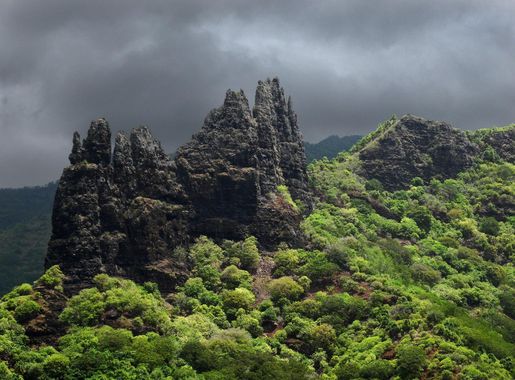


Nuku Hiva: The Untamed Paradise of French Polynesia
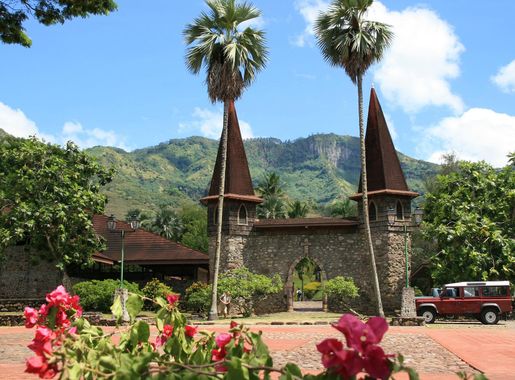
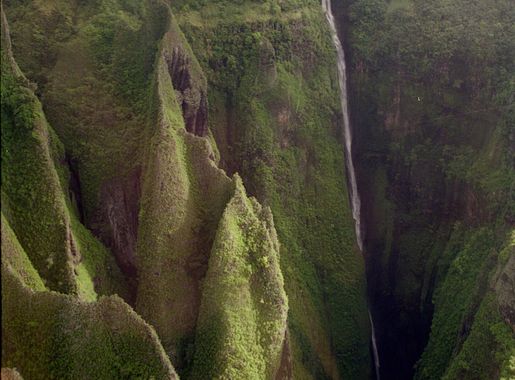
Nuku Hiva, the largest of the Marquesas Islands in French Polynesia, is a hidden gem waiting to be discovered. With its rugged cliffs, lush valleys, and rich cultural heritage, this island offers an authentic experience away from the usual tourist trails. The island's dramatic landscapes, carved over centuries by volcanic activity, create a stunning backdrop for your adventures. Whether you're hiking through dense forests to reach breathtaking viewpoints, or exploring ancient archaeological sites, Nuku Hiva promises a journey into the heart of nature and history. The island is known for its welcoming locals who take pride in their Polynesian heritage. Traditional music, dance, and crafts are an integral part of daily life here, offering visitors a chance to immerse themselves in the vibrant local culture. Don’t miss the opportunity to visit the Taipivai Valley, where you'll find petroglyphs and tiki statues that tell stories of the island's past. The bay of Taiohae, the island's main harbor, is a perfect spot to relax and enjoy the stunning sunsets while savoring local cuisine. For the adventure enthusiasts, Nuku Hiva offers a plethora of outdoor activities. You can embark on a whale-watching tour, dive into crystal-clear waters to explore coral reefs, or take a horseback ride through the scenic countryside. The island's untouched beauty and serene environment make it an ideal destination for those seeking both relaxation and adventure. Whether you're exploring the hidden waterfalls or enjoying a quiet day at the beach, Nuku Hiva is sure to leave you with unforgettable memories.
Explore More of French Polynesia

Looking beyond Nuku Hiva? Discover French Polynesia for broader travel guides, local hot-spots, and regional highlights.
Explore French Polynesia