

Minkébé National Park, Ogooue Ivindo Province Travel Guide
Explore Minkébé National Park, Gabon: a remote haven of biodiversity, home to forest elephants, gorillas, and pristine rainforests, and a proposed World Heritage Site.
Minkébé National Park, located in northeastern Gabon, is a vast and relatively inaccessible wilderness, renowned for its exceptional biodiversity and significant populations of forest elephants, gorillas, and other rare species. It is a critical conservation site recognized by the IUCN and a proposed UNESCO World Heritage Site.
A brief summary to Minkébé National Park
- VP77+7C2, Minkébé, GA

Know before you go
Hi, I'm Eve. Here are a few practical things to know before exploring Minkébé National Park.
- Plan your visit between May and September for the most favorable weather conditions, with the driest months being June to August.
- Obtain necessary permits from the ANPN office in Makokou before entering the park.
- Engage an experienced local guide for safe navigation and to maximize your chances of wildlife sightings.
- Pack appropriate gear, including sturdy hiking boots, rain gear, and insect repellent, due to the humid climate and dense forest.
- Respect the local culture and traditions of the communities living near the park.
Do you manage this location?
Take control to get all the benefits, like improved information, better appearance, and stronger visibility across AI-powered discovery. Learn more about listing your business on Evendo
Activate your presenceOther nearby places you may find interesting
The closest places of the same kind, if this one is not quite what you had in mind.
Explore Minkébé National Park on the Map
A handpicked selection of must-see spots near Minkébé National Park, mapped for you.
Getting There
-
Air and Road
The most practical way to approach Minkébé National Park involves flying from Libreville to Oyem. From Oyem, take the road to Minvoul, approximately 106 km. From Minvoul, arrange for a boat to the village of Doumassi, which serves as a gateway to the park. Costs will include the flight to Oyem (variable, check Air Gabon or other local carriers), the road transport to Minvoul (negotiate with local drivers, approximately $50-$100 USD), and the boat to Doumassi (negotiate with local boat operators, approximately $30-$70 USD). There are no fixed toll roads or parking fees involved in this approach.
-
Air and Hiking
Alternatively, you can fly or drive from Libreville to Makokou. From Makokou, it is an 11km hike to Grand Bois, you will need to hire a guide. This route is sensible because you need to get your permit from the ANPN office in Makokou. Costs will include the flight or drive to Makokou (variable, check Air Gabon or other local carriers and factor in fuel costs), and hiring a local guide (negotiate with local guides, approximately $20-$50 USD). There are no fixed toll roads or parking fees involved in this approach.
Discover more about Minkébé National Park













Your all‑in‑one travel companion app
Explore expert travel guides, compare and book tours, experiences, hotels, and more—all from the palm of your hand. Download now for seamless trip planning wherever your wanderlust takes you.


Explore More of Ogooue Ivindo Province
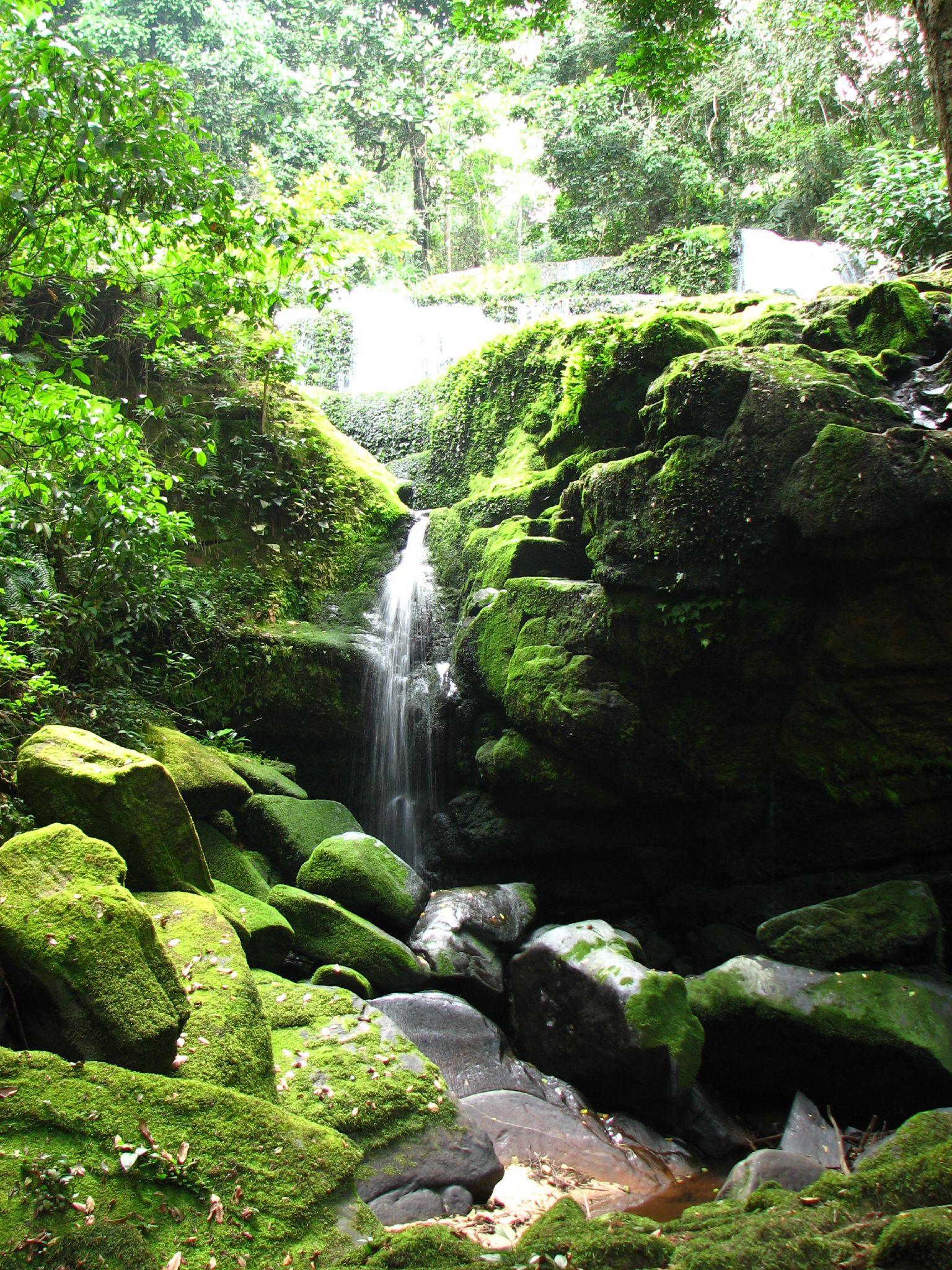
Looking beyond Minkébé National Park? Discover Ogooue Ivindo Province for broader travel guides, local hot-spots, and regional highlights.
Explore Ogooue Ivindo Province