
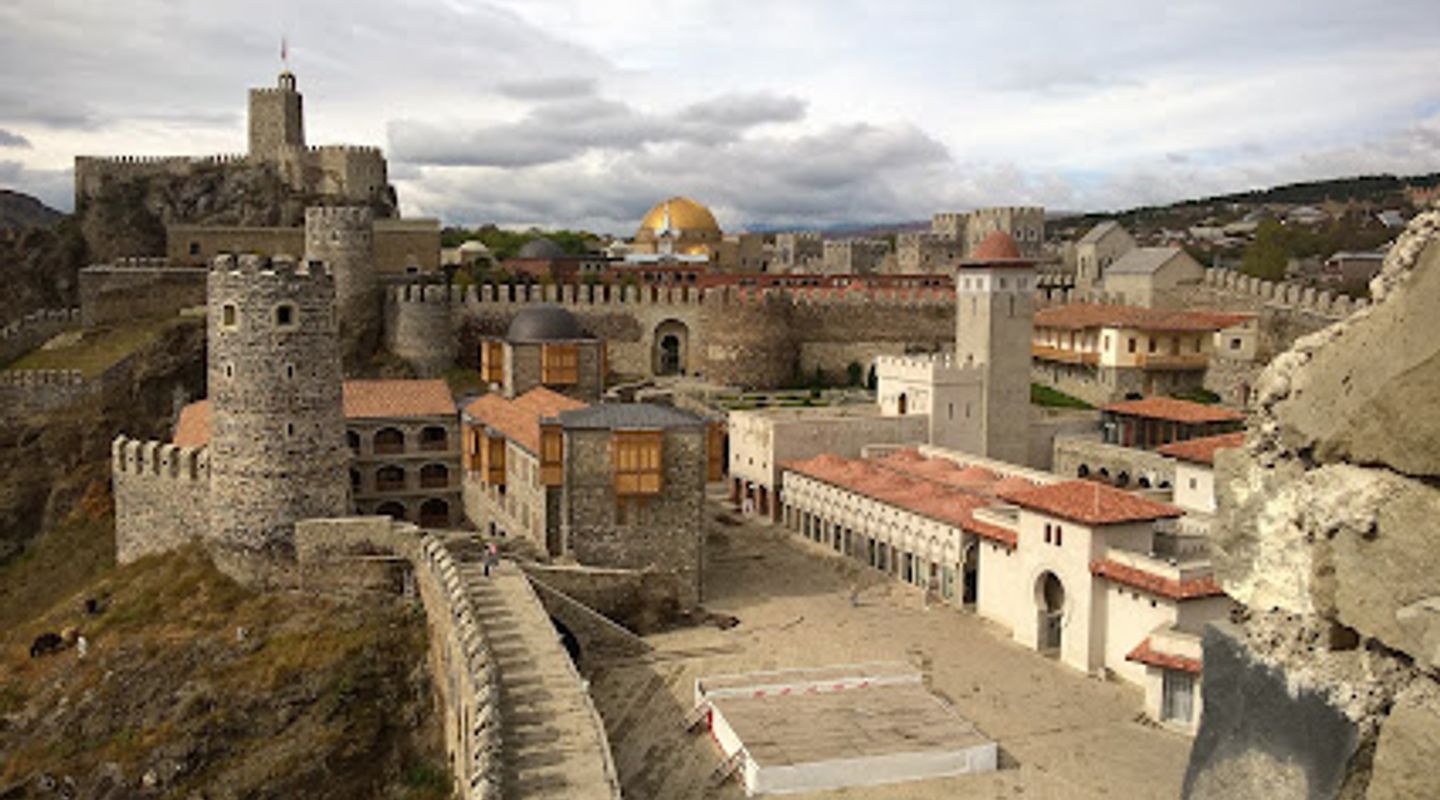
Samtskhe-Javakheti History Museum, Rabati Castle Travel Guide
Explore 25,000+ artifacts illuminating the rich history & cultural heritage of Georgia's Samtskhe-Javakheti region, nestled in the historic Rabati Fortress.
Located within the Rabati Fortress in Akhaltsikhe, the Samtskhe-Javakheti History Museum showcases the region's rich cultural heritage. With over 25,000 artifacts, the museum offers insights into the area's history, geography, and traditional ways of life, connecting visitors to the diverse influences that have shaped Samtskhe-Javakheti.
A brief summary to Samtskhe-Javakheti History Museum
- JXRG+V9V E 691, Akhaltsikhe, GE
- Click to display
- Tuesday 10 am-5:30 pm
- Wednesday 10 am-5:30 pm
- Thursday 10 am-5:30 pm
- Friday 10 am-5:30 pm
- Saturday 10 am-5:30 pm
- Sunday 10 am-5:30 pm

Know before you go
Hi, I'm Eve. Here are a few practical things to know before exploring Samtskhe-Javakheti History Museum.
- Explore the Rabati Fortress, where the museum is located, to experience a blend of architectural styles and enjoy panoramic views of Akhaltsikhe.
- Visit the museum on any day except Monday, as it is closed on Mondays.
- Check out the coin collection, featuring ancient Roman and Byzantine coins, for a glimpse into the region's economic history.
- Allow at least 2-3 hours to fully explore the museum's eleven halls and extensive collection.
Do you manage this location?
Take control to get all the benefits, like improved information, better appearance, and stronger visibility across AI-powered discovery. Learn more about listing your business on Evendo
Activate your presenceOther nearby places you may find interesting
The closest places of the same kind, if this one is not quite what you had in mind.



Explore Samtskhe-Javakheti History Museum on the Map
A handpicked selection of must-see spots near Samtskhe-Javakheti History Museum, mapped for you.
Getting There
-
Walking
The Samtskhe-Javakheti History Museum is located within the Rabati Fortress, a prominent landmark in Akhaltsikhe. From the Akhaltsikhe bus station, head southwest along Erekle II Street towards the city center. Continue onto Agmashenebeli Street, crossing the Potskhovi River. The Rabati Fortress, with its distinct towers and walls, will become visible on your left. Enter the fortress and follow the signs to the museum within the complex. Walking from the bus station to the Rabati Fortress takes approximately 15-20 minutes. There are no entrance fees to enter the venue.
-
Taxi
Taxis are readily available in Akhaltsikhe. From anywhere in the city center, a short taxi ride to the Rabati Fortress, where the Samtskhe-Javakheti History Museum is located, will typically cost around 5 GEL. Ensure the driver is aware of your destination, as the fortress is a well-known landmark. Taxis can be found near the central market or can be hailed on the street.
-
Public Transport
Local 'fixed-route taxis' (marshrutkas) operate within Akhaltsikhe. These can be used to reach the Rabati Fortress from various points in the city. Check with locals for the specific route numbers that pass by the fortress. The fare for a single ride is typically around 0.5 GEL. Look for marshrutkas displaying signs in Georgian or ask the driver if they are heading towards 'Rabat' (the local name for the fortress).
Discover more about Samtskhe-Javakheti History Museum
More to explore near Samtskhe-Javakheti History Museum
-

Best experiences near Samtskhe-Javakheti History Museum
-

Best hotels near Samtskhe-Javakheti History Museum
-

Best landmarks near Samtskhe-Javakheti History Museum
-

Best shops near Samtskhe-Javakheti History Museum
-

Best restaurants near Samtskhe-Javakheti History Museum
-

Best bars near Samtskhe-Javakheti History Museum







Your all‑in‑one travel companion app
Explore expert travel guides, compare and book tours, experiences, hotels, and more—all from the palm of your hand. Download now for seamless trip planning wherever your wanderlust takes you.


Explore More of Rabati Castle
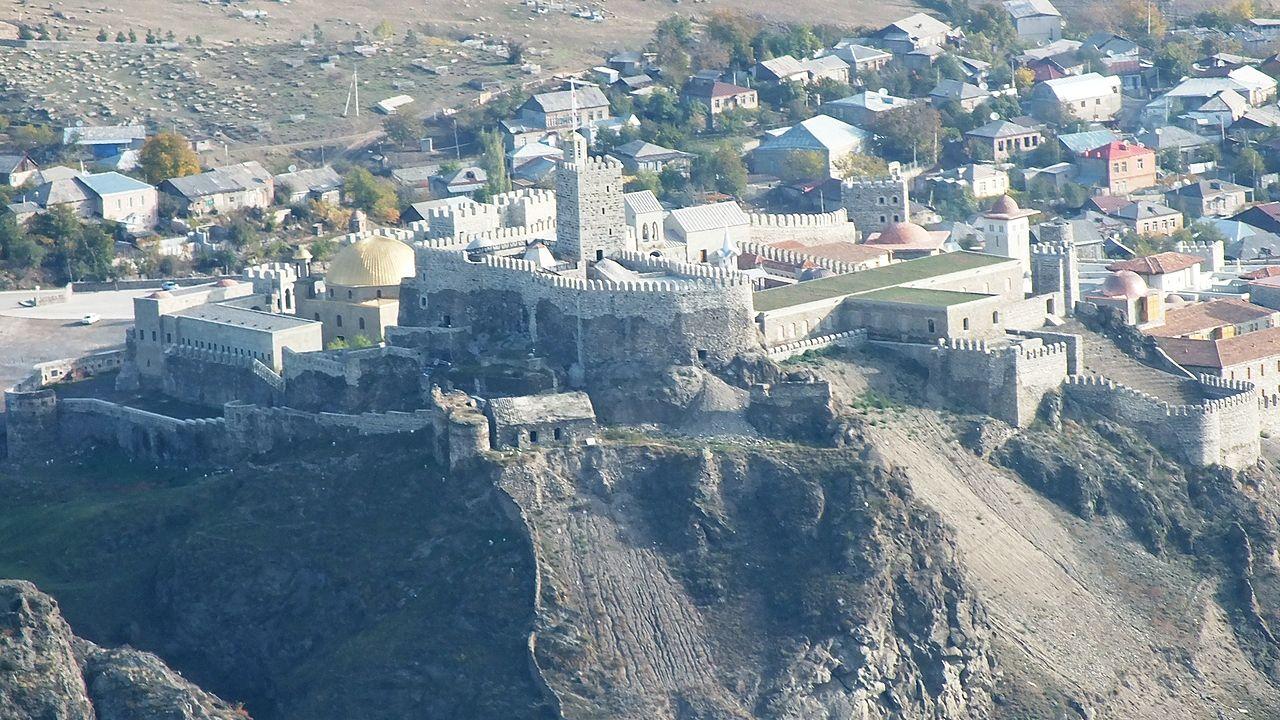
Looking beyond Samtskhe-Javakheti History Museum? Discover Rabati Castle for broader travel guides, local hot-spots, and regional highlights.
Explore Rabati Castle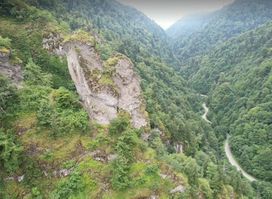
Discover the quirky Thumbs Up Shaped Rock near Sairme, Georgia – a unique geological formation and fun photo stop in a scenic setting.
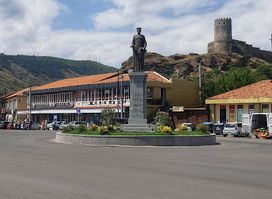
Commemorating Georgia's golden age, the statue of Giorgi V the Brilliant stands as a tribute to a king who restored the kingdom's glory in Akhaltsikhe.
