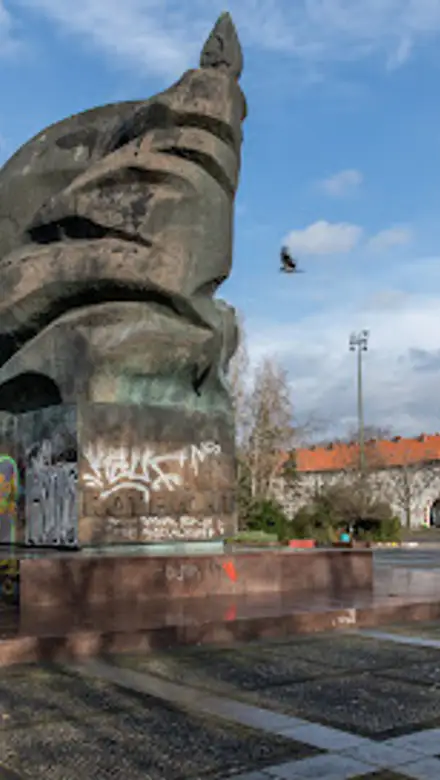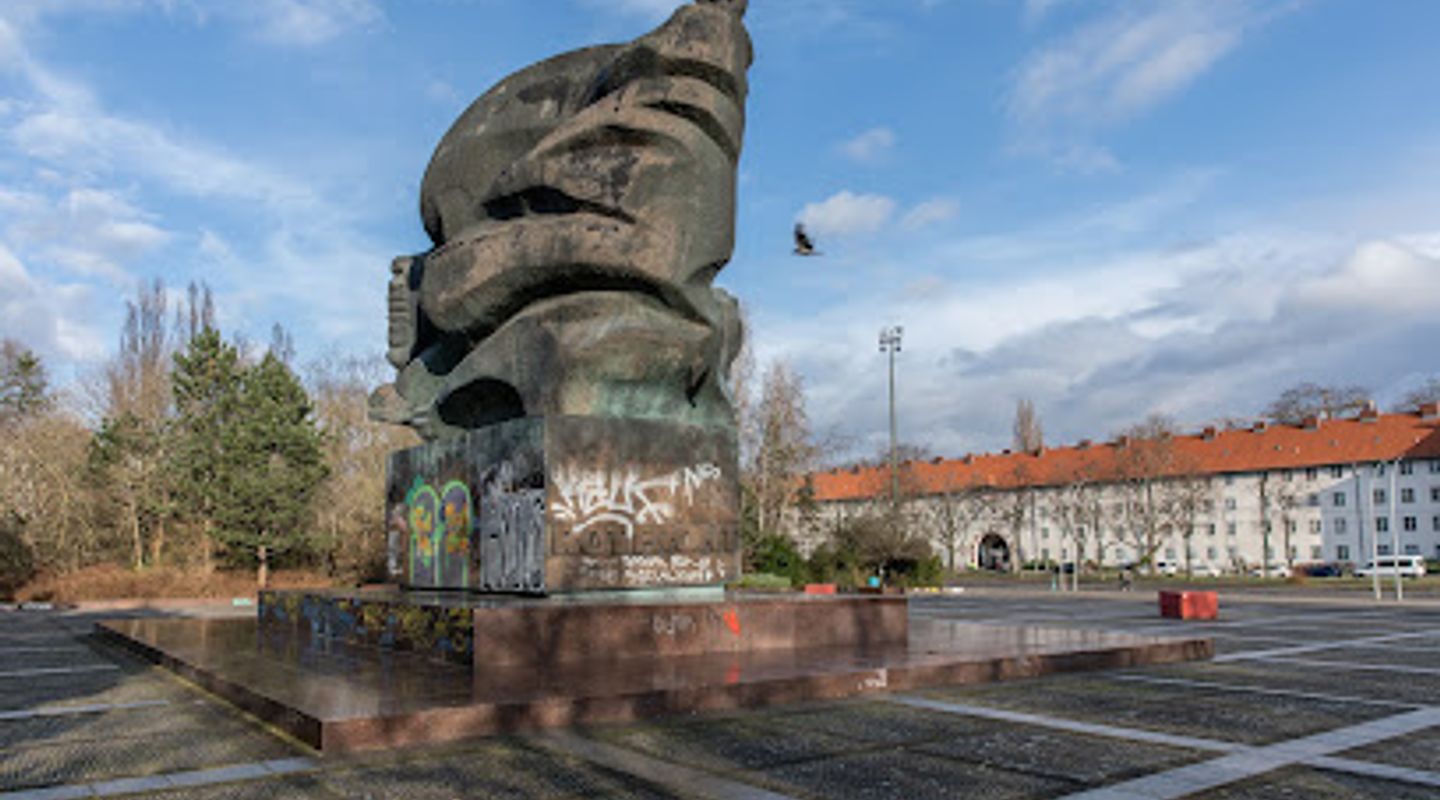
Ernst-Thälmann-Denkmal, Berlin Travel Guide
Explore the Ernst Thälmann Monument in Berlin's Prenzlauer Berg: a colossal statue, a symbol of socialist history, and a reminder of Germany's complex past within a vibrant urban park.
The Ernst Thälmann Monument in Berlin's Prenzlauer Berg is a colossal bronze statue commemorating Ernst Thälmann, the former leader of the Communist Party of Germany (KPD). Erected in 1986 by the GDR government, the monument stands as a powerful symbol of socialist ideology and a tribute to Thälmann, who was murdered by the Nazis in Buchenwald concentration camp. The imposing sculpture, created by Soviet sculptor Lev Kerbel, depicts Thälmann with a raised fist and a waving flag, embodying the spirit of the communist movement. While opinions on the monument's historical significance vary, it remains a striking landmark and a reminder of Berlin's complex past. The surrounding Ernst-Thälmann-Park offers green space and recreational areas, making it a popular spot for locals and visitors alike. Today, the monument is a protected landmark, offering a glimpse into East Germany's history and serving as a focal point for reflection and discussion.
A brief summary to Ernst-Thälmann-Denkmal
- Greifswalder Str. 52, Berlin, Pankow, 10405, DE
- Click to display

Know before you go
Hi, I'm Eve. Here are a few practical things to know before exploring Ernst-Thälmann-Denkmal.
- Take time to explore the surrounding Ernst-Thälmann-Park, a green oasis offering recreational spaces and a glimpse into socialist urban planning.
- Visit on a weekday morning to avoid crowds and have a more contemplative experience at the monument.
- Look for the remnants of the monument's original design, including the granite steles that once flanked the statue.
Do you manage this location?
Take control to get all the benefits, like improved information, better appearance, and stronger visibility across AI-powered discovery. Learn more about listing your business on Evendo
Activate your presenceOther nearby places you may find interesting
The closest places of the same kind, if this one is not quite what you had in mind.

Explore Ernst-Thälmann-Denkmal on the Map
A handpicked selection of must-see spots near Ernst-Thälmann-Denkmal, mapped for you.
Getting There
-
Public Transport
The Ernst-Thälmann-Denkmal is easily accessible via public transport. Take the S-Bahn to Greifswalder Straße station (S41, S42, S8, S85 lines). From the station, walk south along Greifswalder Straße for about 5 minutes. Alternatively, take the M4 or M10 tram to the Greifswalder Straße/Danziger Straße stop, which is a short walk from the monument. A single public transport ticket (AB zone) costs around €3.20.
-
Taxi/Ride-Share
A taxi or ride-share from Alexanderplatz to the Ernst-Thälmann-Denkmal will take approximately 10-15 minutes, depending on traffic. The estimated cost is between €12-€18. Be sure to specify 'Ernst-Thälmann-Denkmal, Greifswalder Straße' as your destination.
-
Walking
If you are already in Prenzlauer Berg, walking to the Ernst-Thälmann-Denkmal is a pleasant option. From the intersection of Danziger Straße and Greifswalder Straße, head north on Greifswalder Straße. The monument will be visible on your left within a few blocks, set back in the Ernst-Thälmann-Park. The walk is approximately 10 minutes.
Discover more about Ernst-Thälmann-Denkmal













Your all‑in‑one travel companion app
Explore expert travel guides, compare and book tours, experiences, hotels, and more—all from the palm of your hand. Download now for seamless trip planning wherever your wanderlust takes you.


Explore More of Berlin
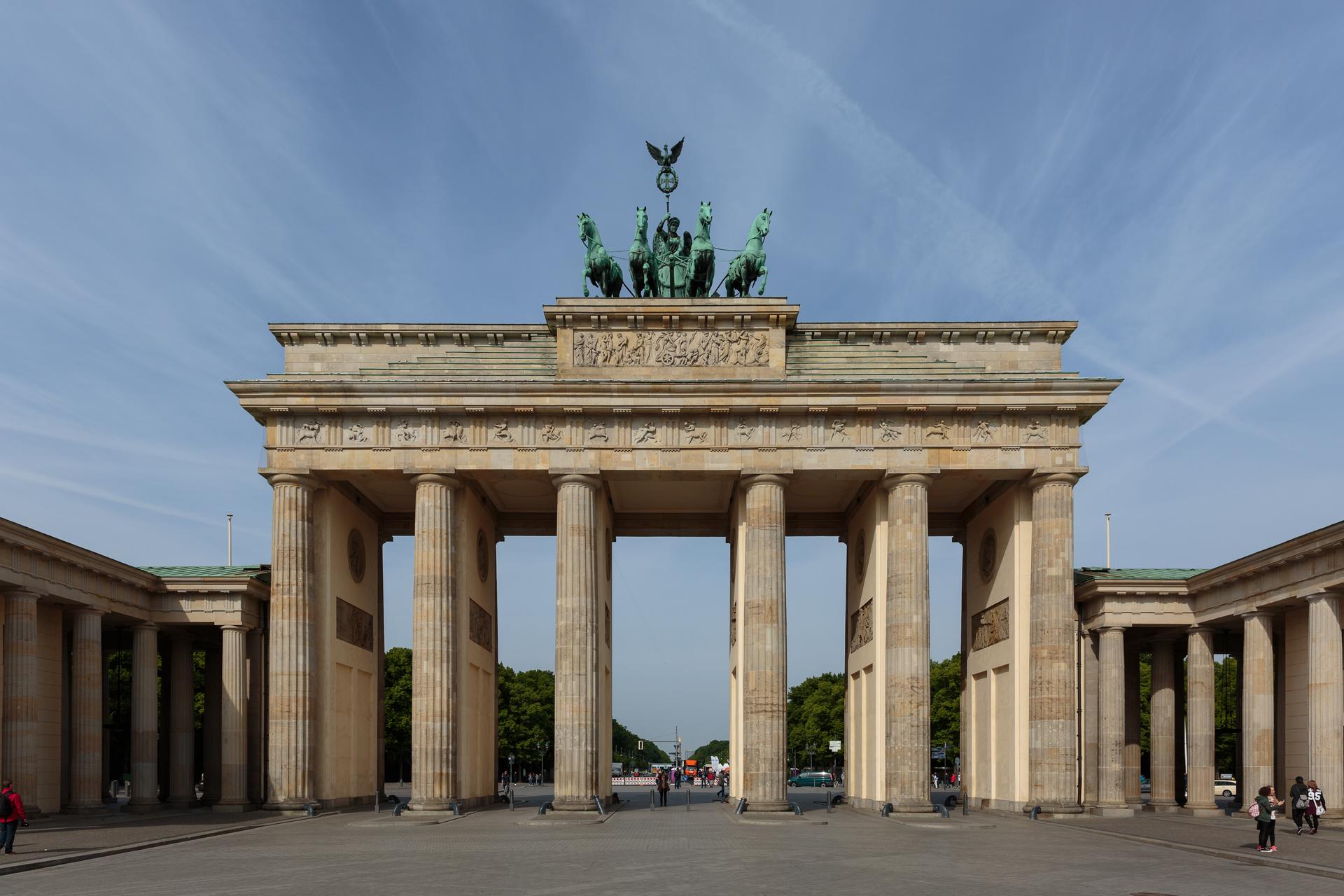
Looking beyond Ernst-Thälmann-Denkmal? Discover Berlin for broader travel guides, local hot-spots, and regional highlights.
Explore Berlin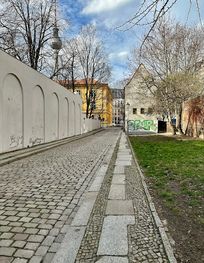
Discover Berlin's medieval origins at the Alte Berliner Stadtmauer, a remnant of the city's original 13th-century fortifications, offering a glimpse into its rich history and evolution.
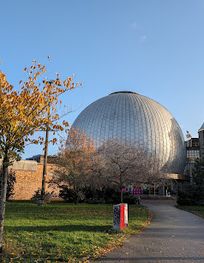
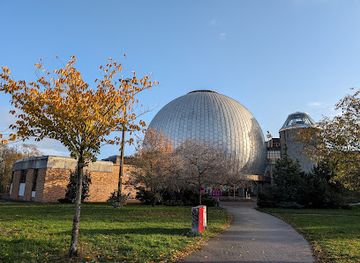
Experience the harmony of art and science at the Sonnenuhr am Zeiss-Großplanetarium, a stunning sundial that invites you to explore the cosmos in Berlin.