

Fischerinsel 3, Brandenburg Travel Guide
Explore Fischerinsel in Berlin: Where the city's oldest roots meet modern architecture, offering a unique glimpse into Berlin's evolving urban landscape and maritime history.
Fischerinsel, or Fisherman's Island, is a captivating district in the heart of Berlin, where the city of Cölln was founded in the 13th century. Once a thriving fishing village, it has undergone significant transformations, particularly during the GDR era, resulting in a unique juxtaposition of historical remnants and modern architecture. Today, visitors can explore the area's rich past, admire the towering residential blocks, and discover hidden gems like the Historischer Hafen (Historic Port), offering a glimpse into Berlin's maritime heritage. Its central location makes it easily accessible and a compelling stop for those interested in Berlin's evolving urban landscape. The area offers a blend of architectural styles, cultural experiences, and historical insights, making it a worthwhile destination for any traveler seeking to understand Berlin's complex identity. Don't miss the chance to wander through the streets and soak in the atmosphere of this unique part of the city.
A brief summary to Fischerinsel 3
- Fischerinsel 3, Berlin, Mitte, 10179, DE

Know before you go
Hi, I'm Eve. Here are a few practical things to know before exploring Fischerinsel 3.
- Explore the Historischer Hafen (Historic Port) to discover Berlin's maritime history and see restored barges.
- Take a walk along the Spree River to enjoy views of the modern architecture and historical remnants.
- Visit the nearby Nikolaiviertel, a reconstructed medieval quarter, for a glimpse into old Berlin.
- Explore Museum Island, a UNESCO World Heritage site, located within walking distance of Fischerinsel.
Do you manage this location?
Take control to get all the benefits, like improved information, better appearance, and stronger visibility across AI-powered discovery. Learn more about listing your business on Evendo
Activate your presenceOther nearby places you may find interesting
The closest places of the same kind, if this one is not quite what you had in mind.
Explore Fischerinsel 3 on the Map
A handpicked selection of must-see spots near Fischerinsel 3, mapped for you.
Getting There
-
Public Transport
To reach Fischerinsel using public transport, take the U2 subway line to the U Spittelmarkt station. From there, it's a short 5-minute walk to Fischerinsel. Alternatively, you can take the S-Bahn to Jannowitzbrücke station and walk towards the Spree River, heading south on Fischerinsel. Several bus lines also stop near Fischerinsel, including the 147, 200, and 248. A single ticket for zones AB costs €3.80. A short trip ticket, valid for three stops, costs €2.60.
-
Taxi/Ride-Share
A taxi or ride-share from a central location in Berlin, such as Alexanderplatz, to Fischerinsel will typically cost between €13 and €16 and take approximately 6-10 minutes, depending on traffic.
-
Walking
From the Märkisches Museum, walk a few steps down to the Spree. Fischerinsel is within walking distance. Follow the riverbank south. The walk is approximately 10 minutes and offers scenic views of the river and surrounding architecture.
-
Driving
If driving, parking is available near Fischerinsel, including at Parking Fischerinsel 1, with hourly rates around €1. Be aware that parking can be limited, especially during peak tourist season. Consider using public transport due to the central location and potential parking challenges.
Discover more about Fischerinsel 3













Your all‑in‑one travel companion app
Explore expert travel guides, compare and book tours, experiences, hotels, and more—all from the palm of your hand. Download now for seamless trip planning wherever your wanderlust takes you.


Explore More of Brandenburg
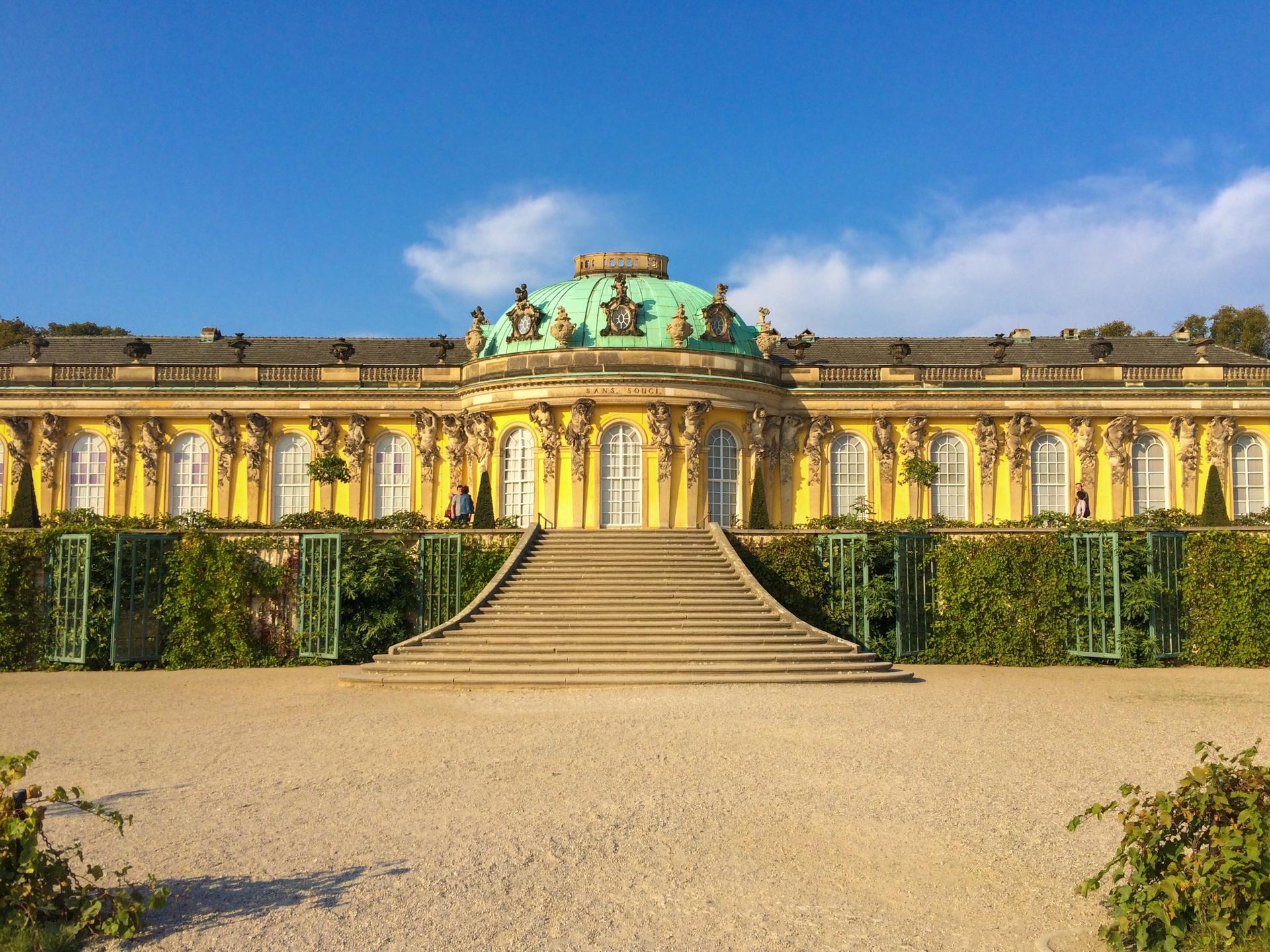
Looking beyond Fischerinsel 3? Discover Brandenburg for broader travel guides, local hot-spots, and regional highlights.
Explore Brandenburg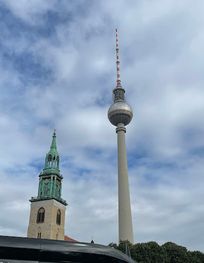
Experience Berlin from Above: Ascend to the iconic TV Tower for panoramic city views, historical insights, and a revolving restaurant experience in the heart of Alexanderplatz.
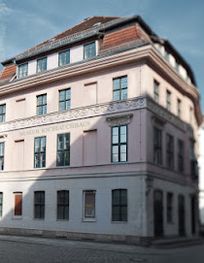
Explore the charming Museum Knoblauchhaus in Berlin, a historical gem showcasing 19th-century life and culture amidst the city's rich heritage.
