

Orangerie Travel Guide
Free Guide: Discover Potsdam's Orangerie Palace: A stunning Italian Renaissance-inspired retreat in Sanssouci Park, showcasing opulent art and meticulously designed gardens, currently undergoing restoration.


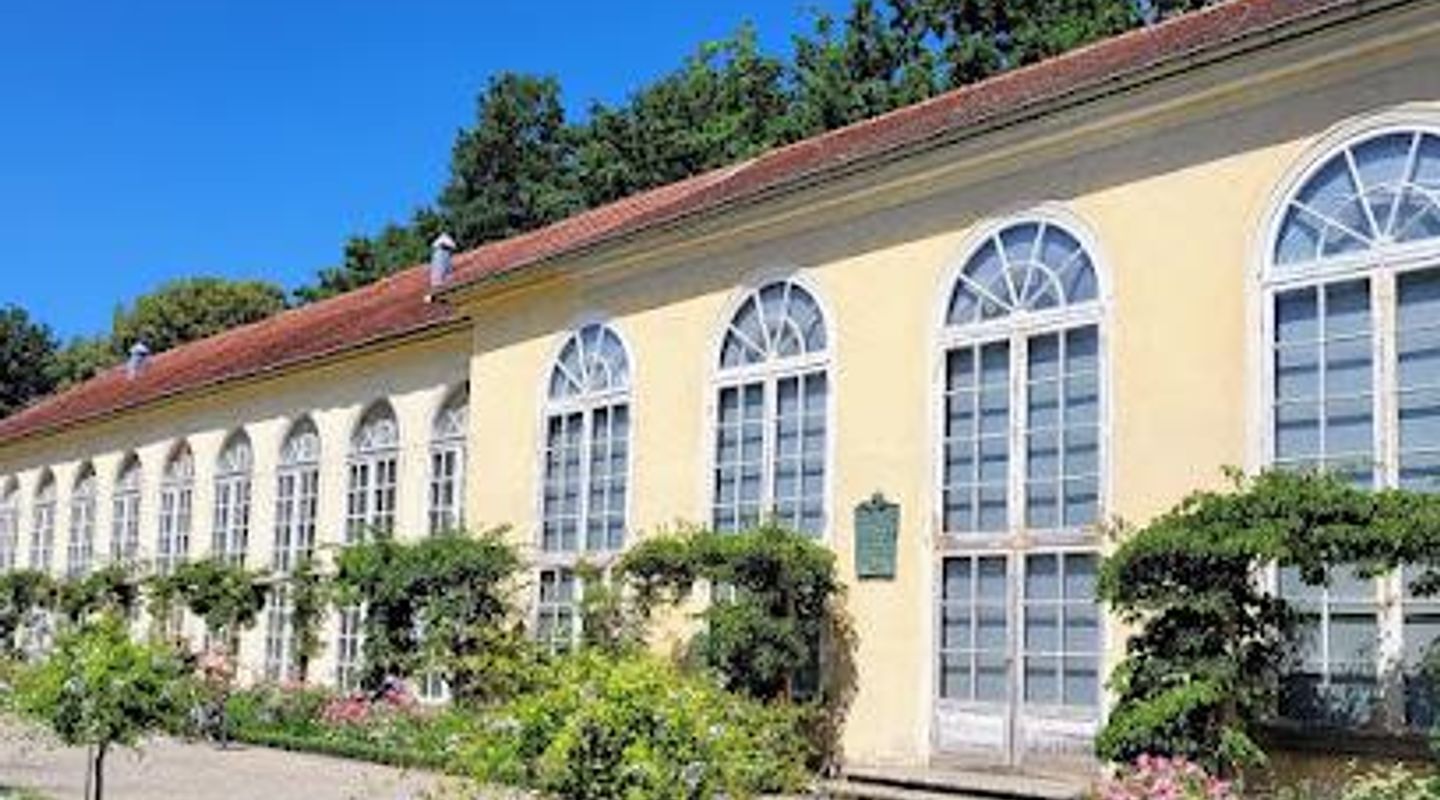
A brief summary of Orangerie
Discover Potsdam's Orangerie Palace: A stunning Italian Renaissance-inspired retreat in Sanssouci Park, showcasing opulent art and meticulously designed gardens, currently undergoing restoration.
The Orangerie Palace, nestled within Potsdam's sprawling Sanssouci Park, offers a captivating glimpse into Prussian royal ambition and architectural fancy. Conceived by King Frederick William IV, the 'Romantic on the Throne,' this Italian Renaissance-inspired palace served as both a winter garden for exotic plants and a lavish retreat. Construction spanned from 1851 to 1864, resulting in a sprawling complex boasting the impressive Raphael Hall, adorned with copies of Renaissance masterpieces. Today, visitors can explore the palace's opulent interiors, wander through its meticulously designed gardens, and soak in the Mediterranean atmosphere amidst the Brandenburg landscape. While currently undergoing restoration, the Orangerie remains a testament to Potsdam's rich history and artistic heritage, promising a delightful experience upon its reopening.
Opening hours
- Every dayOpen 24 hours
Opening hours as listed on the venue’s Google Business Profile. Hours can change for services and special events, so check with the venue before you go.
- Address
- Im Neuen Garten 6, 14469 Potsdam
- Website
Getting there
Public Transport
Bus
Taxi/Ride-Share
Driving
Discover more about Orangerie
Overview
The Orangerie Palace, also known as the New Orangery, stands proudly in Sanssouci Park as a testament to King Frederick William IV's romantic vision and passion for Italian Renaissance architecture. Construction of this magnificent palace began in 1851 and lasted until 1864, a period marked by the king's personal involvement in the design process and the supervision of architects Friedrich August Stüler and Ludwig Ferdinand Hesse. Frederick William IV, often called the 'Romantic on the Throne,' envisioned the Orangerie as the crowning jewel of a grand 'Road of Triumph,' intended to stretch from a triumphal arch east of Sanssouci Park to the Belvedere on the Klausberg. While the complete project never materialized due to political unrest and funding constraints, the Orangerie Palace remains a stunning realization of the king's artistic aspirations. Inspired by Italian Renaissance villas like the Villa Medici in Rome and the Uffizi in Florence, the Orangerie Palace stretches over 300 meters, making it the longest structure in Sanssouci Park. The palace is divided into three main sections: the central palace, flanked by two long plant halls. These halls, originally designed to house the royal collection of exotic plants during the harsh Prussian winters, continue to serve this purpose today, showcasing a variety of frost-sensitive species. The heart of the Orangerie Palace is undoubtedly the Raphael Hall, a breathtaking two-story gallery modeled after the Sala Regia in the Vatican. Bathed in natural light streaming through a large skylight, the hall displays over fifty meticulously crafted copies of Renaissance paintings by Raphael. These copies, commissioned by Frederick William IV's father, King Frederick William III, adorn the walls covered in rich red silk damask, creating a truly immersive artistic experience. Beyond the Raphael Hall, the central palace houses sumptuously decorated royal apartments and living quarters, reflecting the opulent tastes of the Prussian court. These rooms, furnished in the Second Rococo style, once hosted prominent guests, including the Tsar's widow, Charlotte, and the King of Italy, adding to the palace's rich history and cultural significance. The gardens surrounding the Orangerie Palace are as meticulously designed as the palace itself. Created by renowned garden architect Peter Joseph Lenné, the gardens reflect the Italian Renaissance style, featuring terraces, fountains, and sculptures that complement the palace's architecture. The Paradise Garden, located west of the palace, showcases a diverse collection of exotic flowers and plants, while the Norse and Sicilian Gardens to the east offer unique botanical displays. Today, the Orangerie Palace is part of the UNESCO World Heritage Site 'Palaces and Parks of Potsdam and Berlin,' attracting visitors from around the globe. While currently closed for restoration work as part of the 'Prussian Palaces and Gardens Master Plan,' the Orangerie Palace remains a significant cultural landmark, offering a glimpse into the artistic vision and royal ambition of 19th-century Prussia. Upon its reopening, visitors can once again explore its opulent interiors, wander through its meticulously designed gardens, and immerse themselves in the Mediterranean atmosphere amidst the Brandenburg landscape. The Orangerie is more than just a palace; it's a symbol of Potsdam's historical and artistic significance. Its unique blend of Italian Renaissance architecture, Prussian royal ambition, and meticulously designed gardens creates a captivating experience for all who visit. The palace stands as a reminder of the power of art, architecture, and landscape design to transport us to another time and place, offering a glimpse into the rich cultural heritage of Potsdam and Prussia. Visiting the Orangerie offers a chance to step back in time and experience the grandeur of the Prussian court. Imagine strolling through the Raphael Hall, surrounded by masterpieces of Renaissance art, or wandering through the meticulously designed gardens, enjoying the beauty of exotic plants and the tranquility of the landscape. The Orangerie is a place where history, art, and nature come together to create an unforgettable experience. While the Orangerie is currently closed for renovations, anticipation is building for its grand reopening. When it does, it will once again take its place as one of Potsdam's most treasured landmarks, inviting visitors to explore its opulent interiors, wander through its meticulously designed gardens, and immerse themselves in the Mediterranean atmosphere amidst the Brandenburg landscape. The Orangerie is a must-see destination for anyone interested in history, art, architecture, or simply seeking a beautiful and inspiring place to visit.
Evendo Review Centre
 Google
Guest reviews
Explore Orangerie on the map
A handpicked selection of must-see spots near Orangerie, mapped for you.
Get your free copy of our complete guide to Orangerie, delivered straight to you.
Everything on this page, from opening hours and how to get there to Eve’s tips and the best time to go, in one PDF you can read offline, print or share.
Already have an account? Sign in
Your Orangerie guide is ready.
We'll send it to · Not you? Sign out

Getting your guide ready…
We are putting together a fresh copy of the Orangerie guide. This can take up to a minute.
This can take a few moments. If your browser asks, choose Allow so the download can start. You'll find the guide in your Downloads folder.
Nothing happened? Download it again
Sorry, the guide is taking longer than usual. Please try again in a minute, or get it by email instead.
Unlock the best of Orangerie
Skip-the-line tickets, guided tours with entry, and walking tours of the area, booked in a few clicks.

Other nearby places you may find interesting
The closest places of the same kind, if this one is not quite what you had in mind.
-
-
-
-
-


Swipe for more places
More to explore near Orangerie

 Best experiences near Orangerie
 Best hotels near Orangerie
 Best landmarks near Orangerie
 Best attractions near Orangerie
 Best shops near Orangerie
 Best restaurants near Orangerie
 Best bars near Orangerie
Do you manage this location?
Take control to get all the benefits, like improved information, better appearance, and stronger visibility across AI-powered discovery.
Explore more

Explore more of Brandenburg
Discover Brandenburg: Explore a region rich in history, culture, and natural beauty, featuring stunning landscapes, historic sites, and vibrant cultural experiences.
Explore Brandenburg
Explore more of Germany
Experience Germany: where history meets innovation, and urban energy blends with natural beauty. Discover diverse cultures, delicious cuisine, and stunning landscapes.
Explore Germany
