
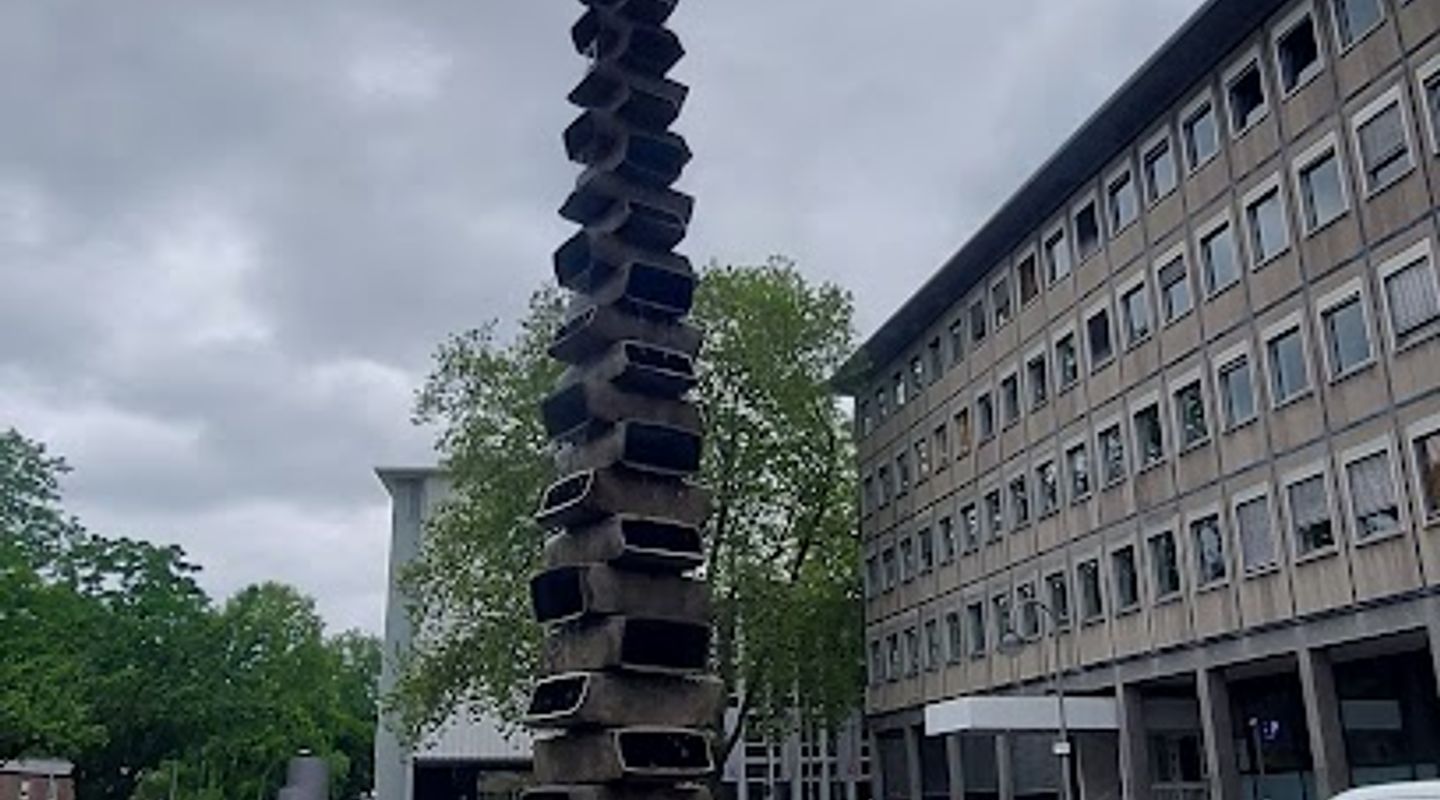
Edith Stein Denkmal, Cologne Travel Guide
A poignant memorial in Cologne honoring Edith Stein, a Jewish-born philosopher and Carmelite nun martyred in Auschwitz, symbolizing faith, persecution, and reconciliation.
The Edith Stein Denkmal, located on Börsenplatz in Cologne's Innenstadt, is a poignant monument honoring the life and legacy of Edith Stein, also known as Saint Teresa Benedicta of the Cross. A Jewish-born philosopher who converted to Catholicism and became a Carmelite nun, Stein was murdered at Auschwitz in 1942. The sculpture serves as a reminder of the Holocaust and a symbol of reconciliation. The monument's design, featuring symbolic representations of suffering and hope, invites reflection on themes of faith, persecution, and the search for truth. Its central location makes it easily accessible to visitors exploring Cologne's historical center, offering a moment of contemplation amidst the bustling city. The Denkmal is a powerful testament to Stein's enduring influence and the importance of remembering the victims of Nazi atrocities. The open space around the monument allows for unobstructed viewing and quiet contemplation, making it a significant site for both locals and tourists.
A brief summary to Edith Stein Denkmal
- Börsenpl., Cologne, Innenstadt, 50670, DE
- Click to display

Know before you go
Hi, I'm Eve. Here are a few practical things to know before exploring Edith Stein Denkmal.
- Take a moment for quiet reflection to fully appreciate the monument's symbolism and Edith Stein's story.
- Combine your visit with a trip to the nearby Cologne Cathedral to experience more of Cologne's rich history and architecture.
- Visit the Documentation Centre Nazi Victim Memorial Site to deepen your understanding of the Holocaust in Cologne.
Do you manage this location?
Take control to get all the benefits, like improved information, better appearance, and stronger visibility across AI-powered discovery. Learn more about listing your business on Evendo
Activate your presenceOther nearby places you may find interesting
The closest places of the same kind, if this one is not quite what you had in mind.

Explore Edith Stein Denkmal on the Map
A handpicked selection of must-see spots near Edith Stein Denkmal, mapped for you.
Unlock the Best of Edith Stein Denkmal
Buy tickets
-
No tickets available
Book tours with entry


Book tours without entry
-
No tours available
Getting There
-
Public Transport
From Köln Hauptbahnhof (Cologne Central Station), take any S-Bahn (S6, S11, S12, S13, S19) one stop to Köln Hansaring. From there, it's approximately a 5-minute walk south towards Börsenplatz. Alternatively, from the Hauptbahnhof, take tram lines 5, 16 or 18 to Appellhofplatz, which is a 2-minute walk to the Denkmal. A single ticket (Kurzstrecke) costs approximately €2.20.
-
Walking
From Cologne Cathedral (Kölner Dom), walk approximately 5 minutes northeast. Head towards the Cologne Stock Exchange (Kölnische Börse), which is located on Börsenplatz. The Edith Stein Denkmal is situated in the square, easily visible once you reach Börsenplatz.
-
Taxi/Ride-Share
A taxi or ride-share from Köln Hauptbahnhof to Börsenplatz will take approximately 5-10 minutes, depending on traffic. The estimated fare is between €10-€15.
Discover more about Edith Stein Denkmal













Your all‑in‑one travel companion app
Explore expert travel guides, compare and book tours, experiences, hotels, and more—all from the palm of your hand. Download now for seamless trip planning wherever your wanderlust takes you.


Explore More of Cologne
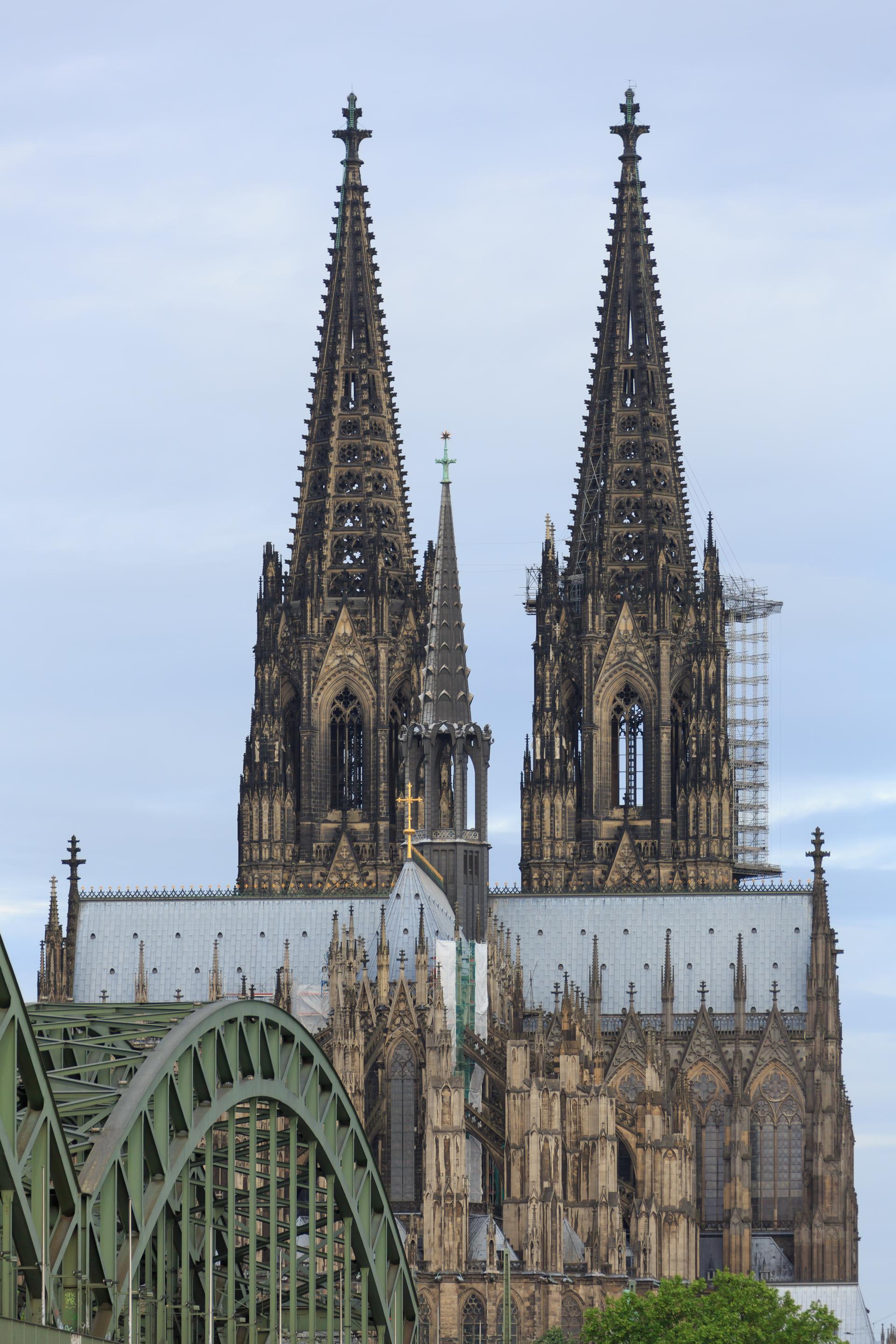
Looking beyond Edith Stein Denkmal? Discover Cologne for broader travel guides, local hot-spots, and regional highlights.
Explore Cologne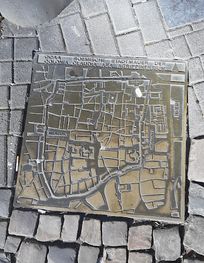
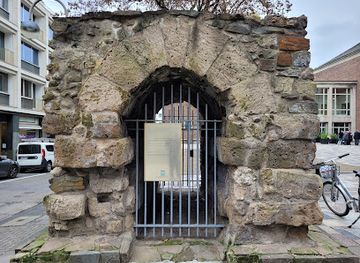
Explore Cologne's ancient past at the Gedenktafel Römische Stadtmauer, a historical site that marks the remnants of the city's Roman heritage.

Explore Römerbrunnen, a historic fountain in Cologne that beautifully combines architectural elegance with the city's vibrant culture.
