

Ubii Monument, Cologne Travel Guide
Discover Cologne's oldest stone monument, a relic of the Ubii tribe and a window into the city's Roman origins, offering a unique glimpse into its formative history.
Delve into Cologne's ancient past at the Ubii Monument, the city's oldest stone structure. This unassuming yet historically significant site offers a glimpse into the lives of the Ubii, a Germanic tribe instrumental in the region's early settlement. Discovered in 1965, the monument's 6-meter-high remains mark the southeastern corner of the Roman colony, with remnants of a 1st-century city wall still attached. Originally towering at 12 meters, its purpose remains debated, possibly serving as a fortification or harbor entrance watchtower. Today, it stands as a tangible link to Cologne's Roman origins, offering visitors a unique opportunity to connect with the city's formative years. Located near the Malzmühle brewery, a visit to the Ubii Monument provides an enriching historical detour.
A brief summary to Ubii Monument
- An d. Malzmühle 1, Cologne, Innenstadt, 50676, DE
- Click to display
- Click to display
- Thursday 2 pm-5 pm

Know before you go
Hi, I'm Eve. Here are a few practical things to know before exploring Ubii Monument.
- Visit on the first Thursday of the month (2-5 PM) for free entry and a chance to explore this hidden gem without the crowds.
- Combine your visit with a trip to the nearby Römisch-Germanisches Museum to deepen your understanding of Cologne's Roman history.
- Look for the silver pillar and plaque marking the entrance; it's easy to miss this unassuming but historically significant site.
Do you manage this location?
Take control to get all the benefits, like improved information, better appearance, and stronger visibility across AI-powered discovery. Learn more about listing your business on Evendo
Activate your presenceOther nearby places you may find interesting
The closest places of the same kind, if this one is not quite what you had in mind.

Explore Ubii Monument on the Map
A handpicked selection of must-see spots near Ubii Monument, mapped for you.
Unlock the Best of Ubii Monument
Buy tickets
-
No tickets available
Book tours with entry
-
No tours available
Book tours without entry

Getting There
-
Walking
From Heumarkt, a central square and transport hub, walk north on An der Malzmühle. The Ubii Monument is approximately a 5-10 minute walk. Look for a discreet entrance marked by a silver pillar and plaque. The monument is located in a residential building.
-
Public Transport
From Köln Hauptbahnhof (main train station), take tram lines 1, 5, 7, or 9 to Heumarkt station. From there, follow the walking directions. A single ticket (Tarifzone 1b) costs approximately €2.20. Alternatively, from other locations in Cologne, use the KVB (Kölner Verkehrs-Betriebe) app or website to plan your route to Heumarkt.
-
Taxi/Ride-Share
A taxi or ride-share from Köln Hauptbahnhof to the Ubii Monument will cost approximately €8-€12, depending on traffic. The journey typically takes 5-10 minutes. Be sure to specify the address: An der Malzmühle 1, 50676 Köln.
-
Parking
Parking near the Ubii Monument is limited and can be expensive. Several parking garages are available near Heumarkt, such as the CONTIPARK Tiefgarage Heumarkt. Hourly rates are approximately €3-€4, with daily rates ranging from €20-€25. Consider using public transport to avoid parking hassles.
Discover more about Ubii Monument













Your all‑in‑one travel companion app
Explore expert travel guides, compare and book tours, experiences, hotels, and more—all from the palm of your hand. Download now for seamless trip planning wherever your wanderlust takes you.


Explore More of Cologne
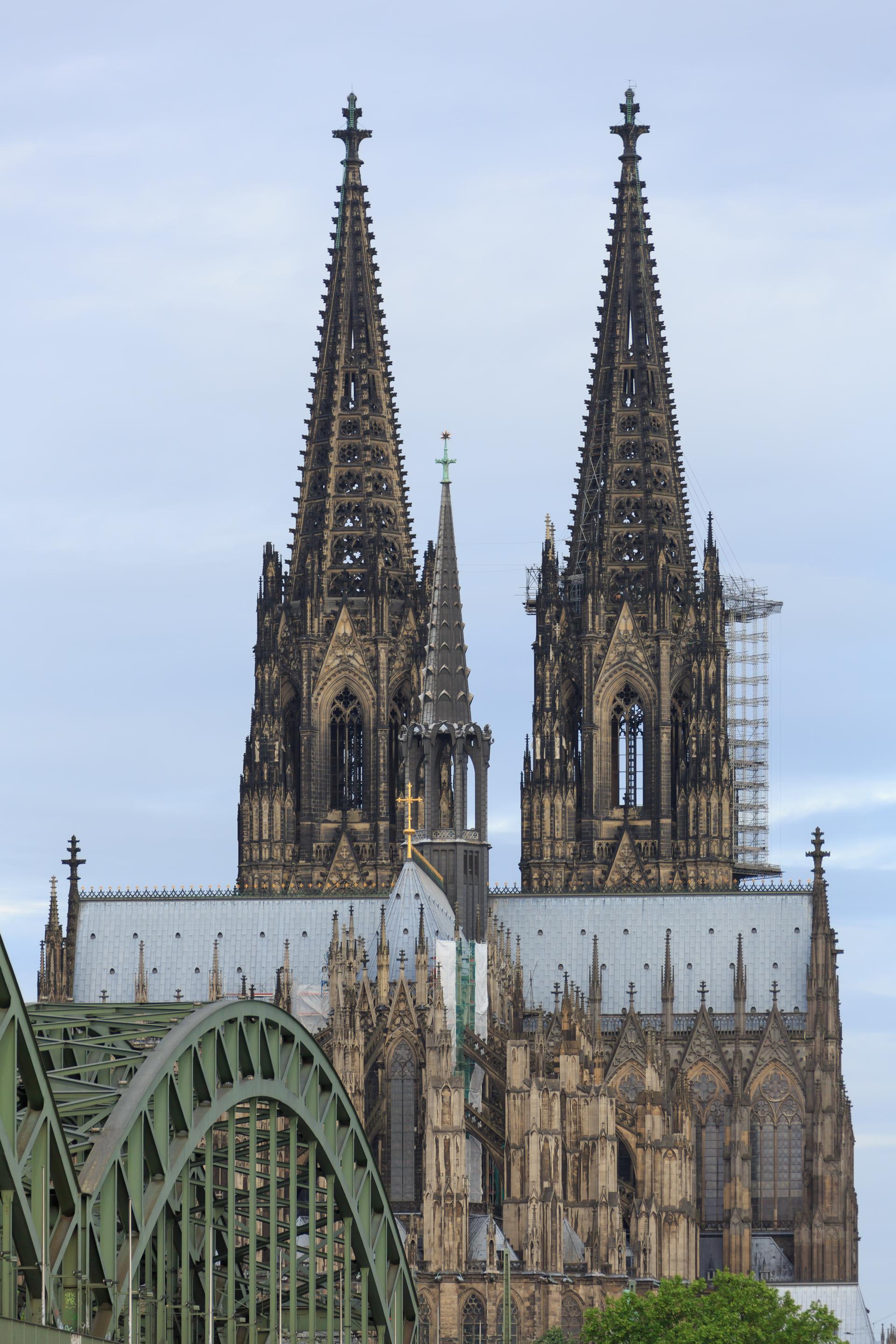
Looking beyond Ubii Monument? Discover Cologne for broader travel guides, local hot-spots, and regional highlights.
Explore Cologne
Discover Cologne's resilient spirit at Great St. Martin Church, a Romanesque masterpiece rising from Roman ruins, offering a serene escape in the heart of the Old Town.
Discover Cologne's Romanesque soul at St. Maria im Kapitol & St. Maria Lyskirchen: where ancient foundations meet medieval artistry and enduring faith.
