
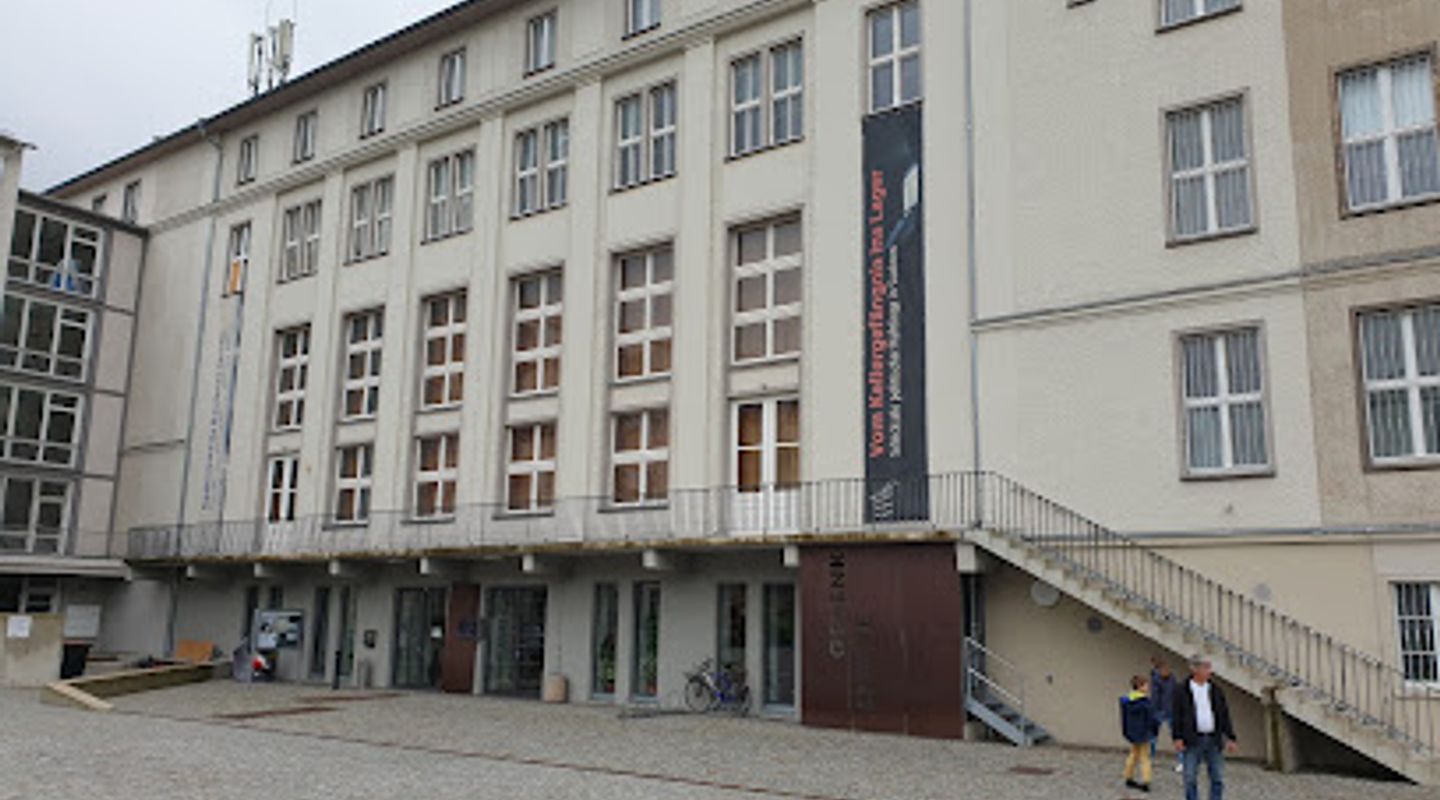
Memorial Bautzner Street Dresden, Dresden Travel Guide
Explore the chilling history of Dresden's Memorial Bautzner Street, a former Stasi prison offering a stark glimpse into political repression and the fight for human rights.
The Memorial Bautzner Street in Dresden stands as a chilling reminder of the city's tumultuous 20th-century history. Housed in a former Stasi prison, the memorial offers a sobering glimpse into the realities of life under both Nazi and Communist regimes. Visitors can explore the original prison cells, interrogation rooms, and Soviet detention cellars, each echoing with the stories of political persecution and human suffering. The memorial serves as an important educational hub, encouraging reflection on the importance of human rights and democracy. Located in the Loschwitz district, the memorial is easily accessible and provides a powerful and thought-provoking experience for those seeking to understand the depths of Germany's past. The surrounding area offers a chance to contemplate the lessons learned, making it a crucial stop for any visitor to Dresden.
A brief summary to Memorial Bautzner Street Dresden
- Bautzner Str. 112A, Dresden, Loschwitz, 01099, DE
- Click to display
- Click to display
- Monday 10 am-6 pm
- Tuesday 10 am-6 pm
- Wednesday 10 am-6 pm
- Thursday 10 am-6 pm
- Friday 10 am-6 pm
- Saturday 10 am-6 pm
- Sunday 10 am-6 pm

Know before you go
Hi, I'm Eve. Here are a few practical things to know before exploring Memorial Bautzner Street Dresden.
- Allow ample time for your visit; the memorial's exhibits and atmosphere can be emotionally impactful, and a thorough exploration requires at least 2-3 hours.
- Consider taking a guided tour for deeper insights into the history of the prison and the experiences of its inmates.
- Check the memorial's website for special events, temporary exhibitions, and film screenings that may enhance your visit.
- Combine your visit with a walk along the Elbe River to reflect on the memorial's themes in a peaceful setting.
- Visit on a weekday to avoid larger crowds and have a more intimate experience.
Do you manage this location?
Take control to get all the benefits, like improved information, better appearance, and stronger visibility across AI-powered discovery. Learn more about listing your business on Evendo
Activate your presenceOther nearby places you may find interesting
The closest places of the same kind, if this one is not quite what you had in mind.


Explore Memorial Bautzner Street Dresden on the Map
A handpicked selection of must-see spots near Memorial Bautzner Street Dresden, mapped for you.
Getting There
-
Public Transport
From Dresden city center (e.g., Albertplatz), take tram line 11 towards Bühlau. Get off at the 'Angelikastraße' stop. From there, walk east along Bautzner Straße for approximately 5 minutes. The memorial entrance will be on your right. A single tram ticket costs approximately €2.90.
-
Bus
Alternatively, from Albertplatz, take bus line 261 or 74 to the 'Angelikastraße' stop. The memorial is a short walk east on Bautzner Straße. A single bus ticket costs approximately €2.90.
-
Taxi/Ride-Share
A taxi or ride-share from Dresden city center (e.g., Frauenkirche) to the Memorial Bautzner Street will cost approximately €12-€18, depending on traffic. The journey typically takes 15-20 minutes.
-
Driving
If driving, navigate to Bautzner Straße 112A, 01099 Dresden. Limited parking is available directly at the memorial. Nearby parking garages include Bavaria Parkgaragen (Am Waldschlösschen 4) and Am Brauhaus (Am Brauhaus 12). Parking fees at these garages typically range from €2-€3 per hour.
Discover more about Memorial Bautzner Street Dresden
More to explore near Memorial Bautzner Street Dresden
-

Best experiences near Memorial Bautzner Street Dresden
-

Best hotels near Memorial Bautzner Street Dresden
-

Best attractions near Memorial Bautzner Street Dresden
-

Best shops near Memorial Bautzner Street Dresden
-

Best restaurants near Memorial Bautzner Street Dresden
-

Best bars near Memorial Bautzner Street Dresden







Your all‑in‑one travel companion app
Explore expert travel guides, compare and book tours, experiences, hotels, and more—all from the palm of your hand. Download now for seamless trip planning wherever your wanderlust takes you.


Explore More of Dresden
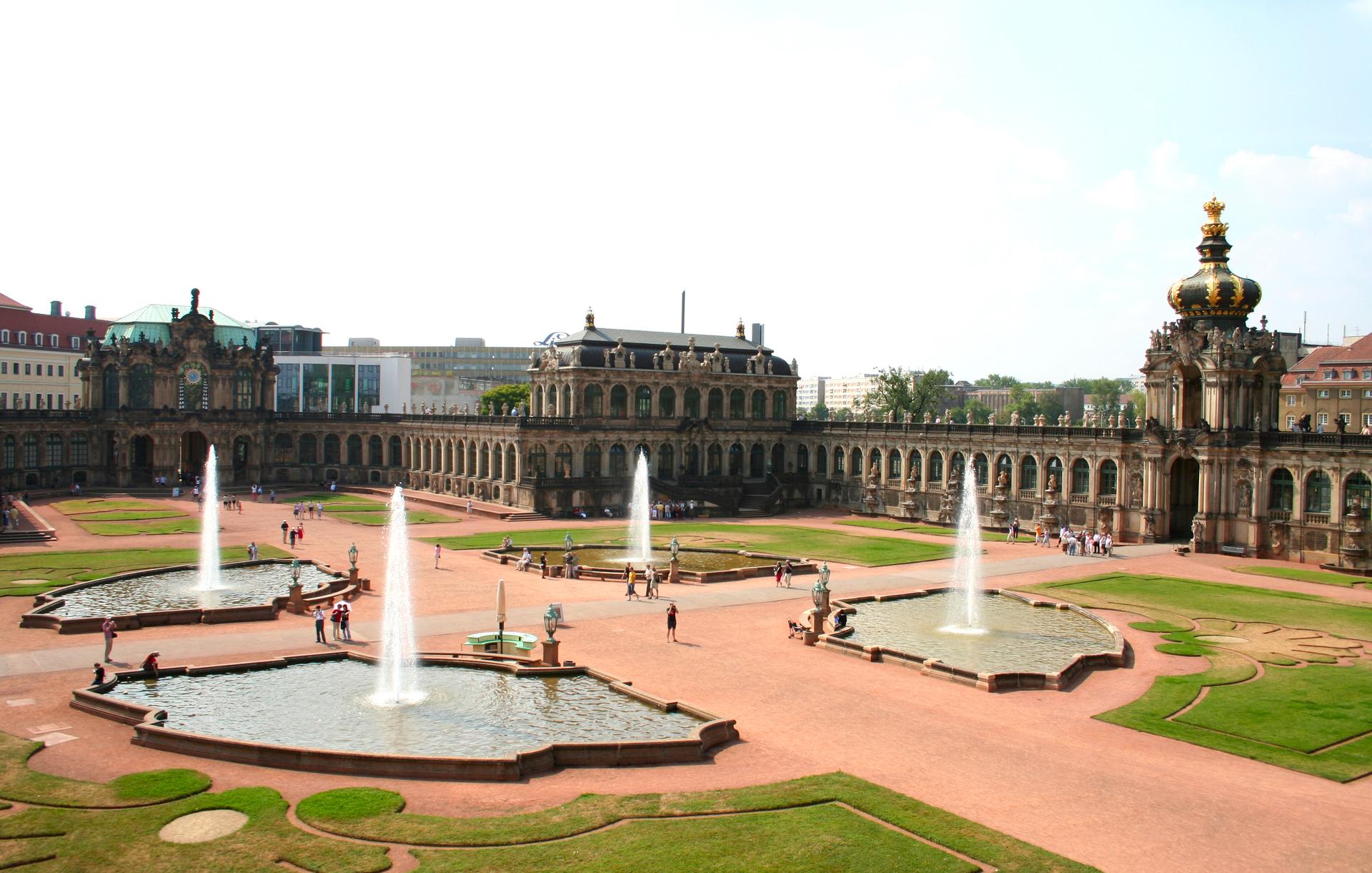
Looking beyond Memorial Bautzner Street Dresden? Discover Dresden for broader travel guides, local hot-spots, and regional highlights.
Explore Dresden
Explore the beauty of Brühl's Terrace in Dresden, a historical landmark offering stunning views of the Elbe and iconic city architecture.

Discover the elegance of Albrechtsberg Palace in Dresden, a historical castle offering stunning architecture, lush gardens, and unforgettable events.
