Background

Rheinkniebrücke: Düsseldorf's Graceful River Crossing

Experience Düsseldorf's iconic Rheinkniebrücke: a stunning cable-stayed bridge offering panoramic city views, pedestrian-friendly paths, and a glimpse into the heart of German engineering and design.

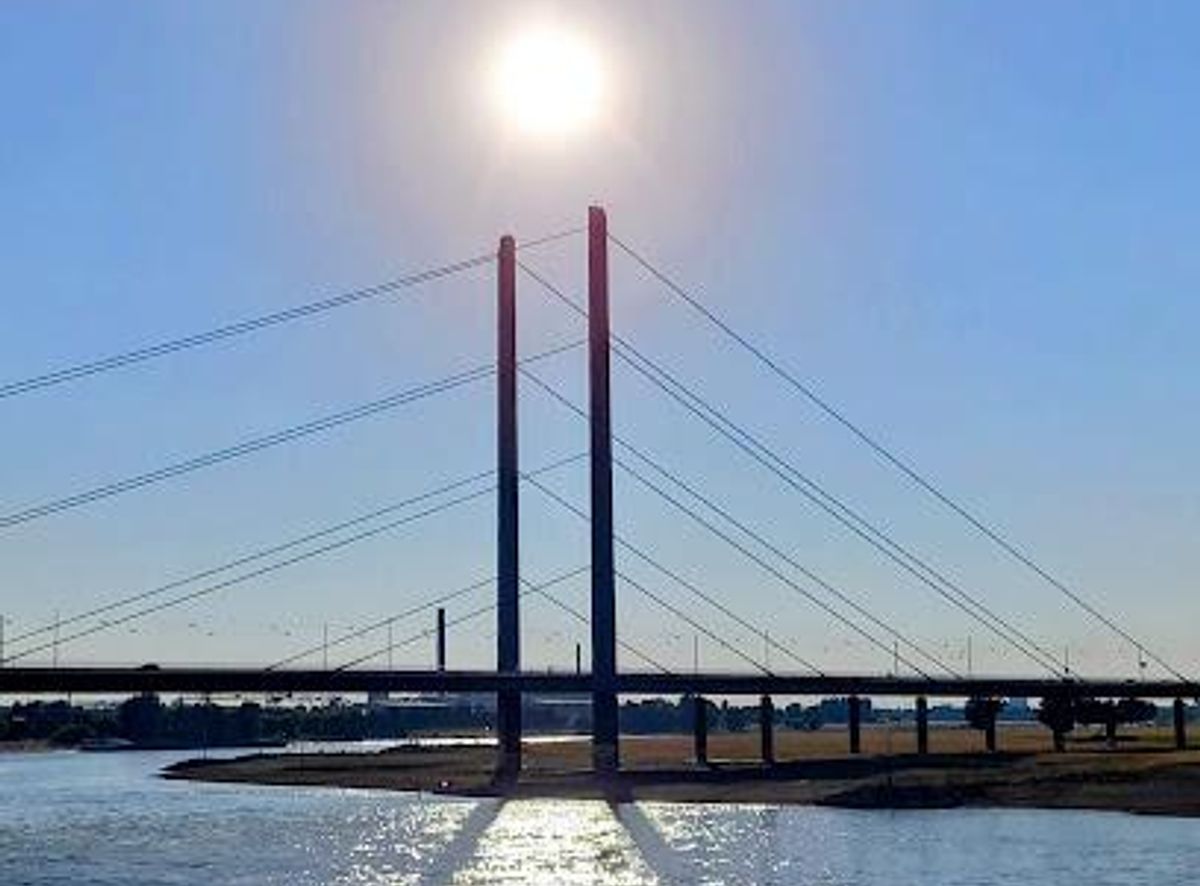
The Rheinkniebrücke, or Rhine Knee Bridge, is an iconic cable-stayed bridge in Düsseldorf, Germany, gracefully arching over the Rhine River. Completed in 1969, it connects the districts of Unterbilk and Oberkassel, offering stunning panoramic views of the city skyline and the serene river. More than just a thoroughfare, it's a popular spot for locals and tourists alike, providing dedicated pedestrian and cycle paths. The bridge's elegant design, with its distinctive pylon and sweeping lines, makes it a beloved landmark and a prime location for photographers, especially during sunset when the city lights begin to twinkle. Its central location makes it easily accessible and a must-see when exploring Düsseldorf's blend of modern and historic architecture. Whether you're strolling along the Rhine or admiring it from afar, the Rheinkniebrücke offers a quintessential Düsseldorf experience.

A brief summary to Rheinkniebrücke

  • Düsseldorf, DE

Local tips

  • Visit during sunset for breathtaking views of the Düsseldorf skyline as the city lights begin to illuminate.
  • Take a leisurely stroll or bike ride across the bridge to fully appreciate the panoramic vistas and the Rhine River.
  • Explore the nearby Rhine embankment promenade for cafes, restaurants, and shops, offering a perfect complement to your bridge visit.
  • Bring your camera to capture the bridge's elegant architecture and the stunning cityscape, especially during the golden hour.
  • Check out the Landtag (State Parliament) on the Unterbilk side for a glimpse of modern architecture and political significance.
widget icon

Getting There

  • Public Transport

    For the final approach to Rheinkniebrücke using public transport, several options are available. From Düsseldorf Hauptbahnhof (Central Station), take any of the numerous tram or subway lines heading towards the city center and the Rhine. Tram lines 706, 708, and 709 stop at 'Landtag/Kniebrücke', which is directly adjacent to the bridge. Alternatively, Metrobus lines M3 also stop near the bridge. A single ticket for a short trip (Kurzstrecke) within Düsseldorf costs approximately €1.90. From the 'Landtag/Kniebrücke' stop, it's a short walk to either side of the bridge.

  • Walking

    If you are already in the city center, such as near the Altstadt (Old Town) or Königsallee, walking to the Rheinkniebrücke is a pleasant option. Head towards the Rhine River and follow the Rheinuferpromenade (Rhine promenade) southwards. The bridge will become visible as you approach. The walk from the Altstadt takes approximately 20-30 minutes, offering scenic views along the river. There are no specific costs associated with walking, but be prepared for cobblestone paths in some areas.

  • Taxi/Ride-Share

    For a direct and convenient final approach, especially from locations further away or during inclement weather, a taxi or ride-sharing service is a good choice. A taxi ride from Düsseldorf Hauptbahnhof to the Rheinkniebrücke typically costs between €10-€15, depending on traffic. Ride-sharing services like Uber or Bolt are also available and may offer slightly lower fares. Simply provide 'Rheinkniebrücke' as your destination.

  • Driving

    If driving, be aware that parking near the Rheinkniebrücke can be limited and expensive. There is parking available underneath the Rheinkniebrücke. Zone 2 parking charges are €0.60 for 12 minutes during weekdays from 9:00 to 20:00. Alternatively, there are several parking garages in the city center, such as those near the main train station, from which you can walk or take public transport to the bridge. Be aware of the Umweltzone (environmental zone) in Düsseldorf, which requires a green emissions sticker for your vehicle.

Unlock the Best of Rheinkniebrücke

Buy tickets

    No tickets available

Book tours with entry

    No tours available

Book tours without entry

    No tours available

Discover more about Rheinkniebrücke

The Rheinkniebrücke, Düsseldorf's elegant Rhine Knee Bridge, is more than just a means of crossing the river; it's a symbol of the city itself. Completed in 1969, this cable-stayed bridge gracefully spans the Rhine, connecting the districts of Unterbilk and Oberkassel and offering breathtaking views of Düsseldorf's skyline. Its name derives from its location at the 'knee' of the Rhine, where the river bends, making it a unique and recognizable landmark. Designed by architect Friedrich Tamms and engineer Fritz Leonhardt, the Rheinkniebrücke was a marvel of engineering at the time of its opening, boasting the longest span for a cable-stayed bridge in the world. The bridge features a distinctive single pylon with two free-standing vertical stems, from which cables fan out to support the steel bridge deck. This design not only provides structural integrity but also contributes to the bridge's aesthetic appeal. The Rheinkniebrücke is not just for cars; it also features dedicated pedestrian and cycle paths, making it a popular spot for leisurely strolls and bike rides. Walking or cycling across the bridge offers stunning panoramic views of Düsseldorf, including the Altstadt (Old Town), the MedienHafen (Media Harbor), and the Rheinturm (Rhine Tower). The bridge is particularly enchanting at sunset when the city lights begin to twinkle, creating a magical atmosphere. Beyond its aesthetic appeal, the Rheinkniebrücke plays a vital role in Düsseldorf's transportation network, carrying six lanes of traffic and connecting major roads. It's an integral part of the city's infrastructure, facilitating the movement of people and goods across the Rhine. The area surrounding the Rheinkniebrücke is rich in attractions and activities. On the Unterbilk side, you'll find the Landtag (State Parliament) of North Rhine-Westphalia, a modern architectural landmark. Nearby is the Rhine embankment promenade, a vibrant pedestrian zone with cafes, restaurants, and shops. On the Oberkassel side, you can explore the charming residential streets and enjoy the green spaces along the riverbank. The Rheinkniebrücke has witnessed many significant events in Düsseldorf's history. It has been the backdrop for festivals, concerts, and other public gatherings. It has also been a symbol of the city's resilience, having been repaired and renovated over the years to ensure its continued functionality and safety. Today, the Rheinkniebrücke remains one of Düsseldorf's most beloved landmarks. It's a testament to the city's engineering prowess, architectural vision, and commitment to providing its citizens with a high quality of life. Whether you're a local resident or a visitor from afar, a trip to Düsseldorf is not complete without experiencing the Rheinkniebrücke. Visiting the Rheinkniebrücke offers a chance to appreciate Düsseldorf's unique blend of history and modernity. The bridge provides stunning views of the city's architectural landscape, from the historic Altstadt to the contemporary MedienHafen. It's a perfect spot for photographers, offering countless opportunities to capture the beauty of Düsseldorf. For those interested in architecture and engineering, the Rheinkniebrücke is a fascinating example of cable-stayed bridge design. Its elegant lines and structural ingenuity are a testament to the skills of its creators. The bridge also serves as a reminder of Düsseldorf's commitment to innovation and progress. Whether you're strolling across the bridge, admiring it from the riverbank, or simply driving over it, the Rheinkniebrücke is an unforgettable experience. It's a symbol of Düsseldorf's spirit, its beauty, and its connection to the Rhine River. As part of the Rhine Clean Up initiative, volunteers have gathered to clean up the bridge and the surrounding areas, to stop pollution of the environment and water, and to raise awareness. The Rheinkniebrücke is more than just a bridge; it's a landmark that embodies the essence of Düsseldorf. Its beauty, its history, and its functionality make it a must-see destination for anyone visiting the city.

Popular Experiences near Rheinkniebrücke

Popular Hotels near Rheinkniebrücke

Select Currency