Background

Marshall-Brunnen: A Tranquil Oasis in Frankfurt

Discover the Marshall-Brunnen in Frankfurt: a historical fountain honoring George C. Marshall and offering a tranquil escape in the heart of the city's Taunusanlage park.

4.4

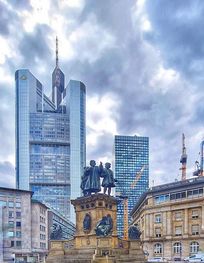
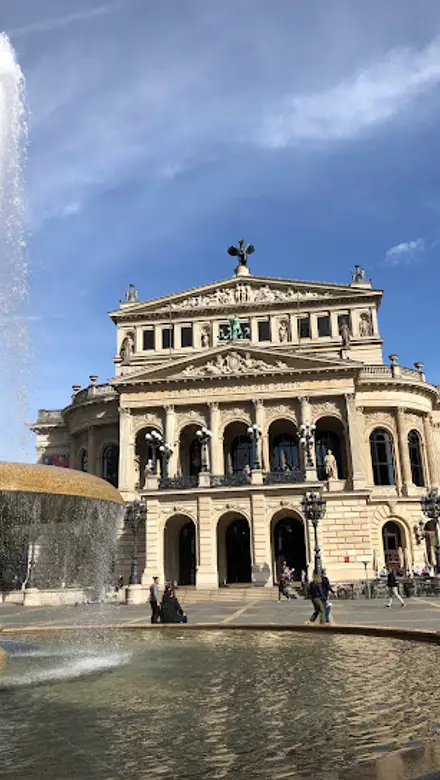
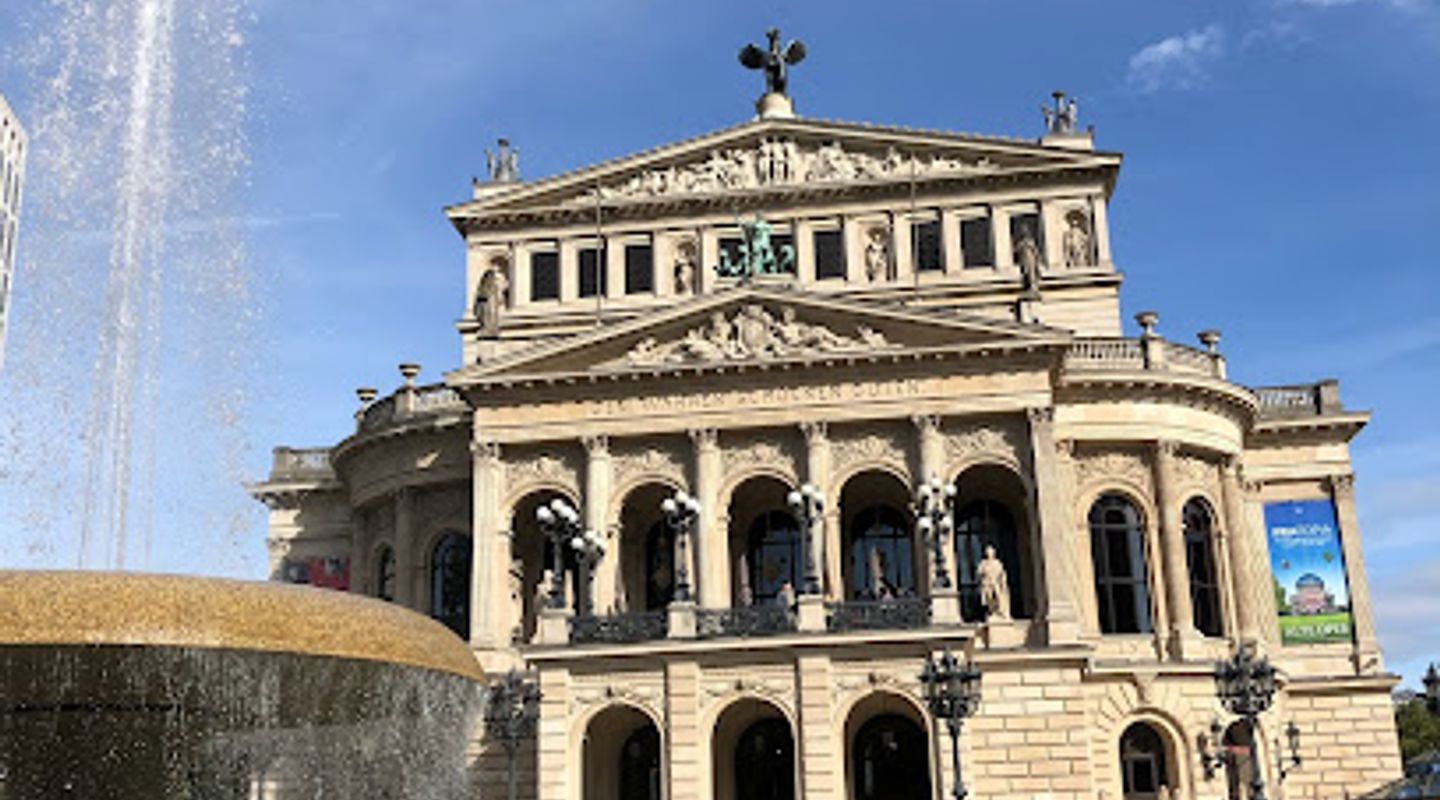
The Marshall-Brunnen, a historical landmark in Frankfurt's Taunusanlage park, offers a serene escape amidst the city's bustling financial district. Dedicated in 1963 to honor US Secretary of State George C. Marshall, the fountain commemorates his pivotal role in the post-World War II reconstruction of Europe through the Marshall Plan. Sculpted by Toni Stadler, the fountain features three bronze water nymphs representing maidens from Goethe's Faust, adding a touch of classical elegance. Surrounded by lush greenery and offering a peaceful ambiance, the Marshall-Brunnen invites visitors to reflect on Frankfurt's history and enjoy a moment of tranquility. Its central location makes it easily accessible and a perfect spot for a relaxing break while exploring the city's attractions. Whether you're a history enthusiast, an art lover, or simply seeking a quiet retreat, the Marshall-Brunnen provides a captivating experience.

A brief summary to Marshall-Brunnen

  • Taunusanlage 20, Frankfurt, Innenstadt I, 60325, DE

Local tips

  • Visit early in the morning for a quieter experience and beautiful light for photography.
  • Combine your visit with a stroll through the Taunusanlage park for a complete day of relaxation.
  • Take a moment to appreciate the intricate details of the bronze water nymphs and their historical significance.
widget icon

Getting There

  • Public Transport

    The Marshall-Brunnen is easily accessible via public transport. Take the S-Bahn to the 'Taunusanlage' station (S1-S6, S8, S9 lines). From the station exit, walk north along the Taunusanlage park. The fountain will be visible within a few minutes' walk inside the park. Alternatively, take the U-Bahn (U6 or U7) to 'Alte Oper' station. From there, walk south along Opernplatz and then turn right onto Taunusanlage. The fountain will be on your left within the park. A single ticket for a short trip on the U-Bahn or S-Bahn costs approximately €3.

  • Walking

    From the Frankfurt Hauptbahnhof (main train station), walk east along Kaiserstraße, then turn left onto Gallusanlage. Continue straight onto the Taunusanlage park. The Marshall-Brunnen will be on your right within the park, approximately a 15-20 minute walk. This is a straightforward and pleasant walk through the city center.

  • Taxi/Ride-Share

    Taxis and ride-sharing services are readily available throughout Frankfurt. Simply provide the driver with the address 'Taunusanlage 20, 60325 Frankfurt am Main' or 'Marshall-Brunnen in Taunusanlage park'. The ride from the main train station or a central hotel should take approximately 5-10 minutes, costing around €7-€9, depending on traffic.

  • Driving

    If driving, navigate to Taunusanlage 20, 60325 Frankfurt am Main. Parking is available in nearby parking garages such as Opernturm or Alte Oper. Parking fees typically range from €2-€4 per hour. Be aware that parking in the immediate vicinity may be limited, especially during peak hours.

Unlock the Best of Marshall-Brunnen

Buy tickets

    No tickets available

Book tours with entry

    No tours available

Book tours without entry

    No tours available

Discover more about Marshall-Brunnen

Nestled within the verdant embrace of the Taunusanlage park in Frankfurt, the Marshall-Brunnen stands as a testament to both historical significance and artistic beauty. This elegant fountain, dedicated in 1963, serves as a lasting memorial to George C. Marshall, the American Secretary of State whose visionary Marshall Plan played a crucial role in the post-World War II recovery of Europe. The fountain is more than just a monument; it's a tranquil oasis where visitors can escape the hustle and bustle of Frankfurt's dynamic city life and reflect on a pivotal moment in history. The Marshall-Brunnen's story begins with the devastation of World War II, which left Europe in ruins. Recognizing the urgent need for economic recovery, George C. Marshall proposed a comprehensive aid program that would become known as the Marshall Plan. This initiative provided crucial financial assistance and resources to war-torn nations, helping them rebuild their economies and infrastructure. The Marshall Plan is widely credited with fostering stability and prosperity in Europe, and it solidified Marshall's legacy as a statesman of extraordinary vision and compassion. In the wake of Marshall's death, the Frankfurt Chamber of Industry and Commerce spearheaded an effort to create a memorial that would honor his contributions to the city and to Europe as a whole. The commission was awarded to Toni Stadler, a renowned sculptor who had previously served as a professor at the Städelschule in Frankfurt. Stadler's design for the Marshall-Brunnen reflects both classical and modern influences, creating a harmonious blend of tradition and innovation. The centerpiece of the fountain is a trio of bronze water nymphs, inspired by the maidens from Goethe's classic work, Faust. These graceful figures symbolize the rejuvenating power of water and the restoration of hope in a time of despair. Their fluid forms and delicate features evoke a sense of serenity and grace, inviting viewers to contemplate the enduring themes of renewal and transformation. The nymphs are positioned around a central basin, where water gently cascades, creating a soothing melody that enhances the fountain's tranquil atmosphere. The choice of the Taunusanlage park as the location for the Marshall-Brunnen was deliberate. This expansive green space, located in the heart of Frankfurt's financial district, provides a welcome respite from the surrounding urban landscape. The park's lush vegetation and winding pathways create a sense of seclusion, making it an ideal setting for contemplation and reflection. The juxtaposition of the historical fountain with the modern architecture of the nearby skyscrapers serves as a reminder of Frankfurt's unique blend of past and present. Over the years, the Marshall-Brunnen has become a beloved landmark for both locals and tourists alike. It's a place where people come to relax, to meet friends, or simply to enjoy a moment of peace in the midst of a busy day. The fountain's timeless beauty and historical significance make it a popular spot for photographs, and its tranquil ambiance provides a welcome escape from the stresses of urban life. The Marshall-Brunnen also serves as a reminder of the enduring importance of international cooperation and humanitarian aid. In a world often marked by conflict and division, the fountain stands as a symbol of hope and reconciliation, reminding us of the power of collective action to overcome adversity and build a better future. As visitors gather around the fountain's shimmering waters, they are invited to reflect on the lessons of the past and to embrace the values of peace, understanding, and mutual respect. Visiting the Marshall-Brunnen is a rewarding experience for anyone interested in history, art, or simply seeking a moment of tranquility. The fountain's central location makes it easily accessible by public transportation or on foot, and its proximity to other attractions, such as the Alte Oper and the Rothschildpark, makes it a convenient stop on any Frankfurt itinerary. Whether you're a first-time visitor or a long-time resident, the Marshall-Brunnen offers a unique opportunity to connect with the city's rich cultural heritage and to appreciate the enduring legacy of George C. Marshall. The fountain's surroundings also contribute to its charm. Benches are strategically placed around the fountain, offering visitors a comfortable spot to sit and soak in the atmosphere. The well-maintained pathways encourage exploration of the nearby attractions, seamlessly blending nature with urban life. Taking a moment to appreciate the historical context of the Marshall-Brunnen adds an extra layer of appreciation for this beautiful landmark. It offers a glimpse into the everyday life of Frankfurt's residents, making it an enriching experience for tourists seeking to immerse themselves in the local culture. In conclusion, the Marshall-Brunnen is more than just a fountain; it is a symbol of Frankfurt's resilience, its commitment to international cooperation, and its appreciation for the enduring power of art and history. It is a place where visitors can find solace, inspiration, and a deeper understanding of the city's unique character.

Popular Experiences near Marshall-Brunnen

Popular Hotels near Marshall-Brunnen

Select Currency