Breisacher Münster St. Stephan: A Timeless Landmark
Discover Breisach's iconic landmark, the St. Stephan's Minster, a stunning blend of Romanesque and Gothic architecture with breathtaking views and rich historical significance in the heart of the Upper Rhine region.
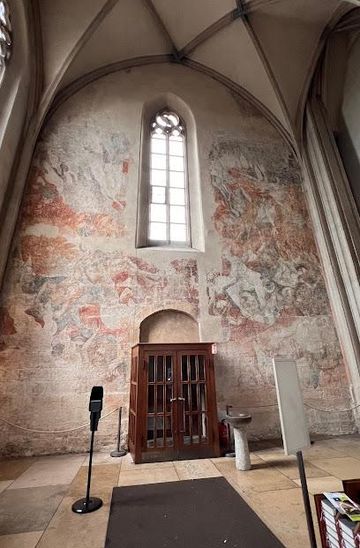
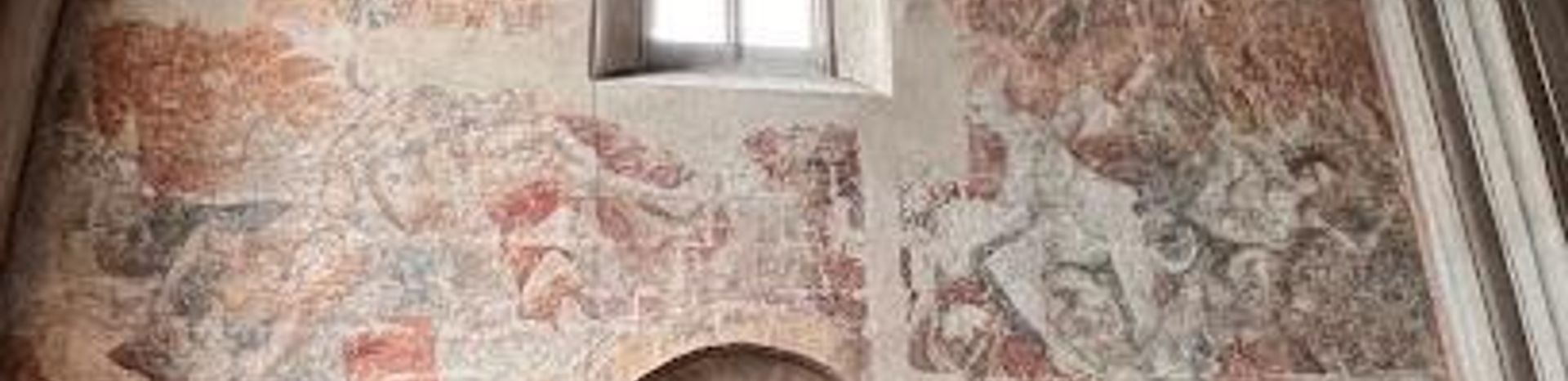
The Breisacher Münster St. Stephan, a Romanesque-Gothic church, stands proudly atop the Münsterberg, overlooking the charming town of Breisach am Rhein. Its construction, spanning from the 12th to the 15th centuries, reflects a rich history marked by both architectural grandeur and wartime resilience. Though heavily damaged in World War II, the Münster has been meticulously restored, preserving significant artworks like Martin Schongauer's "The Last Judgement" and the high altar by Master H.L. Visitors are drawn to its imposing structure, historical significance, and the panoramic views it offers of the Rhine Valley, the Black Forest, and the Vosges Mountains. Exploring the Münster provides a captivating journey through centuries of art, faith, and regional heritage, making it a must-see destination.
A brief summary to Breisacher Münster St. Stephan
- Münsterpl. 2, Breisach, 79206, DE
- Click to display
- Click to display
- Monday 9 am-6 pm
- Tuesday 9 am-6 pm
- Wednesday 9 am-6 pm
- Thursday 9 am-6 pm
- Friday 9 am-6 pm
- Saturday 9 am-6 pm
- Sunday 9 am-6 pm

Know before you go
Hi, I'm Eve. Here are a few practical things to know before exploring Breisacher Münster St. Stephan.
- Climb the towers for panoramic views of the Rhine Valley, the Black Forest, and the Vosges Mountains.
- Attend a guided tour to delve deeper into the Münster's history, art, and architecture.
- Visit during a church service to experience the Münster as a living place of worship.
- Explore the Münsterplatz, the historic square surrounding the Münster, and enjoy the views.
- Check the opening hours in advance, especially if you plan to visit on a Sunday or during a holiday.
Do you manage this location?
Take control to get all the benefits, like improved information, better appearance, and stronger visibility across AI-powered discovery. Learn more
Activate your presence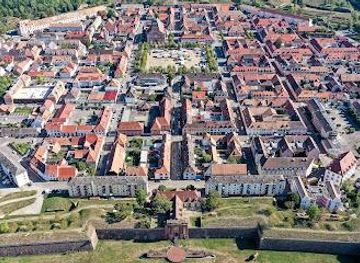

Getting There
-
Walking
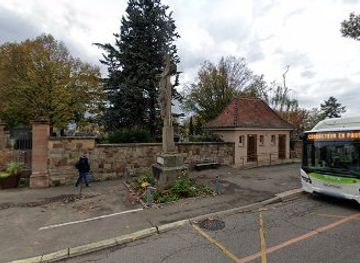
From Breisach's Marktplatz (market square), follow the signs towards Münsterberg. The walk uphill takes approximately 10-15 minutes. The path is well-paved but can be steep in sections. Alternatively, from the train station, take the Bürgerbus (citizen's bus) to the Münsterberg. The bus runs regularly, and a single fare costs €1.50.
-
Public Transport
From Breisach train station, take bus line 1 towards the city center. Get off at the 'Breisach, Marktplatz' stop. From there, follow the walking directions to Münsterberg. A single bus fare costs approximately €2.50. Alternatively, the Bürgerbus (citizen's bus) runs directly from the train station to the Münsterberg for €1.50.
-
Taxi/Ride-Share
A taxi or ride-share from Breisach train station or the town center to the Münster can cost between €8-€12, depending on traffic and the specific location. Taxis are readily available at the train station. Ride-sharing services may require a short wait.
-
Driving
If driving, follow signs to Breisach and then to Münsterberg. Limited parking is available near the Münster. Parking fees range from €1-€2 per hour, with a daily maximum of €8. Parking can be challenging during peak season, so arrive early or consider alternative transportation.
Discover more about Breisacher Münster St. Stephan
Explore the best of what Breisacher Münster St. Stephan has to offer













More about Black Forest
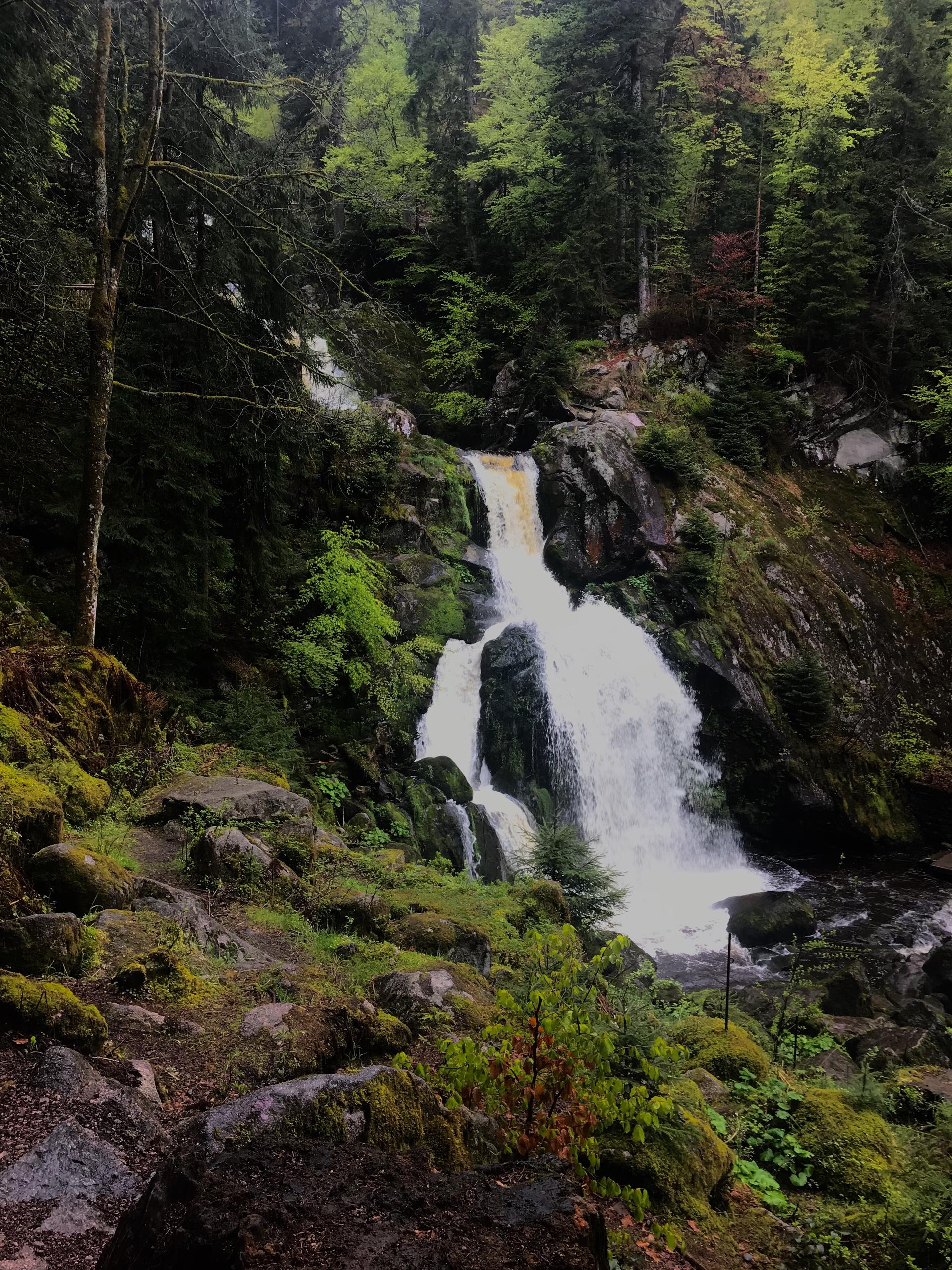
Discover the enchanting beauty of Germany's Black Forest, where dense woods, fairy-tale villages, and scenic trails await. Experience nature and culture in perfect harmony.
Tell me more about Black Forest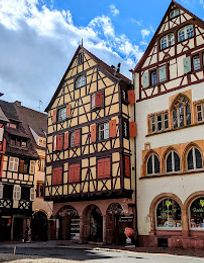
Discover the Adolph House in Colmar, a historical landmark showcasing Alsatian architecture and a legacy dating back to the 14th century.

Discover Neuf-Brisach, Vauban's star-shaped fortress in Alsace, a UNESCO World Heritage site and a masterpiece of 17th-century military architecture.