Background

Bismarck Monument: A Colossal Tribute

A colossal granite statue honoring Otto von Bismarck, offering panoramic harbor views and a glimpse into Germany's imperial past, located in Hamburg's Alter Elbpark.

3.8

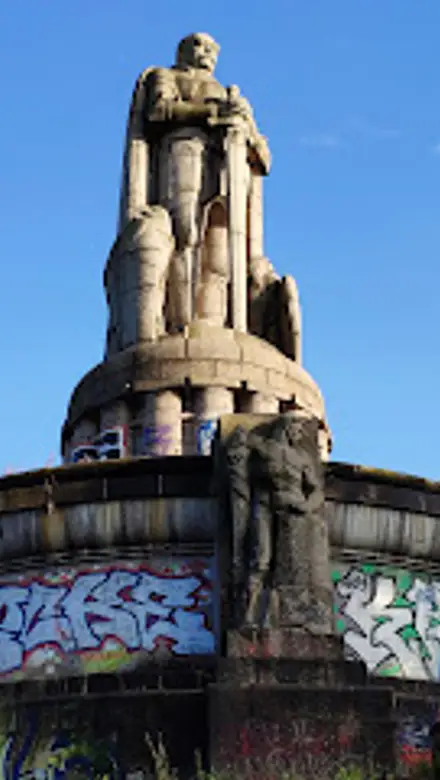
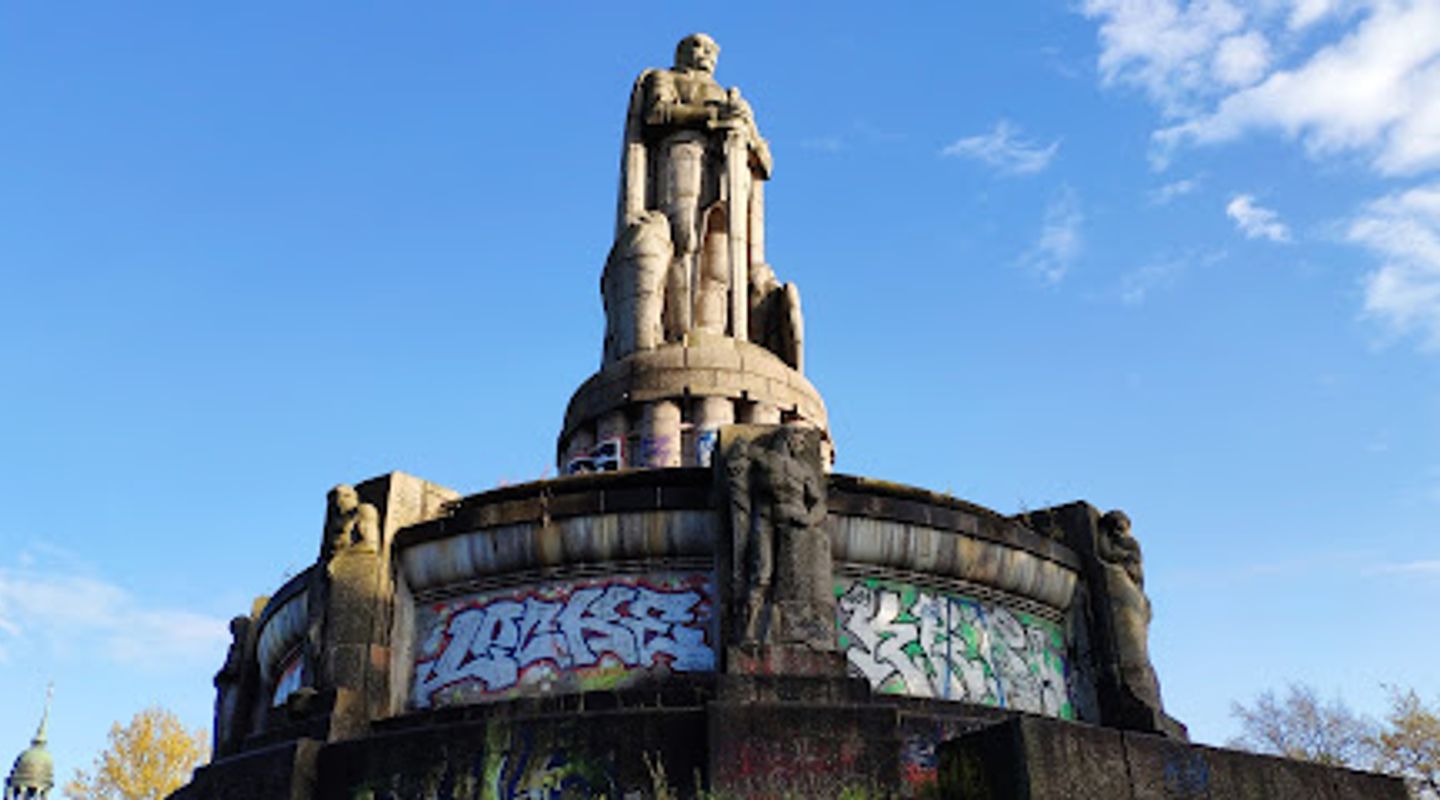
Dominating the Hamburg skyline, the Bismarck Monument is a colossal tribute to Otto von Bismarck, the first Chancellor of the German Empire. Erected between 1903 and 1906, this imposing granite statue stands 34 meters (112 feet) tall in Alter Elbpark, offering panoramic views of the harbor. More than just a statue, it's a symbol of German unification and a reminder of the complex history of the late 19th and early 20th centuries. While the monument itself is impressive, the surrounding park provides a green oasis amidst the bustling city. Visitors can easily access the monument via public transport or by foot from nearby attractions like the Landungsbrücken and Reeperbahn. Though the catacombs beneath the statue are currently inaccessible, the sheer scale and historical significance of the Bismarck Monument make it a worthwhile visit for anyone exploring Hamburg.

A brief summary to Bismarck Monument

  • Seewartenstraße 4, Hamburg, Hamburg-Mitte, 20459, DE
  • Visit website

Local tips

  • Take a stroll through Alter Elbpark for scenic views of the harbor and city skyline.
  • Combine your visit with a trip to the nearby Landungsbrücken for harbor tours and maritime experiences.
  • Explore the Reeperbahn, Hamburg's famous entertainment district, located a short walk from the monument.
widget icon

Getting There

  • Public Transport

    From Hamburg Hauptbahnhof (main train station), take the U3 U-Bahn line to Landungsbrücken station. From there, it's approximately a 15-minute walk uphill through Alter Elbpark to the Bismarck Monument. Alternatively, take the S1, S2, or S3 S-Bahn lines to Landungsbrücken. A single ticket within Hamburg AB zone costs around €3.60.

  • Walking

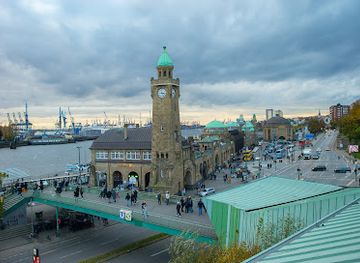
    From the Landungsbrücken, head south towards the Elbe River. Follow the signs for Alter Elbpark. The walk is uphill and takes approximately 15 minutes. The monument is clearly visible from the Landungsbrücken.

  • Taxi/Ride-Share

    A taxi or ride-share from Hamburg Hauptbahnhof to the Bismarck Monument will cost approximately €12-€18, depending on traffic. The journey takes around 10-15 minutes. Ask the driver to take you to Seewartenstraße in Alter Elbpark.

  • Driving

    Limited parking is available near the Bismarck Monument. Parking fees in the area range from €2-€3 per hour. Consider using public transport as parking can be challenging, especially during peak season. Some hotels near Bismarck Monument offer free parking.

Unlock the Best of Bismarck Monument

Buy tickets

    No tickets available

Book tours with entry

    No tours available

Book tours without entry

    No tours available

Discover more about Bismarck Monument

The Bismarck Monument in Hamburg is more than just a statue; it's a towering symbol of German history, power, and the complex legacy of Otto von Bismarck. Standing an impressive 34 meters (112 feet) tall in the Alter Elbpark, the monument dominates the skyline and offers stunning views of the Hamburg harbor. Completed in 1906, it is one of the most recognizable landmarks in the city and a testament to the nationalistic fervor of the late 19th and early 20th centuries. Otto von Bismarck, the first Chancellor of the German Empire, was a pivotal figure in German history. He is credited with unifying the German states into a single empire in 1871, a feat that had eluded previous generations. His political maneuvering and strategic alliances earned him the nickname "The Iron Chancellor." While revered by some as a national hero, Bismarck's legacy is also marked by controversy, particularly his policies towards minorities and his authoritarian style of governance. The monument itself is a colossal work of art. Designed by architect Johann Emil Schaudt and sculptor Hugo Lederer, it depicts Bismarck as a stern, imposing figure, clad in military attire and clutching a sword. The statue is made of granite and weighs over 600 tons. The base of the monument is adorned with reliefs depicting scenes from Bismarck's life and German history. Eagles, symbols of imperial Germany, are prominently featured at the statue's base, reinforcing the monument's connection to the German Empire. The location of the Bismarck Monument in Alter Elbpark is significant. The park, situated on a hill overlooking the harbor, provides a commanding vantage point. From here, Bismarck seems to survey the bustling port, a symbol of Hamburg's economic power and its connection to the wider world. The park itself offers a green space for relaxation and contemplation, a welcome respite from the urban environment. Beneath the monument lies a network of catacombs, adding an air of mystery and intrigue to the site. The original purpose of these catacombs remains unknown, though it is believed they were intended to house murals depicting scenes from German history and quotations from Bismarck. During World War II, the catacombs were used as air-raid shelters, providing refuge for hundreds of people. Unfortunately, the catacombs are currently closed to the public due to safety concerns. The Bismarck Monument has not been without its critics. Some view it as an outdated symbol of nationalism and militarism, while others question the glorification of a figure whose policies were often divisive. However, the monument remains a popular tourist attraction, drawing visitors from around the world who come to marvel at its scale and learn about its history. In recent years, there have been efforts to revitalize the Alter Elbpark and the area surrounding the Bismarck Monument. These efforts include landscaping improvements, the installation of new lighting, and the creation of a small history museum within the catacombs (when they are reopened). The goal is to make the monument and the park more accessible and engaging for visitors. Visiting the Bismarck Monument is a unique experience. The sheer size of the statue is awe-inspiring, and the views from the park are breathtaking. The monument serves as a powerful reminder of Germany's complex past and the enduring legacy of Otto von Bismarck. Whether you admire him or criticize him, Bismarck remains a significant figure in German history, and his monument in Hamburg is a must-see for anyone interested in learning more about this fascinating country. To fully appreciate the Bismarck Monument, it's helpful to understand the historical context in which it was built. The late 19th and early 20th centuries were a time of intense nationalism in Europe. Countries competed with one another for power and prestige, and national heroes were often celebrated through the construction of monuments and memorials. The Bismarck Monument in Hamburg was part of this trend, a symbol of German pride and a tribute to the man who had unified the nation. However, the monument also reflects the darker side of this era. The glorification of military strength and nationalistic fervor contributed to the outbreak of World War I, a conflict that devastated Europe and had a profound impact on the world. In the aftermath of the war, many people began to question the values that had led to such a catastrophe. The Bismarck Monument, with its emphasis on military power and national unity, became a symbol of a bygone era. Despite these criticisms, the Bismarck Monument remains an important part of Hamburg's cultural landscape. It is a reminder of the city's history and its connection to the wider world. It is also a testament to the power of art and architecture to shape our understanding of the past. As you stand before the Bismarck Monument, take a moment to reflect on the complex legacy of Otto von Bismarck and the turbulent history of Germany. Consider the forces that shaped the monument's creation and the ways in which it has been interpreted over time. Whether you view it as a symbol of national pride or a reminder of past mistakes, the Bismarck Monument is sure to leave a lasting impression. The monument is surrounded by other attractions. The Reeperbahn nightlife district, Landungsbrücken docks, and the Heiligengeistfeld event area are located in immediate proximity of the statue. The U-434 submarine is also nearby, as is the ruin of St. Nicholas Church. The Bismarck Monument is not just a relic of the past; it is a living monument that continues to spark debate and inspire reflection. It is a reminder that history is never simple and that even the most celebrated figures are often complex and contradictory. By engaging with the monument and its history, we can gain a deeper understanding of ourselves and the world around us. Today, the Bismarck Monument stands as a powerful reminder of Germany's past, a testament to the enduring legacy of Otto von Bismarck, and a symbol of Hamburg's unique identity. Whether you are a history buff, an architecture enthusiast, or simply a curious traveler, a visit to the Bismarck Monument is an experience you will not soon forget.

Popular Experiences near Bismarck Monument

Popular Hotels near Bismarck Monument

Select Currency