

Madonna seafaring, Hamburg Travel Guide
A poignant bronze sculpture near Hamburg's Fischmarkt, the Madonna of the Seafarers serves as a moving memorial to those lost at sea, offering solace and reflection amidst the bustling harbor.
The Madonna of the Seafarers, a poignant bronze sculpture, stands as a memorial to those lost at sea. Located near the bustling St. Pauli Fischmarkt in Hamburg, this moving monument offers a place for reflection amidst the vibrant harbor activity. Sculpted by Gerhard Marcks, the statue depicts a grieving mother holding her child, gazing out towards the Elbe River. Its somber beauty and maritime setting create a powerful atmosphere, drawing visitors to contemplate the perils faced by seafarers and the enduring strength of those left behind. The Madonna serves as a reminder of Hamburg's rich maritime history and the human cost of seafaring, making it a significant cultural landmark and a place of solace for locals and tourists alike. The statue's location provides stunning views of the harbor, further enhancing its contemplative atmosphere.
A brief summary to Madonna seafaring
- St. Pauli Fischmarkt, Hamburg, Altona, 20359, DE
- Click to display

Know before you go
Hi, I'm Eve. Here are a few practical things to know before exploring Madonna seafaring.
- Visit early in the morning to avoid crowds and experience a more peaceful atmosphere for reflection.
- Combine your visit with a trip to the nearby St. Pauli Fischmarkt for a taste of local culture and fresh seafood.
- Take a moment to read the inscriptions at the base of the statue to learn more about its history and significance.
Do you manage this location?
Take control to get all the benefits, like improved information, better appearance, and stronger visibility across AI-powered discovery. Learn more about listing your business on Evendo
Activate your presenceOther nearby places you may find interesting
The closest places of the same kind, if this one is not quite what you had in mind.
Explore Madonna seafaring on the Map
A handpicked selection of must-see spots near Madonna seafaring, mapped for you.
Unlock the Best of Madonna seafaring
Buy tickets
-
No tickets available
Book tours with entry

Book tours without entry
-
No tours available
Getting There
-
Walking
From the St. Pauli Fischmarkt, the Madonna is a short walk heading west along the waterfront. Follow the path along the Elbe River, keeping the water to your right. You'll see the statue a few steps away from the main path, offering views of the harbor. The walk is generally flat and easily accessible.
-
Public Transport
If arriving by public transport, take the U3 to the Landungsbrücken station. From there, walk west along the harbor towards the Fischmarkt (about 10-15 minutes). Continue past the Fischmarkt following the waterfront path, and you'll find the Madonna a short distance further. A single ride on the U3 costs approximately €2.50-€3.50.
-
Taxi/Ride-Share
A taxi or ride-share from central Hamburg to the St. Pauli Fischmarkt area will cost approximately €15-€25, depending on traffic. Ask the driver to drop you off near the Fischmarkt, and then walk west along the waterfront path to find the Madonna. Be aware that traffic can be heavy on weekend mornings due to the Fischmarkt.
Discover more about Madonna seafaring













Your all‑in‑one travel companion app
Explore expert travel guides, compare and book tours, experiences, hotels, and more—all from the palm of your hand. Download now for seamless trip planning wherever your wanderlust takes you.


Explore More of Hamburg
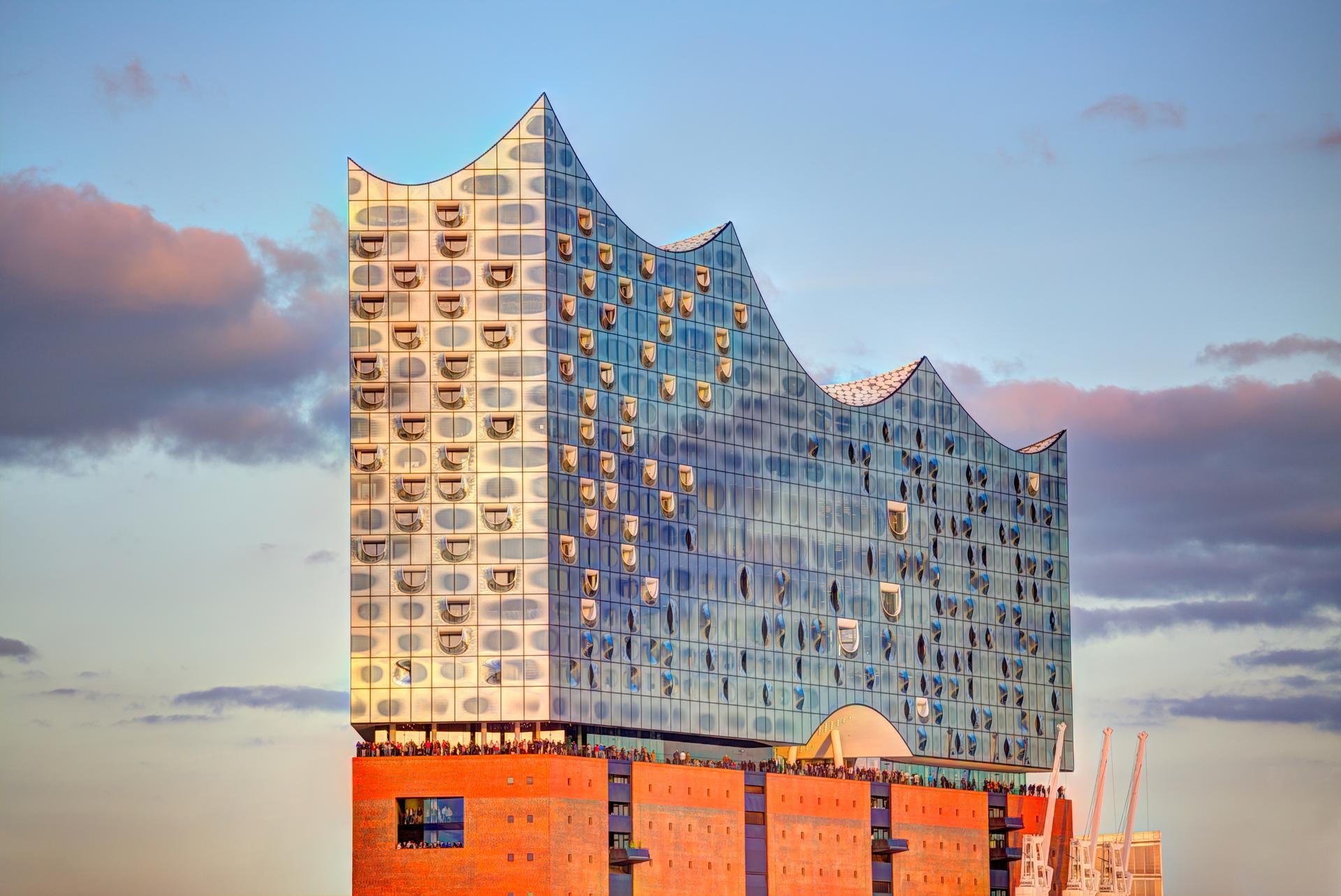
Looking beyond Madonna seafaring? Discover Hamburg for broader travel guides, local hot-spots, and regional highlights.
Explore Hamburg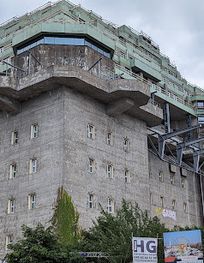
Explore Hamburg's history and innovation at the Feldstraße Bunker, a transformed WWII landmark featuring a rooftop garden, cultural venues, and creative spaces in the heart of St. Pauli.
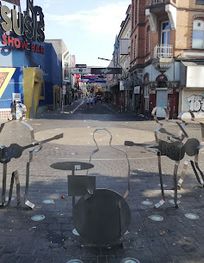
Commemorating the Beatles' Hamburg roots with life-sized statues on a vinyl-record-shaped plaza in the heart of St. Pauli, a vibrant tribute to their formative years and enduring musical legacy.
