
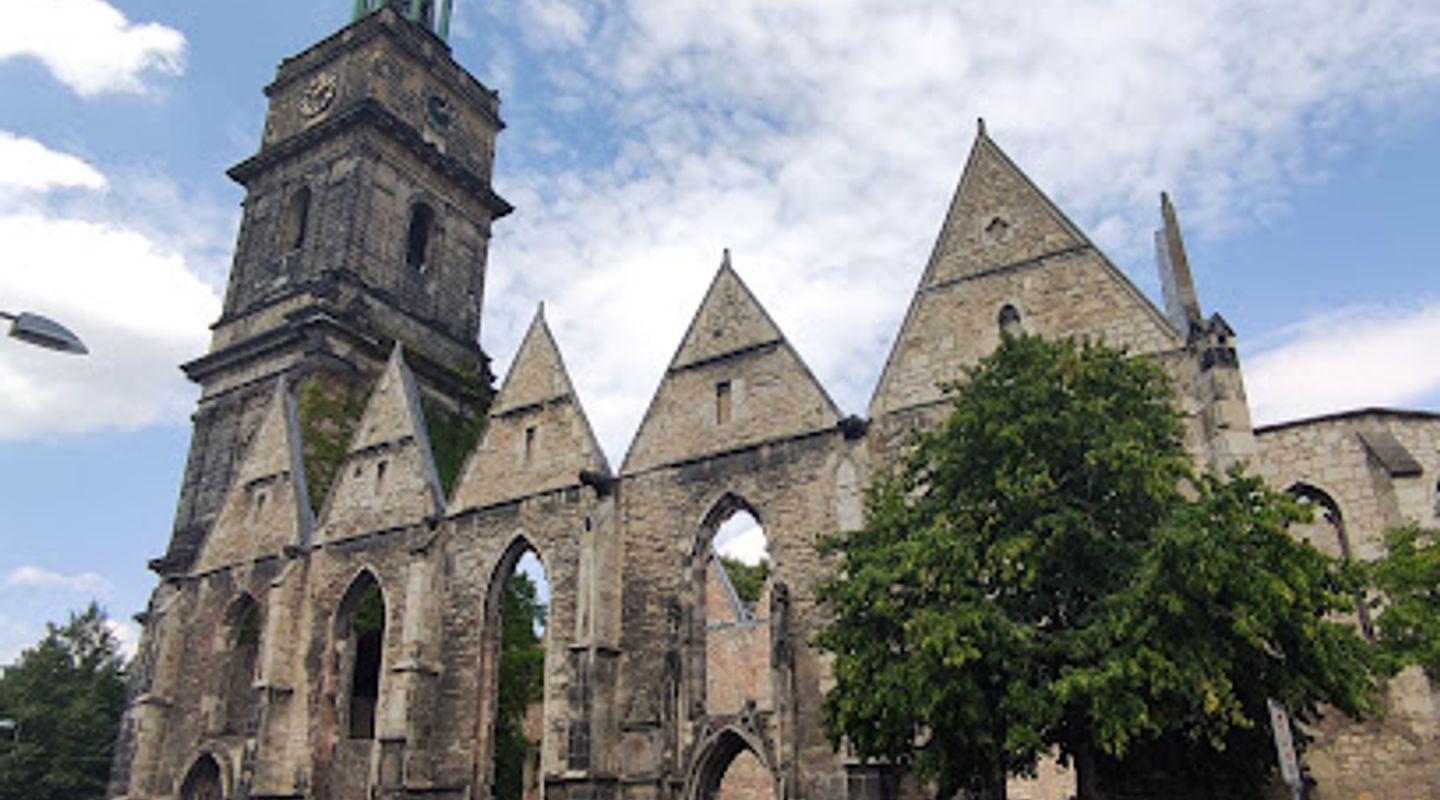
Aegidienkirche, Hannover Travel Guide
Discover Hanover's Aegidienkirche: A poignant war memorial, preserved as ruins, symbolizing peace and resilience, featuring a Hiroshima peace bell and Gothic architecture.
The Aegidienkirche, a partially ruined 14th-century church in Hanover, stands as a poignant war memorial. Bombed during World War II, its remains were intentionally preserved as a reminder of the horrors of war and a symbol of peace and reconciliation. Visitors can explore the haunting ruins, including the skeletal tower and remnants of Gothic architecture, and reflect on the church's history and significance. The site features a peace bell donated by Hiroshima, a sculpture symbolizing humility, and epitaphs that survived the bombings. Open daily, the Aegidienkirche offers a tranquil space for contemplation amidst the bustling city, inviting reflection on the past and a commitment to peace. It's a must-see for those seeking a deeper understanding of Hanover's history and its dedication to global harmony.
A brief summary to Aegidienkirche
- Aegidienkirchhof 1, Hanover, Hanover-Mitte, 30159, DE
- Click to display
- Monday 10 am-6 pm
- Tuesday 10 am-6 pm
- Wednesday 10 am-6 pm
- Thursday 10 am-6 pm
- Friday 10 am-6 pm
- Saturday 10 am-6 pm
- Sunday 10 am-6 pm

Know before you go
Hi, I'm Eve. Here are a few practical things to know before exploring Aegidienkirche.
- Visit early in the morning or late afternoon for a quieter experience and beautiful lighting for photographs.
- Take time to explore the surrounding gardens for a serene atmosphere ideal for contemplation.
- Check the schedule for any special cultural events or concerts hosted at the church throughout the year.
- Don't miss the opportunity to see the Peace Bell, a gift from Hiroshima, symbolizing the bond between the two cities and a commitment to peace.
Do you manage this location?
Take control to get all the benefits, like improved information, better appearance, and stronger visibility across AI-powered discovery. Learn more about listing your business on Evendo
Activate your presenceOther nearby places you may find interesting
The closest places of the same kind, if this one is not quite what you had in mind.
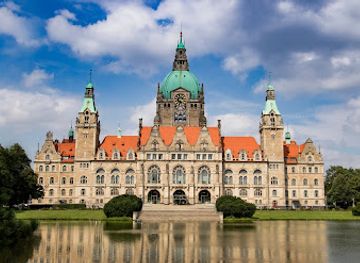

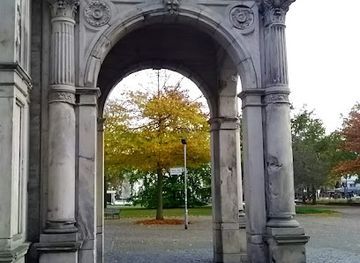
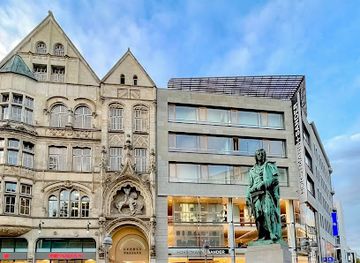
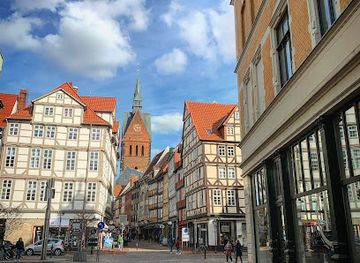
Explore Aegidienkirche on the Map
A handpicked selection of must-see spots near Aegidienkirche, mapped for you.
Unlock the Best of Aegidienkirche
Buy tickets
-
No tickets available
Book tours with entry


Getting There
-
Public Transport
For those arriving at Hannover Hauptbahnhof (main train station), take the U-Bahn (subway) Line 1 or 2 towards 'Sarstedt' or 'Gottfried-Wilhelm-Lehmann-Straße' respectively. After a short 2-stop ride, disembark at 'Markthalle/Landtag'. From there, walk towards the Marktkirche, a prominent landmark. Continue past the Marktkirche for approximately 5 minutes, and you'll find Aegidienkirche on your right at Aegidienkirchhof 1. A single U-Bahn ticket costs approximately €2.70.
-
Walking
If you are already in Hanover's city center, orient yourself towards the Marktkirche, a recognizable landmark. From the Marktkirche, proceed along Kurt-Schumacher-Straße until you reach the intersection with Aegidienkirchhof. Turn right onto Aegidienkirchhof, and you will find Aegidienkirche at number 1. The walk is approximately 10 minutes.
-
Bus
From various points in the city center, you can utilize Bus Line 100 or 200 from the Georgstraße stop. Ride for 3 stops and get off at Aegidienkirchhof. After disembarking, walk a short distance towards the square, and Aegidienkirche will be directly in front of you. A single bus ticket costs approximately €2.70.
Discover more about Aegidienkirche













Your all‑in‑one travel companion app
Explore expert travel guides, compare and book tours, experiences, hotels, and more—all from the palm of your hand. Download now for seamless trip planning wherever your wanderlust takes you.


Explore More of Hannover
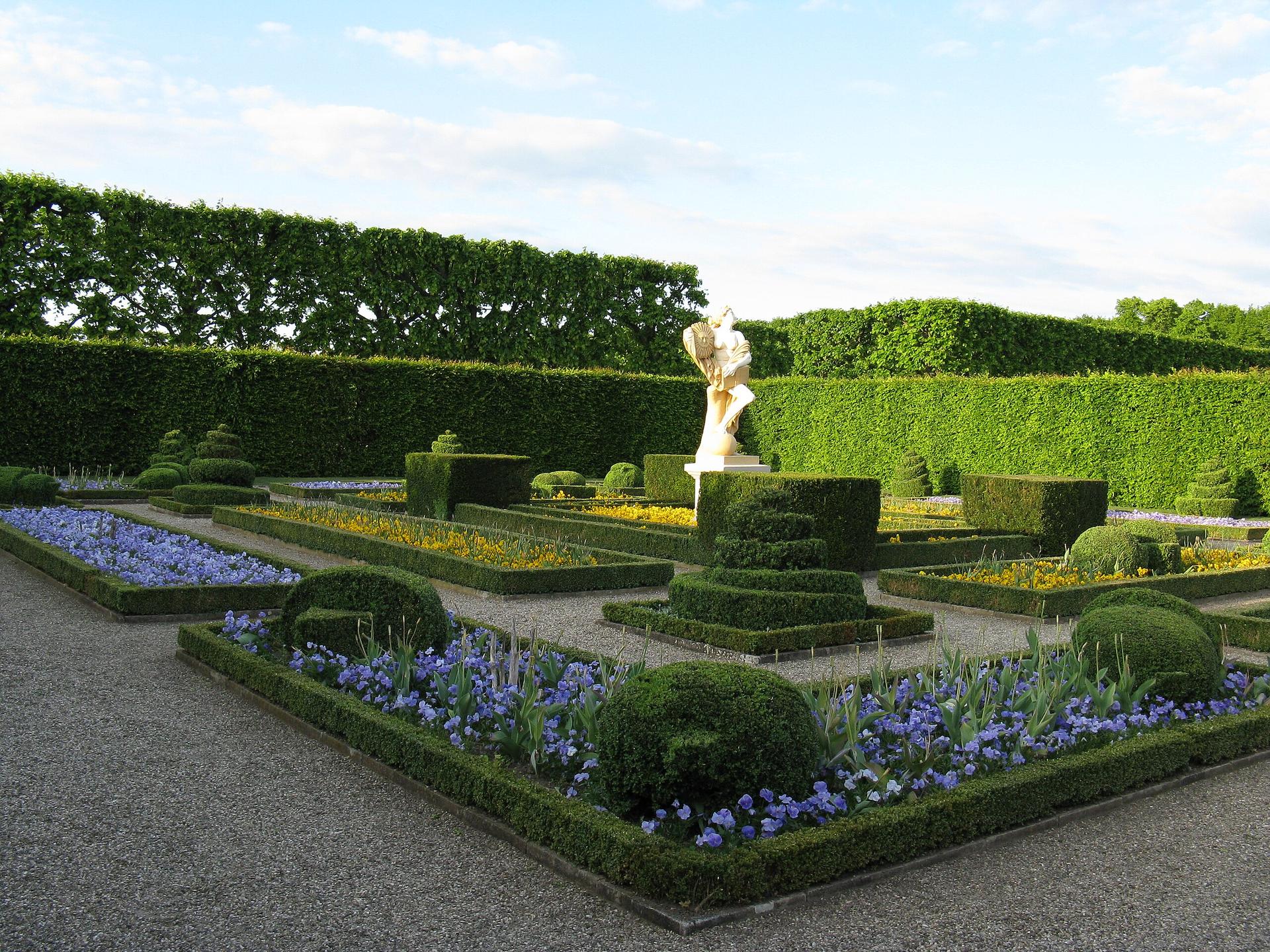
Looking beyond Aegidienkirche? Discover Hannover for broader travel guides, local hot-spots, and regional highlights.
Explore Hannover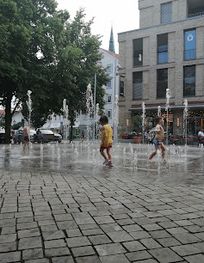
Experience the refreshing charm of Marstall-Brunnen in Hannover, a modern water oasis offering playful jets, vibrant colors, and a central gathering place for all.
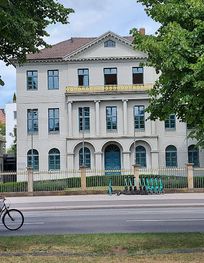
Explore Laveshaus, an architectural masterpiece in Hanover, where history and beauty meet in stunning harmony.
