Canossa Pillar, Harz National Park Travel Guide
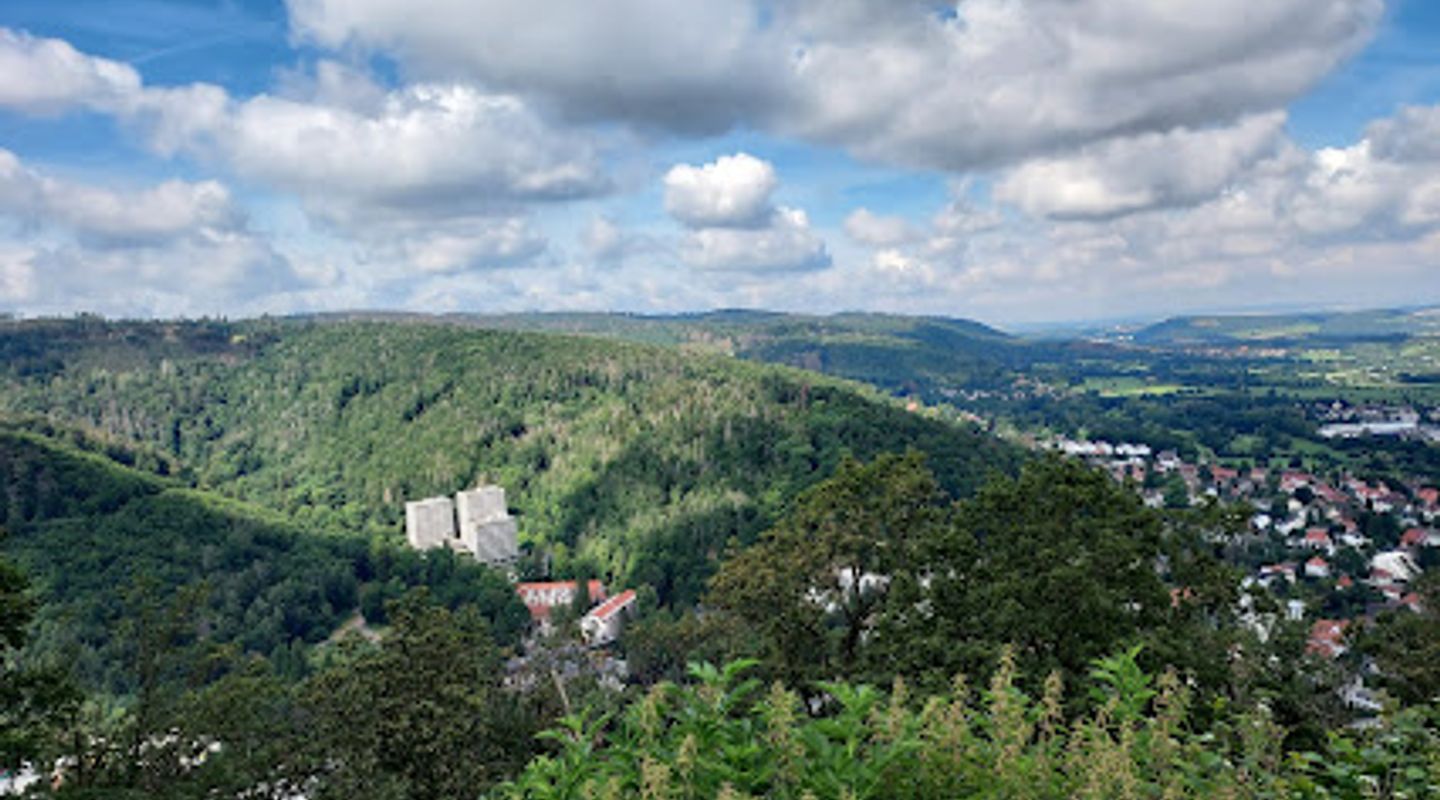
A historic monument atop Burgberg in Bad Harzburg, commemorating German history and offering panoramic views of the Harz region, inviting reflection on power and identity.
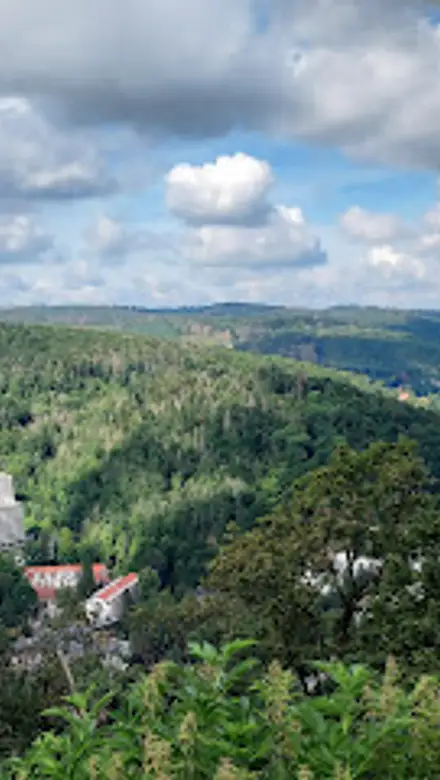
The Canossa Pillar, perched atop the Burgberg in Bad Harzburg, is a striking monument with a complex history. Erected in 1877, it commemorates two significant events: Emperor Henry IV's arduous Walk to Canossa in 1077 to seek absolution from Pope Gregory VII, and Chancellor Otto von Bismarck's defiant stance against the Catholic Church during the Kulturkampf, encapsulated in his famous phrase, "We will not go to Canossa!" The pillar offers panoramic views of the Harz region and serves as a reminder of the shifting tides of power, religious conflict, and German national identity. Visitors can reach the pillar via scenic hiking trails or the Burgberg Cable Car, making it an accessible and historically rich destination. The site provides a unique blend of natural beauty and historical reflection, inviting contemplation on the enduring themes of authority, repentance, and resistance.
A brief summary to Canossa Pillar
- Burgberg, Bad Harzburg, 38655, DE

Know before you go
Hi, I'm Eve. Here are a few practical things to know before exploring Canossa Pillar.
- Take the Burgberg Cable Car for a quick and scenic ascent to the Canossa Pillar, especially if you prefer not to hike.
- Combine your visit with a hike to the Rabenklippe and Lynx Enclosure for a full day of exploring the Harz Mountains.
- Check the weather forecast before your visit, as the views from the Burgberg are best enjoyed on a clear day.
Do you manage this location?
Take control to get all the benefits, like improved information, better appearance, and stronger visibility across AI-powered discovery. Learn more about listing your business on Evendo
Activate your presenceOther nearby places you may find interesting
The closest places of the same kind, if this one is not quite what you had in mind.


Explore Canossa Pillar on the Map
A handpicked selection of must-see spots near Canossa Pillar, mapped for you.
Getting There
-
Walking
From the Bad Harzburg town center, follow the signs towards the Burgberg Cable Car (Burgberg-Seilbahn). The path to the Canossa Pillar is well-marked from the cable car's upper station. Alternatively, several hiking trails lead directly to the Burgberg summit from various points in Bad Harzburg. The trails are steep in places, so wear appropriate footwear.
-
Public Transport
Take bus lines 871 or 873 to the 'Burgbergbahn' stop, which is near the Burgberg Cable Car station. From there, either take the cable car to the top or hike up one of the trails. A single bus fare within Bad Harzburg is approximately €2.50.
-
Driving
Drive towards the Burgberg-Seilbahn (cable car) on Nordhäuser Straße. There is a parking lot available near the cable car station. Parking fees range from €0.50 per 30 minutes, with a maximum of €6-10 for a day. From the parking lot, you can either take the cable car or hike to the Canossa Pillar.
-
Cable Car
The Burgberg Cable Car (Burgberg-Seilbahn) provides direct access to the Burgberg summit, a short walk from the Canossa Pillar. A round-trip ticket costs approximately €9 for adults.
Discover more about Canossa Pillar













Your all‑in‑one travel companion app
Explore expert travel guides, compare and book tours, experiences, hotels, and more—all from the palm of your hand. Download now for seamless trip planning wherever your wanderlust takes you.


Explore More of Harz National Park
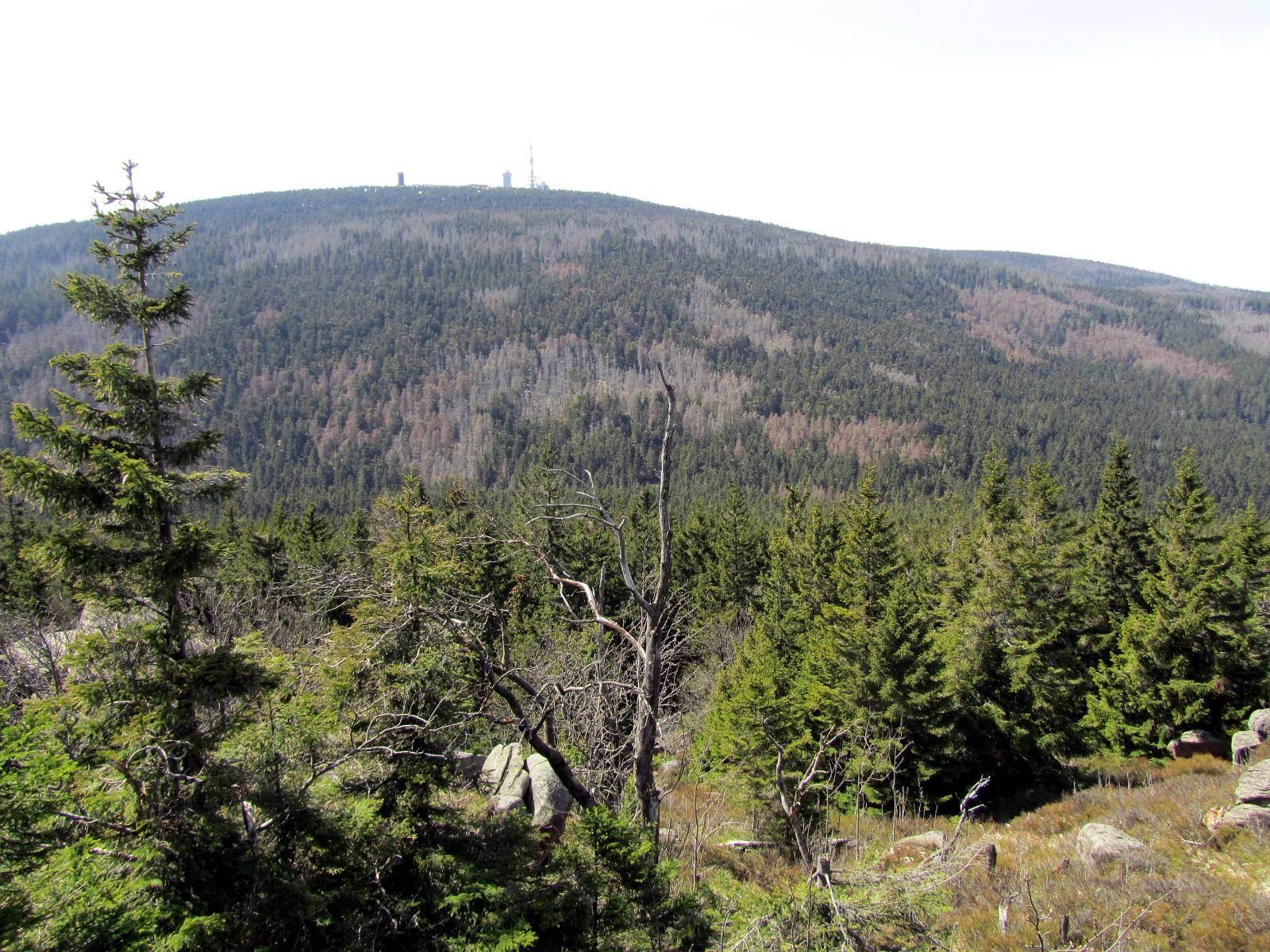
Looking beyond Canossa Pillar? Discover Harz National Park for broader travel guides, local hot-spots, and regional highlights.
Explore Harz National Park
Discover panoramic views and geological wonders at the Feigenbaumklippe in Bad Harzburg, a captivating granite rock formation in the heart of the Harz Mountains.

Experience the Harz National Park from a unique perspective on this accessible treetop path, offering stunning views, educational exhibits, and a thrilling walk among the treetops in Bad Harzburg.