Drei-Länder-Stein, Harz National Park Travel Guide
Discover the historic tripoint of the Drei-Länder-Stein in the Harz Mountains, where three German states converge amidst stunning natural beauty and Cold War history.
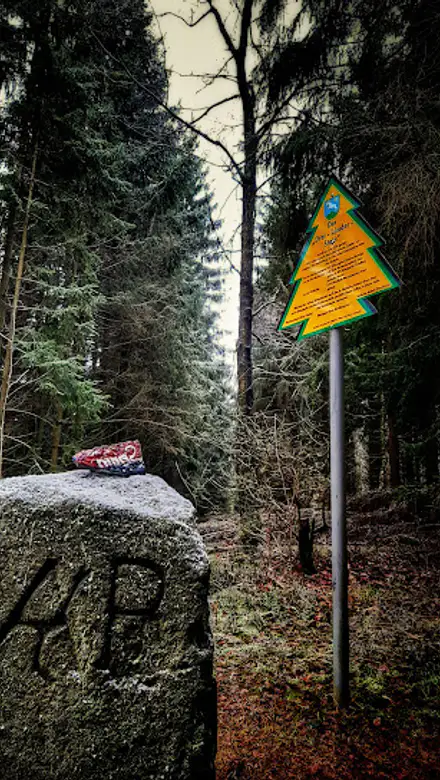
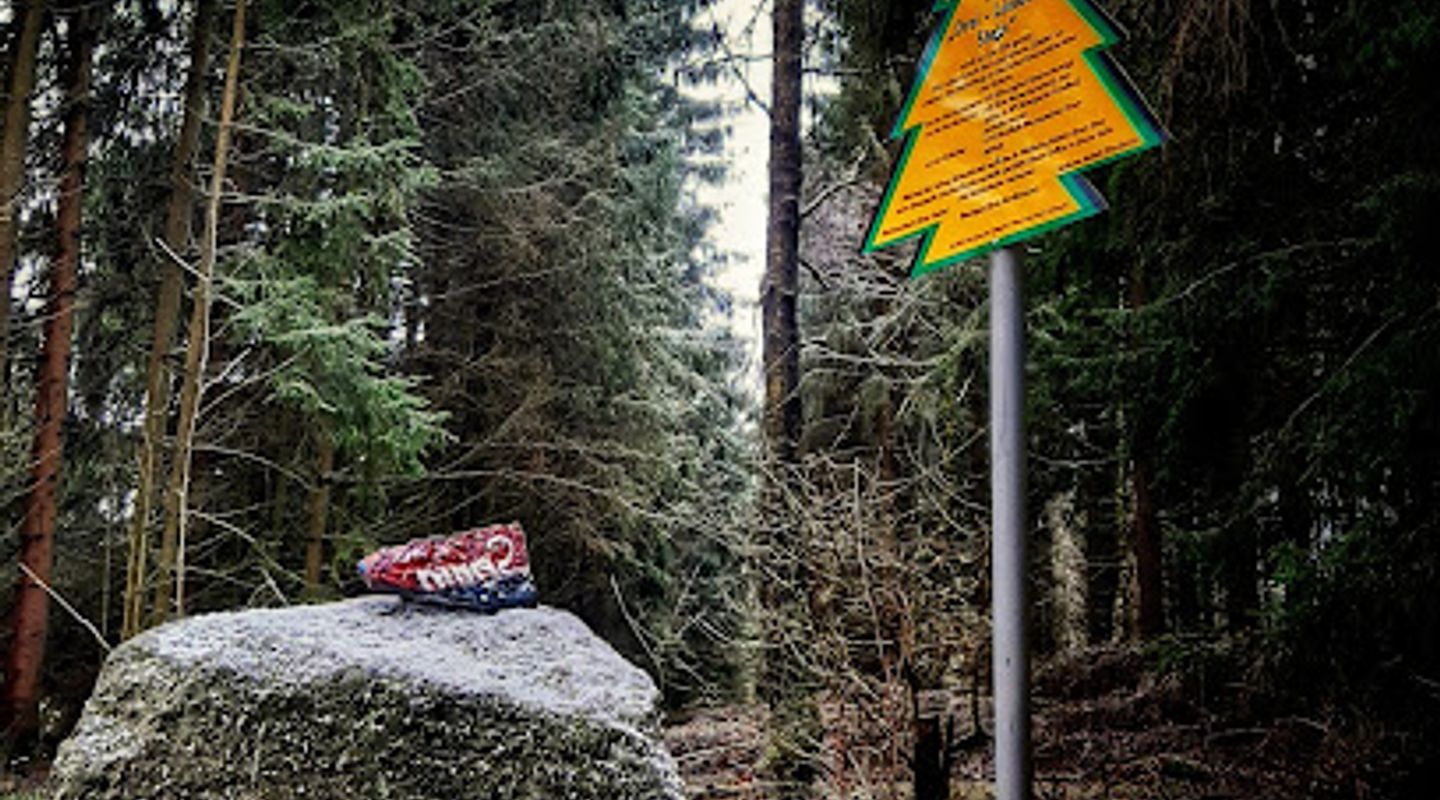
The Drei-Länder-Stein, a historical boundary stone, marks the meeting point of three German states: Lower Saxony, Saxony-Anhalt, and Thuringia. Erected around 1749, it has witnessed centuries of shifting borders and political landscapes. Once a significant point along the Inner German Border during the Cold War, it now stands as a symbol of German unity within the scenic Harz region. Surrounded by hiking trails and lush forests, the Drei-Länder-Stein offers a unique blend of historical reflection and natural beauty. Visitors can explore the area's rich past while enjoying the tranquility of the Harz National Park, making it a worthwhile destination for history buffs and nature enthusiasts alike. The stone itself bears inscriptions reflecting its layered past, offering a tangible connection to the region's complex history. A visit here provides a moment to contemplate Germany's journey and appreciate the beauty of its present unity.
A brief summary to Drei-Länder-Stein
- Unnamed Road,38877, Benneckenstein, 38877, DE
- Click to display

Know before you go
Hi, I'm Eve. Here are a few practical things to know before exploring Drei-Länder-Stein.
- Wear sturdy shoes, as the trails leading to the Drei-Länder-Stein can be uneven and rocky.
- Bring a Harzer Wandernadel stamp booklet to collect a stamp at the nearby Herrmann-Kerl-Hütte.
- Combine your visit with a hike along the Harz Border Way to explore more of the former Inner German Border.
- Visit the Drei-Länder-Stein during the off-season for a more peaceful and solitary experience.
- Check the weather forecast before your visit, as conditions in the Harz Mountains can change rapidly.
Do you manage this location?
Take control to get all the benefits, like improved information, better appearance, and stronger visibility across AI-powered discovery. Learn more about listing your business on Evendo
Activate your presenceOther nearby places you may find interesting
The closest places of the same kind, if this one is not quite what you had in mind.


Explore Drei-Länder-Stein on the Map
A handpicked selection of must-see spots near Drei-Länder-Stein, mapped for you.
Getting There
-
Driving
If arriving by car, navigate to the Jägerfleck parking area on Bundesstraße 4 (B4), located less than 100 meters southwest of the Drei-Länder-Stein. Parking is generally free. From the parking area, follow the signs for a short walk to the stone.
-
Public Transport
While direct public transport to the Drei-Länder-Stein is limited, you can take a bus to nearby towns like Benneckenstein. From Benneckenstein, the Drei-Länder-Stein is approximately a 3.3km hike. Bus line 563 connects Benneckenstein with Hasselfelde. Check local transport schedules for the most up-to-date information. From Benneckenstein, follow hiking trails towards Großer Ehrenberg; the Drei-Länder-Stein is well-signposted. No costs are associated beyond the initial bus fare to the town.
-
Walking
From Benneckenstein, follow the well-marked hiking trails in the direction of Großer Ehrenberg. The Drei-Länder-Stein is approximately a 3.3km hike from Benneckenstein. The trails are generally well-maintained, but sturdy footwear is recommended. The hike should take approximately 1-1.5 hours. There are no costs associated with walking to the Drei-Länder-Stein.
Discover more about Drei-Länder-Stein













Your all‑in‑one travel companion app
Explore expert travel guides, compare and book tours, experiences, hotels, and more—all from the palm of your hand. Download now for seamless trip planning wherever your wanderlust takes you.


Explore More of Harz National Park
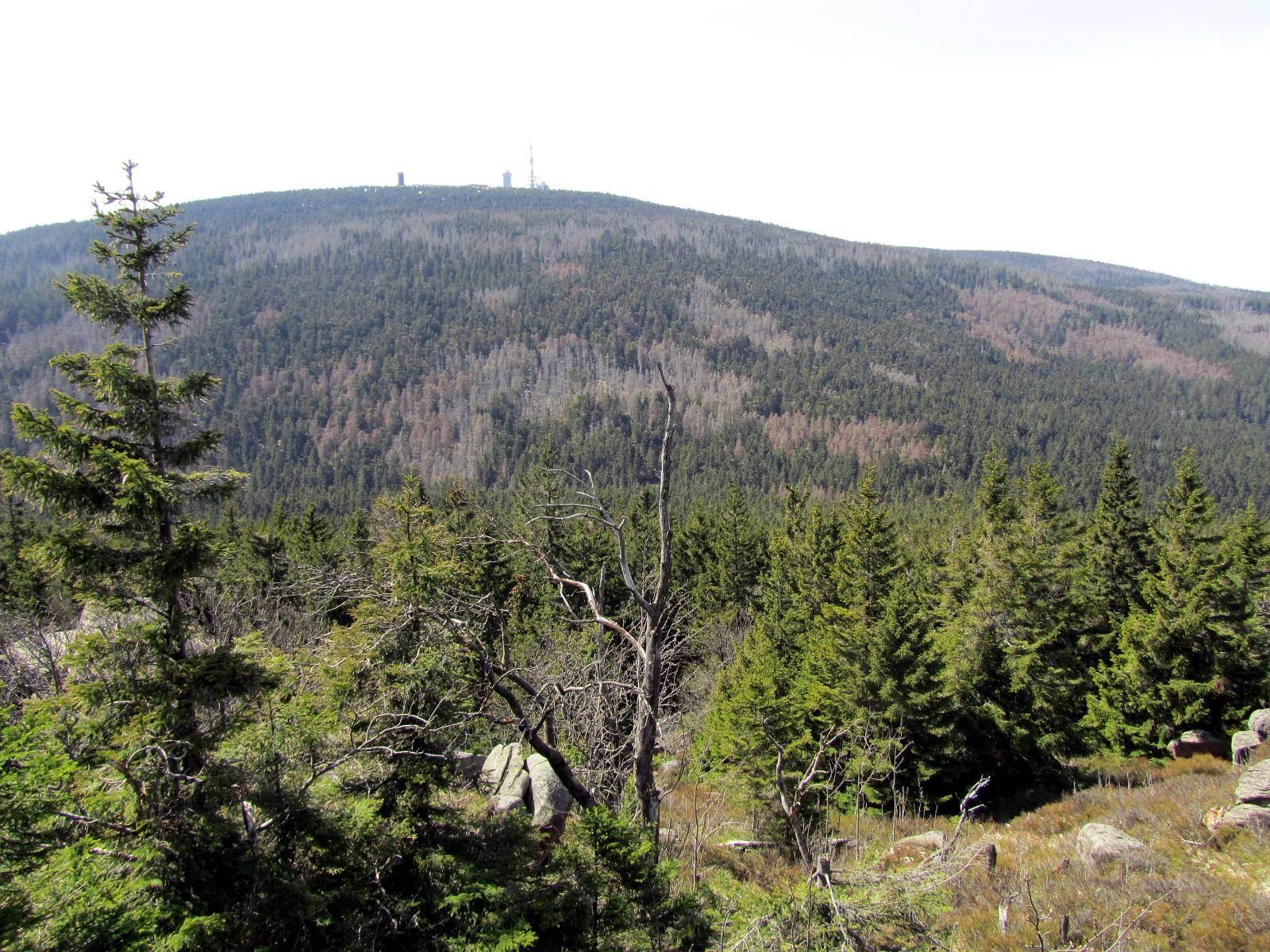
Looking beyond Drei-Länder-Stein? Discover Harz National Park for broader travel guides, local hot-spots, and regional highlights.
Explore Harz National Park
Explore the breathtaking landscapes, rich biodiversity, and outdoor adventures at Nationalparkhaus Schierke in the heart of Harz National Park.
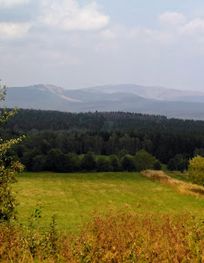
Discover the serene beauty of the Harzer Bachtäler: a haven of pristine streams, vibrant meadows, and ancient forests in the heart of the Harz Mountains, perfect for hiking and nature exploration.