

Staufenmauer, Hesse Travel Guide
Discover the Staufenmauer in Frankfurt: a captivating journey into the city's medieval past, revealing the stories etched in the stones of this ancient fortification within the heart of the Altstadt.
The Staufenmauer, a remnant of Frankfurt's original city fortifications dating back to 1180, offers a glimpse into the city's medieval past. Built during the reign of the Staufer dynasty, this wall once protected Frankfurt's Old Town. Today, only small sections remain, including a notable stretch on Fahrgasse. While not an imposing structure, the Staufenmauer serves as a tangible link to Frankfurt's history, a reminder of the city's growth from a small settlement to a major European center. Its proximity to other historical sites in the Altstadt makes it a worthwhile stop for history enthusiasts exploring Frankfurt's rich heritage. The wall's reconstruction after fires and wartime damage speaks to the city's commitment to preserving its historical identity. A visit provides a moment of reflection on the lives and events that shaped Frankfurt.
A brief summary to Staufenmauer
- Fahrgasse 92, Frankfurt, Innenstadt I, 60311, DE

Know before you go
Hi, I'm Eve. Here are a few practical things to know before exploring Staufenmauer.
- Combine your visit with a walk through the Altstadt to see other historical sites like the Römerberg and Frankfurt Cathedral.
- Look for the historical marker near the wall for more information about its history and significance.
- Explore Fahrgasse for local shops and cafes, offering a taste of modern Frankfurt life alongside the historical landmark.
Do you manage this location?
Take control to get all the benefits, like improved information, better appearance, and stronger visibility across AI-powered discovery. Learn more about listing your business on Evendo
Activate your presenceOther nearby places you may find interesting
The closest places of the same kind, if this one is not quite what you had in mind.


Explore Staufenmauer on the Map
A handpicked selection of must-see spots near Staufenmauer, mapped for you.
Unlock the Best of Staufenmauer
Buy tickets
-
No tickets available
Book tours with entry


Book tours without entry
-
No tours available
Getting There
-
Public Transport
From Konstablerwache, a major transportation hub, take any of the U-Bahn lines (U3 or U7) or tram lines that stop at the 'Fahrgasse' station. From the station, walk a short distance north along Fahrgasse. The Staufenmauer will be on your left. A single ride ticket within Frankfurt costs approximately €2.75.
-
Walking
From the Römerberg, walk east towards the Dom (Frankfurt Cathedral). Continue north along the Domplatz, then turn right onto Fahrgasse. Walk along Fahrgasse for a few minutes; the Staufenmauer will be on your left. The walk is approximately 5-10 minutes.
-
Taxi/Ride-Share
A taxi or ride-share from Frankfurt Hauptbahnhof (Central Station) to Fahrgasse 92 will take approximately 10-15 minutes, depending on traffic. The estimated cost is between €12-€18.
Discover more about Staufenmauer













Your all‑in‑one travel companion app
Explore expert travel guides, compare and book tours, experiences, hotels, and more—all from the palm of your hand. Download now for seamless trip planning wherever your wanderlust takes you.


Explore More of Hesse
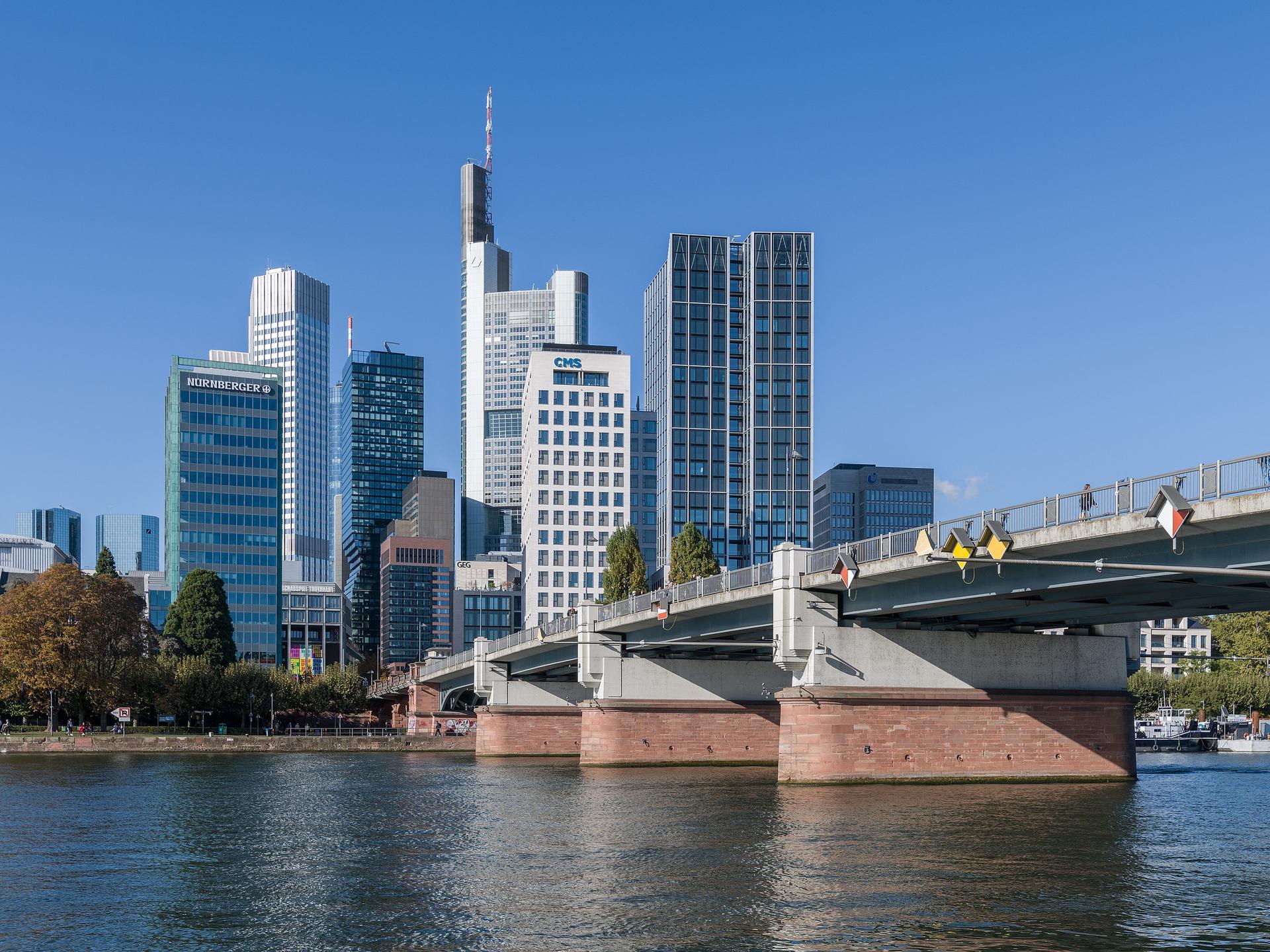
Looking beyond Staufenmauer? Discover Hesse for broader travel guides, local hot-spots, and regional highlights.
Explore Hesse
Discover Frankfurt's captivating Alte Nikolaikirche on Römerberg: a blend of Gothic architecture, rich history, and vibrant community at the heart of the city's Old Town.
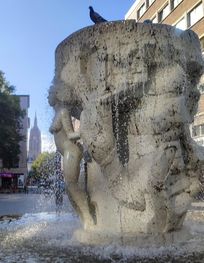
A thought-provoking marble sculpture on Frankfurt's Zeil, the Brockhaus Fountain blends artistry and social commentary, sparking dialogue amidst the city's bustling heart.
