Deutsches Eck, Koblenz Travel Guide
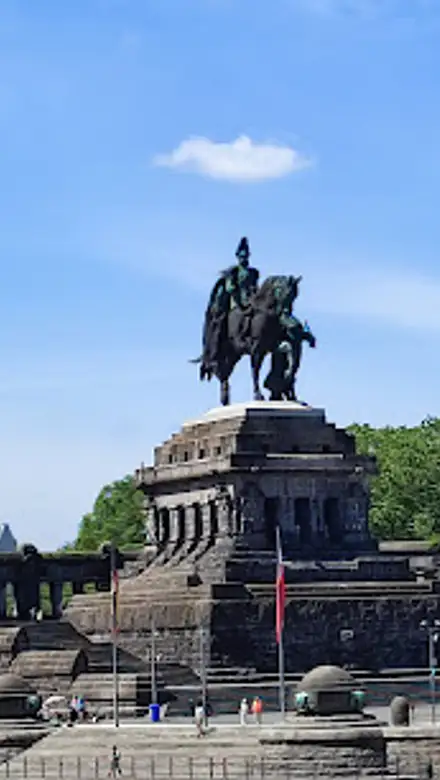
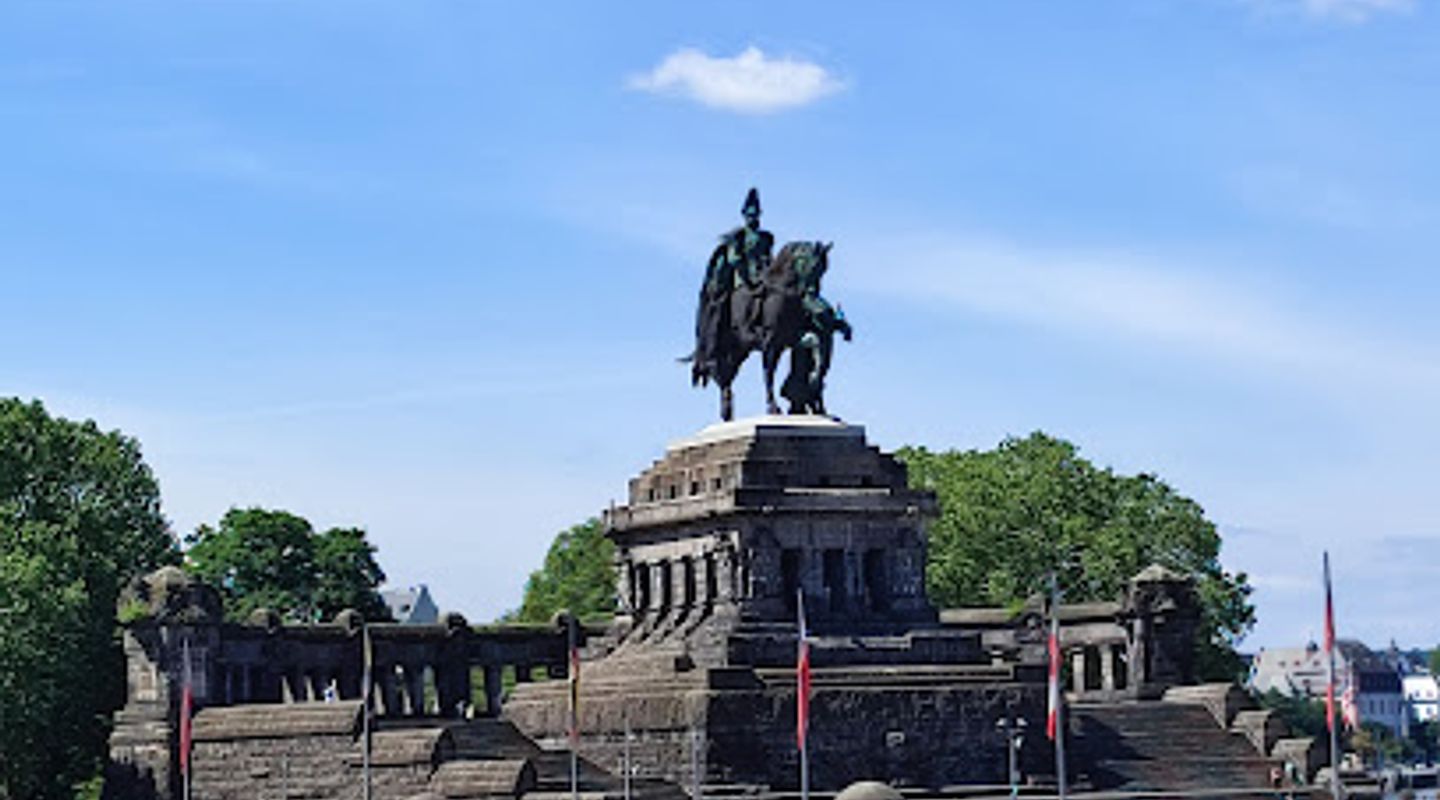
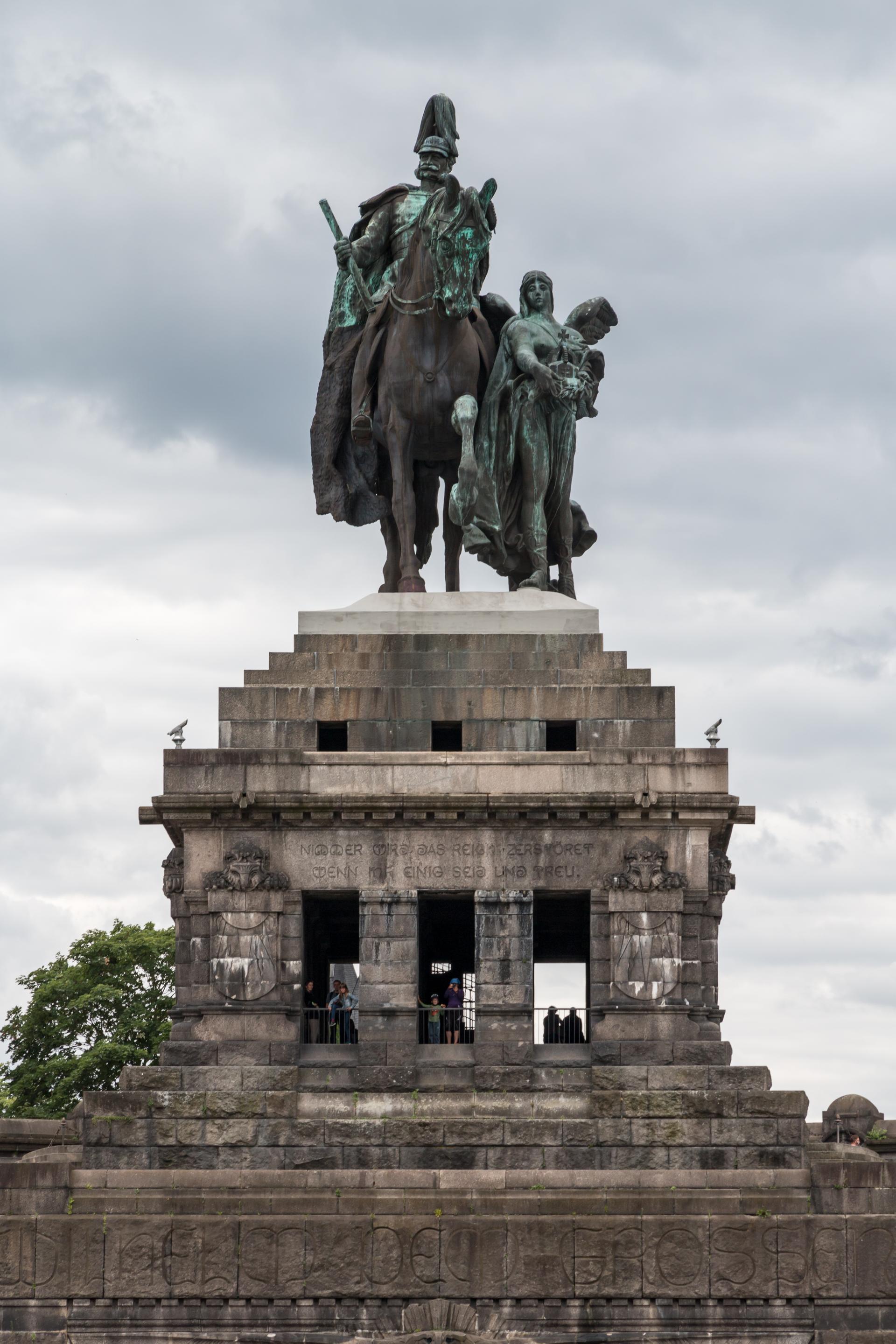
Witness the confluence of the Rhine and Moselle at Deutsches Eck in Koblenz, a historic landmark crowned by the iconic Kaiser Wilhelm I monument, symbolizing German unity.
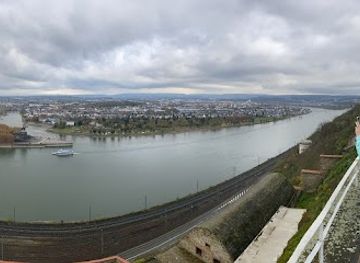
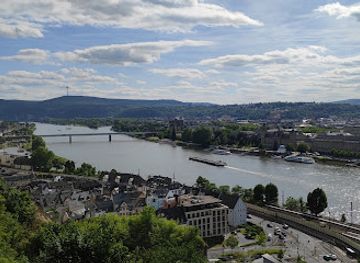
The Deutsches Eck (German Corner) in Koblenz marks the confluence of the Rhine and Moselle rivers, offering a dramatic and historically significant landmark. Dominated by a monumental equestrian statue of Emperor Wilhelm I, this promontory symbolizes German unity. Originally the site of a Teutonic Order settlement in the 13th century, the area transformed into a powerful national symbol in the late 19th century with the erection of the Kaiser Wilhelm monument. Destroyed in World War II and later rebuilt, the Deutsches Eck continues to draw millions of visitors annually, offering stunning views, historical insights, and a vibrant atmosphere with nearby cafes and attractions. A visit to Koblenz is incomplete without experiencing this iconic location.
A brief summary to Deutsches Eck
- Konrad-Adenauer-Ufer, Koblenz, 56068, DE
- Click to display
- Click to display

Know before you go
Hi, I'm Eve. Here are a few practical things to know before exploring Deutsches Eck.
- Visit early in the morning or late in the afternoon to avoid crowds and enjoy the best lighting for photography.
- Take a stroll along the Rhine and Moselle river promenades for scenic views and a relaxing experience.
- Combine your visit with a ride on the Koblenz cable car to Ehrenbreitstein Fortress for panoramic views of the city and the Rhine Valley (round trip ticket: about €13.90).
- Explore the nearby Old Town of Koblenz, including the Basilica of St. Castor and the Ludwig Museum, to delve deeper into the city's history and culture.
- Check for local events and festivals happening at Deutsches Eck, especially during the summer months, to experience the area's vibrant atmosphere.
Do you manage this location?
Take control to get all the benefits, like improved information, better appearance, and stronger visibility across AI-powered discovery. Learn more about listing your business on Evendo
Activate your presenceOther nearby places you may find interesting
The closest places of the same kind, if this one is not quite what you had in mind.
Explore Deutsches Eck on the Map
A handpicked selection of must-see spots near Deutsches Eck, mapped for you.
Unlock the Best of Deutsches Eck
Buy tickets
-
No tickets available
Book tours with entry


Getting There
-
Walking
From Koblenz city center (e.g., Görresplatz), head west towards the Löhrstraße shopping street. Continue straight until you reach the Rhine riverfront. Turn left and walk along the Rhine Promenade (Konrad-Adenauer-Ufer) for about 15-20 minutes. Deutsches Eck will be on your right, at the confluence of the Rhine and Moselle rivers. This walk is approximately 1.6 km and takes about 20 minutes. No costs involved.
-
Public Transport
From Koblenz Hauptbahnhof (main train station), take bus line 1 towards 'Koblenz Deutsches Eck/Seilbahn'. The bus departs from bay D and arrives directly at the Deutsches Eck/Seilbahn stop. The journey takes approximately 16 minutes. A single ticket costs around €3-4.
-
Taxi/Ride-Share
A taxi or ride-share from Koblenz Hauptbahnhof to Deutsches Eck takes approximately 5 minutes, depending on traffic. The estimated fare is between €9-€13.
-
Parking
If driving, several parking garages are available in Koblenz city center, including Am Görresplatz car park, Schloss car park, and the Schängel Center underground car park. Parking rates are approximately €1.50 per hour. Street parking is also available in the Altstadt (Old Town) and Mitte (city center) for €1.50 per hour, with a maximum parking time of 2 hours, except in Deutsches Eck where parking is limited to 12 hours.
Discover more about Deutsches Eck













Your all‑in‑one travel companion app
Explore expert travel guides, compare and book tours, experiences, hotels, and more—all from the palm of your hand. Download now for seamless trip planning wherever your wanderlust takes you.


Explore More of Koblenz
Looking beyond Deutsches Eck? Discover Koblenz for broader travel guides, local hot-spots, and regional highlights.
Explore Koblenz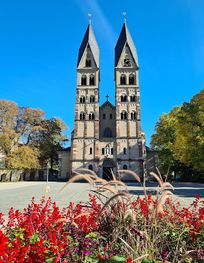
Explore Koblenz's oldest church, the Basilica of St. Castor, a Romanesque masterpiece with a rich history tied to the Holy Roman Empire and the shaping of Europe.
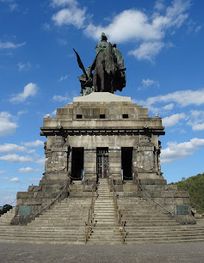
A historic monument at the confluence of the Rhine and Moselle rivers, symbolizing German unity and offering panoramic views of Koblenz and the Upper Middle Rhine Valley.