Bronze der Universitätskirche St. Pauli, Leipzig Travel Guide
A miniature bronze replica commemorating Leipzig's lost University Church of St. Paul, inviting reflection on history, faith, and the enduring spirit of the city.
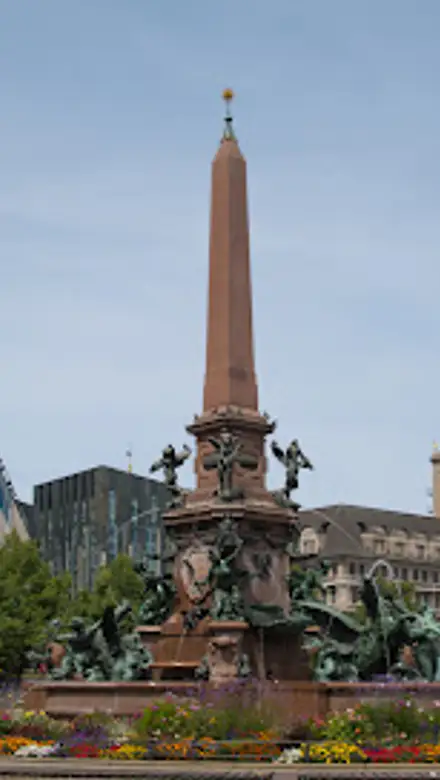
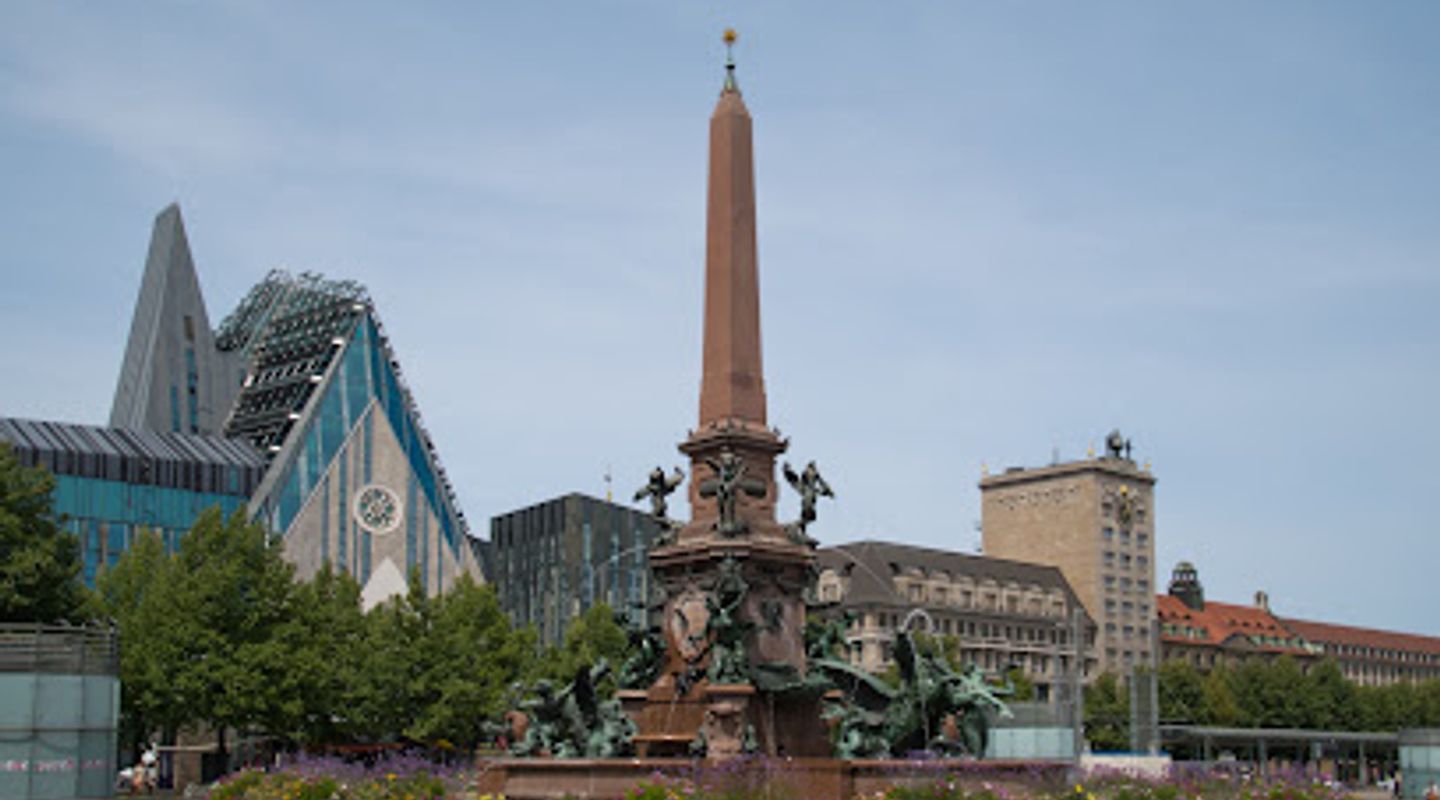
The Bronze der Universitätskirche St. Pauli is a poignant miniature bronze replica of the original University Church of St. Paul, which stood on Leipzig's Augustusplatz for centuries. This small-scale monument serves as a powerful reminder of the Paulinerkirche's rich history and tragic demolition in 1968 by the communist regime. Located near the modern Paulinum, which incorporates elements of the old church's design, the bronze model allows visitors to visualize the architectural grandeur that was lost. It acts as a tangible link to the past, inviting reflection on Leipzig's cultural heritage and the importance of preserving historical memory. The bronze replica provides a unique opportunity to contemplate the intersection of faith, academia, and civic identity in Leipzig's history. A visit to this understated yet deeply meaningful memorial enriches the experience of Augustusplatz, offering a moment of contemplation amidst the bustling city center.
A brief summary to Bronze der Universitätskirche St. Pauli
- Leipzig, Mitte, DE

Know before you go
Hi, I'm Eve. Here are a few practical things to know before exploring Bronze der Universitätskirche St. Pauli.
- Visit the nearby Paulinum to see how the new building incorporates elements of the original church's design.
- Take a moment to reflect on the history of the Paulinerkirche and its significance in Leipzig's cultural heritage.
- Explore Augustusplatz and the surrounding area to discover other historical landmarks and cultural attractions.
Do you manage this location?
Take control to get all the benefits, like improved information, better appearance, and stronger visibility across AI-powered discovery. Learn more about listing your business on Evendo
Activate your presenceOther nearby places you may find interesting
The closest places of the same kind, if this one is not quite what you had in mind.



Explore Bronze der Universitätskirche St. Pauli on the Map
A handpicked selection of must-see spots near Bronze der Universitätskirche St. Pauli, mapped for you.
Getting There
-
Public Transport
Augustusplatz is a central transportation hub in Leipzig. From Leipzig Hauptbahnhof (main train station), take any tram line that stops at Augustusplatz (lines 4, 7, 8, 10, 11, 12, 14, 15, and 16 all serve this stop). The ride is short, typically around 5 minutes. From the Augustusplatz tram stop, the Bronze der Universitätskirche St. Pauli is a short walk away, located near the Paulinum. A single tram fare is approximately €2.70.
-
Walking
From Leipzig Hauptbahnhof, exit the station and head south towards Augustusplatz. The walk is approximately 10 minutes and well-signposted. As you approach Augustusplatz, you'll see the Leipzig Opera House and the Gewandhaus concert hall. The Paulinum, and the bronze replica, are located on the west side of the square, near the university buildings. No costs are associated with walking.
-
Taxi/Ride-Share
A taxi or ride-share from Leipzig Hauptbahnhof to Augustusplatz is a quick option, taking only a few minutes. Expect to pay around €10-€12 for the short trip, depending on traffic and the specific service used. Ask the driver to drop you off near the Oper Leipzig or the main entrance of the Universität Leipzig.
-
Driving
If driving, navigate to Augustusplatz in Leipzig. There is underground parking available at Q-Park Augustusplatz (Augustusplatz 15, 04109 Leipzig), located directly under the square. Parking rates are approximately €2.20 per hour. Be aware that Leipzig is an environmental zone, and you will need a green sticker on your car to enter the city center.
Discover more about Bronze der Universitätskirche St. Pauli
More to explore near Bronze der Universitätskirche St. Pauli
-

Best experiences near Bronze der Universitätskirche St. Pauli
-

Best hotels near Bronze der Universitätskirche St. Pauli
-

Best attractions near Bronze der Universitätskirche St. Pauli
-

Best shops near Bronze der Universitätskirche St. Pauli
-

Best restaurants near Bronze der Universitätskirche St. Pauli
-

Best bars near Bronze der Universitätskirche St. Pauli







Your all‑in‑one travel companion app
Explore expert travel guides, compare and book tours, experiences, hotels, and more—all from the palm of your hand. Download now for seamless trip planning wherever your wanderlust takes you.


Explore More of Leipzig
Looking beyond Bronze der Universitätskirche St. Pauli? Discover Leipzig for broader travel guides, local hot-spots, and regional highlights.
Explore Leipzig
Discover Leipzig's historical gem, Allte Waage, where architectural beauty meets rich cultural heritage in the heart of the city.

Discover the Paulinum in Leipzig: A modern architectural marvel that commemorates a historic church, blending faith, academia, and remembrance in the heart of the city.