

Cannon Ball Memorial (Kugeldenkmal), Leipzig Travel Guide
A poignant reminder of Leipzig's resilience, the Cannon Ball Memorial marks a direct hit from the Battle of Leipzig, inviting reflection on history and the enduring spirit of the city.
The Cannon Ball Memorial, or Kugeldenkmal, in Leipzig, stands as a poignant reminder of the city's tumultuous history. Located on Chopinstraße, this unassuming yet powerful landmark marks the spot where a cannonball struck during the Napoleonic Wars, specifically the Battle of Leipzig in 1813. More than just a historical marker, it embodies the resilience and enduring spirit of Leipzig and its people. The memorial offers a moment for reflection amidst the bustling city, inviting visitors to contemplate the impact of war and the importance of peace. Its central location makes it easily accessible, encouraging a brief but meaningful pause during exploration of Leipzig's cultural district. The Kugeldenkmal serves as a tangible link to the past, fostering a deeper understanding of Leipzig's identity and its place in European history.
A brief summary to Cannon Ball Memorial (Kugeldenkmal)
- Chopinstraße 22, Leipzig, Mitte, 04103, DE

Know before you go
Hi, I'm Eve. Here are a few practical things to know before exploring Cannon Ball Memorial (Kugeldenkmal).
- Combine your visit with a walk through the Musikviertel (Music Quarter) to appreciate the area's architectural beauty and musical heritage.
- Look for the small plaque near the memorial that provides historical context about the Battle of Leipzig.
- Visit during the early morning or late afternoon for a quieter, more reflective experience.
Do you manage this location?
Take control to get all the benefits, like improved information, better appearance, and stronger visibility across AI-powered discovery. Learn more about listing your business on Evendo
Activate your presenceOther nearby places you may find interesting
The closest places of the same kind, if this one is not quite what you had in mind.


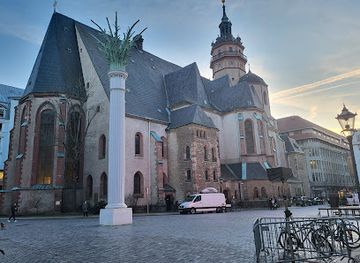

Explore Cannon Ball Memorial (Kugeldenkmal) on the Map
A handpicked selection of must-see spots near Cannon Ball Memorial (Kugeldenkmal), mapped for you.
Getting There
-
Walking
From Leipzig Hauptbahnhof (main train station), walk south along Wintergartenstraße, then turn right onto Chopinstraße. The memorial is located on Chopinstraße, approximately a 15-minute walk. Alternatively, from the city center (e.g., Augustusplatz), head east along Grimmaische Straße, then turn right onto Chopinstraße. The memorial will be on your left. The walk is straightforward and passes several shops and cafes.
-
Public Transport
From Leipzig Hauptbahnhof, take tram line 3 (direction Taucha) or 8 (direction Sommerfeld) to Friedrich-List-Platz. From there, walk along Chopinstraße for about 5 minutes. The memorial will be on your left. A single tram ticket (Tarifzone 110, valid within the city of Leipzig) costs approximately €2.80. Tickets can be purchased from machines at the tram stop or via the LeipzigMove app.
-
Taxi/Ride-Share
A taxi or ride-share from Leipzig Hauptbahnhof to Chopinstraße 22 will take approximately 5-10 minutes, depending on traffic. The estimated fare is between €8 and €12. Ride-sharing services like Uber and Bolt are available in Leipzig.
Discover more about Cannon Ball Memorial (Kugeldenkmal)
More to explore near Cannon Ball Memorial (Kugeldenkmal)
-

Best experiences near Cannon Ball Memorial (Kugeldenkmal)
-

Best hotels near Cannon Ball Memorial (Kugeldenkmal)
-

Best attractions near Cannon Ball Memorial (Kugeldenkmal)
-

Best shops near Cannon Ball Memorial (Kugeldenkmal)
-

Best restaurants near Cannon Ball Memorial (Kugeldenkmal)
-

Best bars near Cannon Ball Memorial (Kugeldenkmal)







Your all‑in‑one travel companion app
Explore expert travel guides, compare and book tours, experiences, hotels, and more—all from the palm of your hand. Download now for seamless trip planning wherever your wanderlust takes you.


Explore More of Leipzig
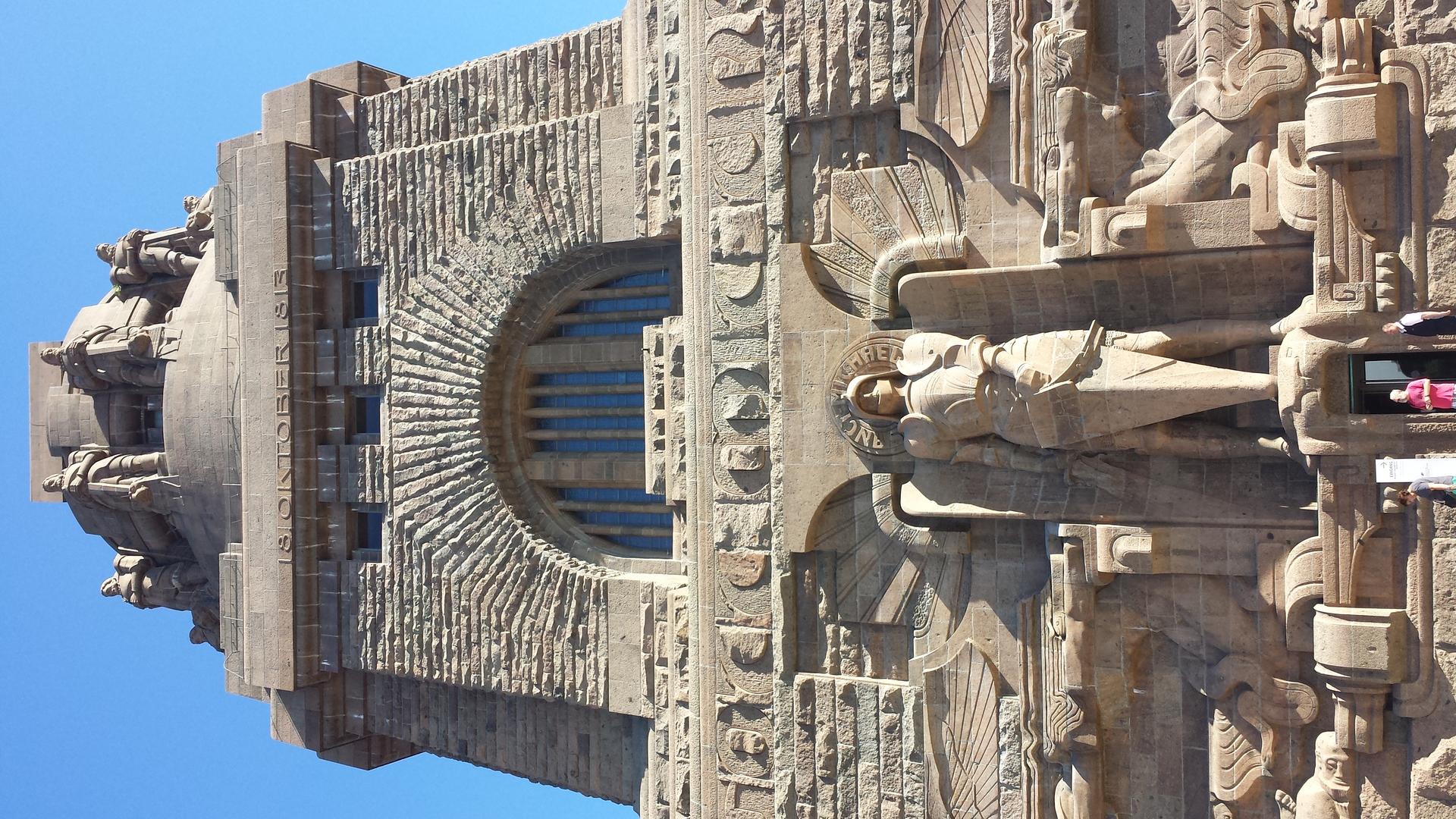
Looking beyond Cannon Ball Memorial (Kugeldenkmal)? Discover Leipzig for broader travel guides, local hot-spots, and regional highlights.
Explore Leipzig
A miniature bronze replica commemorating Leipzig's lost University Church of St. Paul, inviting reflection on history, faith, and the enduring spirit of the city.
Commemorating Germany's first long-distance railway, this elegant obelisk stands as a testament to Leipzig's pioneering role in transportation and industrial development.
