Holstentor square, Lubeck Travel Guide
Discover Lübeck's Hanseatic heart at Holstentor Square, where medieval history meets modern vibrancy in a UNESCO World Heritage setting, offering a gateway to the city's rich cultural tapestry.
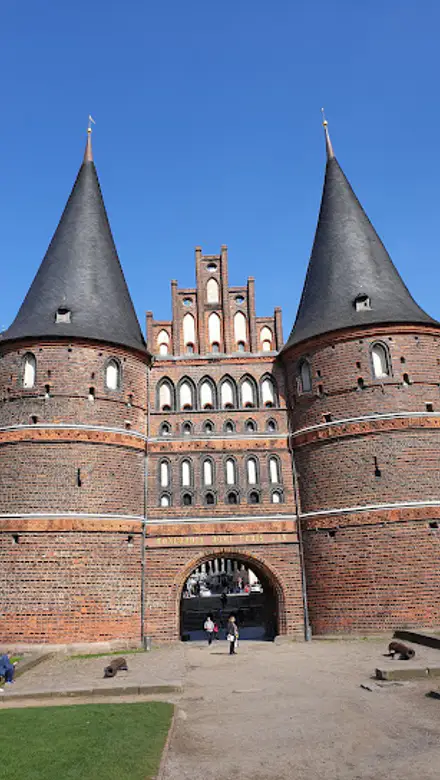
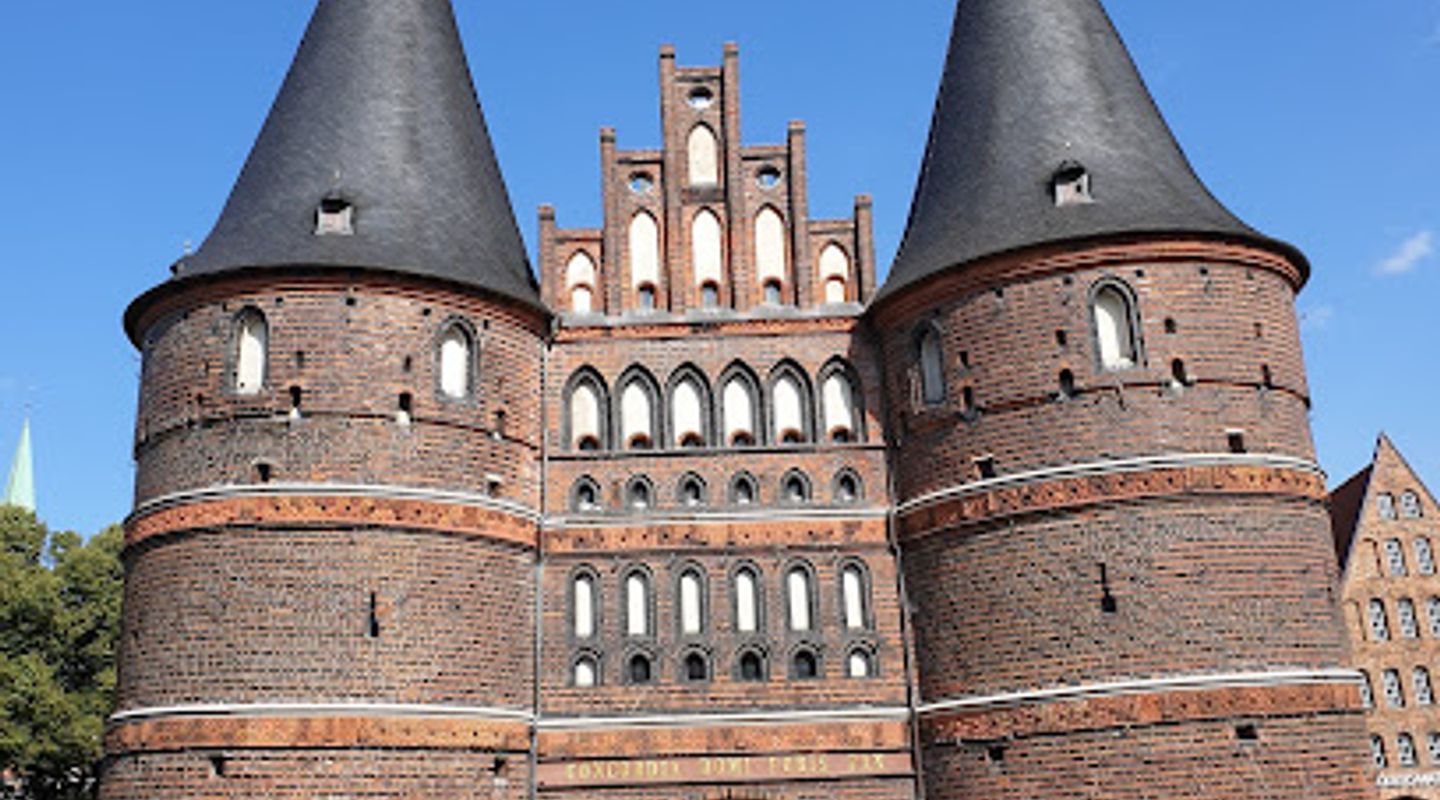
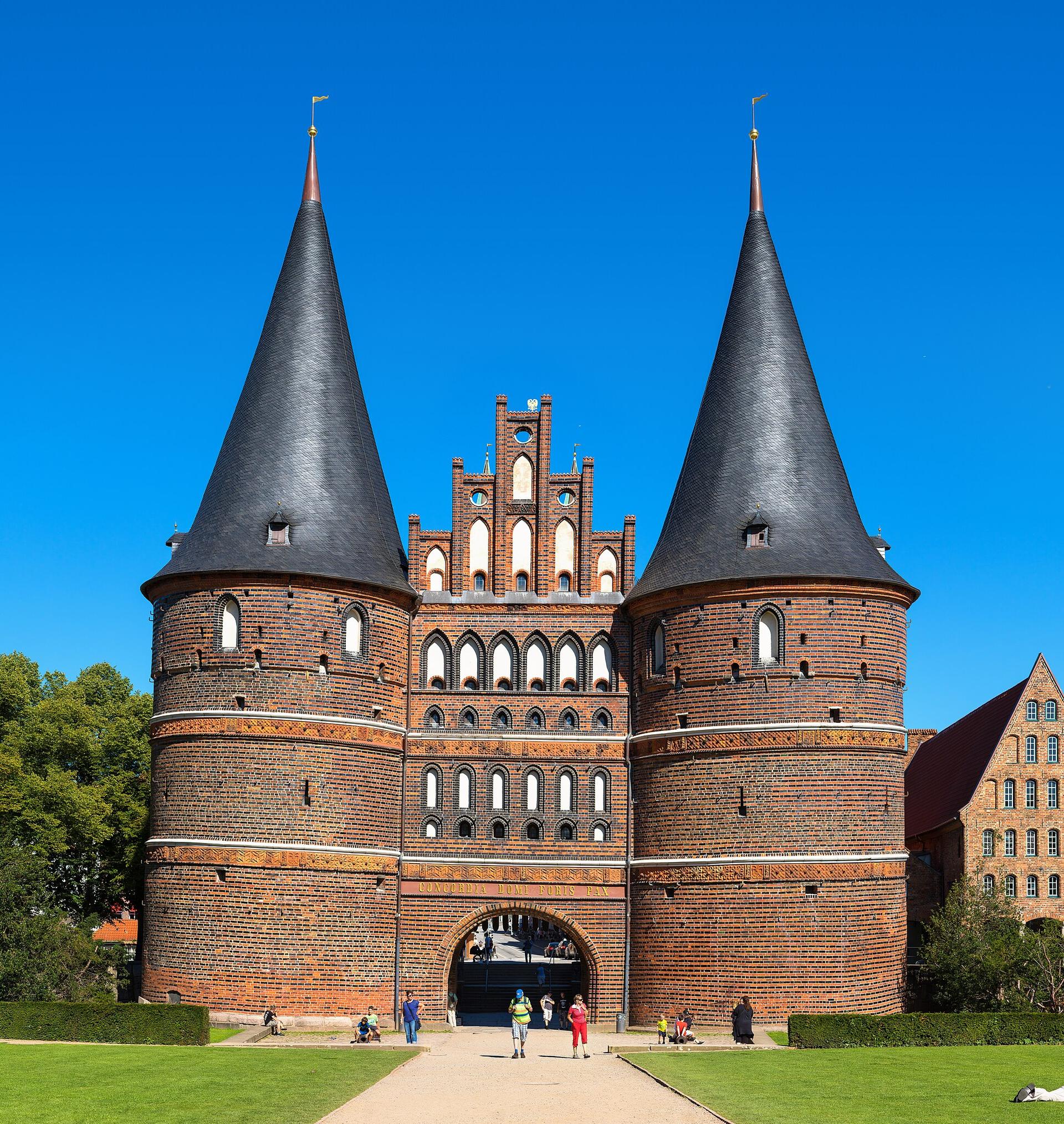
Holstentor Square, nestled at the edge of Lübeck's historic old town, is more than just a pretty space; it's a vibrant intersection of history, culture, and modern life. Dominated by the imposing Holstentor, a UNESCO World Heritage Site and a symbol of the city, the square provides a captivating glimpse into Lübeck's rich Hanseatic past. The square itself is a popular gathering place, offering a mix of green space, pedestrian areas, and stunning views. Flanked by historical buildings like the Salzspeicher (salt warehouses) and modern structures, it serves as a gateway to exploring the Altstadt's medieval charm. Whether you're admiring the architecture, enjoying a leisurely stroll, or attending one of the many events held here, Holstentor Square encapsulates the spirit of Lübeck, inviting visitors to delve into its captivating story.
A brief summary to Holstentor square
- Holstentorplatz, Lübeck, Lübecker Altstadt, 23552, DE
- Click to display
- Click to display

Know before you go
Hi, I'm Eve. Here are a few practical things to know before exploring Holstentor square.
- Visit the Holstentor Museum to delve deeper into the history of the gate and Lübeck's Hanseatic past.
- Take a guided tour of the Altstadt starting from Holstentor Square to discover hidden gems and historical insights.
- Check the event calendar for concerts, markets, and festivals happening at the square throughout the year.
- Capture the perfect photo of the Holstentor at sunrise or sunset for stunning lighting.
- Explore the Salzspeicher (salt warehouses) near the square to learn about Lübeck's role in the salt trade.
Do you manage this location?
Take control to get all the benefits, like improved information, better appearance, and stronger visibility across AI-powered discovery. Learn more about listing your business on Evendo
Activate your presenceOther nearby places you may find interesting
The closest places of the same kind, if this one is not quite what you had in mind.


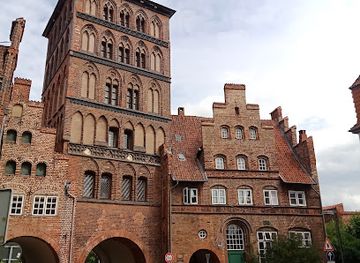
Explore Holstentor square on the Map
A handpicked selection of must-see spots near Holstentor square, mapped for you.
Getting There
-
Walking
From Lübeck Hbf (main train station), Holstentor Square is an easy 10-minute walk. Exit the station and head straight, following the signs for 'Altstadt' (Old Town). You'll pass over a bridge with the Holstentor clearly visible ahead. The square is directly in front of the gate.
-
Public Transport
If arriving at Lübeck ZOB/Hauptbahnhof (bus station), Holstentor Square is a short bus ride away. Take bus line 2 or 4 from the station to the 'Holstentorplatz' stop. The ride takes only a few minutes. A single ticket costs approximately €2-3.
-
Taxi/Ride-Share
A taxi or ride-share from Lübeck Hbf to Holstentor Square will take approximately 5 minutes, depending on traffic. Expect to pay around €8-12. Note that traffic within the Altstadt can be congested.
-
Driving
Driving directly to Holstentor Square is possible, but parking is limited and can be expensive. Consider parking at the Linden Arcaden or Haerder Center parking garages, both within a short walk. Hourly parking rates range from €2.50, with daily rates around €12.50. Parking directly at Am Holstentor costs €2.50 per hour, with a daily pass for €12.50.
Discover more about Holstentor square













Your all‑in‑one travel companion app
Explore expert travel guides, compare and book tours, experiences, hotels, and more—all from the palm of your hand. Download now for seamless trip planning wherever your wanderlust takes you.


Explore More of Lubeck
Looking beyond Holstentor square? Discover Lubeck for broader travel guides, local hot-spots, and regional highlights.
Explore Lubeck